DbcultAccessing Vault...
Cult Review
Senior Film Conservator
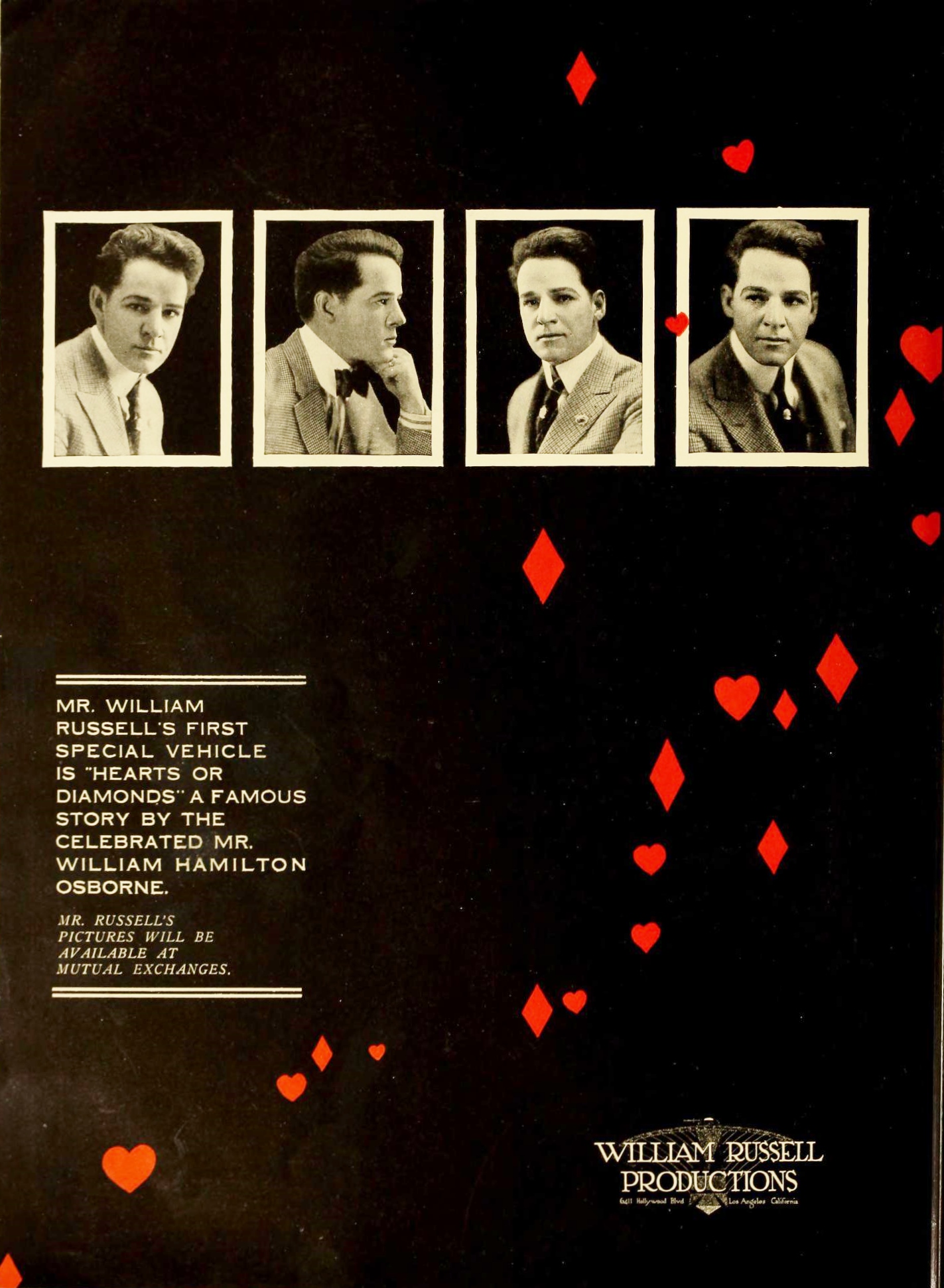
In the nascent years of the American feature film, the screen served as a mirror to the burgeoning anxieties of an industrializing society—a world where the line between the genuine and the manufactured was becoming increasingly porous. Henry King’s 1918 effort, Hearts or Diamonds?, stands as a seminal exploration of this thematic duality. It is a work that transcends its pulp origins to offer a sophisticated meditation on the nature of value, both material and emotional. While many contemporary films of the era, such as The Great Love, focused on broader societal upheavals, King narrows his lens to the intimate betrayal found within the gilded cages of New York’s elite. The film oscillates between the luminous warmth of burgeoning romance and the cold, calculated precision of a criminal laboratory, creating a visual and narrative rhythm that remains remarkably engaging over a century later.
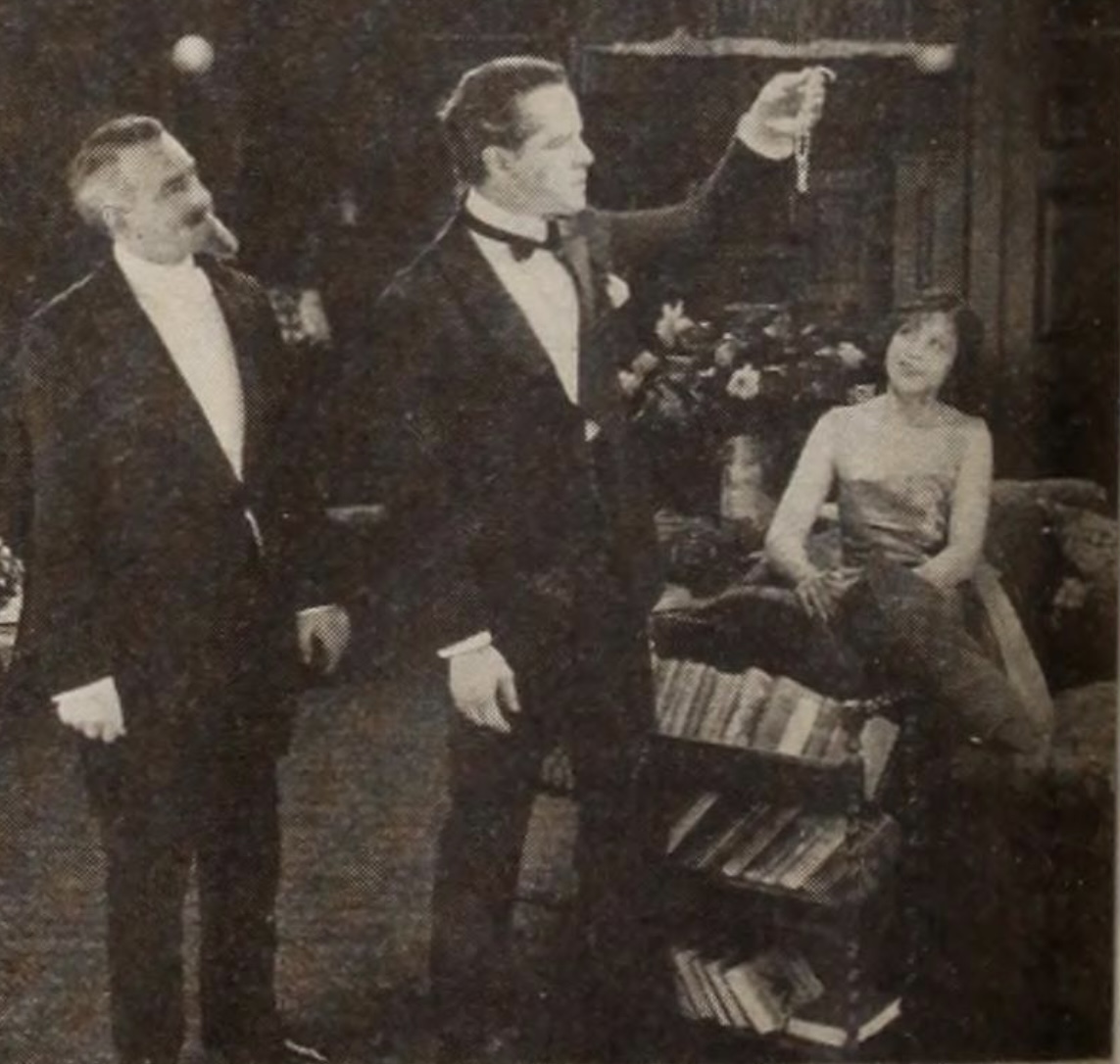
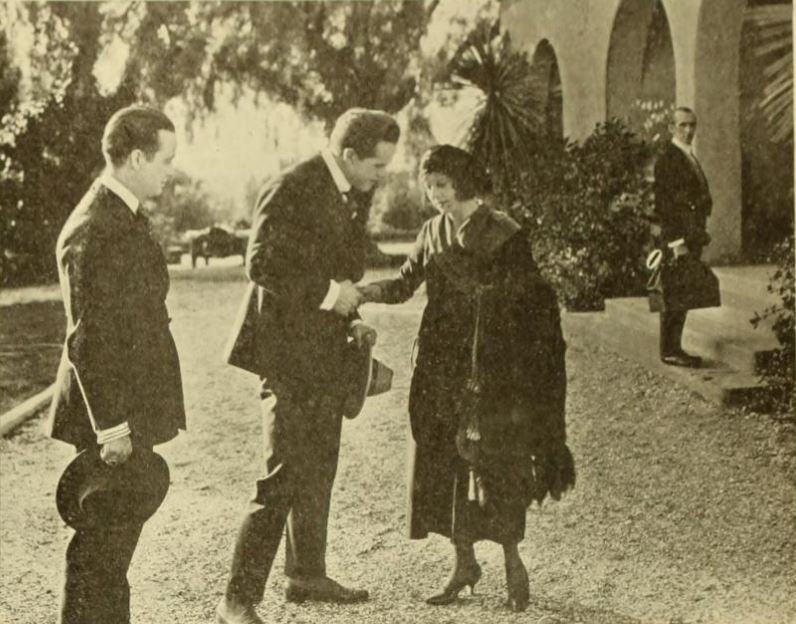
William Russell portrays Larry Hanrahan with a stoicism that masks a deep-seated yearning for permanence. As a diamond collector, Hanrahan is a man who deals in the eternal; his life is defined by the unyielding hardness and clarity of his gems. This obsession with perfection makes him the ideal mark for the machinations of Colonel Gascoyne. Russell’s performance is nuanced, avoiding the histrionics often associated with silent cinema. Instead, he utilizes a controlled physicality to convey a man whose world is shattered when his faith in Adrienne is tested. Unlike the more overtly heroic figures seen in The Return of Draw Egan, Hanrahan is a character defined by his vulnerability to beauty—a trait that nearly proves to be his undoing. His journey from a collector of stones to a protector of a human soul is the narrative’s primary emotional engine.
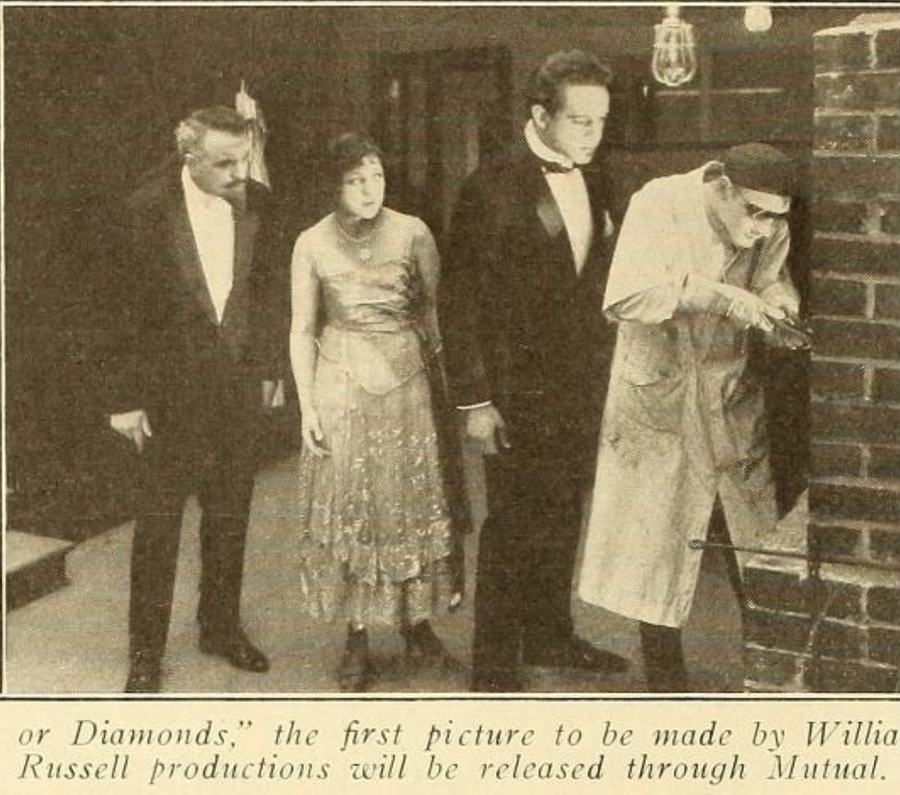
The introduction of Colonel Paul Gascoyne and his chemist, Wintermute, shifts the film into the realm of the Gothic-industrial. The laboratory scenes are a triumph of early set design, utilizing shadows and gleaming glassware to evoke a sense of forbidden knowledge. Howard Davies plays Gascoyne with a predatory elegance, a man who understands that the appearance of wealth is often more potent than wealth itself. The presence of Wintermute, the master of imitation, provides a chilling counterpoint to Hanrahan’s pursuit of the authentic. This dynamic mirrors the thematic concerns of The Secret Game, where the hidden identities of characters drive the suspense. In Hearts or Diamonds?, the 'secret' is the synthetic nature of the gems, which serves as a potent metaphor for the Colonel’s hollow morality.
Charlotte Burton delivers a performance of remarkable subtlety as Adrienne. For much of the film, she is the 'innocent dupe,' a figure trapped between the paternalistic control of Gascoyne and the romantic aspirations of Hanrahan. The brilliance of the screenplay lies in how it uses Adrienne to manipulate the audience’s perceptions. When Larry witnesses a woman wearing Adrienne’s scarf committing a robbery, the film challenges the viewer to question the visual evidence. This play on identity and costume is a recurring trope in the era, reminiscent of the narrative twists in The Green Cloak. Burton handles the transition from a suspected thief to a victimized heroine with grace, ensuring that the audience remains invested in her redemption even when the evidence against her seems insurmountable.
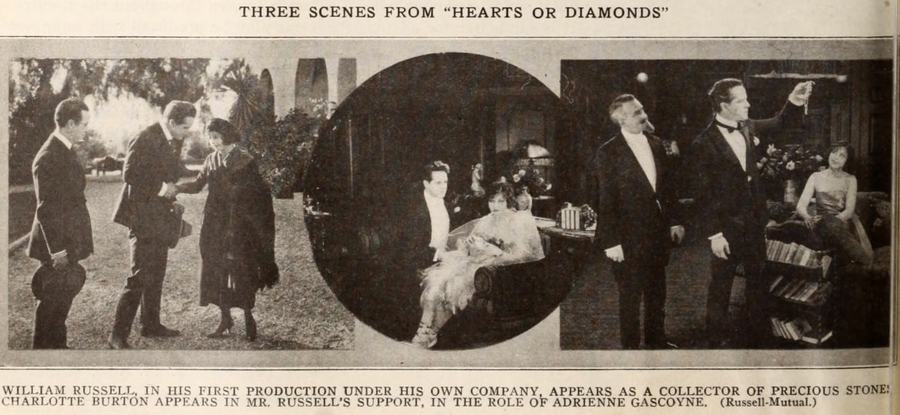
Henry King’s direction in 1918 was already showing the hallmarks of the mastery that would later define his career. His use of space within the Broadway café and the Gascoyne estate creates a sense of geographical continuity that was often lacking in earlier silents. The lighting, particularly in the scenes where Hanrahan displays his collection, emphasizes the scintillating quality of the diamonds, contrasting them with the murky, low-key lighting of the criminal underworld. The pacing is deliberate, allowing the tension to simmer before boiling over in the final confrontation. This structural integrity is what elevates the film above standard genre fare like Love's Lariat, providing a more cohesive and intellectually stimulating experience.
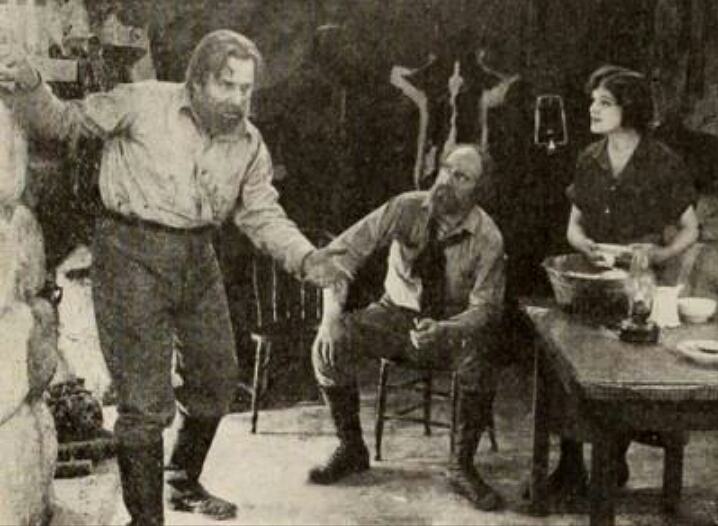
The final act of Hearts or Diamonds? is a masterclass in suspense. Larry’s discovery of his stolen jewels within the Gascoyne household is a moment of profound disillusionment, yet it is quickly superseded by the physical threat of the Colonel’s thugs. The ensuing struggle is choreographed with a visceral energy that belies the film’s age. Adrienne’s intervention—her decision to betray her guardian to save the man she loves—serves as the ultimate proof of her 'genuine' heart. The arrival of the police provides a traditional resolution, but the emotional climax occurs in the quiet moment of the Colonel’s confession. By admitting that Adrienne was an innocent pawn, Gascoyne performs a final, perhaps involuntary, act of honesty, stripping away the last of his synthetic facade. This resolution is far more satisfying than the somewhat contrived endings found in To the Highest Bidder.
When placed alongside other films of the late 1910s, such as Wildflower or M'Liss, Hearts or Diamonds? distinguishes itself through its urban sophistication. While many films of the period sought the pastoral innocence of the countryside, King embraces the complexity of the city. The film shares a thematic kinship with Double Crossed in its exploration of betrayal, but it adds a layer of scientific curiosity through the subplot of the synthetic diamonds. This inclusion of 'modern' science (or pseudo-science) reflects a society fascinated by the possibilities and perils of technological advancement. Furthermore, the film avoids the heavy-handed moralizing found in Milestones of Life, opting instead for a character-driven narrative that allows the themes to emerge organically from the plot.
The cinematography of Hearts or Diamonds?, though limited by the technology of 1918, possesses a clarity that is often breathtaking in restored prints. The close-ups of the diamonds, the subtle play of light on Charlotte Burton’s face, and the chaotic energy of the final raid all contribute to a film that feels remarkably modern. The writers—William Parker, Jules Furthman, and William Hamilton Osborne—crafted a script that balances the demands of a thriller with the nuances of a character study. Furthman, in particular, would go on to become one of Hollywood’s most celebrated screenwriters, and his talent for sharp, motivated dialogue (even in title card form) is evident here. The film’s exploration of the 'fake' vs. the 'real' remains a timeless concern, making it a relevant piece of cinema even in the age of digital artifice.
Ultimately, Hearts or Diamonds? is a testament to the power of silent storytelling. It reminds us that before the advent of sound, cinema was a medium of pure visual poetry and raw emotional resonance. By centering the story on the choice between material wealth (the diamonds) and emotional truth (the heart), Henry King created a work that speaks to the universal human condition. It is a film that deserves to be remembered not just as a historical curiosity, but as a vibrant, breathing piece of art that continues to sparkle with a brilliance all its own. Whether compared to the social dramas of The Girl of Today or the melodramatic turns of Autumn, Hearts or Diamonds? stands tall as a pinnacle of its era—a glittering gem in the crown of silent cinema.
IMDb 6.5
1918
Community
Log in to comment.