DbcultAccessing Vault...
6/10
Senior Film Conservator
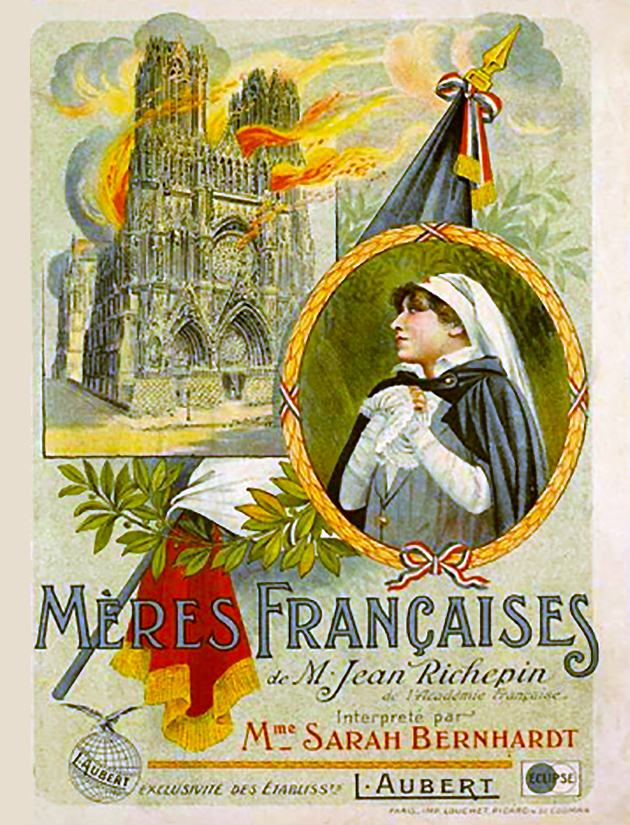
A definitive 6/10 rating for a film that redefined the boundaries of cult cinema. Mothers of France remains a cornerstone of transgressive art.
In the annals of silent cinema, particularly those grappling with the seismic upheaval of the First World War, Jean Richepin's 'Mothers of France' (or 'Mères de France,' to honor its provenance) stands as a monumental, emotionally charged testament to the profound personal cost of global conflict. This isn't merely a historical artifact; it's a pulsating, often harrowing, portrait of grief, resilience, and the transformative power of purposeful action born from unimaginable sorrow. The film plunges us into the life of a French mother, her existence initially characterized by the quiet dignity of pre-war domesticity, only to be brutally redefined by the relentless march of tragedy.
The narrative, deceptively simple in its premise, unfolds with a devastating emotional cumulative effect. We witness a woman's world systematically dismantled: first, the crushing news of her son's death in the muddy, blood-soaked trenches, then, with a cruel twist of fate, the equally heartbreaking loss of her husband. These aren't just plot points; they are seismic events that shatter the very foundations of her being, forcing a profound internal metamorphosis. What emerges from this chrysalis of sorrow is not despair, but a formidable, almost incandescent, resolve. Her personal grief transmutes into a universal empathy, a driving force to dedicate herself entirely to the French cause, specifically to the succor and care of the wounded, the broken, and the traumatized returning from the front lines.
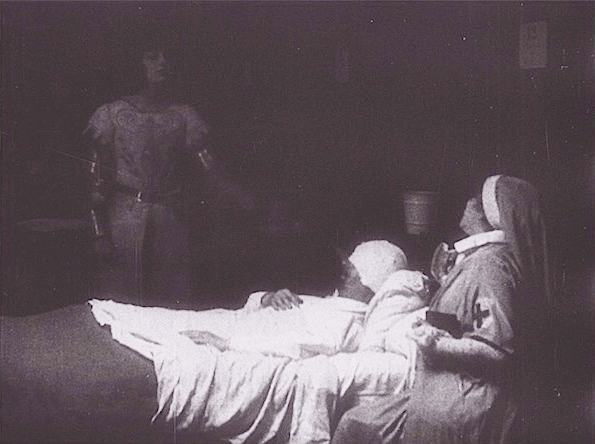
While specific casting details for the mother's role often recede into the mists of time for films of this vintage, the presence of an icon like Sarah Bernhardt in the ensemble cast strongly suggests her formidable talents were likely harnessed for this central, emotionally demanding role. If so, her performance would have been nothing short of electrifying. Bernhardt, even in her later years, possessed an unparalleled stage presence and an ability to convey profound emotion with a mere glance or gesture. Imagine her embodying this mother's journey: the initial shock, the visceral agony of loss, the quiet, dignified resolve that blossoms into tireless action. Her legendary capacity for dramatic intensity would have lent an almost mythic quality to the character, elevating her from a mere individual to an archetype of national suffering and resilience. The subtleties of silent acting, relying heavily on mime, facial expressions, and body language, would have been a canvas upon which Bernhardt, the 'Divine Sarah,' could paint a masterpiece of human endurance. One can almost envision the close-ups capturing the nuanced shifts in her gaze, from crushing despair to resolute determination, a silent symphony of emotional fortitude. This would have been a performance that transcended the limitations of the medium, speaking directly to the hearts of a populace intimately familiar with such pain.
'Mothers of France' emerges from a period where cinema was rapidly evolving, and its capacity to both document and interpret historical events was becoming increasingly apparent. Unlike some contemporary melodramas, which might have succumbed to overt sentimentality, the film, by focusing on the raw, personal impact of war, likely offered a more grounded, albeit still dramatic, perspective. Films of this era, especially those produced during or immediately after the war, walked a delicate tightrope between patriotic fervor and the grim reality of the trenches. While overt propaganda was common, particularly in films like 'The Battle of the Somme' (1916), 'Mothers of France' seems to delve into the more profound psychological and societal ramifications of conflict. It’s less about glorifying battle and more about honoring the sacrifices made on the home front. The film's depiction of the wounded, and the mother's dedication to their care, would have resonated deeply with audiences who were daily confronted with the sight of returning soldiers, many permanently scarred, both physically and psychologically. This commitment to portraying the aftermath, rather than solely the action, sets it apart, perhaps hinting at a nascent form of cinematic realism that would later be explored with greater depth in post-war European cinema. It's a stark contrast to the more escapist fare that sometimes dominated the silver screen, offering a necessary, if painful, reflection of the collective trauma.
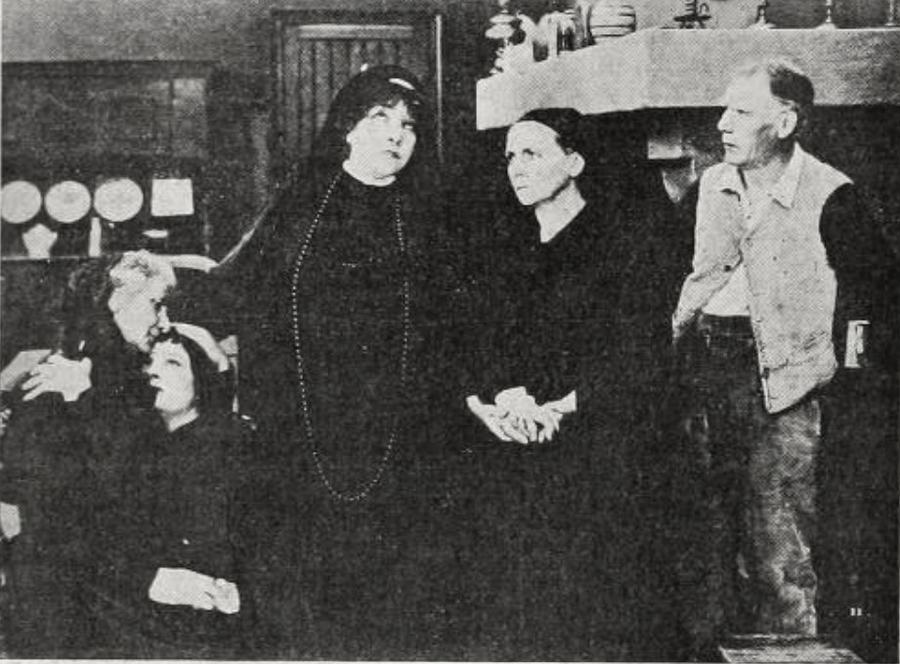
The visual language of 'Mothers of France' would have been crucial in conveying its powerful message. Silent films, by necessity, relied on strong compositions, evocative mise-en-scène, and often highly stylized acting to communicate. One can imagine scenes of stark contrast: the idyllic pre-war home, bathed in soft light, juxtaposed with the grim, utilitarian settings of hospitals and aid stations. The use of intertitles would have been pivotal, not just for dialogue, but for delivering pronouncements of loss, rallying cries, or poignant reflections on sacrifice. Cinematography, though perhaps less sophisticated than later eras, would have used techniques like iris shots to focus attention on key emotional moments, or tracking shots (if feasible for the time) to follow the mother on her tireless rounds, emphasizing her unwavering commitment. The very absence of spoken dialogue often amplified the emotional impact, forcing audiences to project their own feelings onto the characters, creating a deeply personal and immersive experience. This shared emotional landscape, forged in the silent darkness of the cinema, would have been a powerful communal act of mourning and remembrance. The film’s ability to evoke such profound empathy without a single spoken word is a testament to the artistry of silent era filmmakers.
While 'Mothers of France' centers on a specific national tragedy, its themes of loss, resilience, and humanitarian devotion resonate across cinematic history. One might draw a parallel, though perhaps a less direct one, to the profound emotional core found in films like Home, Sweet Home, where the universal longing for peace and the sanctity of the domestic sphere are explored, albeit through a different narrative lens. The unwavering dedication of its protagonist in the face of overwhelming adversity also brings to mind the steadfastness seen in characters navigating complex moral landscapes in dramas such as The Lion and the Mouse, where principle often guides action. Yet, 'Mothers of France' possesses a unique gravitas, born from its direct engagement with the brutal realities of war. It avoids the more romanticized or purely melodramatic approaches sometimes found in other period pieces, grounding its emotional intensity in the very real suffering of a nation. This distinction is crucial; it elevates the film beyond mere entertainment, positioning it as a poignant historical record of human spirit.
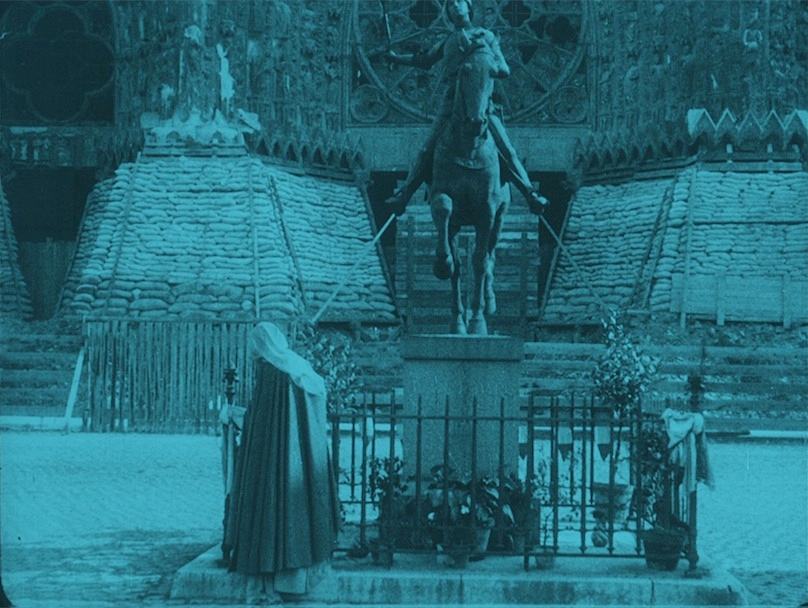
The mother in 'Mothers of France' transcends her individual suffering to become a powerful symbol. She embodies the collective spirit of French women during the Great War – the 'mères de France' who, while not on the battlefield, waged their own war on the home front against despair, scarcity, and the relentless toll of casualty lists. Their contributions, often overlooked in the grand narratives of military history, were absolutely vital to national survival and morale. This film, therefore, serves as an homage to these unsung heroes, recognizing their immense fortitude and their indispensable role in sustaining the nation through its darkest hour. The narrative isn't just about a woman's journey; it's about the very soul of a nation, demonstrating how individual acts of compassion and resilience can coalesce into a powerful force for collective good. It's a reminder that war's impact extends far beyond the front lines, permeating every aspect of society and demanding sacrifices from all. The film's message, then, is one of profound national unity, forged in the crucible of shared adversity.
Silent films addressing the First World War occupy a unique and significant place in cinematic history. They were often the first artistic attempts to grapple with the unprecedented scale of modern warfare, shaping public perception and understanding in real-time. 'Mothers of France,' with its focus on the intimate, human cost, contrasts with films that might emphasize grand strategy or heroic battles. It belongs to a lineage of cinema that sought to understand the war's psychological and emotional devastation, a precursor to later, more explicit anti-war films. Its legacy lies not just in its historical value but in its timeless depiction of human perseverance. The raw, unfiltered emotion conveyed through the silent medium often strikes a chord that even sound films struggle to replicate, leaving an indelible impression on the viewer's psyche. The film serves as a powerful reminder of the sacrifices made, a poignant echo from a century past that continues to resonate with contemporary audiences who seek to understand the profound human dimensions of conflict.
'Mothers of France' is more than a film; it is a cinematic elegy, a heartfelt tribute to the countless women who endured unimaginable losses during the Great War, yet found the strength to rebuild, to serve, and to inspire. It speaks to the universal human capacity for empathy, for transforming personal pain into a wellspring of service for others. The film's narrative, while rooted in a specific historical context, transcends its era, offering a timeless meditation on grief, courage, and the enduring power of the human spirit. It serves as a potent reminder of the devastating ripple effects of war, extending far beyond the immediate casualties to touch every family, every community. In its quiet power, 'Mothers of France' compels us to remember, to reflect, and to honor the sacrifices made, ensuring that the lessons learned from such profound suffering are never truly forgotten. It is a work that, even without spoken dialogue, articulates a profound truth about the human condition in the face of overwhelming adversity, a truth that remains as relevant today as it was a century ago. Its continued study offers valuable insight into both the history of cinema and the enduring narratives of human resilience.
'Mothers of France' occupies a crucial, if sometimes overlooked, position within the canon of WWI cinema. It avoids the grandiosity of battle sequences to focus on the intimate, devastating impact of war on the individual and the family unit. The film's strength lies in its emotional honesty, its willingness to portray the raw anguish of loss without succumbing to mawkish sentimentality, instead channeling that grief into a narrative of profound purpose. The potential involvement of actors like Sarah Bernhardt would have undeniably amplified its impact, lending an almost operatic gravitas to the central figure's journey. It’s a film that speaks volumes without uttering a single word, relying on the universal language of human suffering and fortitude. For those interested in the evolution of cinematic storytelling, particularly in its capacity to address monumental historical events and their human toll, 'Mothers of France' remains an indispensable work. It is a powerful, deeply moving experience, a poignant echo from a tumultuous past that continues to resonate with undeniable force, reminding us of the enduring strength found in the face of unimaginable sorrow and the quiet heroism of those who choose to heal and serve. The film's legacy is a testament to the enduring power of silent cinema to capture and convey the most profound human emotions, transcending time and language barriers to deliver a message of hope amidst despair, and resilience forged in the fires of adversity. It's a cinematic treasure that deserves to be rediscovered and revered for its profound artistry and timeless emotional resonance.
IMDb 5.6
1926
Community
Log in to comment.