DbcultAccessing Vault...
Cult Review
Senior Film Conservator
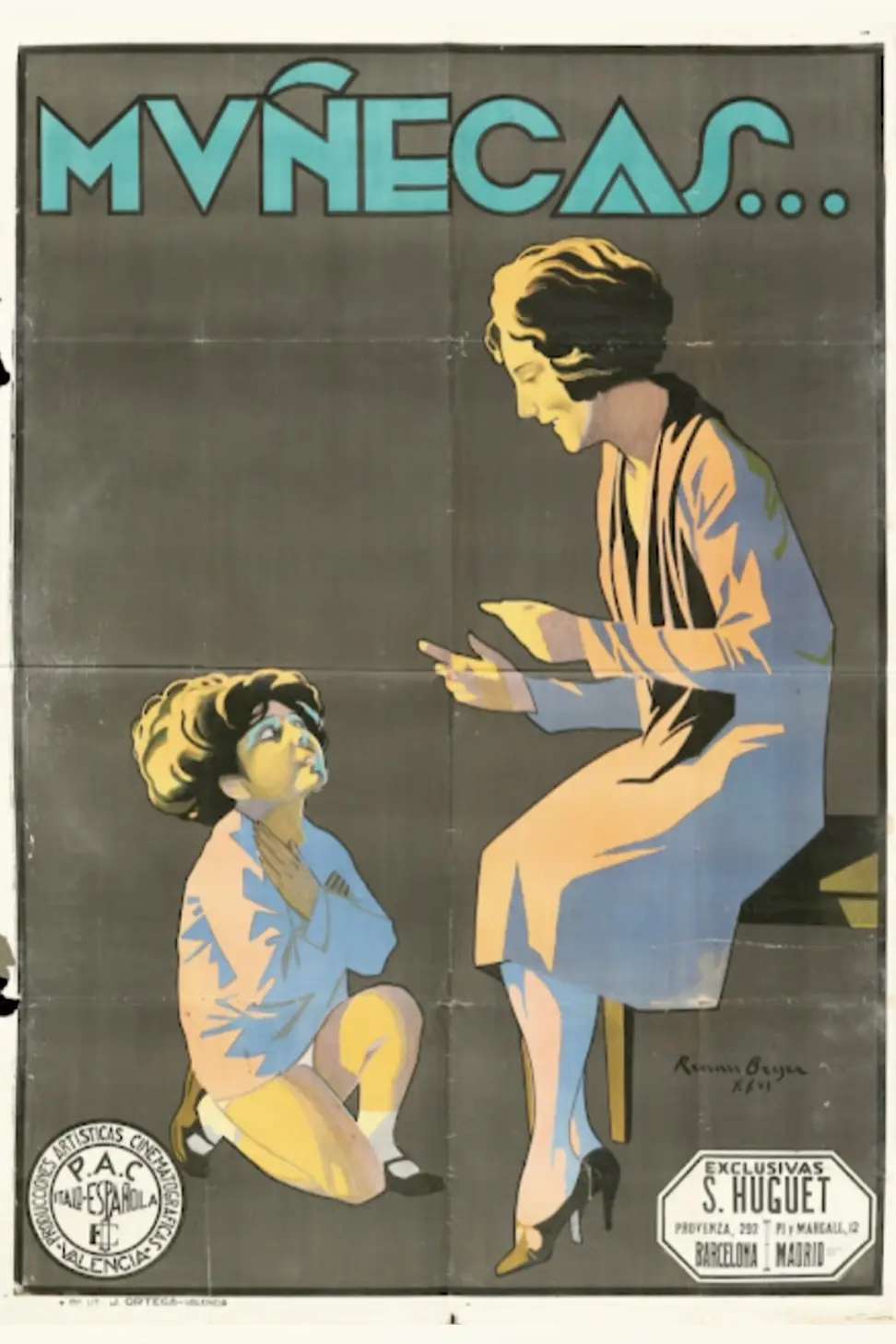
Is 'Muñecas' worth your precious viewing hours today? Short answer: yes, but with significant caveats that make it a polarizing experience. This film is an absolute must-see for devotees of slow-burn psychological dramas and character studies, particularly those fascinated by the darker side of artistic creation, but it will undoubtedly test the patience of anyone seeking conventional thrills or a neatly resolved narrative.
It demands a particular kind of engagement, a willingness to sit with discomfort and ambiguity. If you appreciate cinema that privileges atmosphere and internal conflict over overt action, then step right into its unnerving embrace. If you prefer your stories neatly packaged, look elsewhere.
'Muñecas' is not a film that relies on a sprawling plot. Instead, it offers an intimate, almost voyeuristic, glimpse into the solitary life of a master doll maker, portrayed by the formidable Mario Roncoroni. His world is confined largely to his workshop, a space cluttered with tools, materials, and the unblinking eyes of his creations. The narrative arc, such as it is, traces his escalating obsession with a particular doll, one he intends to imbue with a semblance of life that transcends mere craftsmanship.
The film delves deep into themes of isolation, control, and the very nature of creation. What does it mean to bring something into being, and at what point does creation become a reflection, or even a substitute, for human connection? Roncoroni’s character, unnamed for much of the film, seems to seek solace, companionship, and perhaps even a twisted form of love within his artificial family. This thematic richness is where 'Muñecas' truly shines, offering fertile ground for post-viewing contemplation.
However, this deliberate ambiguity can also be its undoing for some viewers. The film steadfastly refuses to provide easy answers, instead opting for a sustained mood of unease. It’s a bold choice, one that solidifies its identity as an art-house piece, but simultaneously limits its appeal to a broader audience. It works. But it’s flawed.
Mario Roncoroni is the undisputed anchor of 'Muñecas'. His performance is a tour de force, a masterclass in conveying profound psychological states with minimal dialogue. He carries the entire film on his shoulders, often alone on screen, and never once falters.
From the subtle twitch of his eye as he meticulously paints a doll's iris to the hunched, almost reverent posture he adopts when addressing his creations, Roncoroni communicates volumes about his character's inner turmoil. There's a particular scene where he is painstakingly adjusting the hair on a doll, his brow furrowed in concentration, a single tear slowly tracing a path down his cheek. It's a moment of devastating vulnerability, revealing the depth of his unspoken grief or longing.
His physical presence is equally compelling. He moves with a quiet intensity, a man burdened by an invisible weight, yet driven by an undeniable, almost spiritual, purpose. This isn't a performance of grand gestures, but of minute, precise expressions that build a chilling portrait of obsession. Without Roncoroni, 'Muñecas' would likely crumble; he is its beating, if unsettling, heart.
The direction in 'Muñecas' is as deliberate and meticulous as the doll maker's craft. The filmmaker (uncredited, but clearly with a singular vision) embraces a slow, observational style that allows scenes to breathe, sometimes to the point of discomfort. This approach builds an incredible sense of atmosphere, transforming the workshop into a character in itself – a sanctuary and a prison.
Cinematography plays a crucial role in establishing the film's eerie tone. The use of natural light, often dim and filtering through dusty windows, creates deep shadows that dance around Roncoroni and his dolls. Close-ups on the dolls' unblinking faces are particularly effective, making them feel less like inanimate objects and more like silent, judging observers. One shot, in particular, lingers on a doll's fixed smile as Roncoroni's character descends further into his mania, a stark and unsettling contrast.
The deliberate framing often isolates Roncoroni within the frame, emphasizing his solitude. The camera rarely rushes, preferring to hold on a shot, forcing the viewer to confront the stillness and the quiet desperation. This is a film that understands the power of suggestion over explicit horror, a tactic that elevates it beyond genre conventions. It brings to mind the unsettling psychological depth found in films like The Dragon Painter, where art and obsession intertwine.
The pacing of 'Muñecas' is undeniably slow. This is not a criticism, but an observation of its inherent design. Each scene unfolds with a measured, almost ritualistic rhythm, mirroring the painstaking process of doll making itself. For those attuned to this tempo, it's hypnotic; for others, it will feel glacial.
The tone is one of sustained melancholy and growing unease. There are no jump scares, no sudden bursts of violence. The horror is psychological, born from the unsettling implications of Roncoroni's actions and the blurring lines of reality within his secluded world. The sound design contributes immensely to this, with the creak of floorboards, the soft rustle of fabric, and the almost imperceptible sounds of Roncoroni's tools filling the otherwise silent space. A particular sequence featuring only the soft scraping of a carving tool against wood, slowly building over a minute, is remarkably effective in creating tension.
This deliberate slowness and unsettling tone mean 'Muñecas' is not a film to be watched passively. It demands active participation, a willingness to lean in and interpret the unspoken. It shares a certain thematic kinship with the quiet dread of films such as The Foolish Virgin, where internal struggles take center stage.
Absolutely, 'Muñecas' is worth watching, particularly if your cinematic palate leans towards the unconventional and the deeply psychological. It stands as a powerful testament to the impact of a singular performance and a focused directorial vision.
However, be prepared for a film that prioritizes mood over plot. It is a slow burn. It is an exploration of obsession. It is not for everyone. If you enjoy films that leave you pondering long after the credits roll, this is for you. If you prefer clear narratives and fast pacing, you might find it frustrating.
This film works because... Mario Roncoroni delivers a captivating, deeply unsettling performance that anchors the entire narrative, brilliantly portraying a man's descent into obsession and isolation.
This film fails because... its deliberate ambiguity and extremely slow pace can alienate viewers looking for clearer plot progression or more immediate emotional payoffs, making it feel impenetrable at times.
You should watch it if... you are a fan of art-house psychological dramas, appreciate minimalist storytelling, and are willing to engage with a film that prioritizes atmosphere and character study over conventional narrative arcs.
‘Muñecas’ is a challenging, often mesmerizing film, elevated by a powerhouse performance from Mario Roncoroni. It’s not an easy watch, nor is it designed to be. It exists in the liminal space between art and madness, inviting viewers to ponder the unsettling beauty of obsession. While its deliberate pace and narrative opaqueness will undoubtedly deter some, for those willing to surrender to its unique rhythm, it offers a deeply resonant and unsettling experience.
It’s a film that earns its place in the pantheon of unsettling character studies, a testament to the idea that true horror often lies not in monsters, but in the quiet, desperate corners of the human psyche. Don't go in expecting 'No Money, No Fun'; prepare for something far more introspective and unnerving. It may not be a perfect film, but it is undeniably a memorable one, a chilling testament to the power of a single, focused vision.
IMDb —
1922
Community
Log in to comment.