DbcultAccessing Vault...
5.9/10
Senior Film Conservator
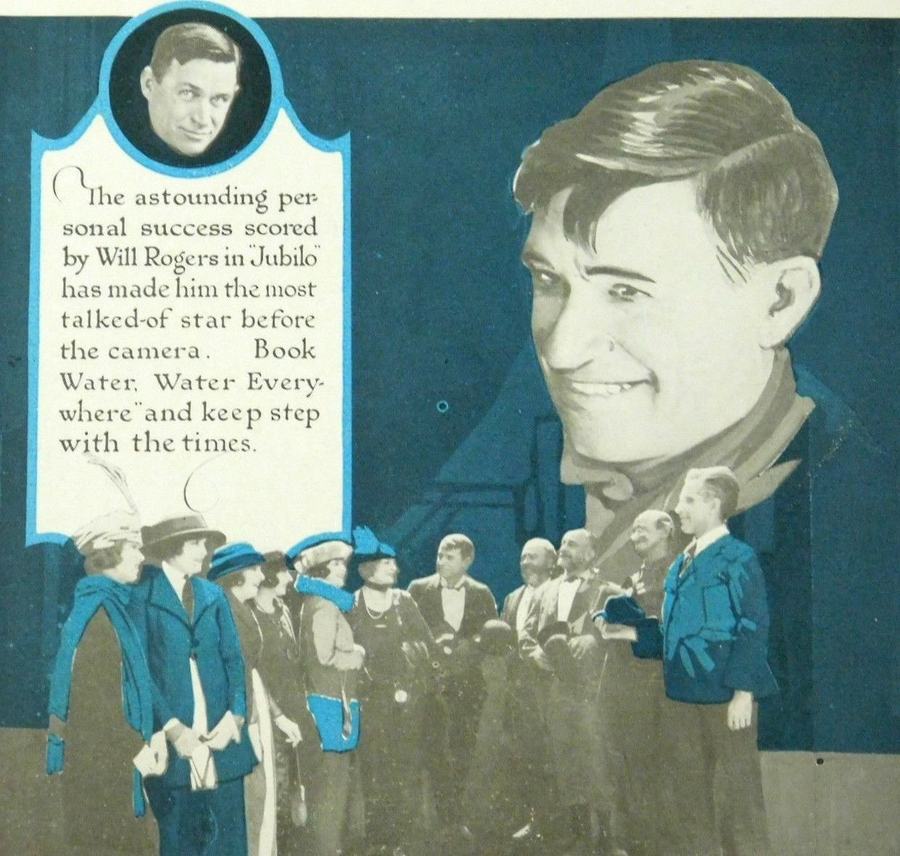
A definitive 5.9/10 rating for a film that redefined the boundaries of cult cinema. Jubilo remains a cornerstone of transgressive art.
Stepping back into the cinematic landscape of 1919, one encounters a peculiar gem, a silent film titled Jubilo, which, despite its age, resonates with a surprising contemporaneity. This isn't merely a relic of a bygone era; it's a profound character study, an exploration of human nature's capacity for evolution, all wrapped in the unassuming narrative of a drifter's unexpected entanglement. Directed by Clarence G. Badger and starring the inimitable Will Rogers, the film transcends its simple premise to deliver a meditation on purpose, community, and the subtle, often unforeseen, catalysts for personal awakening. It’s a testament to the power of early filmmaking to convey complex emotional arcs without uttering a single spoken word, relying instead on the nuanced artistry of its performers and the evocative visual storytelling.
At the heart of this narrative lies Jubilo, portrayed with an effortless charm and underlying depth by Will Rogers. Rogers, a man whose public persona often blurred the lines between actor and philosopher, brings a singular authenticity to the role of a tramp whose defining characteristics are an insatiable appetite and an equally robust aversion to anything resembling gainful employment. His initial portrayal is a masterclass in physical comedy and subtle expression; his eyes, perpetually scanning for an easy meal or a soft spot to rest, speak volumes about a life lived on the fringes, devoid of attachment or aspiration. He embodies a certain American archetype – the free spirit, unburdened by societal expectations, yet simultaneously unmoored by a lack of genuine connection. It's a performance that distinguishes itself from the more overtly dramatic turns seen in contemporaries; Rogers' strength lay in his understated realism, a quality that makes Jubilo's eventual transformation all the more compelling.
Unlike the grand romantic gestures or overt moral dilemmas often depicted in silent films of the period, Jubilo's journey is a gradual unfurling. His initial involvement with the farmer and his daughter isn't born of heroism or obligation, but rather a series of happenstances, each nudging him incrementally towards a deeper engagement. One might consider the stark contrast with a film like The Misleading Lady, where characters are often driven by more explicit, often comedic, external forces. Jubilo’s impetus is far more internal, a slow burn of empathy and dawning realization. Rogers’ ability to convey this internal shift through subtle gestures, a lingering gaze, or a slight shift in posture, is nothing short of remarkable. He doesn't suddenly become a different man; rather, the layers of his indolence are peeled back to reveal a latent capacity for kindness and responsibility.
The catalyst for Jubilo’s metamorphosis is the beleaguered farmer and his resilient daughter, portrayed by Charles K. French and Josie Sedgwick, respectively. Their lives are a stark counterpoint to Jubilo’s carefree existence. The farmer is a portrait of quiet desperation, his back bent by toil, his spirit worn thin by the relentless demands of the land. French delivers a performance of stoic endurance, embodying the archetypal rural patriarch struggling against the unforgiving elements and economic hardship. His weariness is palpable, a silent testament to the ceaseless struggle for survival that characterized much of agrarian life in early 20th-century America. This portrayal of rural fortitude and vulnerability finds echoes in the thematic landscape of films like A Romance of Happy Valley, where the harsh realities of country living often serve as a backdrop for human drama and moral tests.
Josie Sedgwick, as the daughter, brings a refreshing sincerity to the screen. She is not merely a damsel in distress, but a vital, active participant in the farm's survival, imbued with a quiet strength and an unwavering loyalty to her father. Her interactions with Jubilo are particularly illuminating; she sees beyond his ragged exterior and initial laziness, perhaps sensing the dormant decency within him. Her innocence and earnestness are crucial in chipping away at Jubilo's hardened cynicism. The dynamic between these three characters forms the emotional core of the film, creating a microcosm of interdependence where each individual's choices ripple through the others' lives. The film subtly argues that true humanity is often found not in grand gestures, but in the shared burdens and small acts of solidarity that define a community, even a makeshift one.
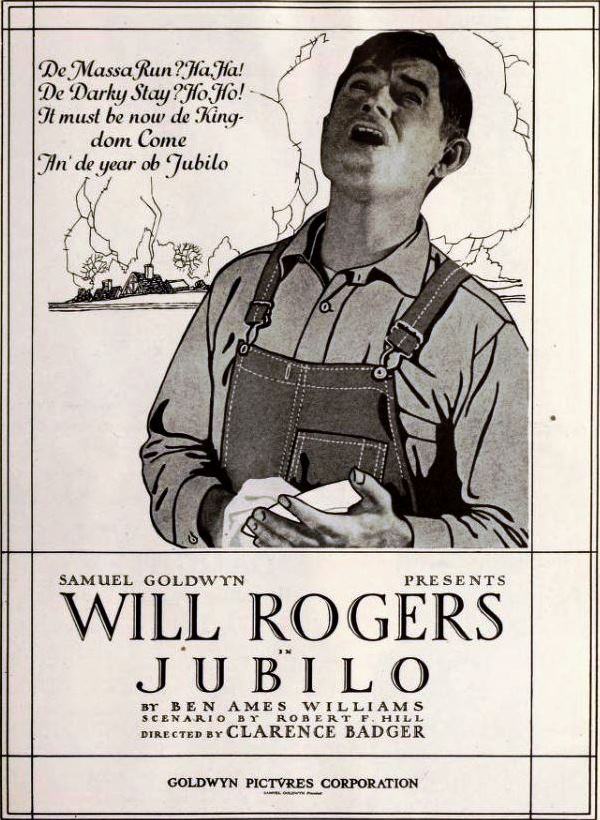
Jubilo delves into several enduring themes with remarkable sensitivity. Foremost among them is the transformative power of purposeful work. Jubilo's initial antipathy towards labor slowly gives way to a nascent understanding of its dignity and necessity. His begrudging contributions to the farm, initially motivated by self-preservation, gradually evolve into genuine effort, fostering a sense of accomplishment and self-worth previously unknown to him. This isn't a simplistic moralizing about the virtues of hard work; it's a nuanced portrayal of how engagement with tangible tasks can anchor a drifting soul and provide a framework for a meaningful existence. The film posits that true freedom isn't the absence of responsibility, but the embrace of it, particularly when it serves a collective good.
"Jubilo's journey from a life of casual detachment to one of profound engagement is a masterclass in silent storytelling, showcasing how the human spirit, even when seemingly dormant, can be roused by the simple, undeniable call of belonging."
The theme of redemption, too, is handled with a delicate touch. Jubilo isn't a villain in need of absolution, but rather a lost soul finding his way. His redemption isn't a sudden, dramatic conversion, but a gradual awakening, a dawning realization that his life can hold more than just fleeting pleasures. This subtle approach to character development stands in contrast to the more overt moral narratives of films like An Innocent Magdalene, where the path to redemption is often fraught with more explicit moral peril and societal judgment. In Jubilo, the redemption is found in the everyday acts of caring, in the quiet commitment to others, rather than in a grand, singular moment of reckoning.
Furthermore, the film subtly explores the concept of belonging. Jubilo, initially an outsider, slowly integrates himself into the fabric of this small, struggling family unit. He finds a place, not through blood ties, but through shared experience and mutual support. This sense of found family, forged in adversity, is a powerful emotional current running through the film. It underscores the universal human need for connection and the profound impact of being seen and valued, even by those with whom one shares no prior history. The film's portrayal of community, albeit a very small one, is deeply affecting, reminding us that even in isolation, human bonds can form and flourish.
Clarence G. Badger’s direction is marked by a clear, unpretentious style that serves the story exceptionally well. He understands the strengths of his star, Will Rogers, allowing him ample space for his characteristic gestures and expressions. The pacing is deliberate, allowing the audience to absorb the emotional weight of each scene and witness the subtle shifts in character. The cinematography, while perhaps not as overtly experimental as some of its European contemporaries, is effective in establishing the rural setting and conveying the mood. Wide shots capture the vastness and often harsh beauty of the agricultural landscape, emphasizing the isolation and the arduous nature of farm life. Close-ups are employed judiciously, highlighting the emotional nuances in the actors' faces, particularly in Rogers' expressive eyes and the weariness etched onto French's features.
The use of intertitles, a critical component of silent cinema, is handled with a deft hand. They are concise and purposeful, providing necessary exposition without over-explaining the visual narrative. Often, Rogers’ physical performance speaks volumes, rendering verbose intertitles unnecessary, a testament to his communicative power as an actor. The film trusts its audience to interpret and connect with the characters on an emotional level, rather than spoon-feeding them every plot detail or internal thought. This reliance on visual storytelling and empathetic performance is a hallmark of superior silent filmmaking, allowing the audience to become an active participant in the narrative's construction.
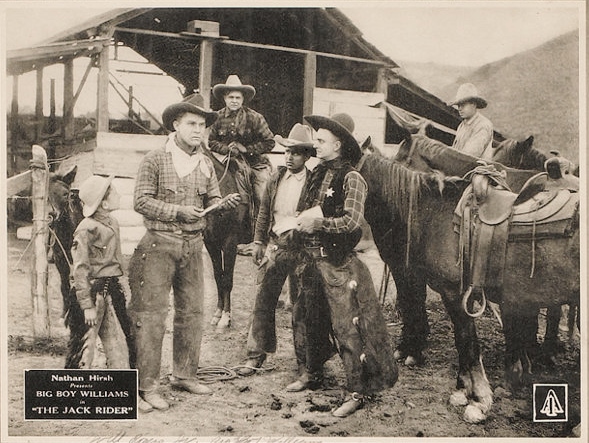
While Will Rogers undeniably anchors Jubilo, the ensemble cast contributes significantly to its richness. Willard Louis, Jim Mason, and Guinn 'Big Boy' Williams, though in supporting roles, add texture to the rural community and the challenges faced by the farmer. Louis, often cast in roles demanding a certain gravitas, likely brings a grounded presence, while Mason and Williams, known for their versatility, would have rounded out the film's supporting cast with believable portrayals of country folk, perhaps as neighbors, rivals, or fellow laborers. Their collective presence helps to build the world around Jubilo and the family, making their struggles and eventual triumphs feel more authentic and impactful. Silent cinema often relied heavily on the collective strength of its character actors to populate its worlds, and Jubilo appears to be no exception, benefiting from a cast that could convey depth and personality through gesture and expression alone.
Jubilo stands as a fascinating artifact of early American cinema, offering insights into the cultural values and narrative sensibilities of its time. It reflects a period when the nation was still grappling with the lingering romanticism of the frontier, even as industrialization pushed many towards urban centers. The film's focus on rural life, self-reliance, and the inherent goodness of ordinary people resonates with a certain American idealism that was prevalent post-World War I. It’s a snapshot of a particular moment, yet its central themes of finding purpose and connection remain timeless. The film, in its quiet dignity, speaks to the universal human search for meaning beyond mere subsistence, a journey that many films, then and now, attempt to capture.
For contemporary audiences, Jubilo offers more than just historical curiosity. It's an opportunity to appreciate the artistry of silent film, to engage with storytelling that demands a different kind of attention. Without the crutch of dialogue, one is compelled to focus on visual cues, on the subtle interplay of expressions, and on the rhythm of the narrative itself. It's a reminder that compelling cinema existed long before synchronized sound, and that the human face, expertly captured, can be the most potent storytelling tool of all. Will Rogers, in particular, demonstrates an extraordinary ability to communicate emotion and character through his unique blend of understated humor and profound sincerity, making Jubilo a performance that should be rediscovered and celebrated.
In an era saturated with bombastic blockbusters and special effects, there's a profound beauty in the simplicity and earnestness of Jubilo. It's a film that asks us to slow down, to observe, and to reflect on the quiet heroism found in everyday struggles and the transformative power of unexpected connections. Its narrative, though seemingly modest, carries a significant emotional punch, leaving a lingering impression of hope and the enduring capacity for human change. It reaffirms that sometimes, the most impactful stories are those that unfold not in grand spectacles, but in the intimate spaces of the human heart, gently nudged towards a new direction by the simple, profound act of caring. This film is a quiet triumph, a humble yet powerful testament to the enduring appeal of human drama, proving that even a tramp can find his true north when given a reason to look beyond himself.
The enduring appeal of such narratives, where an outsider finds a home or a purpose, is a recurring motif in cinematic history. Whether it's the redemption of a morally compromised character or the transformation of an indifferent one, these stories tap into a universal yearning for belonging and meaning. Jubilo masterfully crafts this arc, not with overt melodrama, but with a gentle, observational quality that feels remarkably modern. The film's message, that even the most seemingly unattached individual can find profound purpose through connection and responsibility, remains as potent today as it was a century ago. It's a quiet call to empathy, a subtle reminder that every life, no matter how seemingly insignificant, holds the potential for profound transformation and positive impact on those around them. This is the understated genius of Jubilo, a film that continues to speak volumes without ever uttering a single word.
IMDb 5.1
1921
Community
Log in to comment.