DbcultAccessing Vault...
Cult Review
Senior Film Conservator
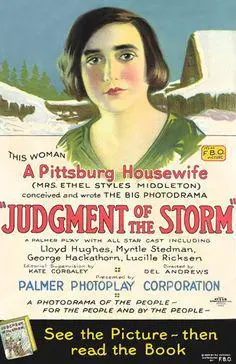
In the rarefied realm of silent cinema, Judgment of the Storm (1924) emerges as a cinematic artifact warranting meticulous scrutiny. This film, penned by Ethel Styles Middleton, presents an intricate tableau of familial dynamics, underscored by themes of guilt, redemption, and the inexorable forces of fate.
The narrative commences with a tragic event: the accidental demise of Dave, the Heath family's scion, within the confines of a surreptitious gambling den. This incident sets off a chain reaction, precipitating an existential crisis in John Trevor, whose romantic involvement with Mary, Dave's sibling, serves as a catalyst for his introspection. The den, ostensibly a locus of recreation, is revealed to be secretly owned by John's affluent mother, whose pecuniary contributions had financed his collegiate endeavors.

As John grapples with the moral implications of his mother's actions, a profound sense of responsibility begins to accrue, compelling him to denounce her publicly. This decision, fraught with consequences, underscores John's nascent awareness of familial duty and his willingness to confront the ramifications of his family's actions. He proffers himself as a substitute for Dave, assuming a quasi-servile role within the Heath household, thereby initiating a transformative odyssey marked by selflessness and personal accountability.
The Heath family, initially recalcitrant towards John's presence, gradually comes to appreciate his intrinsic value. His altruistic actions, particularly during a tempestuous snowstorm wherein he risks his life to rescue the Heath twins, serve as a testament to his character and facilitate his integration into the family. This narrative arc, replete with dramatic tension and emotional depth, invites viewers to contemplate the complexities of human relationships and the vicissitudes of fate.
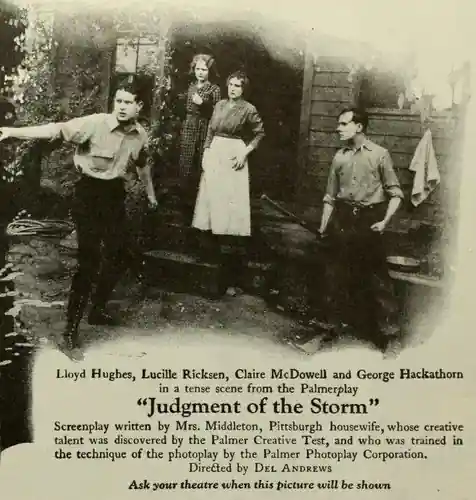
In comparison to contemporaneous films, Judgment of the Storm shares thematic resonances with It Happened to Adele and Revelation, both of which explore the intricacies of human emotion and the consequences of one's actions. However, Judgment of the Storm distinguishes itself through its nuanced portrayal of familial dynamics and the redemptive power of selflessness.
The performances of the cast, including Philo McCullough, Lucille Ricksen, and Frankie Darro, contribute to the film's emotional resonance, imbuing their characters with a depth and complexity that underscores the narrative's thematic concerns. The cinematography, though silent, effectively conveys the turmoil and pathos inherent to the story, rendering the viewing experience both poignant and cathartic.
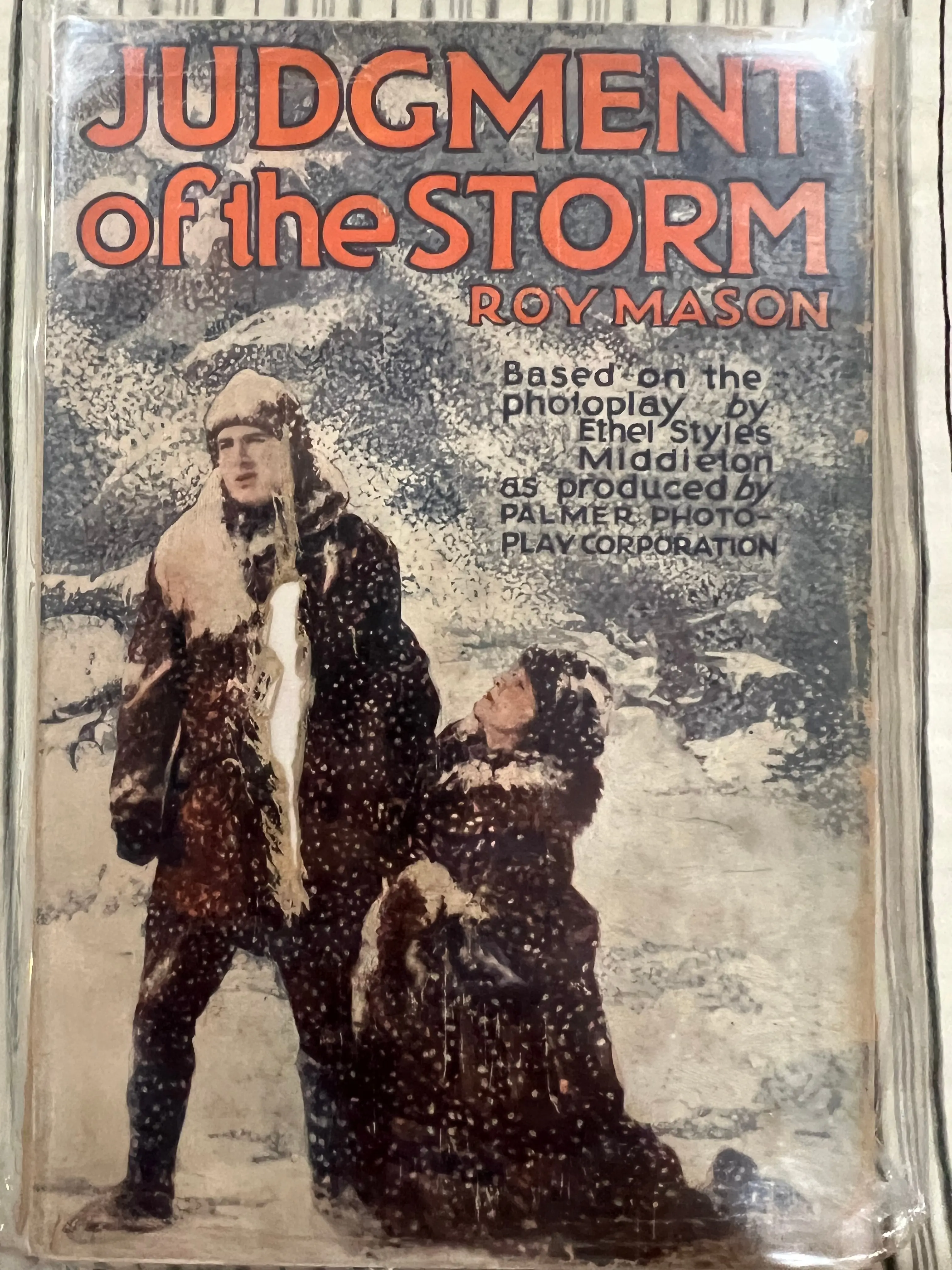
In conclusion, Judgment of the Storm constitutes a landmark of silent cinema, offering a profound exploration of guilt, redemption, and the human condition. Through its intricate narrative and thematic resonance, this film invites viewers to engage in a meaningful dialogue with the past, ensuring its continued relevance within the cinematic canon.
Ultimately, Judgment of the Storm serves as a testament to the enduring power of cinema to illuminate the human experience, inviting audiences to reflect upon the complexities of existence and the transformative potential of selflessness.

IMDb 5.2
1933
Community
Log in to comment.