DbcultAccessing Vault...
6/10
Senior Film Conservator
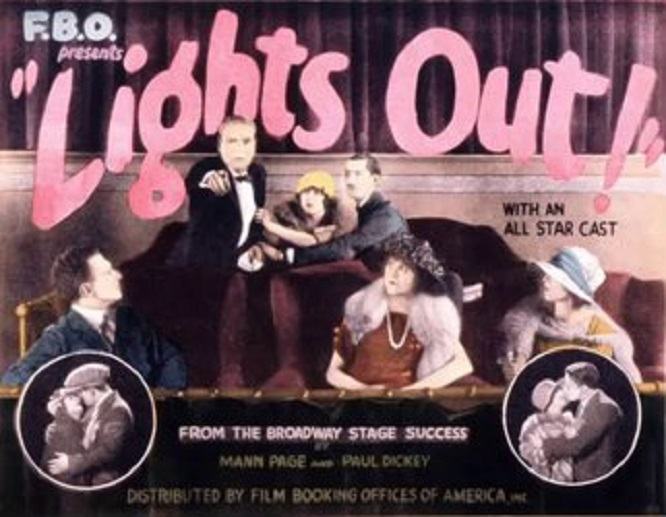
A definitive 6/10 rating for a film that redefined the boundaries of cult cinema. Lights Out remains a cornerstone of transgressive art.
The film Lights Out is a cinematic tapestry that intricately weaves together the lives of its characters, set against the backdrop of a gritty underworld. With its release, the movie garnered significant attention for its unflinching portrayal of the darker aspects of human nature. At the heart of the narrative lies the unlikely alliance between Egbert Winslow, the owner of the suitcase, and Sea Bass, one of the thieves. This partnership is forged when Winslow, recognizing the potential of the scenarios in his suitcase, proposes that Sea Bass assist him in writing a screenplay about the underworld.
As the story progresses, it becomes apparent that Sea Bass has an ulterior motive for participating in the project. His desire for revenge against 'High-Shine' Joe, who has double-crossed him, drives the plot forward. Through the screenplay, Sea Bass meticulously crafts a character based on Joe, exposing his nefarious activities to the world. This bold move sets off a chain reaction, as Joe, upon seeing the film in a South American theater, becomes hell-bent on seeking revenge against Winslow.
The film's climax is a masterclass in suspense, as Joe's deadly intentions are countered by the timely arrival of bank president Peyton and the police. This unexpected turn of events not only saves Winslow's life but also serves as a testament to the enduring power of justice. The Madame Sphinx and A Daughter of 'the Law' also explore similar themes of crime and redemption, albeit in distinctly different contexts.
One of the standout aspects of Lights Out is its thoughtful pacing, which allows the audience to become fully immersed in the world of the characters. The film's use of sea blue tones in certain scenes serves to heighten the sense of tension, drawing the viewer into the midst of the action. In contrast, the yellow hues that permeate other scenes add a touch of warmth, underscoring the complexities of the characters' emotions.
The performances of the cast, including Ruth Stonehouse and Theodore von Eltz, bring a level of depth to the film that is noteworthy. Their portrayals of the characters are nuanced and multifaceted, adding richness to the narrative. The chemistry between the actors is palpable, making their interactions on screen a joy to watch. In comparison to other films of the era, such as The Birth of Character and The World and Its Woman, Lights Out stands out for its unflinching portrayal of the human condition.
In terms of its themes, Lights Out explores the complexities of the human experience, laying bare the flaws and weaknesses that define us. The film's use of dark orange tones in certain scenes serves to underscore the sense of urgency, highlighting the consequences of the characters' actions. This is particularly evident in the film's climax, where the stakes are raised, and the characters are forced to confront the repercussions of their decisions.
The screenplay, penned by Rex Taylor, Paul Dickey, and Mann Page, is a masterful blend of suspense, drama, and intrigue. The writers' use of language is economical, yet evocative, painting a vivid picture of the world in which the characters inhabit. The dialogue is crisp and natural, adding to the overall sense of realism that pervades the film. In comparison to other films, such as A Canção da Primavera and The Faithful Heart, Lights Out is notable for its taut, well-constructed narrative.
The film's technical aspects, including its cinematography and editing, are also worthy of note. The use of lighting and shadow adds a layer of depth to the film, highlighting the characters' emotions and motivations. The editing is seamless, moving the story forward with a sense of purpose and direction. In comparison to other films of the era, such as Wanted a Wife and The House of Whispers, Lights Out is notable for its technical proficiency.
In conclusion, Lights Out is a film that lingers in the mind long after the credits have rolled. Its thought-provoking themes, coupled with its taut narrative and strong performances, make it a must-see for fans of the genre. The film's influence can be seen in later works, such as The Governor and Jan Vermeulen, der Müller aus Flandern, a testament to its enduring legacy. As a work of cinematic art, Lights Out is a true masterpiece, one that continues to captivate audiences with its timeless themes and universal appeal.
The film's exploration of the human condition, with all its complexities and flaws, is a powerful reminder of the importance of empathy and understanding. The characters, with their multifaceted personalities and motivations, are relatable and engaging, making it easy to become fully invested in their stories. The The Foundling and I my kak liudi also explore similar themes, albeit in different contexts. The use of sea blue tones in certain scenes adds a touch of melancholy, underscoring the sense of longing and loss that pervades the narrative.
In terms of its historical significance, Lights Out is a film that reflects the societal attitudes and values of its time. The movie's portrayal of the underworld, with its corrupt officials and ruthless criminals, is a commentary on the social ills of the era. The film's use of dark orange tones in certain scenes serves to highlight the sense of urgency, underscoring the need for change and reform. The Velvet Fingers and It Takes a Crook also explore similar themes, albeit in different contexts.
The film's influence can be seen in later works, such as Der Weltspiegel, a testament to its enduring legacy. As a work of cinematic art, Lights Out is a true masterpiece, one that continues to captivate audiences with its timeless themes and universal appeal. The movie's exploration of the human condition, with all its complexities and flaws, is a powerful reminder of the importance of empathy and understanding. The characters, with their multifaceted personalities and motivations, are relatable and engaging, making it easy to become fully invested in their stories.
IMDb 6
1935
Community
Log in to comment.