DbcultAccessing Vault...
Cult Review
Senior Film Conservator
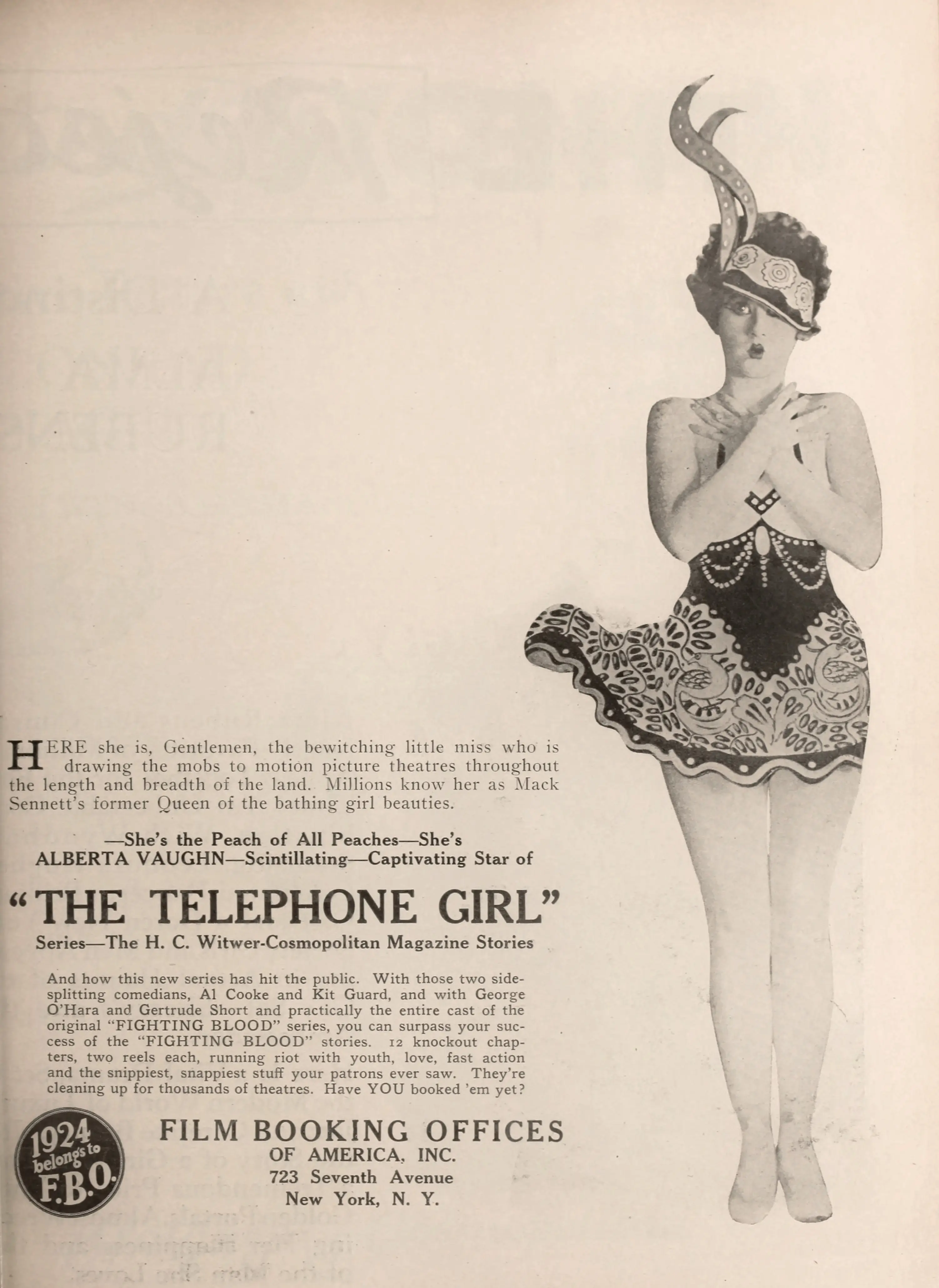
Ah, the silent era! A time when storytelling was a ballet of expressions, a symphony of gestures, and the magic of cinema unfolded without the crutch of dialogue. Among the myriad treasures, some shine brighter, some linger in the periphery, and then there are those like 'Julius Sees Her' – a film that, despite its potential for uproarious comedy and a fascinating creative lineage, often finds itself whispered about rather than loudly celebrated. Released at a pivotal moment in Hollywood's nascent development, this picture offers a tantalizing glimpse into the comedic sensibilities of its time, propelled by a simple yet endlessly fertile premise: a troupe of English theater actors descends upon a hotel, turning its quiet corridors into an impromptu stage for their larger-than-life personalities.
The very idea conjures images of delightful chaos. Picture it: the reserved elegance of a hotel lobby suddenly invaded by a whirlwind of dramatic flair, exaggerated accents (even if unheard), and the inherent theatricality that clings to performers like a second skin. It’s a setup ripe for misunderstanding, romantic entanglement, and the kind of farcical mayhem that the silent screen excelled at. The clash of cultures, the collision of stage mannerisms with everyday decorum, and the inevitable romantic entanglements that blossom in such close quarters – all these elements are the ingredients for a truly engaging cinematic experience. And while 'Julius Sees Her' might not be a household name today, its very existence, and the talent behind it, beckons us to re-evaluate its place in the comedic firmament of early cinema.
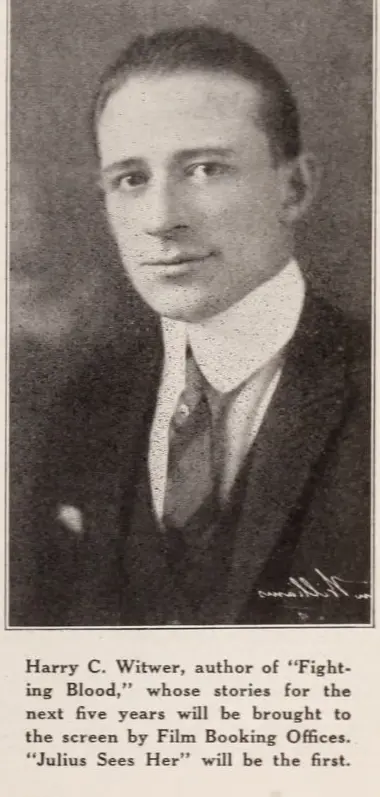
The creative forces behind this film are, in themselves, a compelling reason to delve deeper. Penned by H.C. Witwer, George Marion Jr., and none other than Darryl F. Zanuck in his formative years, the screenplay undoubtedly benefited from a blend of wit and an eye for commercial appeal. Zanuck, who would later become one of Hollywood's most formidable moguls, was already honing his craft in these early days, understanding the mechanics of storytelling and audience engagement. One can almost detect the nascent genius, the early glimmers of a mind that would shape cinematic landscapes for decades to come, even in a seemingly straightforward comedy. His involvement alone suggests a certain level of craftsmanship and an ambition to entertain that transcended mere slapstick, hinting at character-driven humor and cleverly constructed plot points.
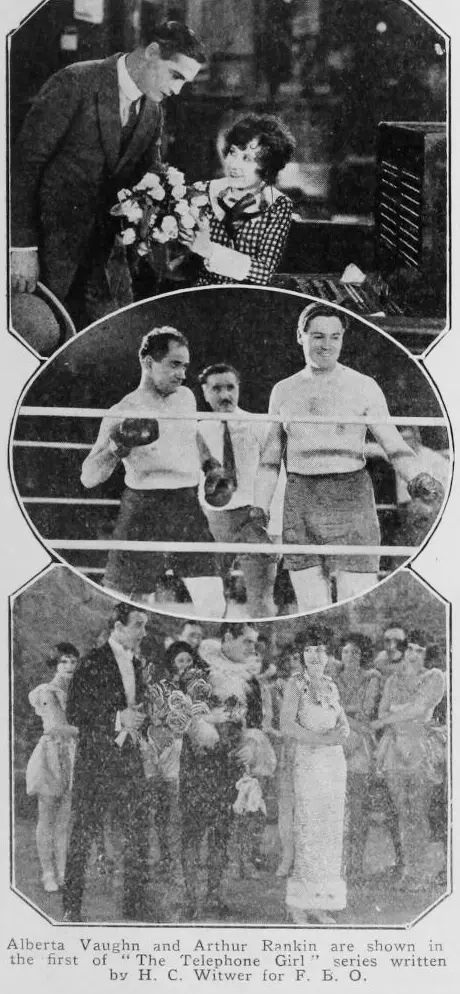
The cast, too, presents an intriguing ensemble. Arthur Rankin and Douglas Gerrard lead the charge, likely embodying the archetypes of the leading man and the comedic foil, respectively. Silent film actors possessed a unique skill set, relying solely on their physical presence, their facial expressions, and their command of pantomime to convey emotion and narrative. Rankin, known for his versatility, would have brought a certain gravitas or perhaps a charming earnestness to his role, while Gerrard, often a reliable presence in comedies, would have been adept at extracting laughs through his gestures and reactions. Their interplay, the silent back-and-forth, would have been central to the film's comedic rhythm, a dance of exaggerated movements and perfectly timed glances.
Then there's Alberta Vaughn, a starlet of the era, whose presence would have added a touch of glamour and likely served as the romantic interest or perhaps a spirited ingenue caught in the theatrical whirlwind. Vaughn's ability to project innocence, charm, or even a mischievous spark without uttering a single word was a testament to her talent. The supporting players – Kit Guard, Al Cooke, Charles King, and Gertrude Short – would have filled out the troupe, each contributing their own distinct flavor to the ensemble. Guard and Cooke, often seen in comedic roles, would have been instrumental in the film's broader physical humor, while King and Short would have rounded out the dynamic, perhaps playing the more stoic or the more flamboyant members of the theatrical company. The collective energy of these performers, under the direction of an unseen hand, would have been crucial in translating the script's potential into palpable on-screen hilarity.
The very concept of a theatrical troupe operating outside their natural habitat, the stage, offers a rich vein for exploration. These are individuals for whom life is a performance, where emotions are amplified, and every interaction carries a dramatic weight. When transplanted into the comparatively mundane setting of a hotel, their inherent theatricality would naturally clash with the expectations of quiet decorum. Imagine a character delivering a soliloquy-like speech to a bewildered bellhop, or a grand romantic declaration being interrupted by a chambermaid. The humor arises from this incongruity, from the collision of two vastly different worlds. It’s a theme that resonates even today, the idea of people being 'on stage' in their daily lives, exaggerating their roles, and navigating the social scripts expected of them.
In some ways, 'Julius Sees Her' might share thematic undercurrents with other films that explore the lives of performers or individuals out of their element. While not a direct comparison in terms of plot, one might find a distant echo in the human drama of films like The Old Nest, which, though focusing on the trials of familial life, also delves into the poignant realities of human experience and adaptation, albeit in a more serious vein. Here, the adaptation is comedic, the struggle is to maintain a facade or simply to exist in a world that isn't always ready for their particular brand of exuberance.
The film's exploration of hotel life, too, is a classic cinematic trope. Hotels, by their very nature, are transient spaces, melting pots of disparate lives briefly intersecting. For a theatrical troupe, a hotel isn't just a place to sleep; it's an extension of their nomadic existence, a temporary home where rehearsals might spontaneously break out in the lounge, and dramatic confrontations could unfold in the dining room. This setting provides an ideal backdrop for the kind of confined, yet expansive, humor that silent comedies often excelled at. The claustrophobia of shared spaces, the thin walls, and the constant potential for eavesdropping or accidental encounters are all comedic goldmines, expertly mined by films of this era.
The comedic timing in silent films was an art form in itself. Without dialogue to guide the audience, the actors' movements, the director's cuts, and the intertitles had to be meticulously choreographed. 'Julius Sees Her' would have relied heavily on this precision, building gags with escalating tension and payoffs that were both visually striking and emotionally resonant. One can envision a sequence where a misunderstanding spirals out of control, perhaps involving mistaken identities or a prop from the stage being used in a real-life hotel emergency. The film's title itself, 'Julius Sees Her,' hints at a central romantic or observational plot point, perhaps a character named Julius who becomes entangled with, or captivated by, one of the actresses, adding a layer of romantic comedy to the broader farce. This narrative hook would have been vital in grounding the episodic chaos within a coherent emotional arc.
Considering the era, the film also serves as a cultural artifact. It reflects the popular entertainment of the time, the kinds of humor that resonated with audiences, and the societal attitudes towards performers. English actors, in particular, often held a certain exotic appeal to American audiences, their perceived refinement or eccentricity providing an additional layer for comedic exploitation. The film's depiction of their antics, therefore, would have played into contemporary stereotypes in a lighthearted, entertaining way, celebrating their unique charm while gently poking fun at their theatrical excesses.
The influence of writers like Witwer and Marion Jr., combined with Zanuck's burgeoning talent, suggests a script that was more than just a series of gags. It likely possessed a structure, character development, and a narrative drive that elevated it beyond mere physical comedy. While the plot description is minimal, the presence of such seasoned storytellers implies a thoughtful construction, even for a comedy. They understood the rhythm of silent storytelling, the importance of visual gags intertwined with character motivations, and the power of a well-placed intertitle to deliver a punchline or advance the plot.
Comparing 'Julius Sees Her' to other comedies of the era can be illuminating. For instance, the chaotic energy and the theme of individuals navigating unusual circumstances might draw a parallel to the lighthearted escapades found in Dodging a Million, where characters frequently find themselves in absurd situations requiring quick wits and even quicker feet. Or perhaps the subtle social commentary, masked by humor, could be likened to the way The Stimulating Mrs. Barton played with societal norms through its titular character, even if 'Julius Sees Her' leans more towards outright farce. The common thread in these silent comedies is the ingenious use of visual storytelling to convey complex emotions and intricate plot points without a single spoken word, a testament to the artistry of the period.
The legacy of 'Julius Sees Her,' like many silent films, is one that often requires a bit of archaeological effort to fully appreciate. Many films from this period are lost, fragmented, or exist only in obscure archives, making a comprehensive analysis challenging. However, even with limited access, the premise and the creative team speak volumes. It represents a moment when cinema was rapidly evolving, experimenting with genre, and discovering its own unique language. The film's ability to extract humor from the everyday, to find the dramatic in the domestic, and to celebrate the eccentricities of human nature, is a timeless quality that transcends its silent origins.
In conclusion, 'Julius Sees Her' stands as a fascinating, if somewhat elusive, piece of silent cinema. Its simple yet potent premise – a theatrical troupe disrupting the peace of a hotel – provides a canvas for rich comedic interplay, character-driven humor, and the timeless appeal of human foibles. With a cast adept at the nuanced art of silent performance and a writing team that included a future titan of Hollywood, the film likely delivered a delightful spectacle of misunderstandings, romantic escapades, and the sheer joy of watching larger-than-life characters navigate a world not quite ready for their dramatic flair. It is a film that, even from its synopsis, promises a generous dose of laughter and a charming reminder of the ingenious ways early filmmakers captivated audiences without uttering a single word. A true testament to the inventive spirit of an era, it beckons for a renewed appreciation, a deeper dive into its comedic heart, and a recognition of its quiet, yet undeniable, contribution to the tapestry of film history. It's a film that, much like its theatrical characters, deserves to be seen and applauded, not merely whispered about in the annals of forgotten cinema.
IMDb —
1927
Community
Log in to comment.