
DbcultAccessing Vault...
Cult Review
Senior Film Conservator
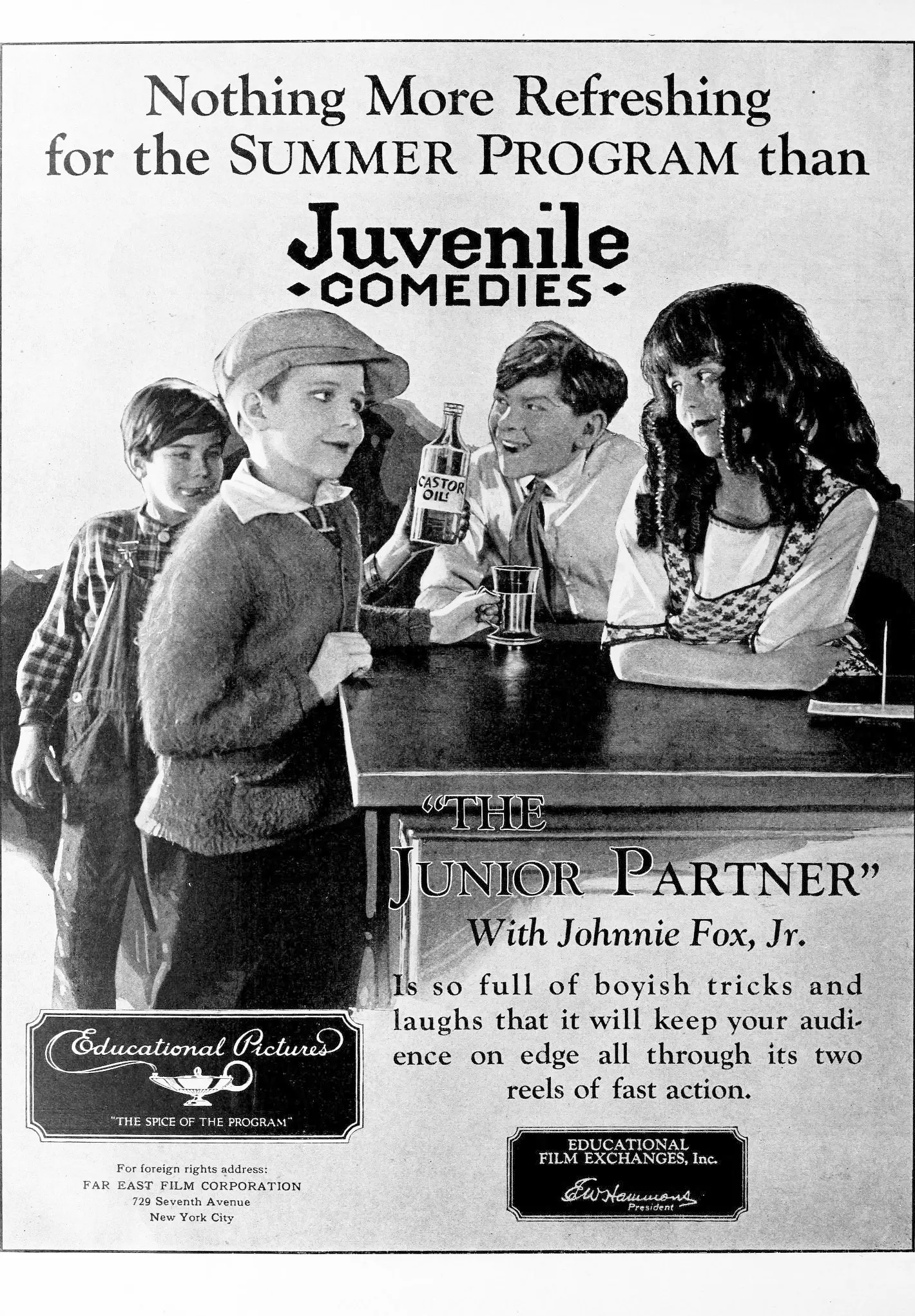
In the annals of early cinema, where narratives often hinged on grand melodramas or thrilling adventures, there existed a quiet, yet persistent, current of everyday comedy. These were the films that found humor in the mundane, joy in the jumble, and character in the charmingly chaotic. Among these delightful relics, 'Junior Partner' stands as a testament to the timeless appeal of a simple premise: a well-meaning young man, Johnny, whose every effort to assist in his father's general store seems destined to spiral into a fresh comedic calamity. This is not merely a film about a boy making mistakes; it is an eloquent, albeit wordless, discourse on the nature of youthful exuberance, the trials of paternal patience, and the inherent theatricality of a bustling mercantile environment.
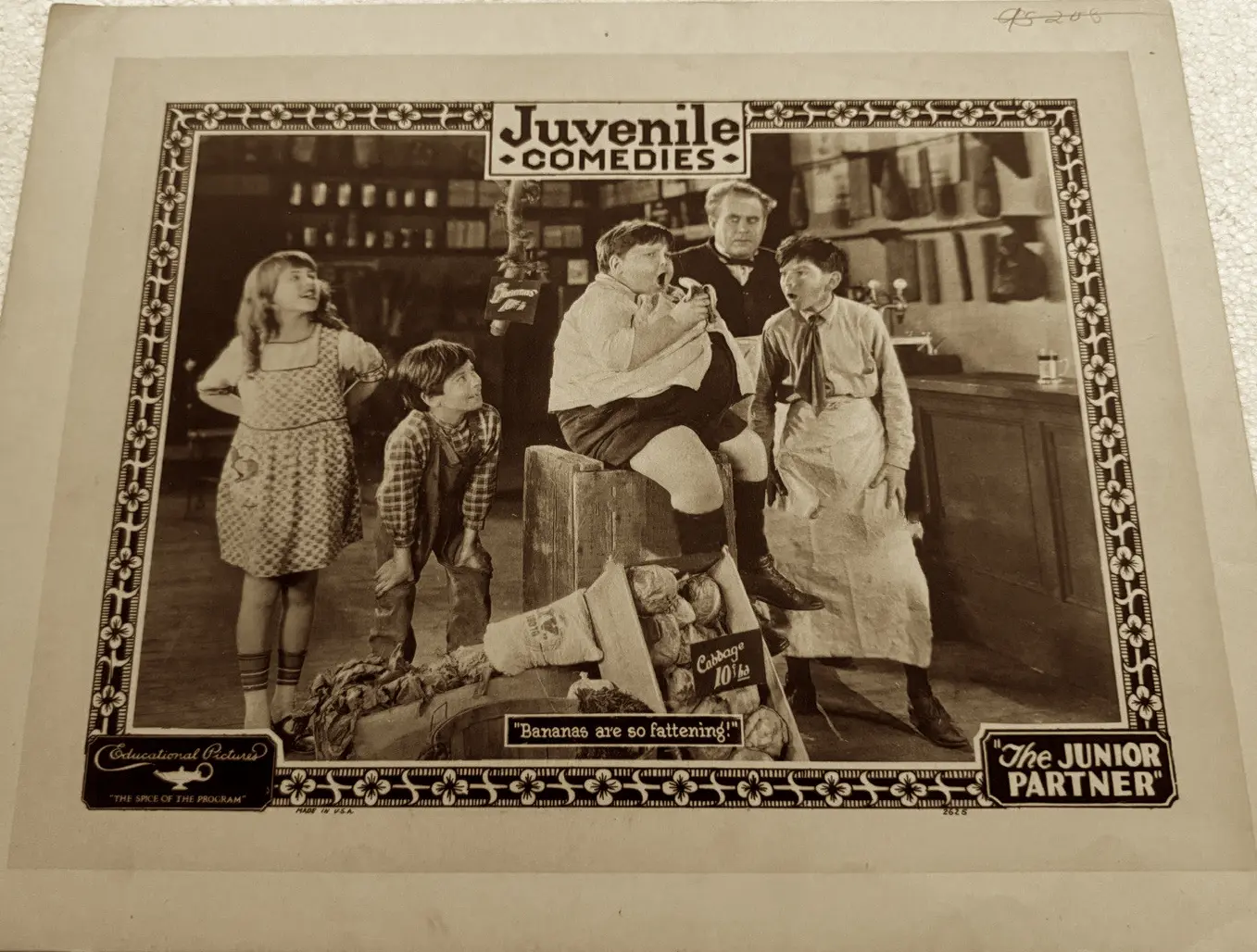
At the heart of 'Junior Partner' is Robert Gordon's captivating portrayal of Johnny. Gordon, with an expressive face and a natural knack for physical comedy, imbues Johnny with a crucial ingredient: sincerity. This isn't a malicious troublemaker; rather, Johnny is a fount of earnest intentions, each one paving the road to an unexpected pratfall or a spectacular spill. His movements are often a whirlwind of uncoordinated energy, transforming simple tasks like stocking shelves or serving customers into elaborate, unintended ballets of disarray. We witness a young man grappling with the complexities of adult responsibility, his enthusiasm consistently outweighing his dexterity. The humor stems not from his deliberate sabotage, but from the sheer, unadulterated inevitability of his blunders, a comedic rhythm that feels both universal and deeply personal. It's a character archetype that resonates across generations, echoing the struggles of anyone who has ever tried their best only to find themselves entangled in a web of their own making.
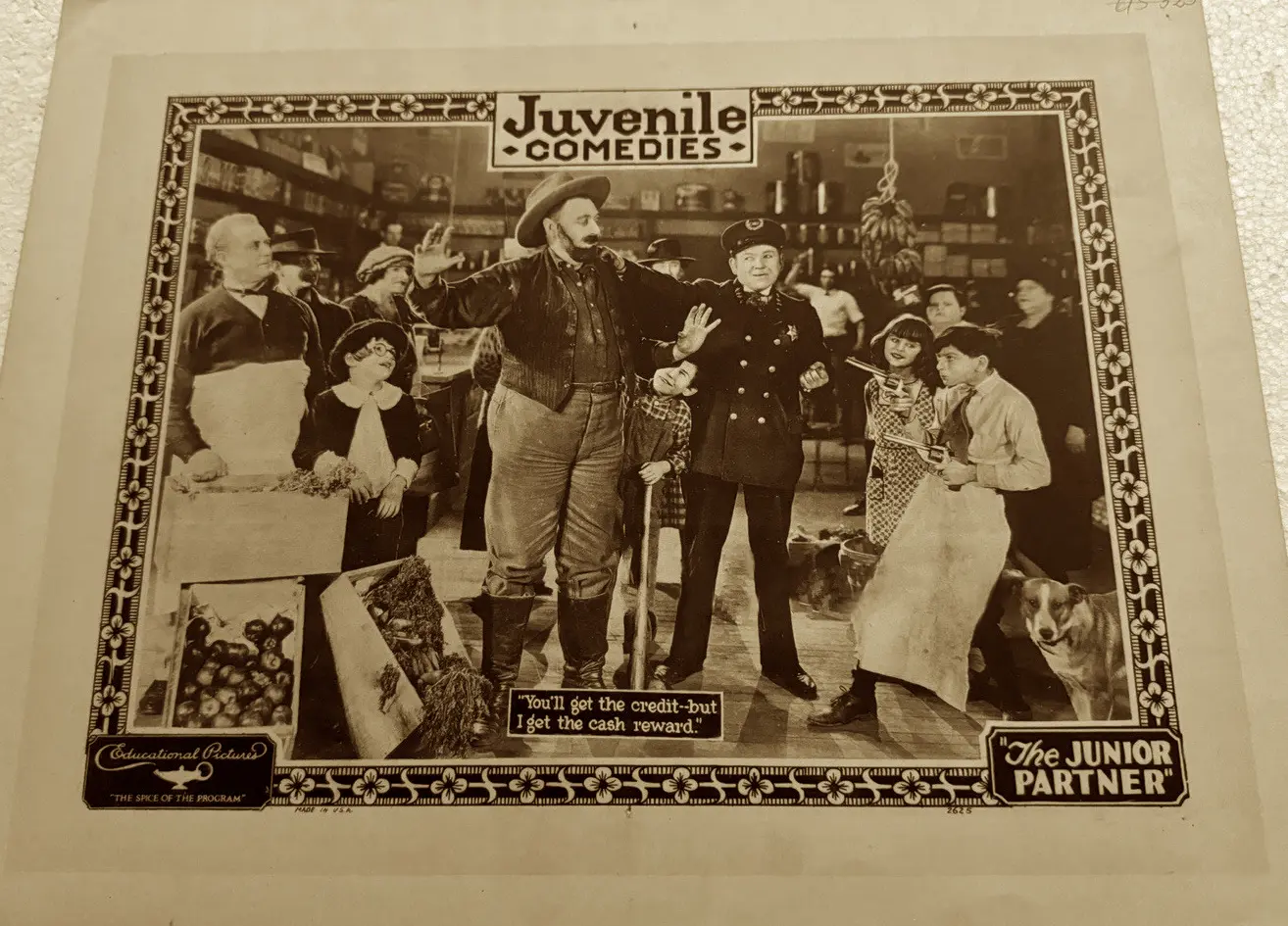
The setting of his father's general store is nothing short of brilliant for this kind of comedic narrative. A general store, by its very nature, is a repository of a thousand small, breakable, spillable, and misplaceable items. It's a sensory overload, a visual feast of stacked goods, barrels, sacks, and sundry necessities. For a character like Johnny, it becomes a veritable playground for accidental destruction. Every shelf is a potential avalanche, every customer interaction a delicate dance on the precipice of chaos. The film cleverly utilizes this environment, transforming ordinary objects into comedic props. A bag of flour becomes a cloud of white dust, a stack of cans a cacophony of clatter, and a simple transaction a convoluted negotiation of misplaced change and confused orders. The store isn't just a backdrop; it's an active participant in Johnny's misadventures, a silent co-conspirator in the unfolding comedy. This meticulous attention to setting allows for a constant stream of visual gags, keeping the audience engaged and anticipating the next inevitable mishap.
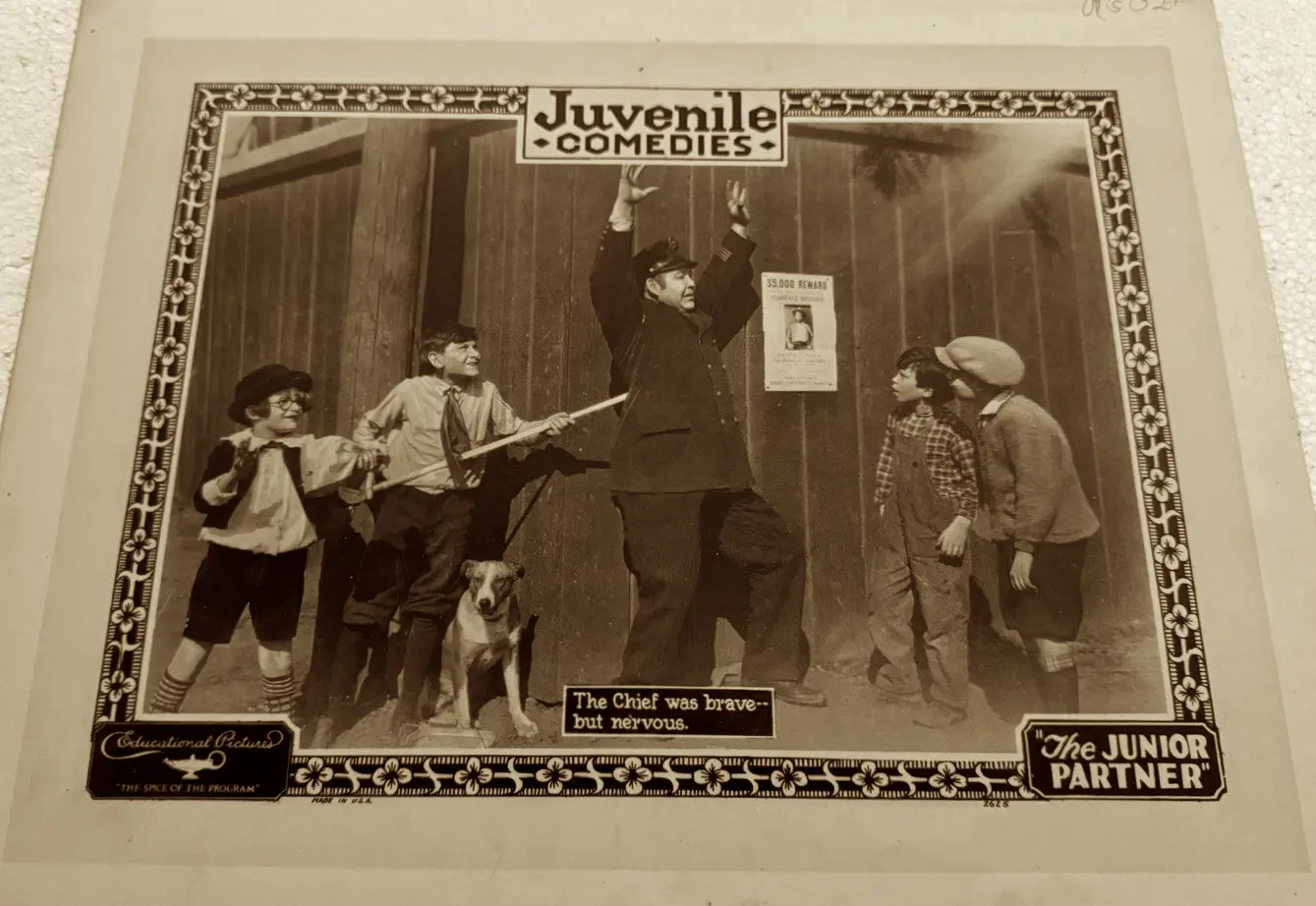
While Robert Gordon carries the central comedic burden, the film's effectiveness is significantly bolstered by the reactions and performances of the supporting cast. Tommy Hicks, presumably portraying the long-suffering father, delivers a masterclass in controlled exasperation. His expressions range from bewildered disbelief to a deep, weary sigh, a silent testament to years of dealing with Johnny's well-intentioned chaos. This paternal figure isn't cruel; he's simply tired, yet underneath it all, a current of affection and understanding for his son's spirit is palpable. Peggy Cartwright, Johnny Fox, Jack McHugh, and Roger Keene, filling out the roles of various customers and townspeople, provide the perfect foils for Johnny's antics. Their reactions – shock, amusement, annoyance, or sometimes a resigned acceptance – serve to amplify the humor. A customer's meticulously chosen item suddenly tumbling to the floor, or a carefully counted sum of money being swept away in a gust of Johnny's clumsiness, elicits a spectrum of human responses that are universally relatable. These aren't just background characters; they are mirrors reflecting the audience's own incredulity and amusement, making the comedic situations feel more grounded and authentic.
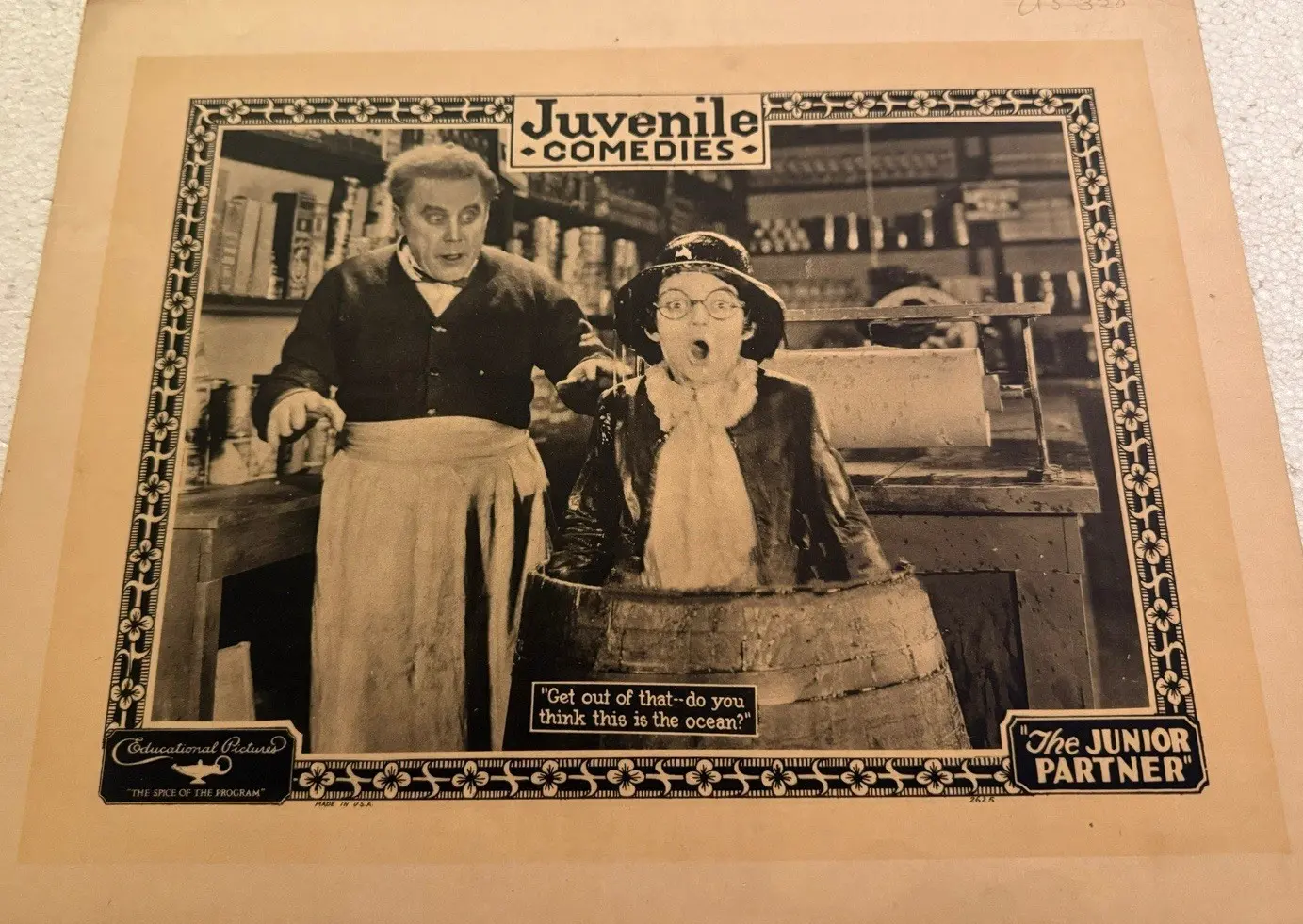
As a product of the silent era, 'Junior Partner' relies heavily on visual storytelling and the exaggerated, yet nuanced, performances characteristic of the period. The absence of spoken dialogue forces a heightened reliance on facial expressions, body language, and carefully orchestrated physical gags. The film's pacing is brisk, moving from one comedic incident to the next with an efficiency that belies its simple narrative. Intertitles are used sparingly, serving primarily to set the scene or convey essential plot points, allowing the visual action to speak for itself. This technique, a hallmark of early cinema, is particularly effective in comedy, where the immediate visual impact of a pratfall or a bewildered glance transcends any linguistic barrier. Directors of this era mastered the art of conveying complex emotions and intricate comedic timing through purely visual means, a skill 'Junior Partner' demonstrates with admirable clarity. The film's visual wit is a vibrant reminder of the ingenuity required to engage audiences without the benefit of sound, a challenge that often led to incredibly inventive and expressive filmmaking.
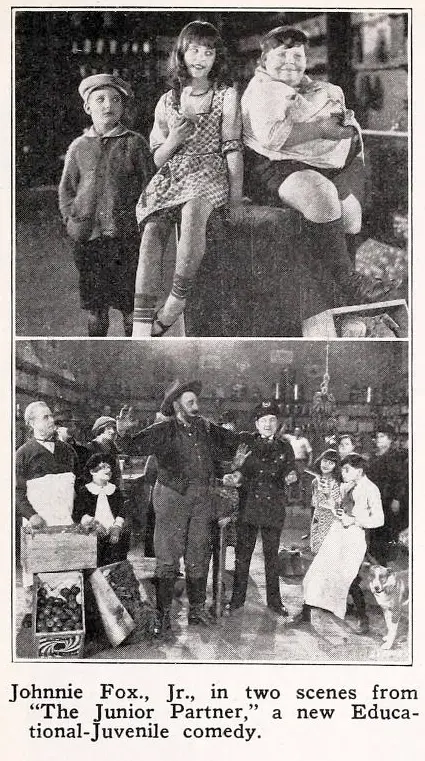
While seemingly a modest production, 'Junior Partner' fits comfortably within a rich tradition of comedic cinema, both contemporary and historical. Its central theme of a well-meaning individual inadvertently causing a cascade of problems finds parallels in numerous other works. One might draw a comparison to the delightful chaos found in films like Dodging a Million, where intricate schemes unravel into glorious disarray, or even the character-driven mishaps of a film such as Mr. Opp, where the protagonist's eccentricities lead to a constant stream of comical predicaments. The essence of the 'bungler' as a comedic figure is a timeless one, and Johnny embodies it with youthful vigor. The familial dynamic, too, echoes in various forms across cinematic history; while 'Junior Partner' offers a lighthearted take, the complex relationship between a parent and a child navigating the latter's journey to independence is a perennial theme, albeit often explored with more dramatic weight, as seen in films like The Old Nest, which explores the poignant aspects of family bonds and generational shifts.
Furthermore, the film's straightforward narrative and focus on situational comedy align with the directness often found in early short films. Consider the unpretentious charm of The Skipper's Narrow Escape, which, despite its adventurous premise, similarly relies on clear, concise visual storytelling to engage its audience. These films often prioritized immediate entertainment and clear character motivations, traits that 'Junior Partner' executes with commendable skill. Even when juxtaposed against more ambitious productions of its time, such as the epic scale of The Queen of Sheba, 'Junior Partner' reminds us that cinematic impact isn't solely determined by budget or spectacle, but by the effectiveness of its storytelling and the resonance of its characters. Its humor, while rooted in physical comedy, also possesses a subtle wit, a kind of knowing wink at the audience that anticipates the inevitable. This blend of broad physical humor and character-driven charm is a delicate balance, one that many comedies, then and now, strive to achieve.
What makes 'Junior Partner' continue to resonate with viewers decades after its initial release? It’s more than just nostalgic charm; it’s the universal recognition of the human condition in its most vulnerable, often comical, state. Johnny represents the part of all of us that tries, often fails, and somehow keeps going. His story is a gentle reminder that perfection is an illusion and that life, especially in its early stages, is often a messy, hilarious process of trial and error. The film doesn’t preach; it simply observes, inviting us to laugh alongside its characters rather than at them. The relationship between Johnny and his father, despite the constant stream of minor disasters, is one rooted in an unspoken understanding and love, a warmth that underpins the surface-level exasperation. This emotional authenticity elevates 'Junior Partner' beyond mere slapstick, giving it a heart that beats with genuine human connection.
In an era where digital effects and complex narratives often dominate, 'Junior Partner' serves as a refreshing reminder of the power of simplicity. Its humor is innocent yet sophisticated in its execution, relying on well-timed visual gags and the expressive talents of its cast. The general store, brimming with potential for minor catastrophes, becomes a stage for a beautifully choreographed dance of disarray. The film captures a slice of life from a bygone era, yet its themes—the challenges of growing up, the dynamics of family, and the universal comedy of human fallibility—remain perpetually relevant. It’s a delightful cinematic confection, proving that sometimes, the most profound laughter comes from the most unassuming of places and the most accidental of protagonists. 'Junior Partner' is not just a film; it is a charming, effervescent snippet of cinematic history that continues to bring a smile to faces, a testament to the enduring power of well-crafted, good-hearted comedy.