DbcultAccessing Vault...
7.3/10
Senior Film Conservator
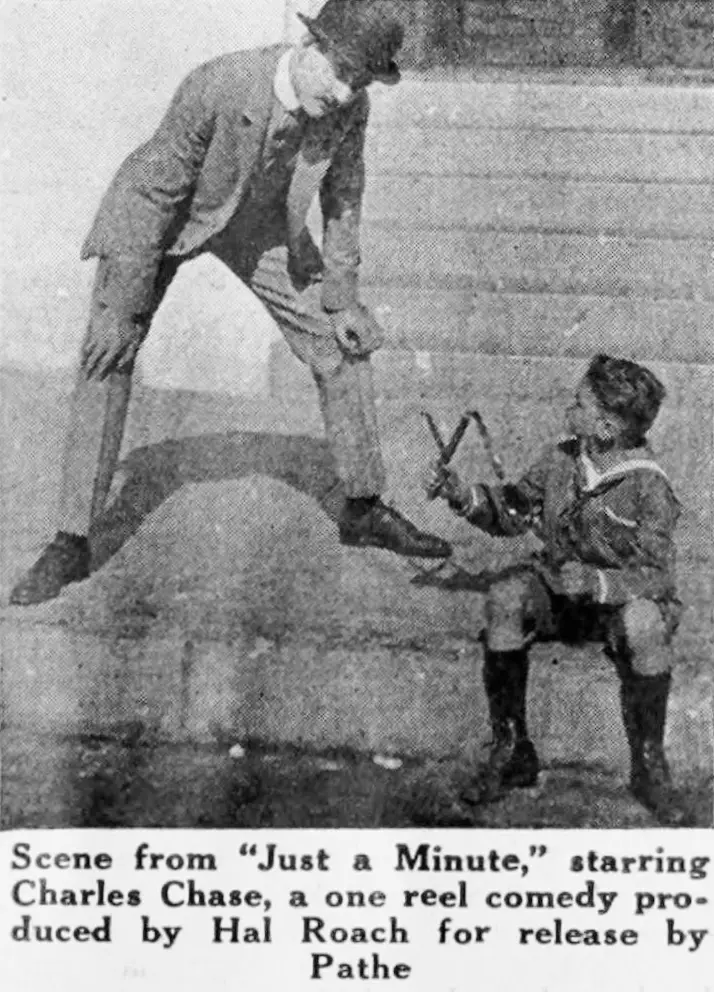
A definitive 7.3/10 rating for a film that redefined the boundaries of cult cinema. Just a Minute remains a cornerstone of transgressive art.
Charley Chase, the master of physical comedy, stars in 'Just a Minute' (1924) as Jimmy Jump, a car salesman whose life takes an unexpected and entertainingly chaotic turn. The narrative opens with a scene of typical domestic bliss, where Jimmy is about to be married. However, his boss orders him to show the Mayor a new car, setting the stage for a series of misadventures that test Jimmy's wit and resilience.
The minute Jimmy leaves his fiancée on the corner, the plot thickens. Instead of one minute, his departure extends into a prolonged period, during which his intended marries another man. This twist is not just a simple plot device but a clever way to highlight the comedic and dramatic tension. Jimmy, now with a renewed sense of purpose and a touch of desperation, embarks on a journey that is as much about reconciliation as it is about comedic escapades.
Through a series of mishaps and misunderstandings, Jimmy's attempts to win back his fiancée and maintain his job add layers to his character. The film is not just a showcase of Chase's physical prowess but also a testament to his ability to convey emotional depth through subtle gestures and expressions. The scenery, while simple, enhances the narrative with its ability to shift from the urban hustle of the city to the serene backdrop of the picnic, each setting contributing to the comedic and dramatic arcs of the story.
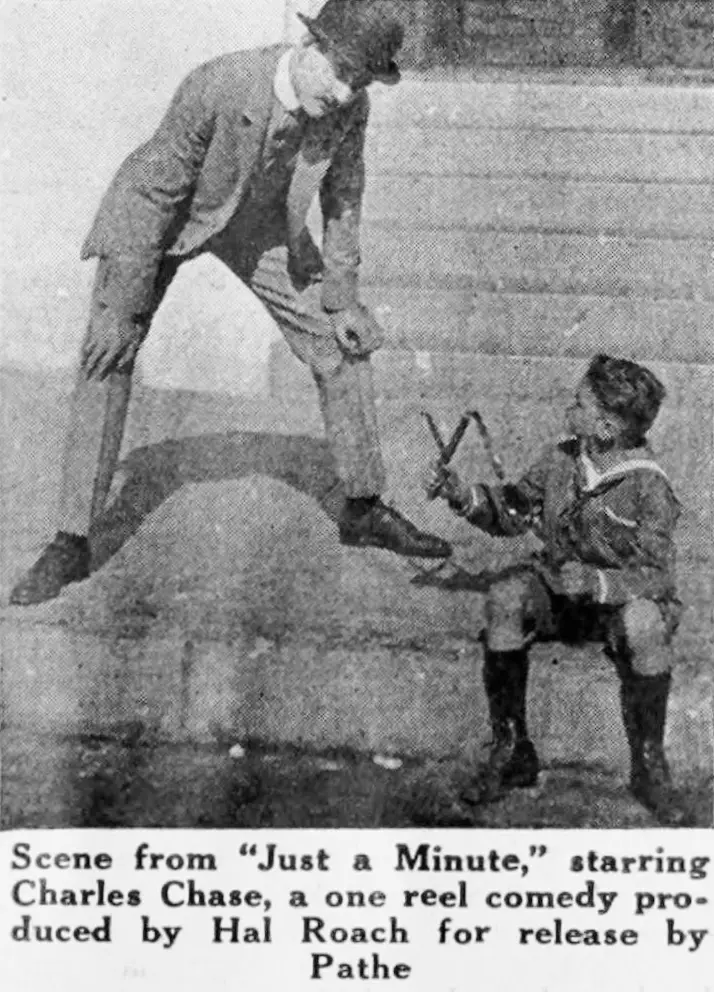
The supporting cast, including Blanche Mehaffey and Helen Gilmore, play pivotal roles in the film. Mehaffey's character is the ambitious fiancée who is easily swayed by the fleeting moment of Jimmy's absence. Helen Gilmore, as the Mayor's daughter, adds a touch of whimsy and romance to the proceedings. The chemistry between the leads is palpable, making the audience root for Jimmy's success in both his personal and professional life.
'Just a Minute' (1924) stands as a unique piece in the early cinema landscape, blending elements of comedy, romance, and drama seamlessly. The film's enduring appeal lies in its ability to capture the essence of human folly and the resilience of the human spirit in the face of adversity. It is a prime example of the silent era's contributions to the art of storytelling and a reminder of the timeless nature of good comedy.
Compared to other films of the era, 'Just a Minute' (1924) holds its own, particularly when placed alongside classics like 'When Baby Forgot' (1924) and 'The Bar Sinister' (1924). Both films share a similar vein of misfortune and comedic timing, yet 'Just a Minute' (1924) excels in its character development and emotional nuances. The film's pacing and timing are impeccable, ensuring that the audience is continuously engaged and entertained.
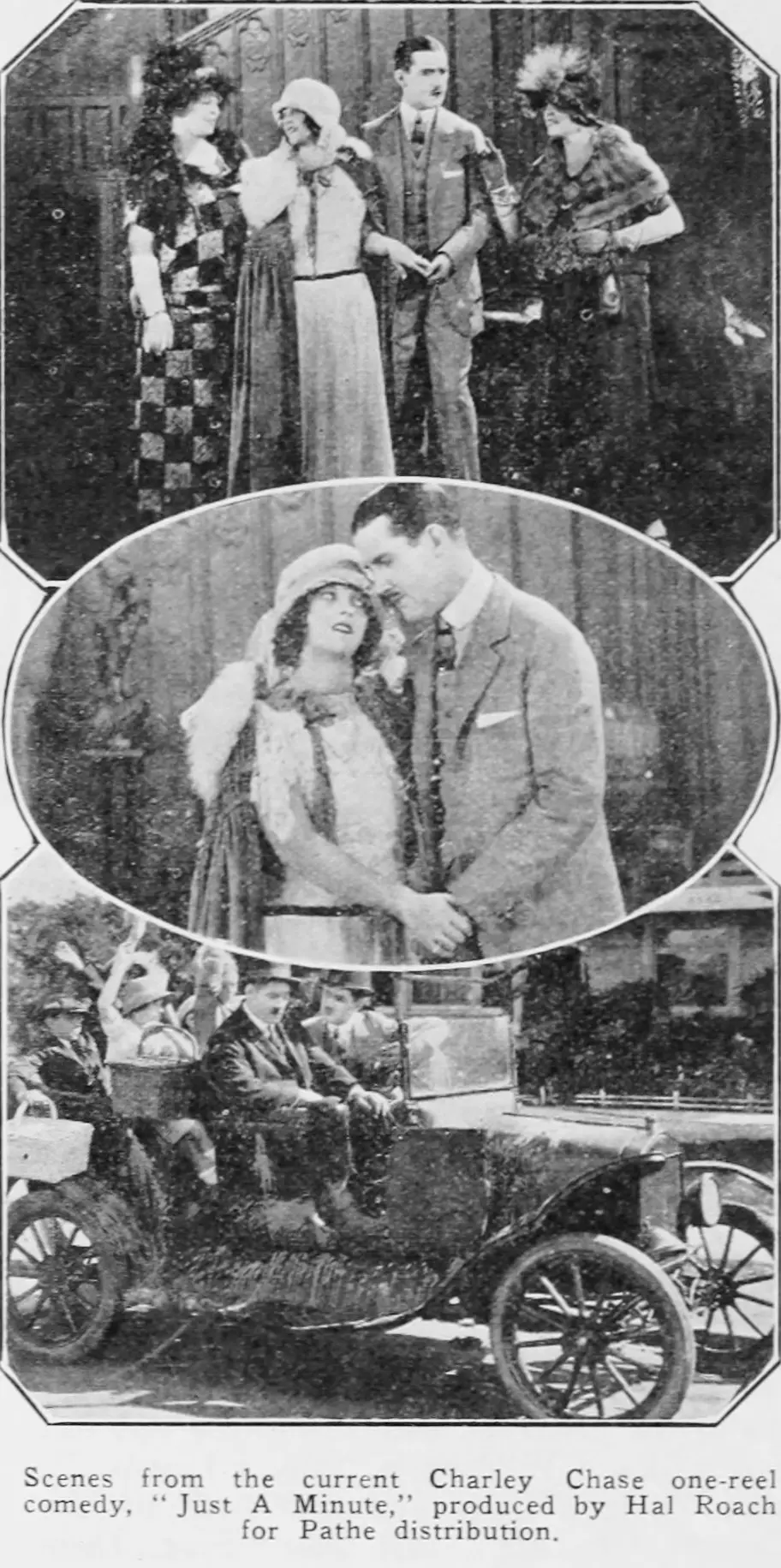
The silent era was a golden age for physical comedy, and 'Just a Minute' (1924) is a perfect example of the era's prowess. The absence of spoken dialogue allows for a more universal form of entertainment, relying solely on visual gags and facial expressions to convey the humor. This approach not only adds to the film's charm but also makes it accessible to a wide audience, transcending language barriers.
While 'Just a Minute' (1924) may not be as well-known as some of its contemporaries, it is a gem in the annals of early cinema. The film's legacy lies in its ability to remain entertaining and relevant over time, a testament to the enduring power of well-crafted comedy.
For those interested in delving deeper into the world of early cinema and silent comedy, 'Just a Minute' (1924) is a must-watch. It is a film that honors the traditions of the past while also providing a fresh perspective on the art of storytelling. Whether one is a film enthusiast or a casual viewer, 'Just a Minute' (1924) offers a delightful and enlightening journey through the golden age of cinema.
IMDb 6.9
1935
Community
Log in to comment.