DbcultAccessing Vault...
4.1/10
Senior Film Conservator
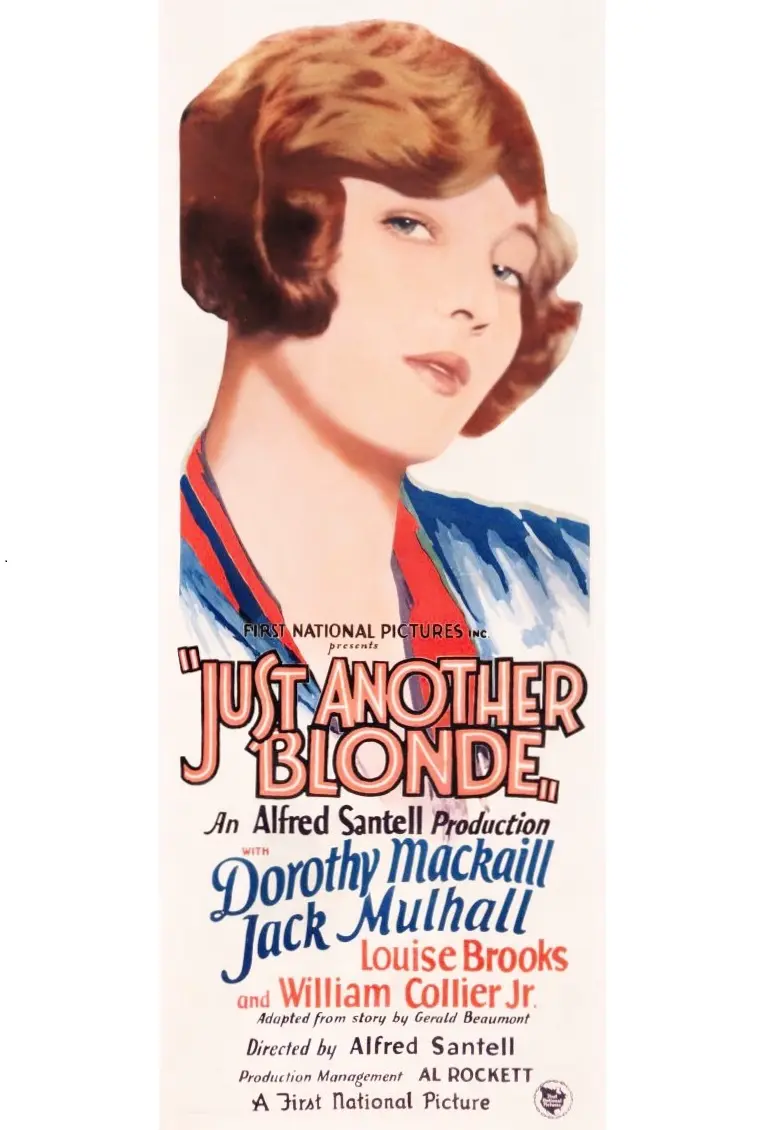
A definitive 4.1/10 rating for a film that redefined the boundaries of cult cinema. Just Another Blonde remains a cornerstone of transgressive art.
Is 'Just Another Blonde' worth watching today? Short answer: yes, but with a few caveats that are inherent to its silent-era origins. This film is a delightful, if somewhat predictable, peek into the romantic comedies of the 1920s, offering a unique premise that’s still quite charming. It’s absolutely for silent film enthusiasts, those fascinated by early Hollywood careers, and anyone looking for a lighthearted, character-driven story from a bygone era. However, if you're accustomed to modern pacing, complex narratives, or dialogue-heavy humor, this might test your patience.
The film, despite its somewhat generic title, manages to carve out a distinct identity through its central conceit. It's a testament to the ingenuity of silent cinema to wring genuine humor and heartfelt emotion from such an unusual setup. While it doesn't redefine the genre, it certainly polishes it with a particular shine.
At its core, 'Just Another Blonde' hinges on an absurd, yet endearing, premise: two best friends, Jimmy O'Connor and Scotty, decide to split everything in life 50-50. This isn't just about gambling winnings; it extends to their personal lives, most notably, their romantic pursuits. It’s a setup ripe for comedic misunderstanding and emotional entanglement, and for the most part, the film capitalizes on this.
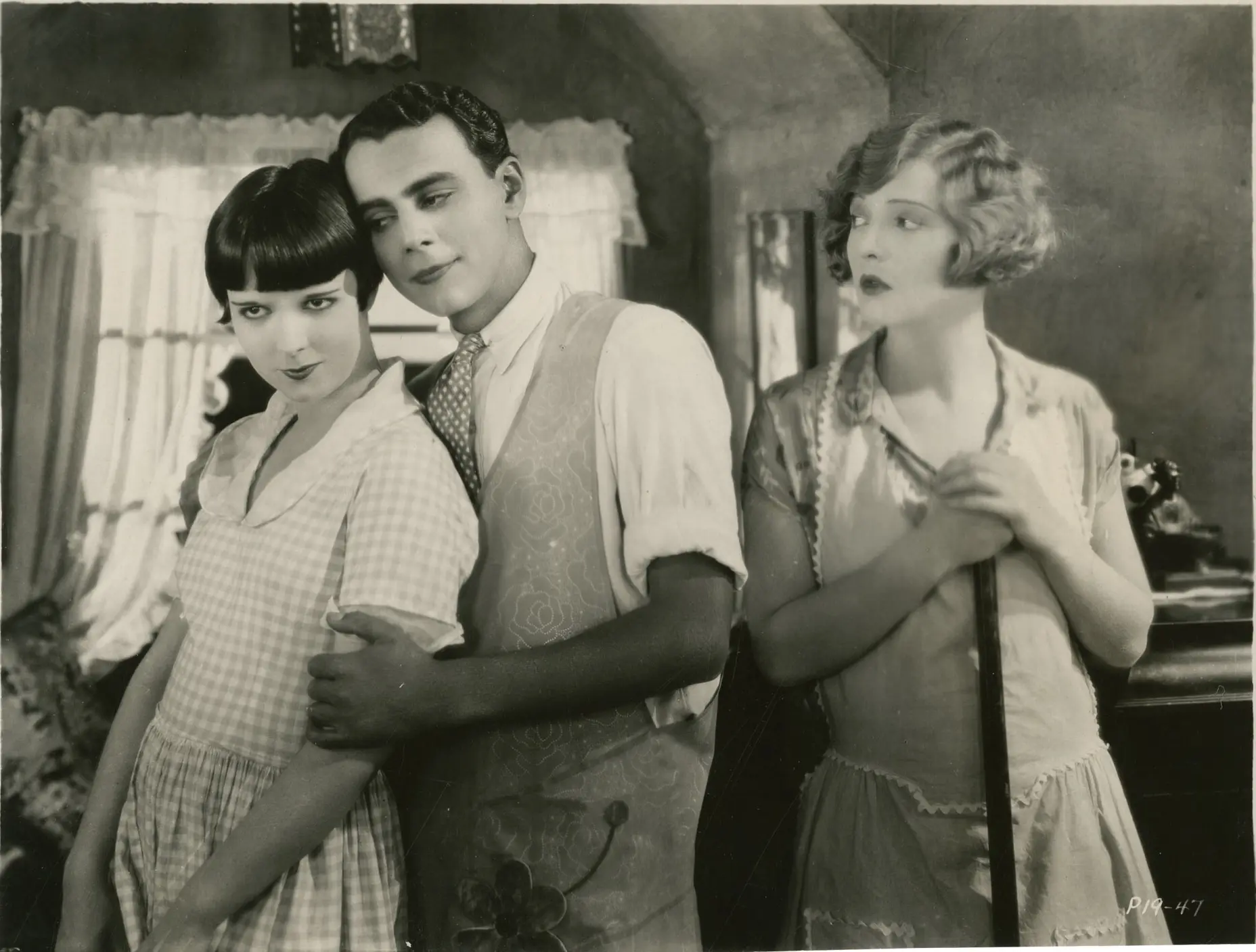
The film works because of this singular, compelling hook. It immediately sets it apart from other rom-coms of the period, providing a clear, driving force for the plot. The initial interactions, as the friends navigate this pact, are genuinely amusing and establish a strong fraternal bond that makes the subsequent romantic complications all the more poignant.
This film fails, however, in fully exploring the deeper implications of such a pact. While it provides the comedic engine, the emotional fallout and ethical dilemmas are often glossed over in favor of a simpler, more straightforward romantic resolution. The predictability of the ending, while satisfying for a 1926 audience, might feel a bit too pat for contemporary viewers.
You should watch it if you appreciate the specific kind of charm only a silent-era romantic comedy can deliver, coupled with an interest in seeing performers like William Collier Jr., Dorothy Mackaill, and the iconic Louise Brooks in their earlier roles. It’s a film that demands a certain level of historical appreciation, but rewards it with genuine smiles.
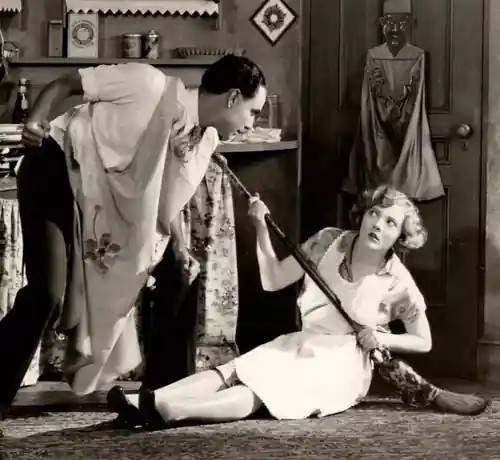
The cast of 'Just Another Blonde' is a fascinating mix, featuring established names and rising stars of the era. William Collier Jr. as Jimmy O'Connor carries much of the film's emotional weight, portraying the reluctant romantic with a believable blend of exasperation and growing affection. His facial expressions, crucial in silent cinema, effectively convey his internal conflict as he grapples with his feelings for Jeannie while upholding his pact with Scotty.
Dorothy Mackaill, as Diana O'Sullivan, brings a vivacious energy to her role. Her character, the Coney Island girl, feels grounded and authentic, providing a strong anchor for Scotty’s affections. Mackaill’s screen presence is undeniable; she commands attention with subtle gestures and a charming smile, making her character instantly likable and relatable.
Then there’s Louise Brooks as Jeannie Cavanaugh. While her role here isn't the star-making, iconic performance she would deliver later in films like Pandora's Box, her presence is still magnetic. Brooks possesses an undeniable naturalism and an enigmatic quality that even in a relatively straightforward role like Jeannie, hints at the depth she was capable of. However, it's a genuine shame that the script doesn't allow her more opportunities to truly shine, often relegating her to the object of affection rather than a fully fleshed-out character with agency. This is perhaps my strongest, most debatable opinion about the film: Brooks is criminally underutilized here, a beautiful ornament rather than a driving force.
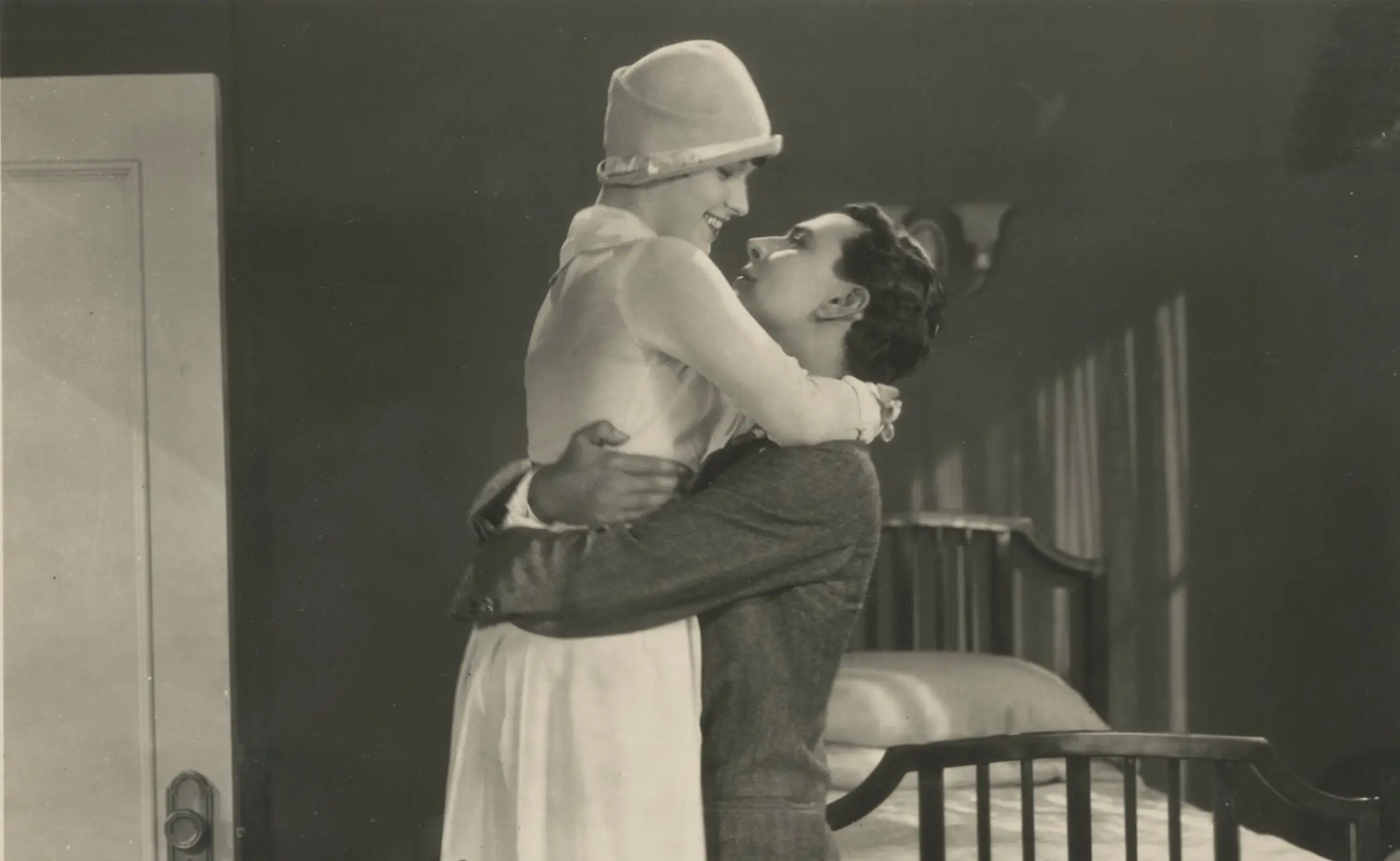
Jack Mulhall, as Scotty, rounds out the main quartet. He embodies the affable, slightly impulsive friend with a good heart. Mulhall’s comedic timing, particularly in his interactions with Collier Jr., is one of the film’s strongest assets. Their bromance feels authentic, and it's this chemistry that truly sells the outlandish 50-50 pact.
The ensemble works well together, each actor contributing to the overall lighthearted tone. Collier Jr. and Mulhall’s dynamic is the undisputed highlight, providing the film’s most memorable moments of camaraderie and comedic tension.
Director Alfred Santell handles the narrative with a steady hand, maintaining a brisk pace that keeps the audience engaged. For a film from 1926, the editing feels remarkably fluid, moving seamlessly between the various romantic entanglements and comedic set pieces. Santell understands the language of silent film, relying heavily on visual cues and the expressive capabilities of his actors to convey emotion and plot points.
The cinematography, while not groundbreaking, effectively captures the atmosphere of 1920s New York City and the vibrant energy of Coney Island. There are some lovely shots that establish the setting, immersing the viewer in the period. The use of close-ups is particularly effective in highlighting the subtle emotional shifts on the actors' faces, especially during moments of romantic confusion or internal debate.
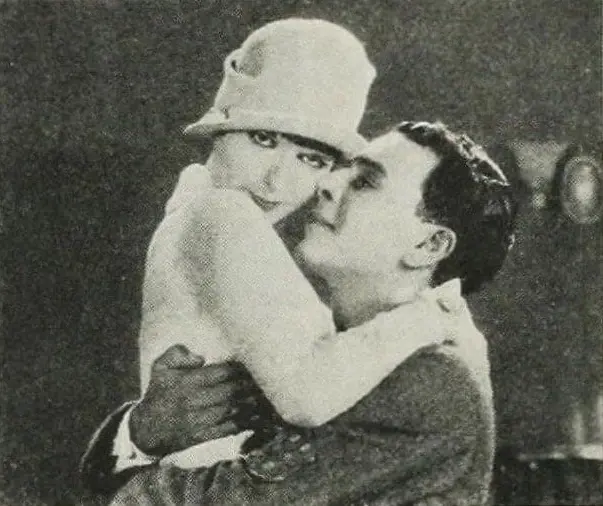
One unconventional observation I have is how the film uses physical spaces to reflect emotional states. The confined space of the airplane, for instance, serves as a literal and metaphorical crucible for the characters, forcing their emotional confrontations to a head. It’s a simple but effective technique that elevates the climax beyond mere dialogue cards.
The pacing of 'Just Another Blonde' is surprisingly spry. While silent films can sometimes feel drawn out to modern audiences, Santell keeps the story moving with purpose. The narrative never lingers too long on any single plot point, ensuring that the comedic misunderstandings escalate appropriately and the romantic tension builds at a steady, engaging rate.
The tone is overwhelmingly lighthearted and comedic, firmly establishing it as a romantic comedy. There are no grand dramatic stakes beyond the romantic entanglements of the protagonists, which is perfectly fine for what the film sets out to achieve. It’s a feel-good picture, designed to entertain and leave the audience with a smile.
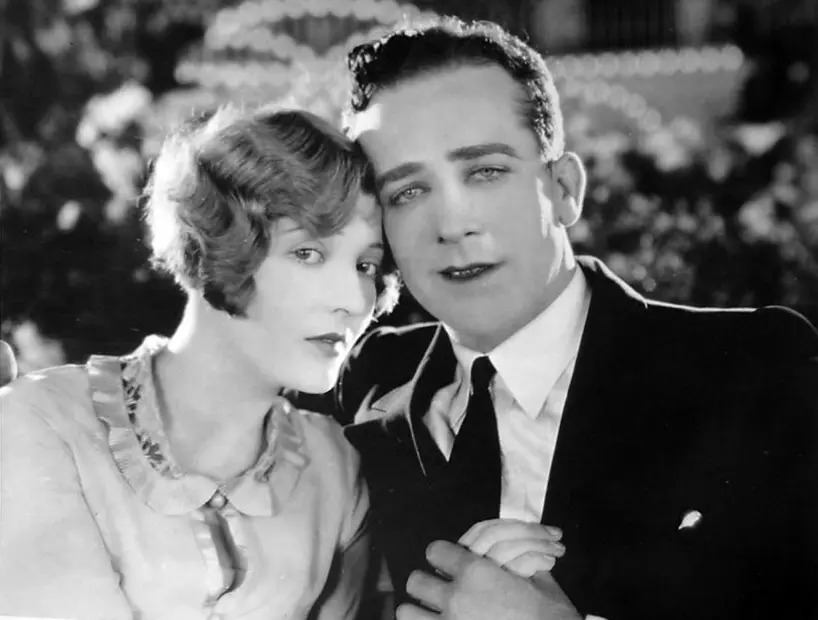
However, this lightheartedness occasionally comes at the expense of deeper character exploration. While the central premise is compelling, the film doesn't delve into the motivations or inner lives of the characters beyond what is necessary to advance the plot. This is a common characteristic of many films from this era, but it's worth noting for those seeking more psychological depth.
The film works. But it’s flawed. Its strength lies in its charming simplicity and the earnest performances of its lead actors, particularly the dynamic between Collier Jr. and Mulhall. It’s a window into a specific style of filmmaking and storytelling that, while dated in some aspects, still possesses an undeniable appeal.
Absolutely, for the right audience. If you have an appreciation for silent cinema and an interest in the early careers of its stars, 'Just Another Blonde' offers a rewarding experience. It's a testament to the enduring power of simple, well-told stories. It provides a valuable historical context for understanding the evolution of the romantic comedy genre.
It may not be a cinematic revelation on par with The Witness for the Defense or possess the raw power of something like Pursued, but it carves its own niche as an enjoyable, charming piece of early Hollywood. The film’s unique premise alone makes it worth seeking out for those curious about the ingenuity of silent-era screenwriting.
‘Just Another Blonde’ is far from just another forgotten silent film. It's a charming, if uncomplicated, romantic comedy that leverages a clever premise and solid performances to deliver an enjoyable viewing experience. While it doesn't break new ground, it competently executes its vision, offering a pleasant escape into the past. It’s a film that warrants a watch for those who appreciate the unique magic of silent cinema and are willing to embrace its conventions. It’s not a masterpiece, but it’s certainly a delightful diversion, proving that sometimes, even a simple story, well told, can leave a lasting, warm impression. Give it a chance; you might find yourself surprisingly endeared.
IMDb 6.1
1934
Community
Log in to comment.