DbcultAccessing Vault...
5/10
Senior Film Conservator
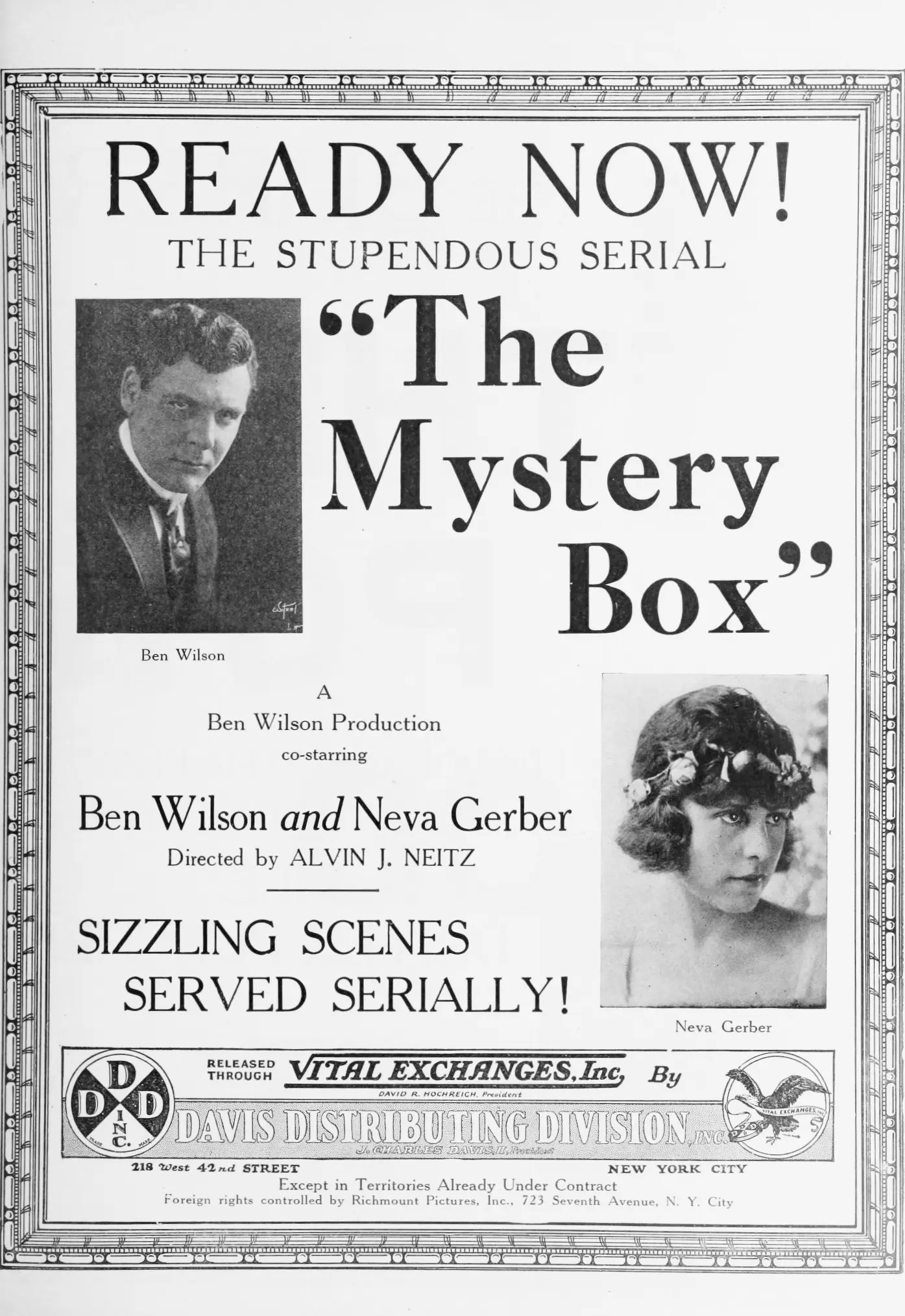
A definitive 5/10 rating for a film that redefined the boundaries of cult cinema. The Mystery Box remains a cornerstone of transgressive art.
Is The Mystery Box (1925) worth watching today? Short answer: absolutely, but with significant caveats. This film is a fascinating, if sometimes frustrating, window into early cinematic storytelling, offering a unique blend of melodrama and suspense for those willing to engage with its particular rhythms. It's a must-see for ardent silent film enthusiasts and film historians, yet likely too slow and visually archaic for casual modern viewers accustomed to contemporary pacing and sound.
This film works because it masterfully leverages the inherent suspense of its central MacGuffin, the eponymous mystery box, to drive a narrative that feels both universal and intensely personal to its characters, all communicated through the era's distinctive visual language.
This film fails because its melodramatic excesses, while typical of the era, can occasionally push the boundaries of modern patience, and its reliance on visual cues sometimes leaves contemporary audiences yearning for more explicit exposition or nuanced character development.
You should watch it if you appreciate the artistry of silent cinema, enjoy deciphering visual narratives, or are simply curious about the foundational storytelling techniques that paved the way for modern thrillers and dramas.
At its heart, The Mystery Box is a testament to humanity's primal fascination with secrets. The film, penned by Alan James, understands that the most potent suspense often resides not in what is seen, but in what is withheld. The titular box itself transcends mere plot device; it becomes a character, a silent antagonist, a beacon of hope, and a harbinger of doom, all at once. This isn't just a story about a box; it’s about the human reactions to its potential, the greed, the hope, the desperation it inspires.
The narrative, as interpreted through the lens of 1925 filmmaking, likely thrives on a series of escalating reveals and near-misses. One can almost picture the frantic cross-cutting, a hallmark of silent era suspense, as characters chase down clues or evade capture, all in pursuit of the box. Think of the frantic energy of a film like The Fugitive Futurist, but with a more grounded, tangible object at its core. It’s a classic setup that still resonates, proving that a strong concept can overcome the limitations of any era.
Silent films, by necessity, demanded a different kind of performance. Actors like Lafe McKee, Neva Gerber, and Alfred Hollingsworth weren't just delivering lines; they were embodying emotions, often in broad, expressive strokes, for an audience that relied solely on their physicality and facial expressions. Neva Gerber, a prominent serial queen of her time, likely brings a compelling blend of vulnerability and resilience to her role, possibly as the determined heir fighting for her rightful inheritance or a hidden truth. Her presence alone hints at a strong, active female lead, a common, and welcome, trope in early cinema that often gets overlooked.
Then there’s Yakima Canutt. His name alone conjures images of dynamic physicality. While known primarily for his legendary stunt work, his acting contributions in this era often involved a rugged authenticity. One can imagine him as a loyal sidekick, a formidable adversary, or perhaps a stoic hero whose actions speak louder than any intertitle could. The interplay between these distinct acting styles – the melodramatic expressiveness of Gerber and Hollingsworth, the grounded presence of McKee, and the physical prowess of Canutt – would have been key to the film's emotional impact. It’s a fascinating ensemble, each bringing a specific flavor to the dramatic stew.
"Silent acting is not merely pantomime; it's a heightened form of theatricality, where every gesture, every flicker of an eye, carries the weight of a spoken soliloquy. To dismiss it as overacting is to fundamentally misunderstand its craft."
IMDb 5.9
1920
Community
Log in to comment.