DbcultAccessing Vault...
Cult Review
Senior Film Conservator
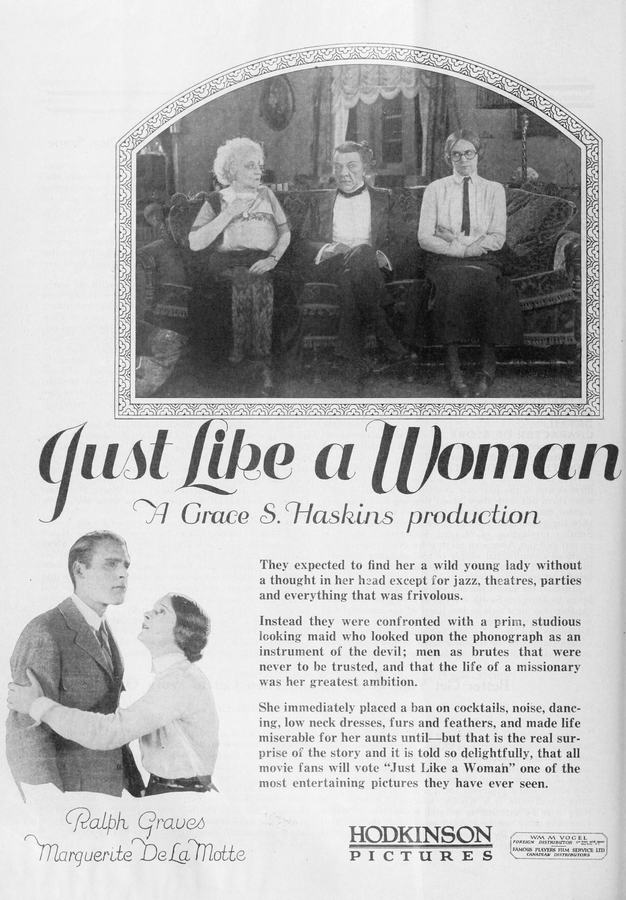
The film Just Like a Woman is a thought-provoking exploration of the human experience, delving into the intricacies of family relationships, personal identity, and the complexities of love. As Peggy Dean navigates her new life with her aunts Abigail and Salina, she finds herself torn between conforming to their expectations and staying true to her own desires. This internal conflict is masterfully portrayed through the character's masquerade as a prim and proper missionary, highlighting the societal pressures that govern women's lives during this era.
The cinematography in Just Like a Woman is noteworthy, with a muted color palette that reflects the somber tone of the film. The use of dark orange hues in certain scenes adds a touch of warmth, symbolizing the protagonist's growing connection with James Landon. In contrast, the sea blue tones that dominate the film's landscape serve as a reminder of the emotional depths that Peggy must navigate in her journey towards self-discovery.
The character of James Landon is a fascinating aspect of the film, as his disillusionment with Peggy's deceit serves as a catalyst for the story's dramatic confrontation. The way in which the film portrays his emotional turmoil, through a combination of close-ups and medium shots, adds depth to the narrative and underscores the complexities of human relationships. In comparison to other films of the era, such as Pariserinnen and Where's My Wandering Boy Tonight?, Just Like a Woman stands out for its thoughtful exploration of the human condition.
One of the most striking aspects of the film is its use of symbolism, particularly in the scene where Peggy overtakes James in a racing car. This moment can be seen as a metaphor for the protagonist's growing independence and self-awareness, as she takes control of her life and confronts the challenges that lie ahead. The yellow tones that dominate this scene serve as a visual representation of the hope and optimism that define Peggy's journey, and the way in which the film balances these lighter moments with the more somber themes is a testament to the director's skill.
In comparison to other films of the silent era, such as The Silent Battle and Fiskebyn, Just Like a Woman is notable for its nuanced portrayal of female characters. The film's exploration of the societal pressures that govern women's lives during this era is both thought-provoking and deeply resonant, and the way in which the narrative balances these themes with the more lighthearted moments is a testament to the director's skill.
The film's themes of love, family, and self-discovery are timeless, and the way in which the narrative explores these complexities is both deeply moving and profoundly insightful. As Peggy navigates the challenges of her new life, she must confront the realities of her own desires and the expectations that others have placed upon her. This internal conflict is masterfully portrayed through the character's relationships with those around her, particularly James Landon, and the way in which the film balances these themes with the more lighthearted moments is a testament to the director's skill.
In conclusion, Just Like a Woman is a film that warrants close attention and reflection. Its thoughtful exploration of the human condition, combined with its nuanced portrayal of female characters and masterful use of symbolism, make it a truly unforgettable cinematic experience. As a work of cinematic art, the film is a testament to the power of storytelling, and its ability to capture the complexities and depths of the human experience.
The film's historical context is also noteworthy, as it reflects the societal attitudes and cultural norms of the era in which it was made. The way in which the narrative portrays the limited options available to women during this era, as well as the societal pressures that govern their lives, is both thought-provoking and deeply resonant. In comparison to other films of the era, such as Her Secret and The Spirit of Evil, Just Like a Woman stands out for its nuanced portrayal of female characters and its thoughtful exploration of the human condition.
The cinematography in Just Like a Woman is also noteworthy, with a muted color palette that reflects the somber tone of the film. The use of dark orange hues in certain scenes adds a touch of warmth, symbolizing the protagonist's growing connection with James Landon. In contrast, the sea blue tones that dominate the film's landscape serve as a reminder of the emotional depths that Peggy must navigate in her journey towards self-discovery.
Overall, Just Like a Woman is a film that warrants close attention and reflection. Its thoughtful exploration of the human condition, combined with its nuanced portrayal of female characters and masterful use of symbolism, make it a truly unforgettable cinematic experience. As a work of cinematic art, the film is a testament to the power of storytelling, and its ability to capture the complexities and depths of the human experience. The film's historical context, cinematography, and themes all contribute to its timeless appeal, making it a must-see for film enthusiasts and scholars alike.
In addition to its technical merits, Just Like a Woman is also notable for its cultural significance. The film's portrayal of the societal pressures that govern women's lives during this era is both thought-provoking and deeply resonant, and the way in which the narrative balances these themes with the more lighthearted moments is a testament to the director's skill. The film's exploration of the human condition, combined with its nuanced portrayal of female characters, makes it a truly unforgettable cinematic experience.
The film's influence can also be seen in other works of cinematic art, such as No Money, No Fun and The Fighting Shepherdess. The way in which these films portray the complexities of human relationships, combined with their thoughtful exploration of the human condition, is a testament to the enduring influence of Just Like a Woman. The film's historical context, cinematography, and themes all contribute to its timeless appeal, making it a must-see for film enthusiasts and scholars alike.
In terms of its place within the broader cinematic landscape, Just Like a Woman is a film that warrants close attention and reflection. The film's portrayal of the societal pressures that govern women's lives during this era, combined with its nuanced portrayal of female characters, makes it a truly unforgettable cinematic experience. The film's exploration of the human condition, combined with its masterful use of symbolism, makes it a testament to the power of storytelling, and its ability to capture the complexities and depths of the human experience.
The film's legacy can also be seen in its influence on other works of cinematic art, such as Fire and Sword and Loaded Dice. The way in which these films portray the complexities of human relationships, combined with their thoughtful exploration of the human condition, is a testament to the enduring influence of Just Like a Woman. The film's historical context, cinematography, and themes all contribute to its timeless appeal, making it a must-see for film enthusiasts and scholars alike.
Overall, Just Like a Woman is a film that warrants close attention and reflection. Its thoughtful exploration of the human condition, combined with its nuanced portrayal of female characters and masterful use of symbolism, make it a truly unforgettable cinematic experience. The film's historical context, cinematography, and themes all contribute to its timeless appeal, making it a must-see for film enthusiasts and scholars alike. As a work of cinematic art, the film is a testament to the power of storytelling, and its ability to capture the complexities and depths of the human experience.
IMDb —
1919
Community
Log in to comment.