DbcultAccessing Vault...
5/10
Senior Film Conservator
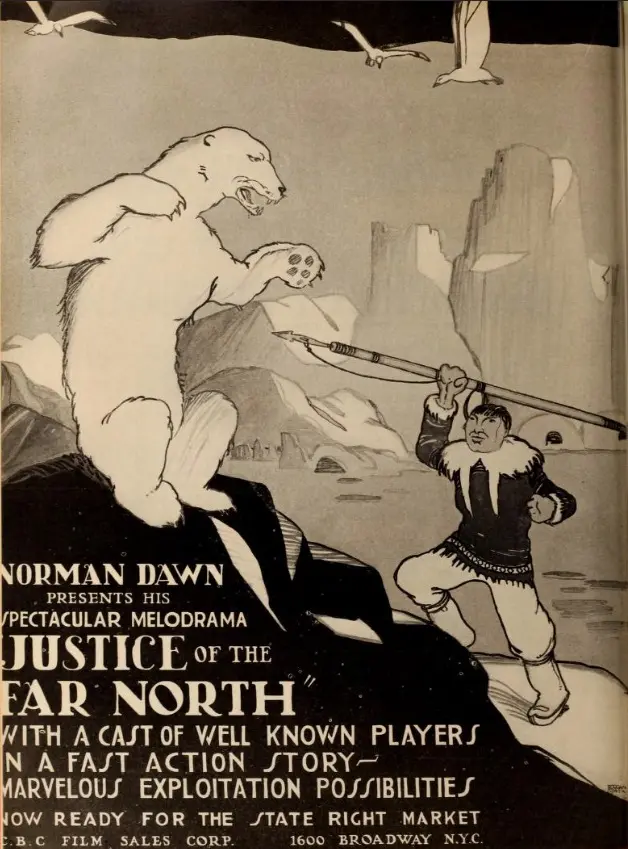
A definitive 5/10 rating for a film that redefined the boundaries of cult cinema. Justice of the Far North remains a cornerstone of transgressive art.
In the realm of cinematic endeavors, certain films distinguish themselves through their masterful storytelling, atmospheric settings, and nuanced character development. Justice of the Far North, directed by Norman Dawn, is a testament to this assertion, weaving a compelling narrative that traverses the unforgiving yet breathtaking landscapes of the Arctic.
The film's premise, while seemingly straightforward, unfolds with a complexity that engages the viewer on multiple levels. Umluk, portrayed by Charles Reisner, is an Eskimo chief whose life is irrevocably altered when he falls into a crevice while hunting. His rescue by Dr. Wells, a distinguished Arctic explorer and scientist, sets in motion a chain of events that tests Umluk's resolve, moral compass, and leadership.
The introduction of Mike Burke, an ex-whaler with a dubious past, and his accomplice Izzy Hawkins, injects a dynamic of tension and duplicity into the narrative. Mike's relentless pursuit of Wamba, Umluk's betrothed, serves as a catalyst for the conflict that drives the plot forward. Wamba's decision to leave with Mike, accompanied by her sister Nootka, raises questions about loyalty, cultural identity, and the allure of the unknown.
Umluk's pursuit of the trio is a testament to his unwavering commitment to reclaim what he perceives as rightfully his. This journey, fraught with peril, showcases the harsh realities of Arctic life and the resilience required to survive in such an environment. The character of Umluk, in particular, undergoes significant development, his actions and decisions reflective of a leader grappling with the challenges of his community and the changing world around him.
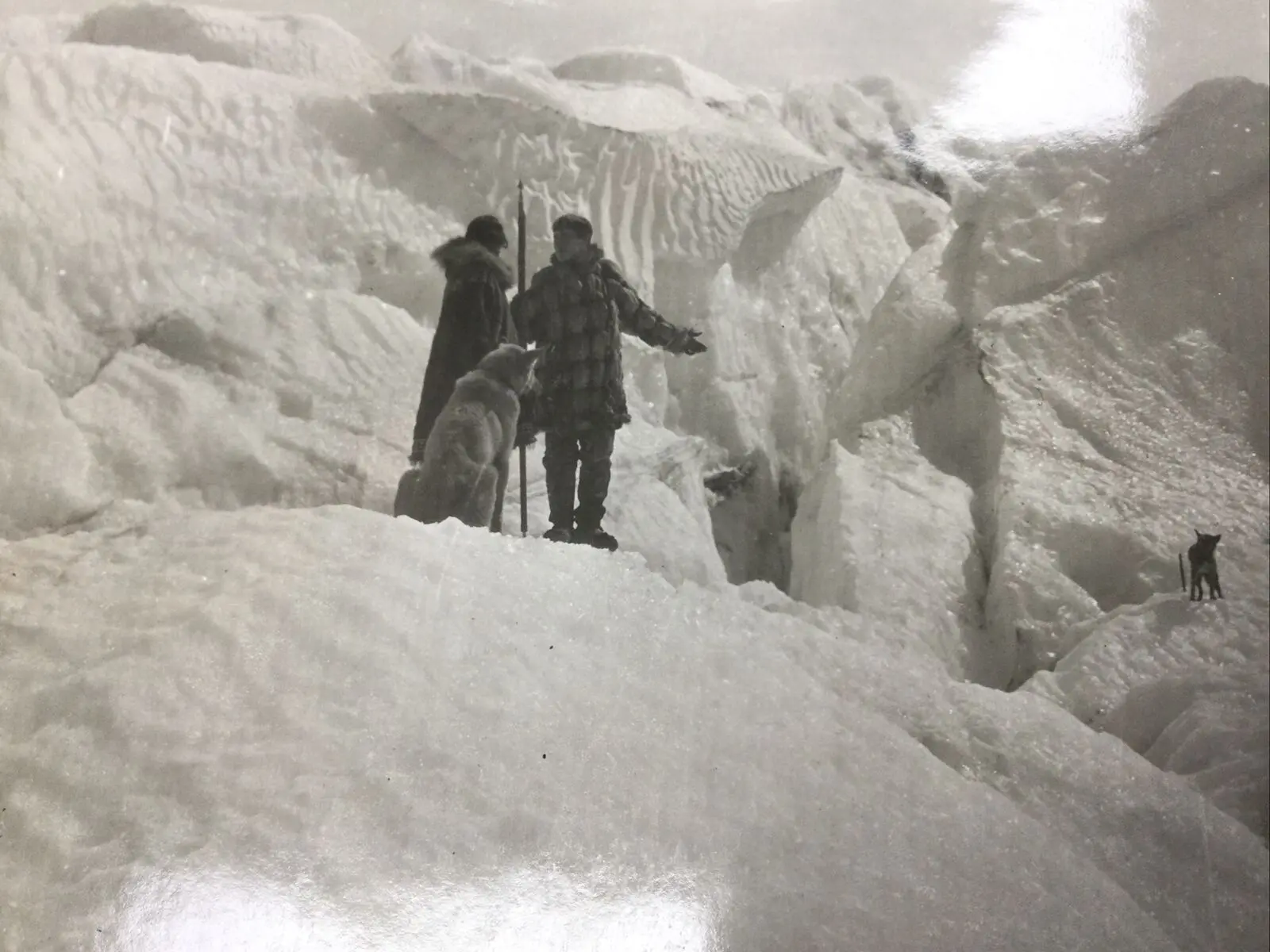
Thematic elements of Justice of the Far North resonate deeply, inviting viewers to reflect on the universality of human emotions and the cultural nuances that define us. The film's portrayal of the Arctic, with its stunning landscapes and unforgiving climate, serves as more than a mere backdrop; it is an integral component of the narrative, influencing the characters' actions and the plot's progression.
In terms of cinematic craftsmanship, Justice of the Far North exhibits a level of artistry that was characteristic of its era. The cinematography, while perhaps not as sophisticated by contemporary standards, effectively captures the moody and atmospheric qualities of the Arctic setting. The performances, too, contribute to the film's overall impact, with the cast delivering portrayals that add depth and authenticity to the story.
For those interested in exploring films with similar themes or elements, several titles are worth noting. The Red Circle, Sally of the Sawdust, and The Dumb-Bell offer insights into the human condition, albeit through different lenses. Common Ground and Queen of the Sea also present compelling narratives that, while distinct, share certain thematic resonances with Justice of the Far North.
In conclusion, Justice of the Far North stands as a captivating cinematic achievement, distinguished by its engaging narrative, atmospheric setting, and memorable characters. It is a film that not only entertains but also invites reflection on the universal themes that bind us across cultures and geographies. As a piece of cinematic history, it offers a window into the past, while its story remains remarkably relevant today.
The film's exploration of loyalty, betrayal, and redemption, set against the stunning backdrop of the Arctic, makes for a viewing experience that is both visually stunning and emotionally resonant. Justice of the Far North is a testament to the power of cinema to transport us to different worlds, to challenge our assumptions, and to connect us through the shared human experience.
IMDb 5.8
1932
Community
Log in to comment.