DbcultAccessing Vault...
Cult Review
Senior Film Conservator
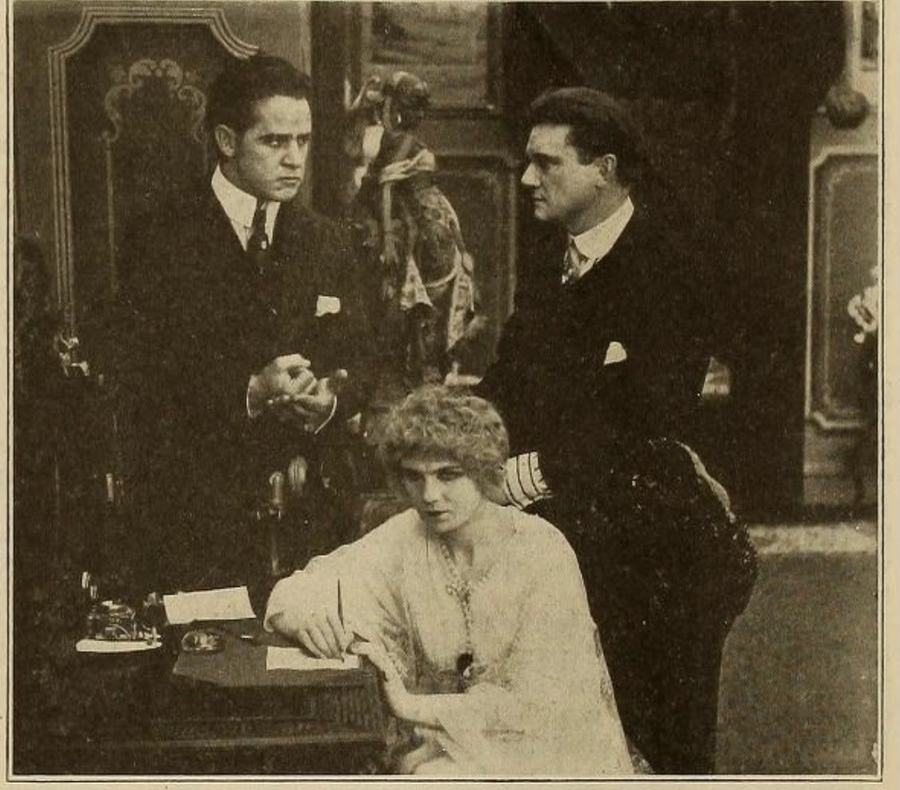
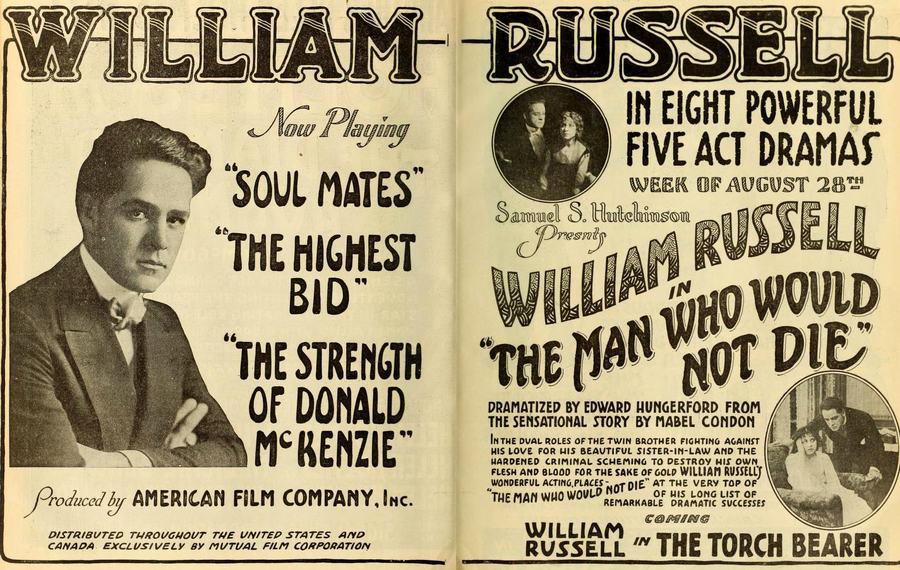
Ah, the silent era! A time when cinematic storytelling relied purely on the evocative power of imagery, the nuanced gestures of its performers, and the compelling force of its narrative. In this rich tapestry of early filmmaking, The Man Who Would Not Die emerges as a particularly fascinating specimen, a melodrama brimming with the kind of intricate plotting and moral quandaries that would continue to captivate audiences for decades to come. It’s a film that demands our attention, not just as a historical artifact, but as a testament to the enduring power of human drama, even when conveyed without a single spoken word. Today, we peel back the layers of this captivating 1915 production, exploring its depths and celebrating its often-overlooked brilliance.
At its heart, The Man Who Would Not Die is a tale of two brothers, Ward and Clyde Kingsley, whose physical indistinguishability belies a profound moral chasm. Ward, the noble twin, finds himself ensnared by a love for Agnes Pendelton, an heiress. Yet, his profound integrity – or perhaps, a crippling fear of societal judgment – leads him to forsake her, unwilling to be perceived as marrying for wealth. This act of self-imposed exile, born of an almost archaic sense of honor, sets in motion a chain of events that will spiral into tragedy and deception. Clyde, his antithesis, is a man unburdened by such ethical niceties. A dissolute character, he swiftly steps into the void left by Ward, marrying Agnes and, with alarming predictability, proceeds to squander her entire fortune.
The film truly ignites when Clyde, now financially ruined, conspires with Steve Mercer, a long-standing, equally disreputable acquaintance. Their plan is audacious, gruesome, and utterly desperate: orchestrate Clyde's 'death' via a life insurance scam, using a purchased corpse as a stand-in, allowing Agnes to collect a substantial $100,000, which they would later divide. Agnes, however, possesses a moral compass far more calibrated than her husband's. Her indignant refusal to participate in such a macabre fraud exposes the widening chasm between her and Clyde, while simultaneously drawing the unwanted, lustful attention of Mercer. This early tension establishes the precarious position of Agnes, caught between a morally bankrupt husband and a predatory 'friend'.
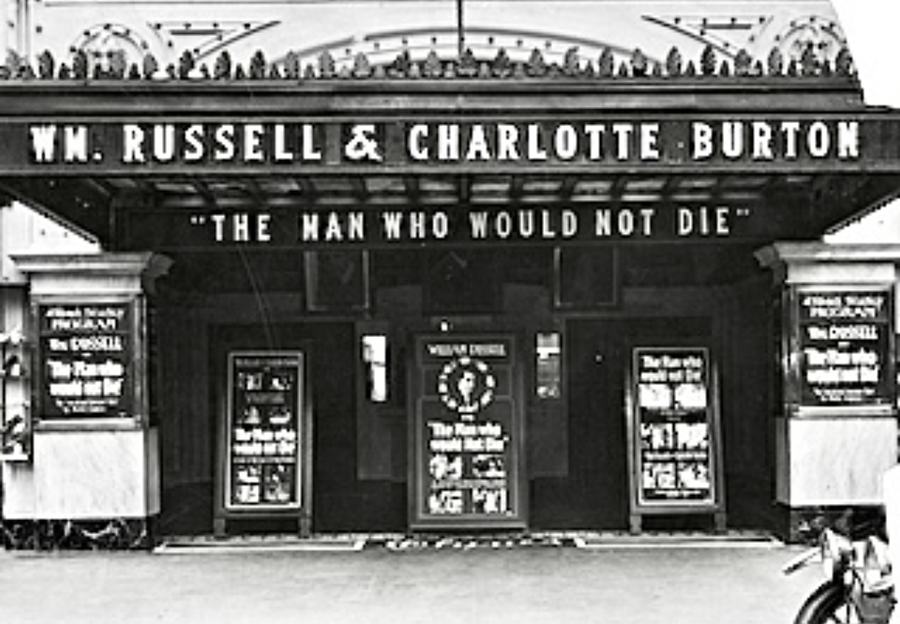
Just as the situation seems irrevocably dire, fate intervenes with a cruel twist of irony. A letter arrives from Ward, now in a New York hospital, gravely ill and seemingly at death's door. Clyde, ever the opportunist, seizes upon this grim news with astonishing alacrity. Under the guise of seeking specialist medical advice, he journeys east, his true intent far more sinister. He manipulates his dying brother, appealing to Ward's inherent goodness and love for Agnes, convincing him to embark on a final, agonizing journey: to travel west, assume Clyde's identity, die, and be buried as the 'deceased' husband. This Machiavellian maneuver not only solves Clyde's corpse problem but also further entrenches the theme of identity theft, a common trope in early cinema, as seen in other contemporary thrillers like A Mexican Mine Fraud; or, The Game That Failed, though often with less tragic implications.
Yet, the narrative, ever keen on subverting expectations, throws another curveball. Under Agnes's tender and devoted ministrations, Ward, astonishingly, recovers. This miraculous recovery sends shockwaves of anxiety to the waiting Clyde in New York. The delicate balance of his scheme teeters on the brink. Ward, now restored to health, writes to Clyde, signaling his readiness to depart California, a poignant farewell to Agnes and a tacit invitation for Clyde to return. The old flame between Ward and Agnes, rekindled by shared vulnerability and renewed admiration, burns brightly, making their impending separation all the more heart-wrenching. Their silent goodbyes resonate with a profound, unspoken tragedy, reminiscent of the emotional depth explored in films like The Crisis, which often delved into the complexities of love and duty.
The plot, however, refuses to grant our protagonists an easy reprieve. Steve Mercer, now joined by a mysterious female nemesis who has long pursued Clyde, plots Ward's demise. Their nefarious plan: lure Ward to a desolate cliffside and dispatch him. But the film, in its relentless pursuit of dramatic irony, has other plans. Clyde, having secretly returned home, witnesses a tender, affectionate scene between Ward and Agnes. Misinterpreting their innocent, albeit deeply felt, connection, his jealousy erupts into a violent rage. He strikes Ward down, believing him dead, and flees to inform Mercer and his accomplice of his 'success'.
In a truly Shakespearean twist, Clyde, rushing to the ambush site, is mistaken for Ward by Mercer and his female accomplice. The fate intended for Ward is visited upon Clyde. Mercer, without hesitation, shoots him. As Clyde tumbles over the precipice, he clutches his female nemesis, dragging her into the abyss with him. The sheer poetic justice of this moment is palpable; the architect of so much suffering becomes the unwitting victim of his own machinations. It's a stark reminder of how often the web of deceit ensnares its weaver, a theme also powerfully explored in the gripping narrative of Vendetta, where schemes often boomerang on their originators.
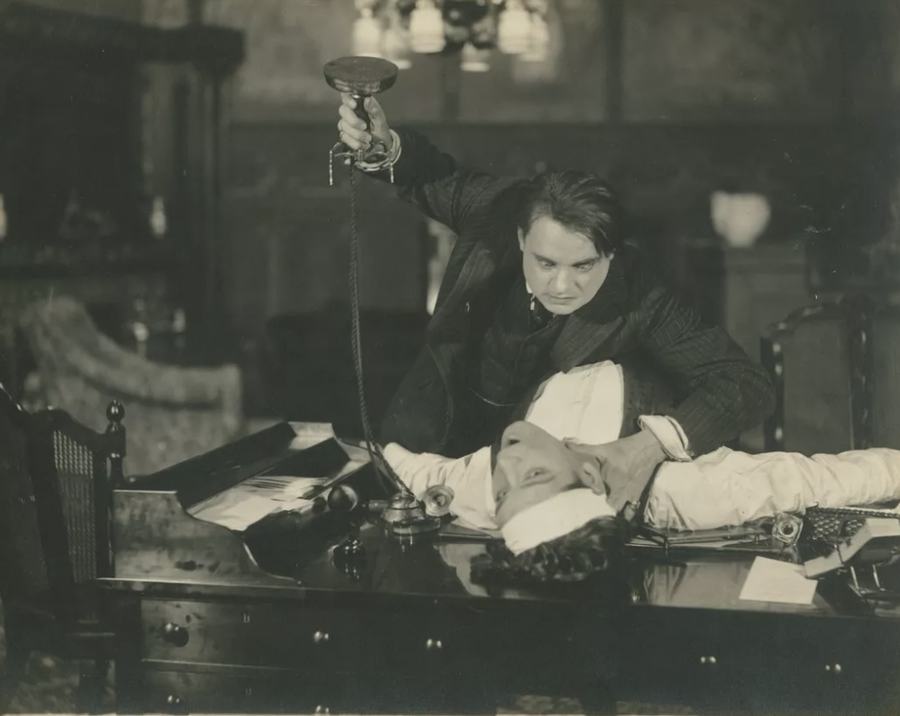
While Ward slowly recovers from Clyde's blow, Mercer, oblivious to Clyde's true fate, rushes to the house. He informs Agnes that Ward has been killed and, in a final act of villainy, accuses Clyde of the murder. Believing all obstacles removed, Mercer seizes Agnes, raining unwanted kisses upon her. But the 'man who would not die' rises once more. Weakened but resolute, Ward attacks Mercer. As Mercer reaches for the desk phone, intending to brain Ward, the butler, ever vigilant, fires, killing Mercer instantly. Agnes, overcome, collapses into Ward's arms. The final scene, a serene tableau of the happy bride and groom, offers a cathartic release, a hard-won peace after a storm of betrayal and violence. It’s a resolution that, while perhaps a touch too neat for modern sensibilities, perfectly aligns with the melodramatic conventions of the era, where virtue was ultimately rewarded and villainy punished, much like the clear moral lines drawn in A Woman's Triumph.
The success of a silent film hinges entirely on the expressive capabilities of its cast, and The Man Who Would Not Die delivers commendable performances. William Russell, tasked with the dual role of Ward and Clyde Kingsley, faces a formidable challenge. His ability to convey the distinct moral compasses of the twins, often through subtle shifts in posture, gaze, and gesture, is critical. Ward's earnestness and quiet suffering must contrast sharply with Clyde's conniving desperation and dissolute nature. Russell’s performance, while perhaps lacking the overt theatricality of some contemporaries, provides the necessary anchor for the film's complex identity play.
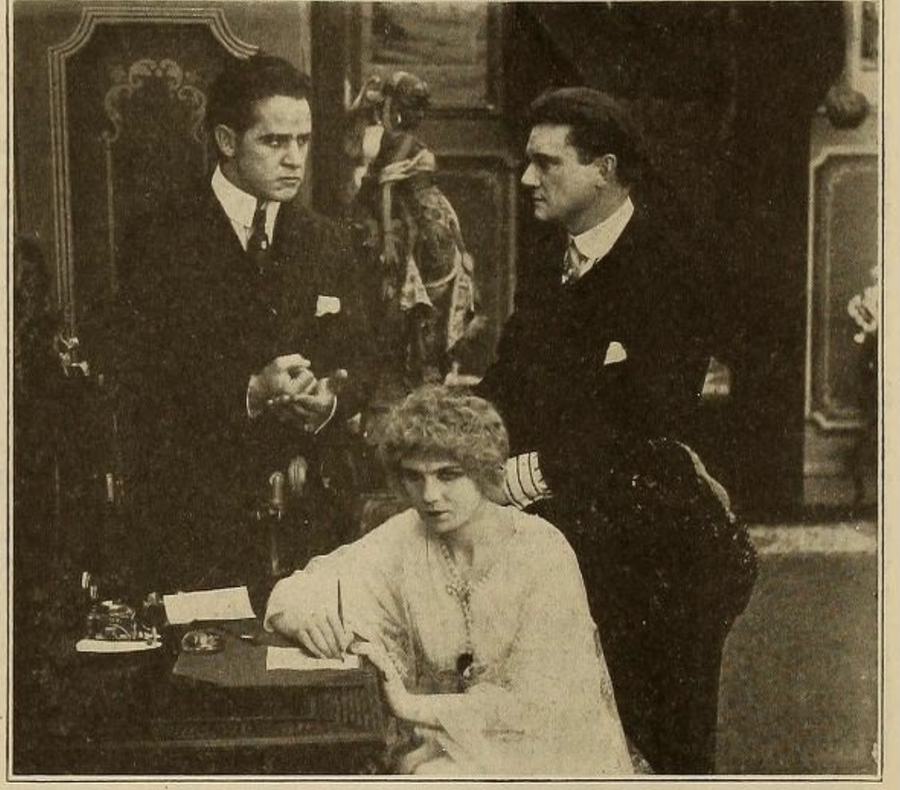
Charlotte Burton as Agnes Pendelton is equally pivotal. Her character is the moral center, the object of both genuine affection and avaricious schemes. Burton conveys Agnes’s initial distress, her unwavering care for Ward, and her ultimate horror at Mercer's advances with a compelling blend of vulnerability and strength. Her reactions, often amplified by close-ups, are crucial in guiding the audience's emotional response. Harry Keenan as Steve Mercer embodies the film's villainy with a chilling effectiveness. His leering gaze and aggressive physicality make him a truly detestable antagonist, a stark contrast to the more nuanced evil of Clyde. Leona Hutton's role, while perhaps smaller, contributes to the overall atmosphere of intrigue and danger.
The pacing of the film, under the direction of its creative team, is remarkably tight for the era. Writers Mabel Condon and J. Edward Hungerford skillfully weave a narrative that, despite its numerous twists, remains coherent and engaging. The transitions between scenes, the use of intertitles to convey dialogue and exposition, all contribute to a brisk progression that keeps the audience invested. While some silent films of this period can feel ponderous to a modern viewer, The Man Who Would Not Die maintains a compelling momentum, a quality shared with other well-structured melodramas like Bella Donna, which also relied on strong plotting to sustain tension.
Beyond the thrilling plot, The Man Who Would Not Die delves into profound thematic territory. The most apparent theme is that of identity. The physical resemblance of the twins is not merely a plot device; it serves as a potent metaphor for the duality of human nature, the thin line between virtue and vice that can exist even within the same genetic blueprint. Ward's willingness to sacrifice his identity, and Clyde's eagerness to exploit it, highlight the malleable nature of self when confronted with extreme circumstances. This exploration of identity and its manipulation echoes through many early cinematic works, from the fantastical to the intensely dramatic, offering a rich vein for storytelling.
The pervasive influence of greed is another central pillar. Clyde's descent into financial ruin and his subsequent desperate scheme are driven by an insatiable desire for wealth, a desire that ultimately consumes him. Mercer, too, is motivated by a combination of lust and avarice, embodying the corrupting power of unchecked desires. The film serves as a cautionary tale, demonstrating how the pursuit of ill-gotten gains inevitably leads to destruction, a moral lesson frequently embedded in the popular entertainment of the era, much like the clear-cut good vs. evil narratives in films such as The Juggernaut.
Finally, the film touches upon themes of sacrifice and redemption. Ward's initial renunciation of Agnes, and his later willingness to impersonate his dying brother, are acts of profound selflessness. His eventual recovery and the clearing of his name represent a form of redemption, not just for himself but for the narrative's moral order. Agnes, too, embodies steadfastness and virtue, her unwavering loyalty and care ultimately being rewarded. This moral clarity, where good triumphs over evil, was a defining characteristic of much of early cinema, providing audiences with comforting resolutions in an often turbulent world.
Viewing The Man Who Would Not Die today offers a valuable window into the filmmaking techniques of the 1910s. The reliance on exaggerated gestures and facial expressions, characteristic of silent film acting, is evident throughout. The use of intertitles, while sometimes lengthy, is crucial for conveying the intricate plot points and character motivations that could not be communicated visually alone. The cinematography, though perhaps rudimentary by modern standards, effectively captures the drama, utilizing various camera angles and compositions to heighten tension and emotion. The film's ability to sustain suspense and engage the audience without the benefit of synchronized sound is a testament to the ingenuity and skill of these early filmmakers.
Comparing it to other films of the period, such as Doktor úr or Das wandernde Licht, one can appreciate the universal appeal of melodrama and moralistic storytelling across different national cinemas. While the specific cultural contexts may vary, the core human emotions and dilemmas explored in The Man Who Would Not Die resonate globally. The film’s intricate plot, in particular, showcases a growing sophistication in screenwriting that moved beyond simple chase scenes or slapstick, paving the way for more complex narratives in the decades to come.
While perhaps not as widely celebrated as some of its more iconic contemporaries, The Man Who Would Not Die is a significant piece of cinematic history. It exemplifies the melodramatic sensibilities of its era, showcasing a fascination with mistaken identity, moral corruption, and the ultimate triumph of virtue. The film's intricate plot, driven by compelling character motivations and a series of dramatic ironies, keeps the viewer engaged from start to finish. It’s a powerful reminder of the foundational storytelling techniques that laid the groundwork for the cinematic language we understand today. For those interested in the evolution of film, or simply a gripping tale of love, deceit, and fate, this silent gem offers a rich and rewarding experience.
In a world often saturated with digital spectacle, returning to films like The Man Who Would Not Die allows us to appreciate the raw power of narrative and performance, stripped of dialogue and elaborate effects. It’s a film that, despite its age, speaks volumes about the enduring complexities of the human heart and the timeless dance between good and evil. Its title, in a final ironic flourish, perfectly encapsulates the resilience of its virtuous protagonist and the enduring nature of compelling storytelling itself.
IMDb —
1925
Community
Log in to comment.