DbcultAccessing Vault...
Cult Review
Senior Film Conservator
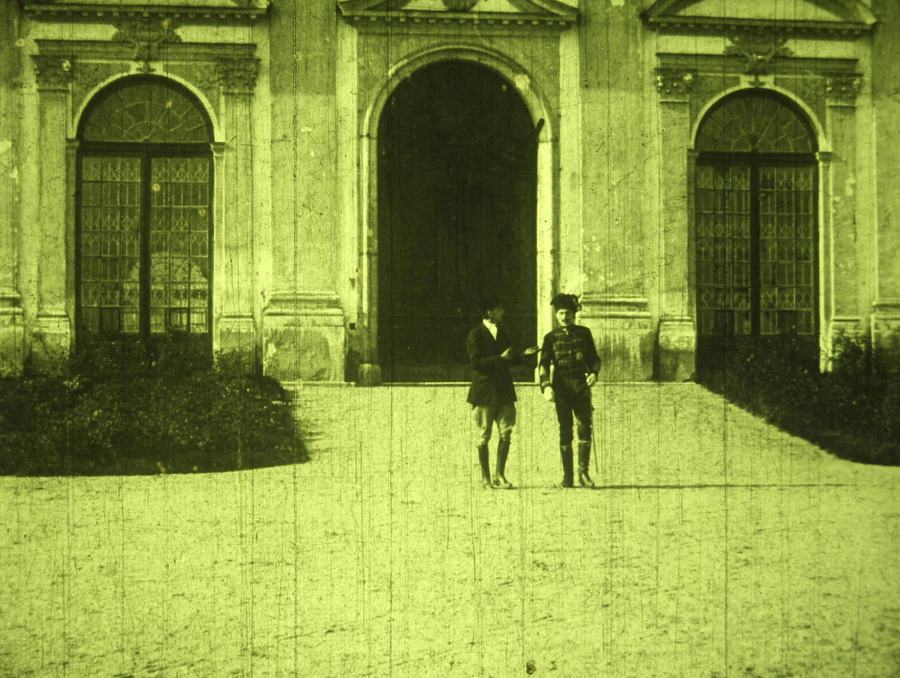
Thirty seconds of nitrate are enough to cremate a fairy-tale: watch how.
Imagine newsreel crews still feasting on WWI rubble when a Viennese countess—disgraced, disinherited, but carrying the Habsburg nose—smuggles her 35-mm confession into a basement lab. The resulting Kaiserin Elisabeth von Österreich is less biopic than bullet-hole: a single, unblinking gaze at the instant Europe’s most photographed woman becomes its most mythologised cadaver. No title cards, no fade-outs, just the merciless forward march of a camera crank that sounds, in the mind’s ear, like a firing squad loading the next shell.
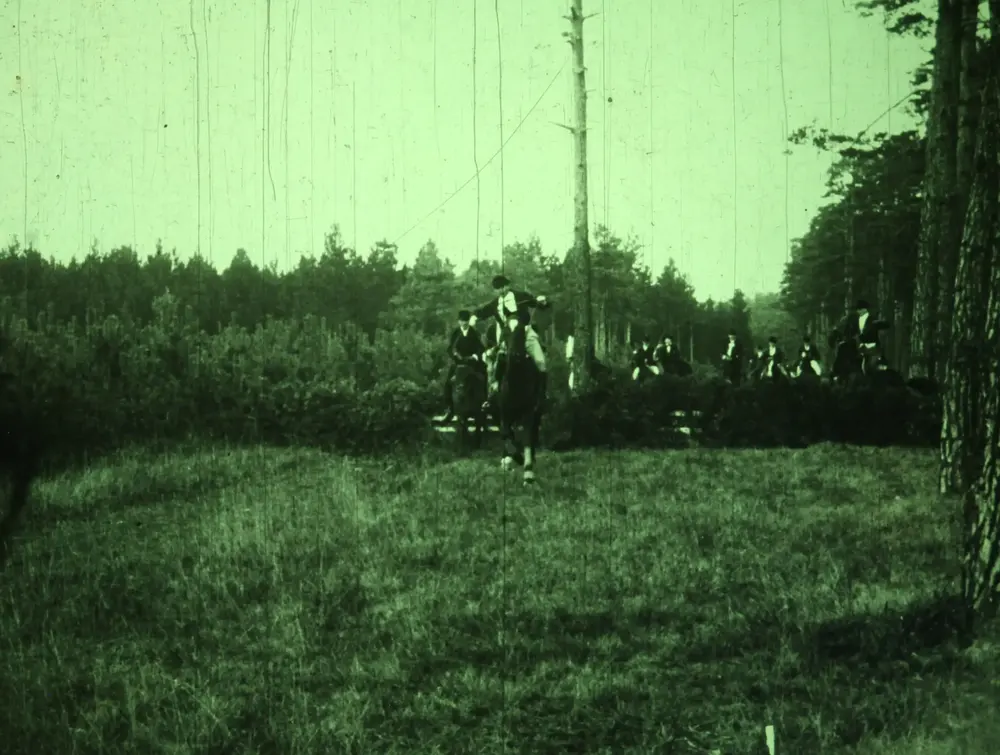
Frame 1–12: Elisabeth—played with uncanny stillness by Carla Nelsen—emerges in full sable-trimmed travel dress. The shot is static, but Rolf Raffé’s lighting carves such chiaroscuro that the Empress seems to hover, a daguerreotype that learned to breathe. Larisch withholds close-ups; we are voyeurs kept at courtly distance, exactly the gulf protocol demanded in real life.
Frame 13–18: A flicker—literally a splice—announces Lucheni’s intrusion. Because Benelli plays him in worker’s corduroy rather than the historical sailor disguise, the class animus lands harder: this is not lone madness but the blade of resentment sharpened by decades of imperial pageantry.
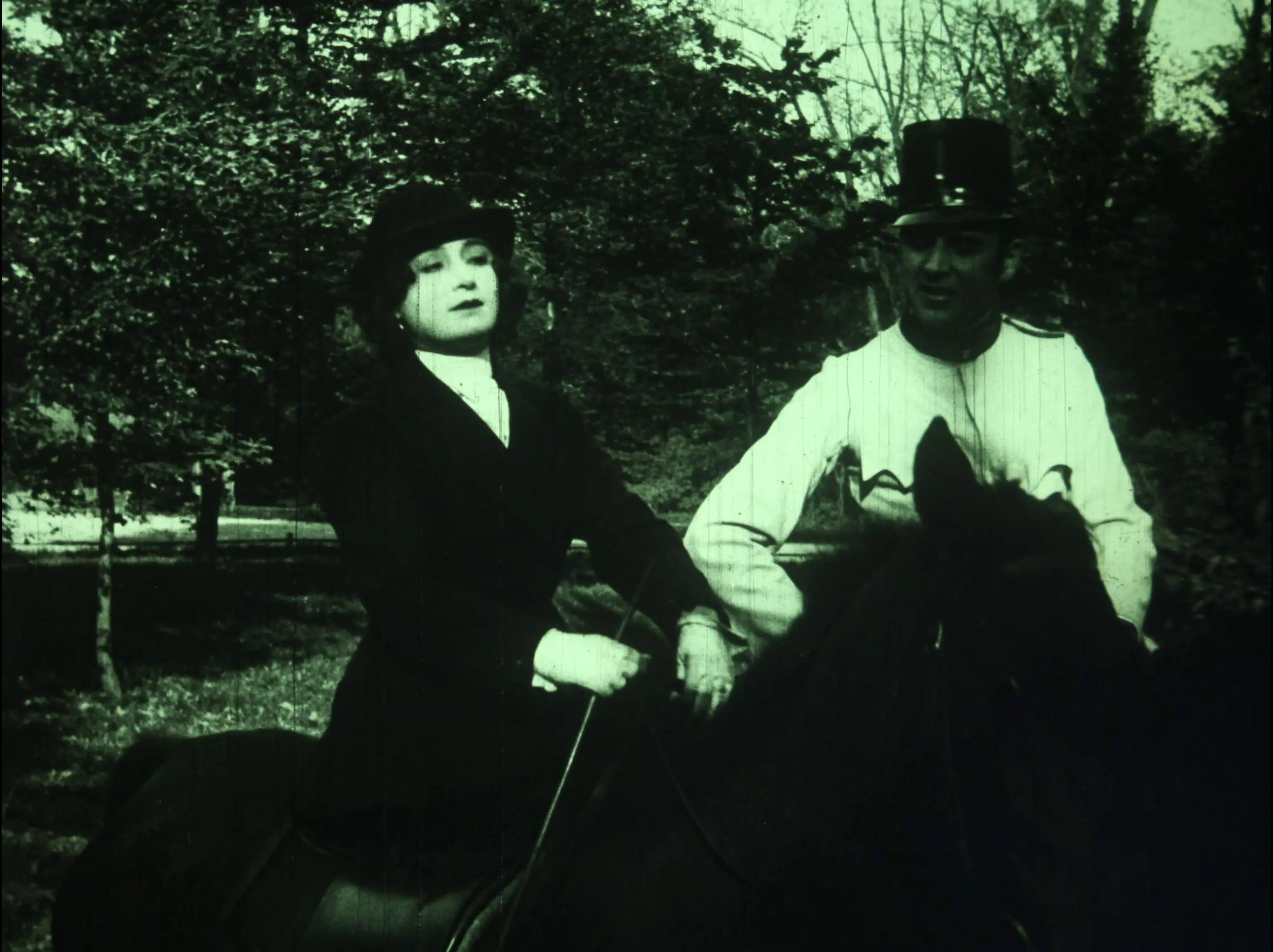
Frame 19–24: The assault itself is staged off-centre, almost in the wings. We glimpse only the recoil: Elisabeth’s torso folding like a snapped swan neck, her lace parasol performing a drunken pirouette before it kisses the cobblestones. The absence of graphic detail paradoxically triples the visceral jolt; the mind fills the gap with every chromolithograph of Sissi’s twenty-inch waist we have ever seen.
Frame 25–30: Silence thickens. A sailor (Fritz Kratzert) rushes in, kneels, then freezes—an operatic tableau vivant held until the image whites out, as if the film itself were haemorrhaging light. End. No coda, no cross-dissolve to heavenly harp glissandi. Just the raw, secular shock of history without a soundtrack to console us.
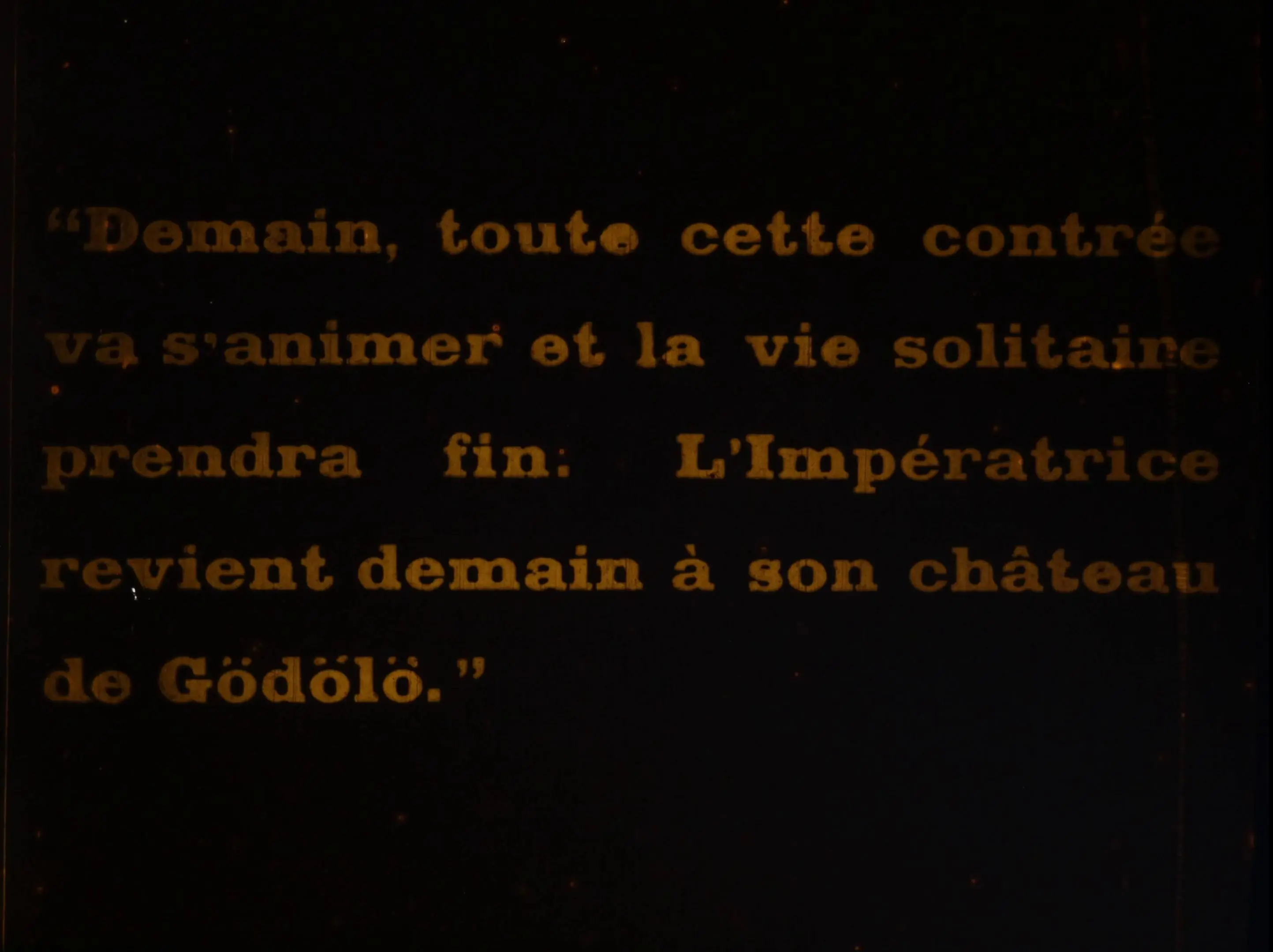
Court memoirs had already tarred Larisch as the éminence grise who ferried the neurotic Mary Vetsera into Crown Prince Rudolf’s fatal bed at Mayerling. By 1918, with the empire shredded into republics, she repurposes the camera as both exorcism and last will. Every decision here—casting her own look-alike (Nelsen) as the aunt who banished her, shooting on the actual anniversary of the assassination, refusing to script any redemption—reeks of auto-da-fé. Yet the film never curdles into camp vengeance; instead it achieves the chill of a forensic re-enactment staged by someone who once held the victim’s glove in real life.
Carla Nelsen, primarily an operetta soprano, understands that imperial charisma is 80% posture. She glides rather than walks; the famous Schwammerl hairstyle is eschewed for a severe chignon that lets the neck, that celebrated column, bear the full weight of destiny. When the file strikes, she does not deign to grimace—her face empties, as though someone simply blew out the candle behind her eyes. It is the most economic demise ever committed to celluloid, and it scalds the retina precisely because it refuses hysteria.
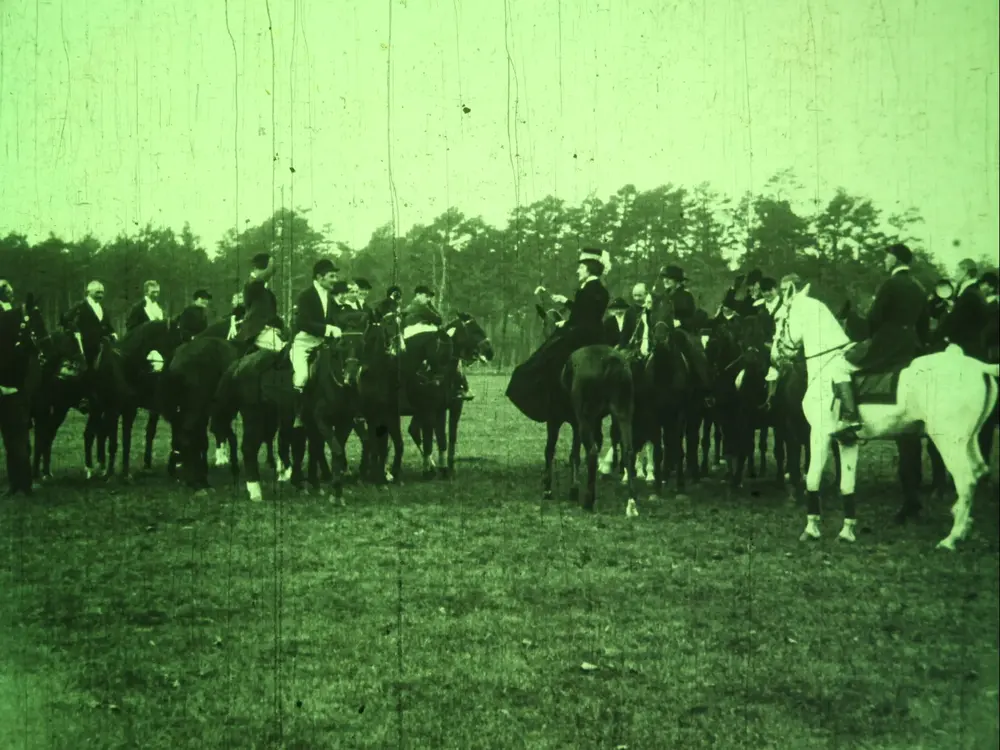
Enrico Benelli’s Lucheni is equally disciplined: no moustache-twirling, no proletarian rant. He strikes, steps back, pockets the file—business done. The ordinariness is the horror; he could be any man in a tram queue, and that, Larisch hints, is the puncture wound through which modernity enters.
Raffé and cinematographer Franz Costa shoot on orthochromatic stock, which turns blood into inky mercury and the Empress’s black corsage into a negative-space halo. The camera never tilts or pans; composition is late-Habsburg baroque—symmetrical, rigid, as though the frame itself were corseted. The only motion comes from the crowd’s reflex, a spasm that ripples from left to right like a frayed flag. Because the shot is unique—no alternate angles exist—the viewer becomes an accomplice: we cannot blink, cannot cut away, must inhabit the full, suffocating bell-jar of fin-de-siècle protocol imploding.
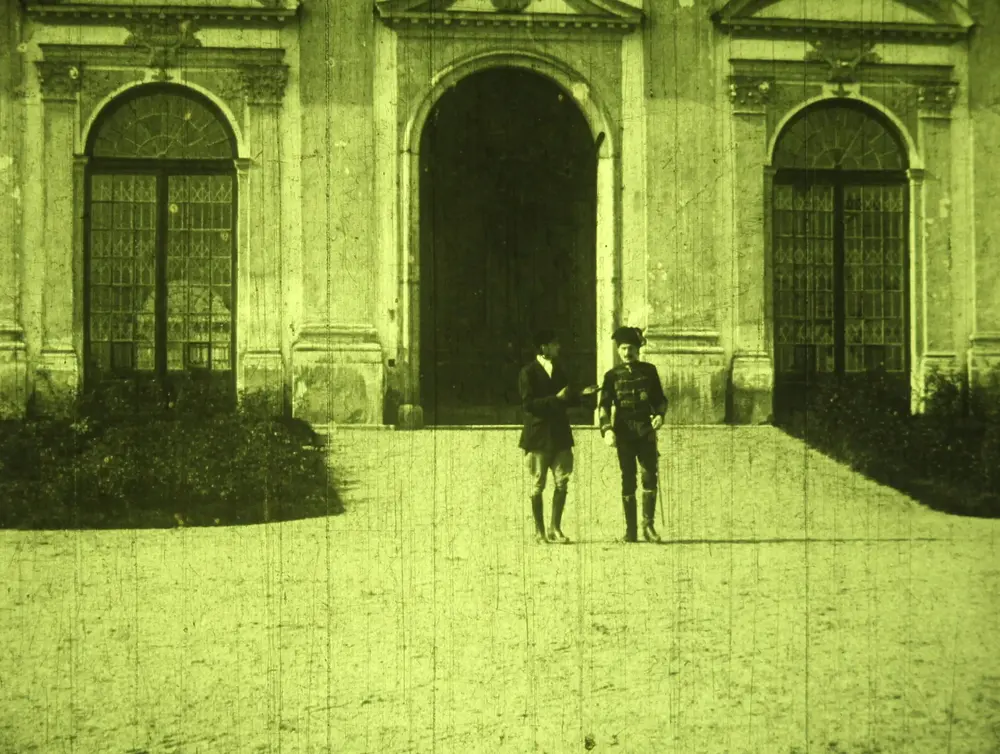
Exhibitors in 1918 often accompanied the reel with a live Trauermarsch or, in more patriotic rural houses, the Radetzky March played adagio. Yet Larisch expressly forbade musical cushioning in her written instructions, preserved at the Filmarchiv Austria. She wanted the scrape of the hand-crank to be the only threnody, the sprockets’ clack the last Hohenzollern drumbeat. Today, when viewed digitised, the silence blooms into an abyss that swallows every later Sissi-soundtrack— even the syrupy strings of the 1950s Romy Weber cycles—rendering them obscene.
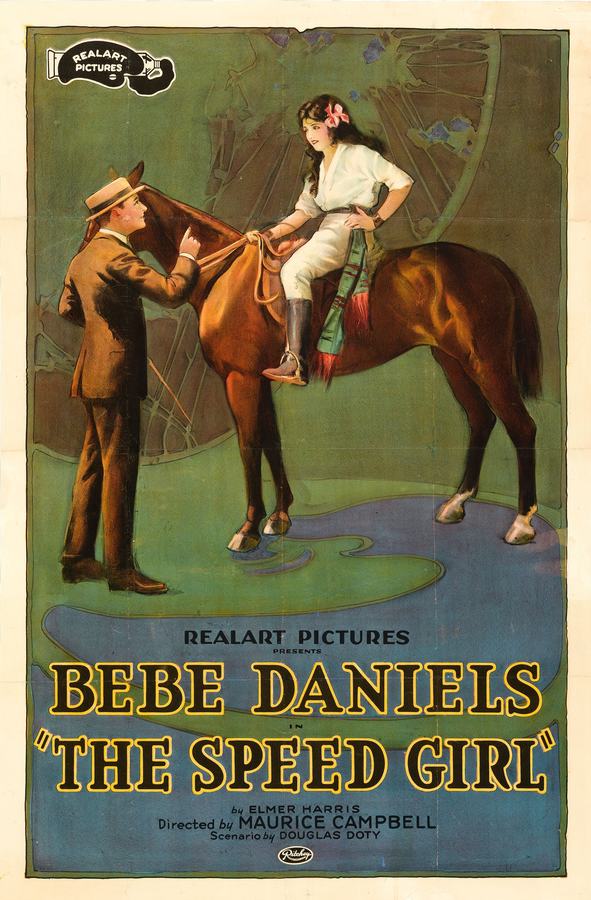
While Vienna contemplated its murdered matriarch, global screens were awash in flapper comedies like Marrying Money or colonial swagger such as Under Two Flags. Even closer to home, Das Glück der Frau Beate peddled bourgeois self-congratulation. Against that backdrop, Larisch’s miniature mortuary feels like a razor hidden among silk fans. It neither entertains nor educates; it indicts.
For decades archivists classed the film alongside actualités and newsreel scraps; only after the 1972 Munich Elisabeth-Retrospektive did scholars recognise it as the first authored, non-documentary depiction of the Empress. Feminist historians now read Larisch’s refusal to psychoanalyse Lucheni as a strategic void: the assassin’s anonymity mirrors the erasure of women’s agency within the imperial machine. Meanwhile, trauma theorists cite the work’s brevity as precursor to today’s viral beheading clips—yet unlike those, it offers no aggrandising sermon, only the chill of history’s random blade.
Only if you can stomach a film that ends before you exhale. At 18 frames per second, the half-minute expands into a black hole that devours every romantic Sissi-fantasy you carried since childhood. You will not rewatch it for pleasure; you will revisit it the way one tongues a broken tooth—testing whether the nerve still shrieks.
Restoration-wise, the Filmarchiv Austria 4K scan reveals acne scars on Nelsen’s powder, rust freckles on the file, even the ghost of a smile wiped from a lady-in-waiting’s lips. The tinting—tobacco for day, cobalt for death—follows distribution notes discovered in Larisch’s own hand. Streaming platforms still shun it; your best bet is the Österreichisches Filmmuseum Vimeo-on-demand where a scholarly commentary track offsets the sensory void.
Great art either consoles or confronts. Kaiserin Elisabeth von Österreich does neither; it perforates. Thirty seconds, one wound, zero redemption—yet in that surgical slit you glimpse the entire twentieth century about to gush forth like arterial spray. Larisch knew the empire had already bled out; she simply wound back the clock so we could taste the first drop.
IMDb —
1936
Community
Log in to comment.