DbcultAccessing Vault...
Cult Review
Senior Film Conservator
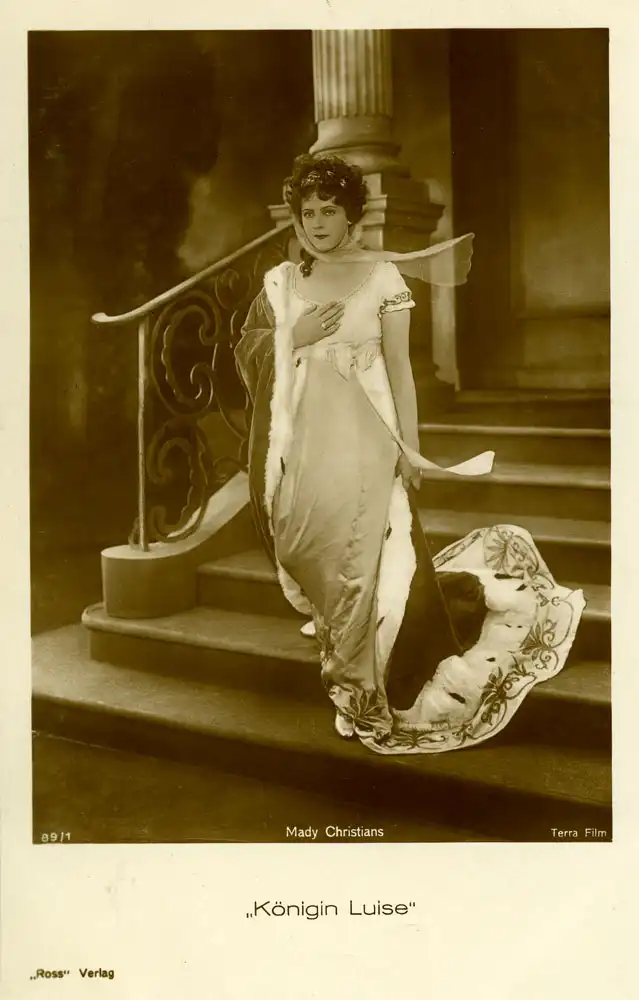
So, Königin Luise, 2. Teil – is it worth your time today? If you’re into grand historical dramas, especially those sprawling silent-era epics, then yeah, probably. But if you’re expecting fast action or a tidy, predictable romance, you might find it a *bit* of a slow burn, maybe even a slog in parts.
This film is really for the patient viewer, the one who appreciates a certain kind of historical gravity. It doesn't rush anything. Those who like their history served with a lot of inner turmoil and quiet fortitude will be right at home.
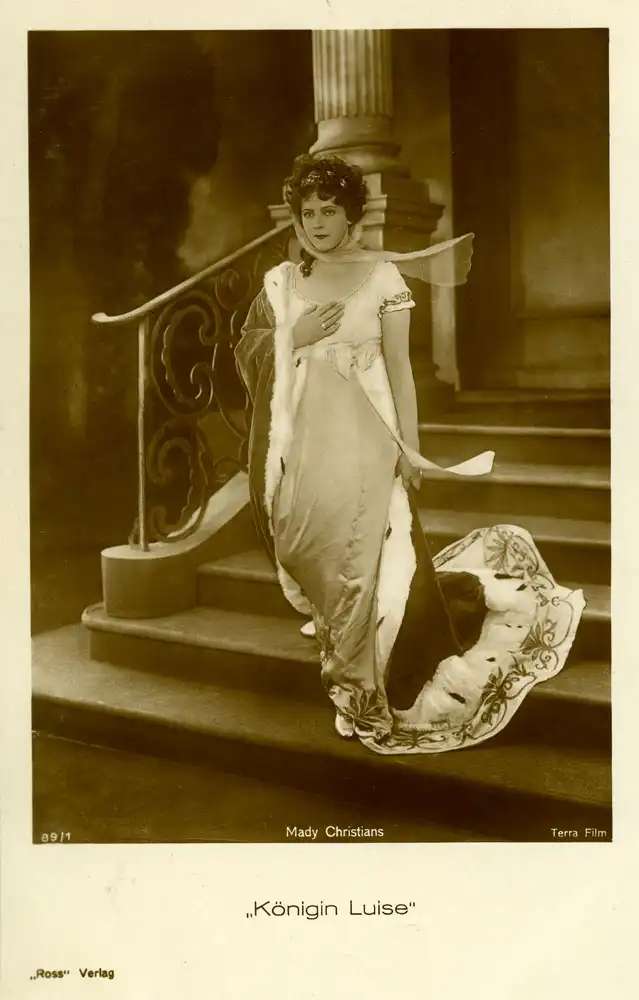
The whole thing hinges on Mady Christians as Luise, and *she truly delivers*. Her performance, especially in those close-ups, carries so much weight. You can see the exhaustion, the worry, the absolute determination in her eyes, even without a single word spoken.
There’s this one scene, quite early on, I think, where she’s just sitting in her study. The camera holds on her face for what feels like ages, you know? You can practically feel the pressure of the country’s fate on her shoulders. It’s a powerful, subtle bit of acting.
The plot, such as it is, picks up right after the first film’s chaos. Prussia is in a tough spot. Napoleon’s shadow looms large. It's less about battlefield heroics and more about the diplomatic dance, the personal sacrifices required.
Sometimes the film feels like it’s trying *too hard* to make every moment feel significant. Like, there are these long shots of officials in rooms, just… deliberating. It makes sense for the period, but it can test your patience a little.
And those crowd scenes? They have this oddly empty feeling sometimes. Like half the extras wandered off for lunch. It’s a tiny thing, but once you notice it, it’s hard to un-see.
Ferdinand von Alten as Napoleon is pretty good, though. He has this smug, assured presence that really makes you dislike him. Not over-the-top villainy, just a quiet, almost dismissive power.
The costumes are *gorgeous*, though. Absolutely lavish. You really get a sense of the royal court, even in its distress. Every detail feels meticulously researched, which is a nice touch.
There’s a small, almost throwaway moment where Luise shares a quiet, weary smile with one of her ladies-in-waiting. That little bit felt more real, more human than some of the grander speeches. It was a nice break from all the serious political maneuvering.
The pacing, for the most part, is deliberate. It builds slowly, then has these sudden bursts of tension. But sometimes it just… drifts. One reaction shot lingers so long it almost becomes funny, then switches back to serious business.
Did anyone else notice that one general's wig? It looked like it was slipping a little in the big council meeting. Just a tiny detail, but it kind of pulled me out for a second, wondering if anyone else on set noticed.
It’s a long haul, mind you. You really need to commit to it. But for those who appreciate the historical scope and the central performance, there’s something genuinely rewarding here. It brings a certain weight to the history, you know, it felt *realer* in its quiet desperation.
Definitely not a movie you put on for background noise. It demands your attention. And when it gets it, it mostly pays off. Mostly.
IMDb —
1926
Community
Log in to comment.