DbcultAccessing Vault...
5.8/10
Senior Film Conservator
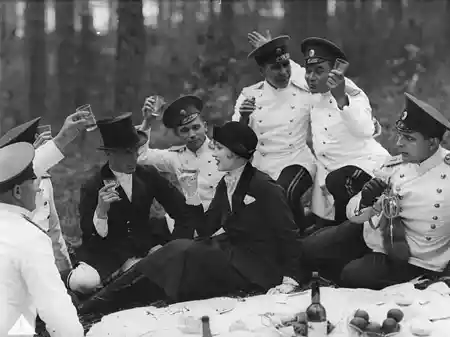
A definitive 5.8/10 rating for a film that redefined the boundaries of cult cinema. Kajastus remains a cornerstone of transgressive art.
Okay, so "Kajastus." If you're into really specific historical dramas, especially ones about national identity and quiet defiance, then yeah, this is probably worth a look. It's not exactly a "pop some corn and chill" kind of movie, more like "sit up straight and pay attention." Folks who need big explosions or clear-cut heroes might find it a bit of a slog, honestly. 🕰️
It kicks off right in the Winter Palace, February 1899. You can almost feel the chill in the air, even if it's just on screen.
Tsar Nicholas II is there, signing this February Manifesto that basically tells Finland, "your self-rule? Yeah, that's done." The whole vibe in that opening scene is heavy. You see the faces, the solemnity, and you just know this isn't good news for anyone but the Tsar himself. It really sets the stage for the conflict without a single line of exposition.
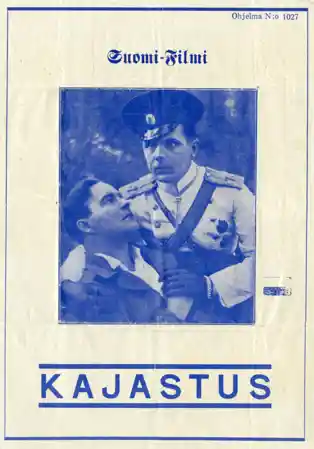
Then it shifts, and you get to see the Finnish reaction. It's not loud protests at first, more like a growing, internal outrage.
The film does a decent job of showing how news, even back then, started to ripple through a community. There's a scene with Katri Rautio, playing... well, I'm not sure her character's name is explicitly stated, but she’s this older woman, maybe a matriarch. Her face just says it all. You can see the anger, but also this deep, weary sadness.
Carl von Haartman, who also helped write it, plays one of the more active opponents. He has this stiff, almost formal intensity. You can tell he believes in what he's doing, even if he looks pretty anxious about the consequences.
The movie takes its time. Sometimes, it feels a little too slow, like a long, drawn-out sigh.
But that deliberate pace actually works for showing the weight of the situation. It's not about quick action, it's about the slow burn of political oppression. There’s this one part, maybe 30 minutes in, where a group of Finns are just sitting around a table, and the camera just stays on them. No one says anything for what feels like ages. You can almost hear the thoughts churning. It’s a bold choice, and it kinda pulls you in, but also makes you fidget a bit.
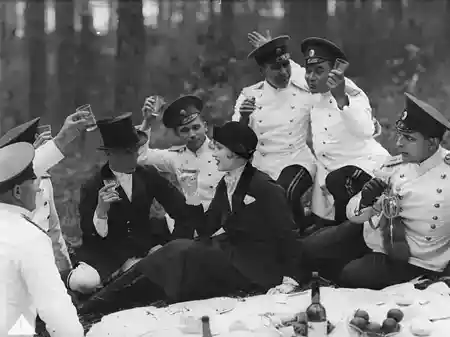
I noticed the uniforms, especially on the Russian side. They're so pristine, so heavy looking, a real contrast to some of the simpler Finnish clothes. It's a quiet visual cue about power dynamics.
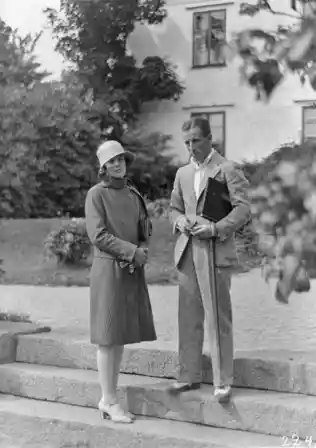
And the way people bow, or don't bow, in certain company. It's all these tiny, often unspoken rules that the film just shows you, instead of explaining. It's subtle, but effective.
There’s a moment with a newspaper, held by a child, almost too big for their hands. It flashes by quick, but it stuck with me – the idea that this political shift would affect everyone, even the littlest ones. 📰
Slin O'Ree, as Tsar Nicholas II, carries this detached air. He feels like someone who thinks he's doing the right thing, but is completely removed from the real impact. His eyes seem a bit distant sometimes.
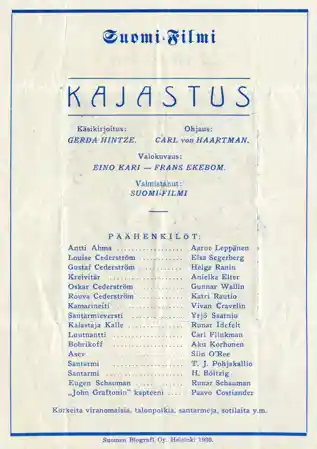
The Finnish actors, particularly those playing everyday people, really sell the sense of quiet resistance. There's less grandstanding, more genuine concern. You feel their frustration.
H. Bölzig has this fleeting appearance as... I think a court official. He just has one of those faces that looks perpetually worried, which felt pretty appropriate for the situation. It made me wonder what his character was really thinking.
"Kajastus" isn't a film that gives you easy answers or a neat ending. It just kinda presents a moment in history, lets you sit with it.
You walk away thinking about the power of small acts of defiance, and how big political changes can just... start with a single pen stroke. It's a reminder that history isn't just dates and names, but real people dealing with real things. A pretty stark one, actually.
IMDb —
1921
Community
Log in to comment.