DbcultAccessing Vault...
6.4/10
Senior Film Conservator
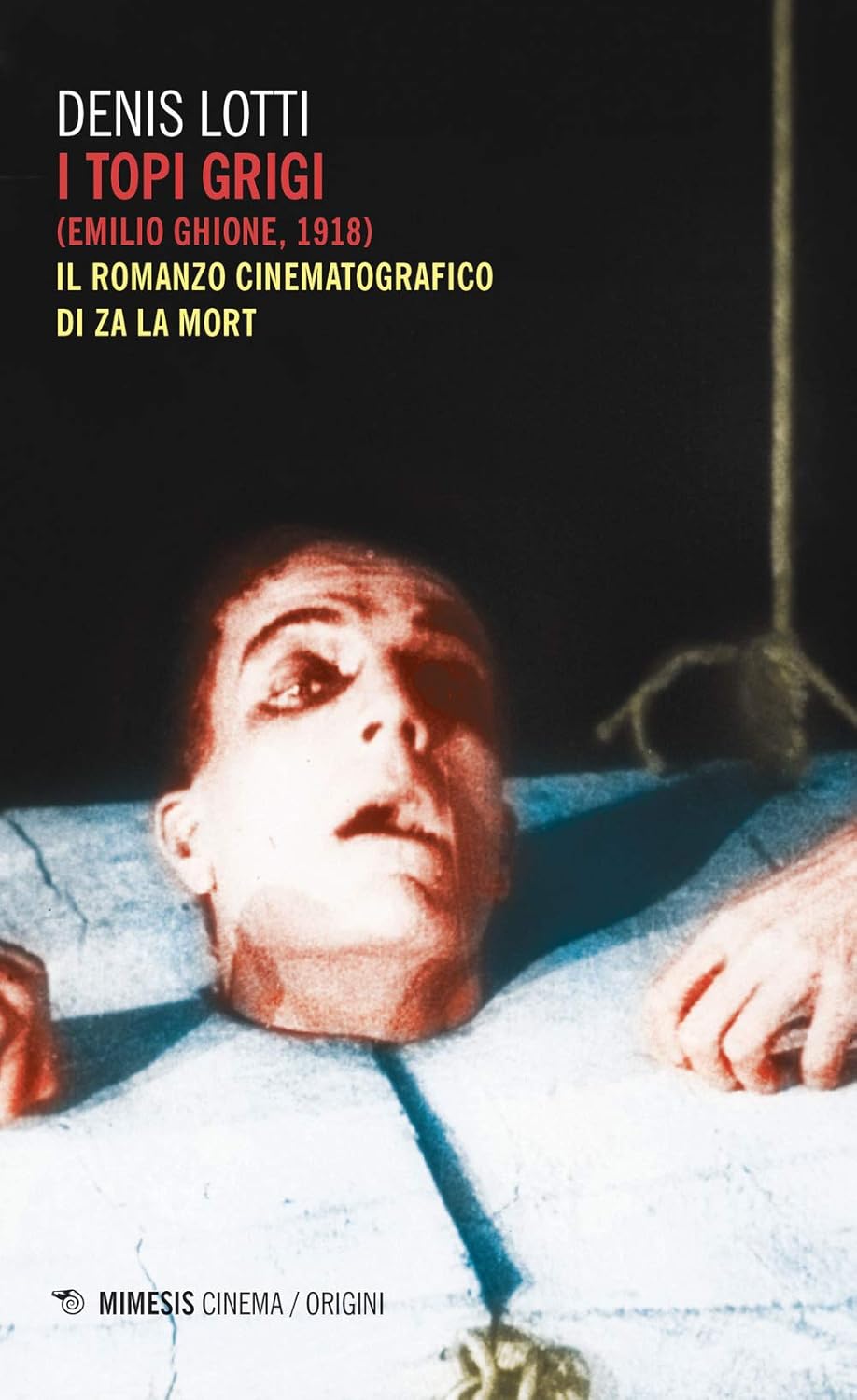
A definitive 6.4/10 rating for a film that redefined the boundaries of cult cinema. I topi grigi remains a cornerstone of transgressive art.
In the pantheon of early European cinema, few figures loom as large or as spectrally as Emilio Ghione. His creation, the 'Apache' Za-la-Mort, was not merely a character but a cultural phenomenon that bridged the gap between the feuilleton novels of the 19th century and the burgeoning language of the silver screen. With I topi grigi (1918), the eighth chapter in this sprawling saga, Ghione reached a zenith of narrative complexity and visual mood that rivals the better-known French serials of Louis Feuillade.
The film is structured as an eight-episode descent into a world of shadows. Unlike the patriotic fervor found in contemporary works like My Country First, Ghione’s lens is trained on the grit and the grime of the urban periphery. The 'Grey Rats' of the title are not just a gang; they are a metaphorical infestation, representing the hidden rot within a society that has forgotten its most vulnerable members. The introduction of young Leo provides a sentimental core that was often absent from the earlier, more nihilistic Za-la-Mort entries.
Ghione’s direction is characterized by a sophisticated use of chiaroscuro. He understands that in the silent era, the absence of light was just as communicative as its presence. The way he stalks through the frame—shoulders hunched, eyes darting, a cigarette perpetually dangling from his lips—creates an atmosphere of constant, low-level paranoia. This is a far cry from the more traditional theatricality of The Spartan Girl, opting instead for a proto-noir aesthetic that would eventually influence the German Expressionists and American hard-boiled cinema.
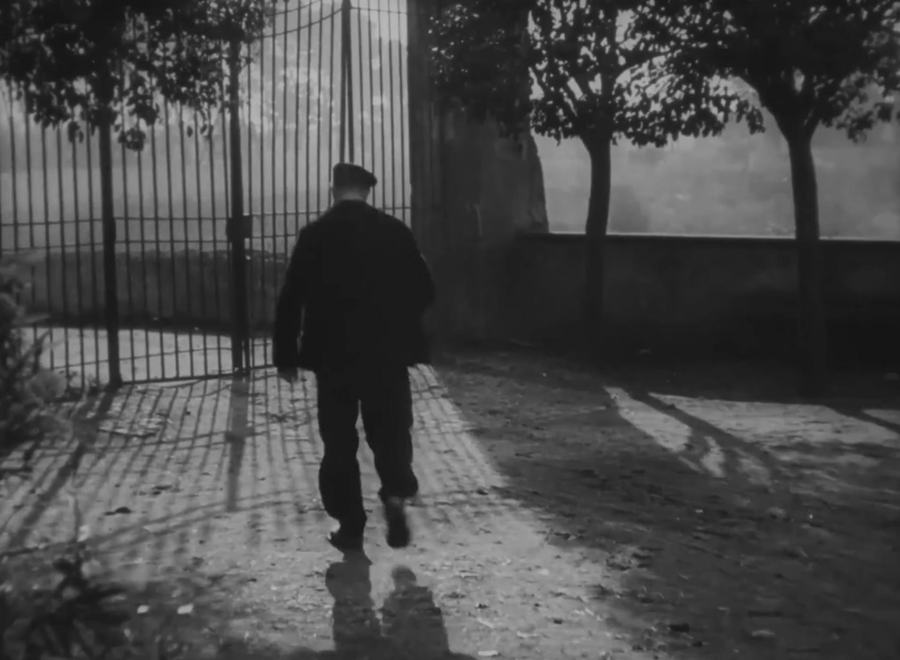
What makes I topi grigi particularly fascinating is the softening of the Za-la-Mort persona. Here, he is less the predatory criminal and more the rogue knight-errant. His adoption of Leo serves as a redemptive arc, a theme often explored in the melodramas of the time, such as Her Soul's Inspiration. However, Ghione keeps the sentimentality in check with bursts of visceral action and a plot that moves with the relentless pace of a fever dream.
The mystery of Leo’s past acts as the narrative engine. Kidnapped as a child, the boy is a living ghost, a vessel for a truth that the Grey Rats are desperate to keep buried. This plot device allows for a series of globe-trotting adventures—or at least the cinematic illusion of them—as the characters move from the slums of Rome to the high-society salons. It is a narrative ambition that echoes the grand scale of The Fall of a Nation, though scaled down to a more intimate, character-driven level.
One cannot discuss the Za-la-Mort series without acknowledging the presence of Kally Sambucini as Za-la-Vie. Her performance is a masterclass in silent screen presence. While many actresses of the era were relegated to roles of the persecuted waif, much like the protagonist in The Woman in 47, Sambucini’s Za-la-Vie is a partner in every sense of the word. She possesses a rugged grace and a steely resolve that makes her the perfect foil to Ghione’s erratic energy.
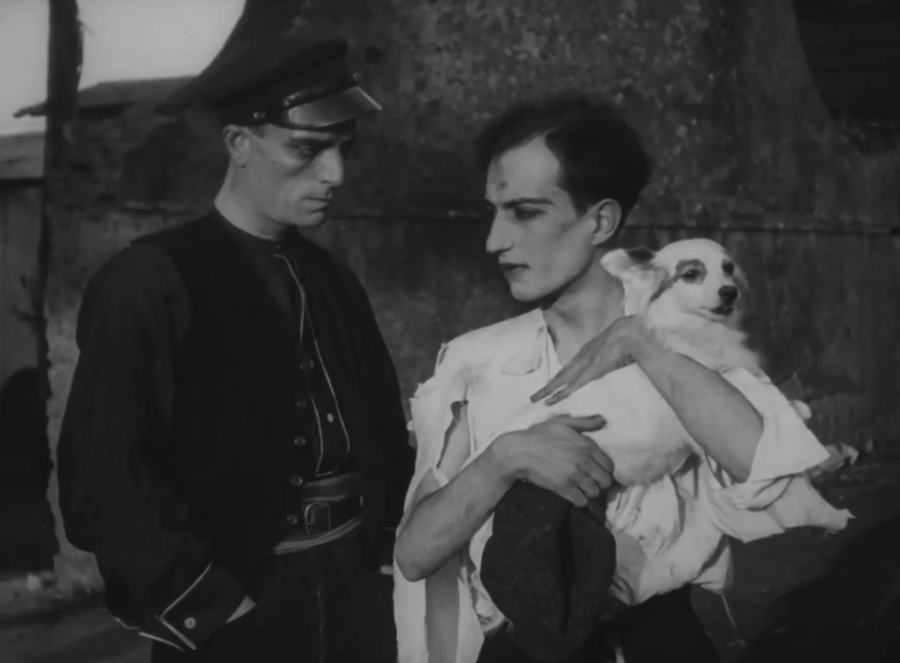
The chemistry between the two is palpable, providing a grounded reality to even the most outlandish plot twists. When compared to the more traditional romantic dynamics in Sapho, the relationship between Za-la-Mort and Za-la-Vie feels remarkably modern—a bond forged in the fires of mutual survival rather than bourgeois convention.
The antagonists in this film are particularly noteworthy for their lack of histrionics. They operate with a cold, bureaucratic efficiency that is far more terrifying than the mustache-twirling villains of lesser serials. Their pursuit of Leo is not merely about a ransom; it is about the preservation of a secret that threatens their very foundation. This element of systemic corruption brings to mind the social critiques found in The Writing on the Wall, where the villains are not just individuals, but the structures they represent.
The episodic nature of the film allows for a slow-burn tension. Each chapter ends with a cliffhanger that feels earned rather than forced. This was a time of great global upheaval, mirrored in the cinematic world by the frantic energy of Velikiye dni Rossiiskoi revolutsii..., and I topi grigi captures that sense of a world on the brink of total transformation. The criminal underworld is presented as a microcosm of the larger geopolitical struggles of 1918.
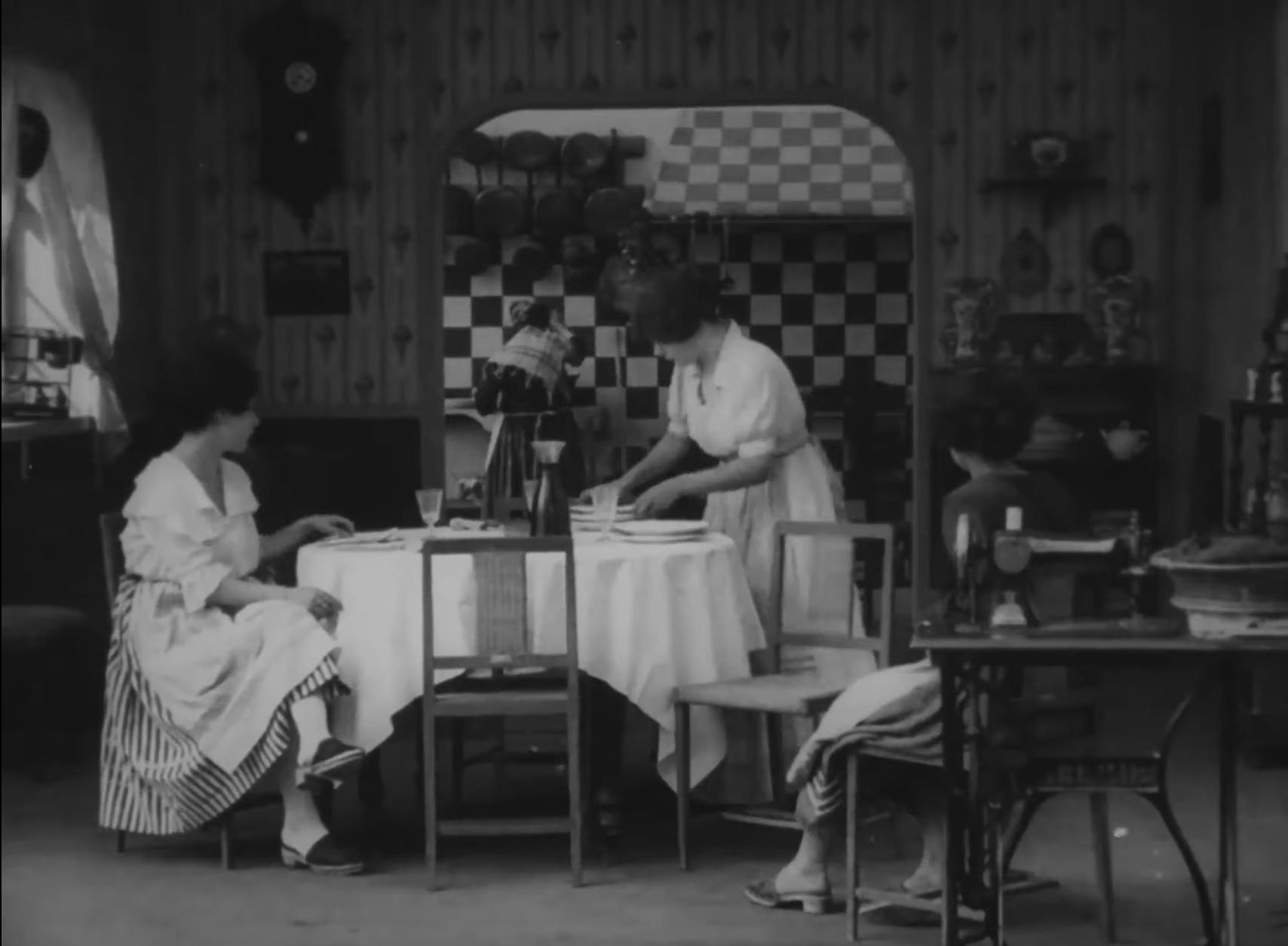
From a technical standpoint, the film is a marvel of its era. The cinematography by Sig Pasquali utilizes deep focus and creative framing to emphasize the claustrophobia of the urban environment. There are sequences in the sewers and abandoned tenements that have a tactile quality, a sense of dampness and decay that you can almost smell. This commitment to verisimilitude sets it apart from the more stagey productions like My Lady Incog.
The editing, too, is surprisingly fluid. Ghione and his writers, including Pio Vanzi, understood the importance of cross-cutting to build suspense. Whether it's a high-stakes chase or a tense interrogation, the rhythm of the film is meticulously controlled. It lacks the static nature of Those Without Sin, opting instead for a visual dynamism that keeps the viewer engaged across its lengthy runtime.
Reflecting on I topi grigi today, one is struck by its sheer audacity. It is a film that dares to be ugly, to be violent, and to be deeply empathetic all at once. It explores themes of betrayal that are as sharp as those in The Serpent's Tooth and mysteries as convoluted as Who Killed Simon Baird?, yet it maintains a singular identity that is uniquely Italian.
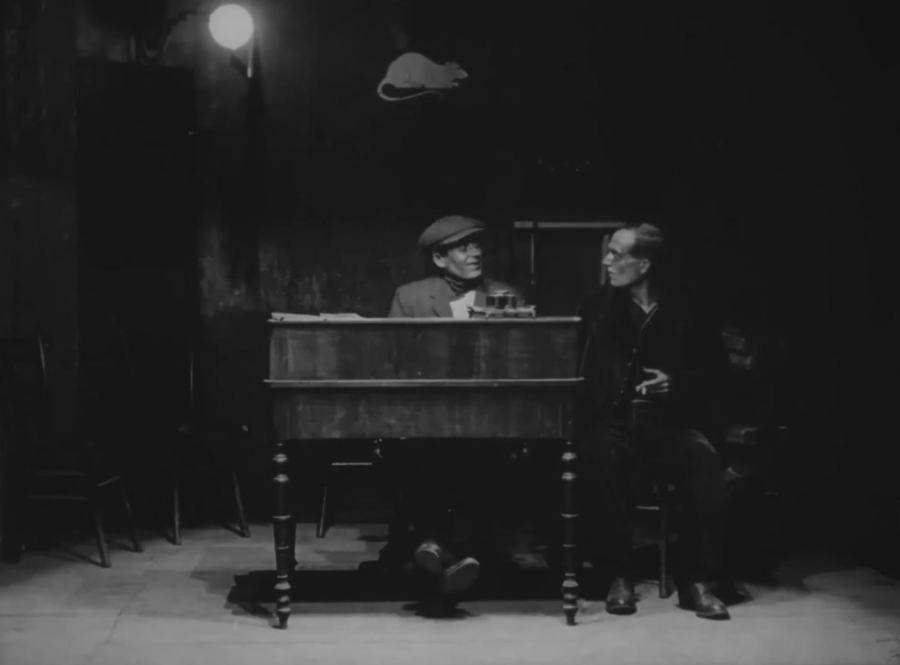
The film also serves as a poignant reminder of the fragility of cinematic history. For decades, many of these episodes were thought lost, much like the ephemeral stories of the Australian outback in The Swagman's Story. Their restoration is a victory for film preservation, allowing us to witness the birth of a genre that would eventually dominate global culture. The 'Apache' might have been a figure of the past, but his influence is immortal.
In conclusion, I topi grigi is not just a relic for film historians; it is a vibrant, breathing piece of art. It captures the zeitgeist of 1918—a year of war, revolution, and profound social change—and filters it through the lens of a crime serial. It is as gritty as The Marked Woman and as epic in its own way as Pro Patria. For anyone interested in the evolution of visual storytelling, Emilio Ghione’s masterpiece is essential viewing. It is a journey into the dark heart of the early 20th century, guided by a man who knew the shadows better than anyone else.
Review by the Cine-Oracle. Stay tuned for more deep dives into the archives of world cinema.
IMDb —
1925
Community
Log in to comment.