DbcultAccessing Vault...
Cult Review
Senior Film Conservator
Setting the Scene
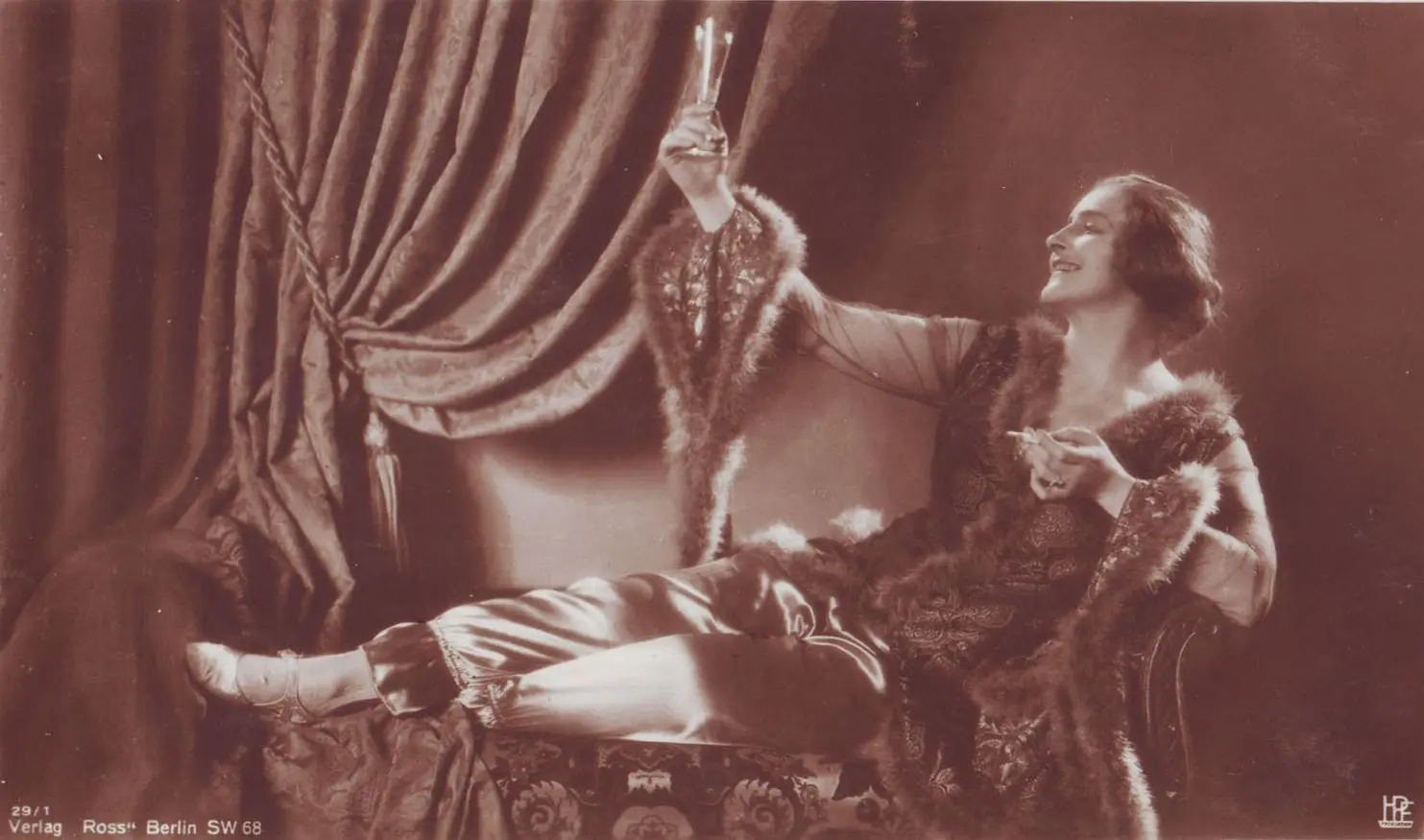
Set amidst the rich cultural milieu of early 20th century Berlin, Kammermusik (1926) is a film that transcends its historical context, offering a profound and evocative portrayal of a chamber music ensemble. The film, directed with a blend of elegance and intensity, captures the essence of collaboration, conflict, and the relentless pursuit of artistic perfection.
The Ensemble
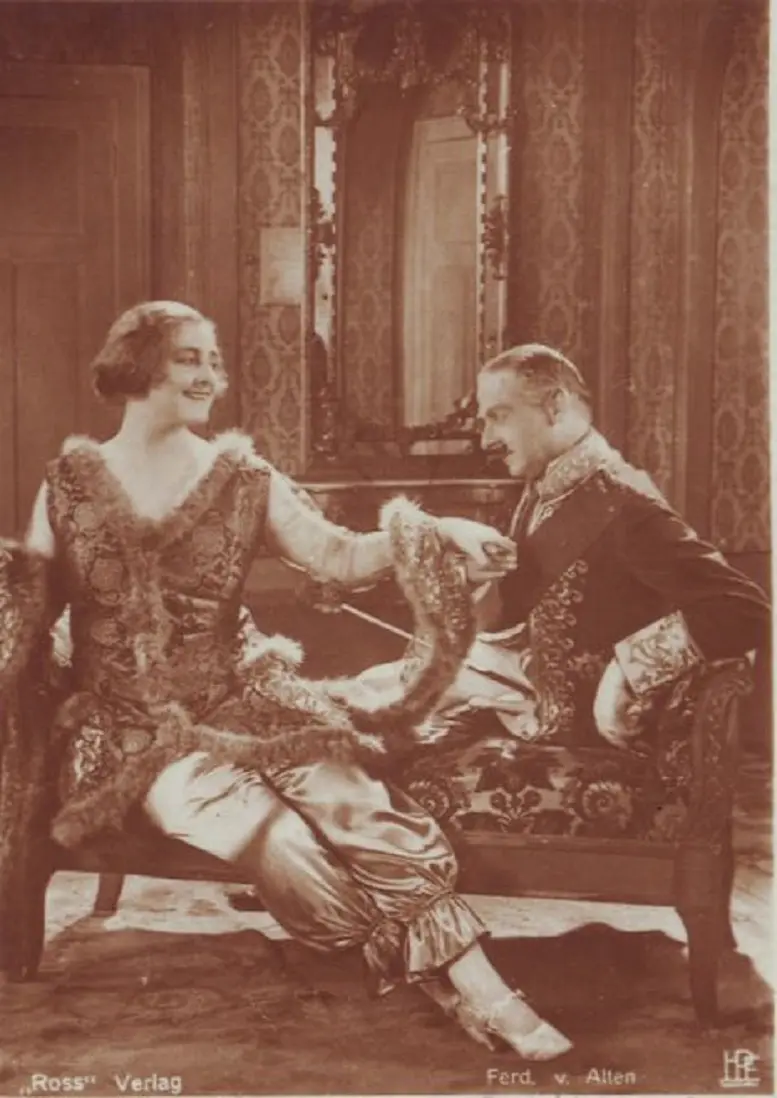
The heart of Kammermusik lies within its ensemble of musicians. Each character, meticulously crafted by the talented cast, brings their own unique personality and passion to the screen. Jakob Tiedtke's portrayal of the lead violinist, Harry Halm as the flamboyant violist, and Livio Pavanelli as the sensitive cellist, are particularly noteworthy. Their interactions, both professional and personal, form the crux of the narrative.

Plot and Themes
At its core, Kammermusik is a story of musicians struggling to reconcile their personal lives with the demands of their craft. The film delves into themes of artistic ambition, the sacrifices made for one's passion, and the complex emotional dynamics within a close-knit group. The plot is intricately woven, with flashbacks and present-day scenes interwoven to provide a comprehensive view of the ensemble's journey.
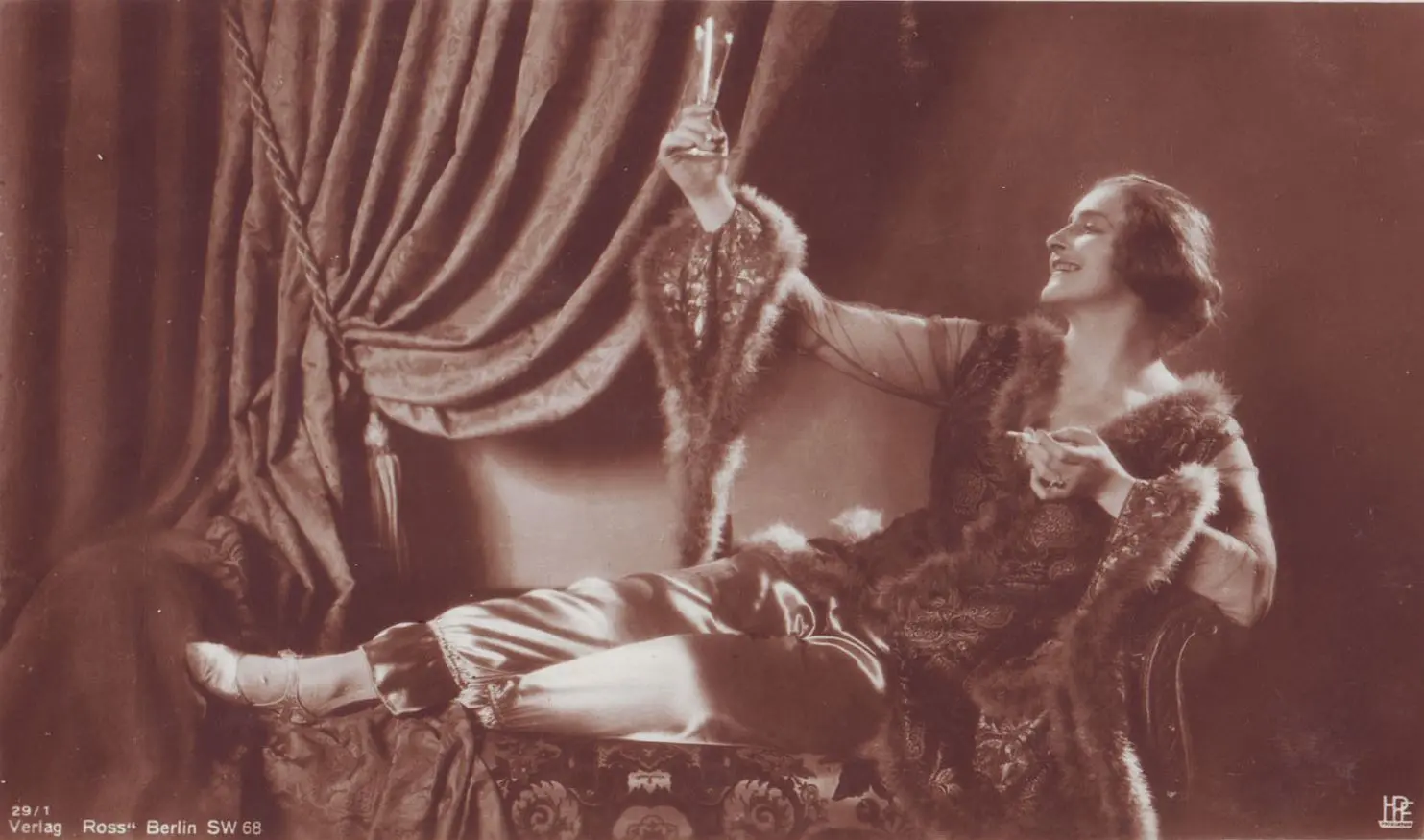
Direction and Cinematography
Director Heinrich Ilgenstein and cinematographer Robert Liebmann have crafted a visual experience that is as captivating as the musical performances depicted. The use of close-ups and carefully composed shots enhances the emotional intensity of the scenes. The soundtrack, though not explicitly mentioned, undoubtedly plays a crucial role in setting the mood and enhancing the overall impact of the film.
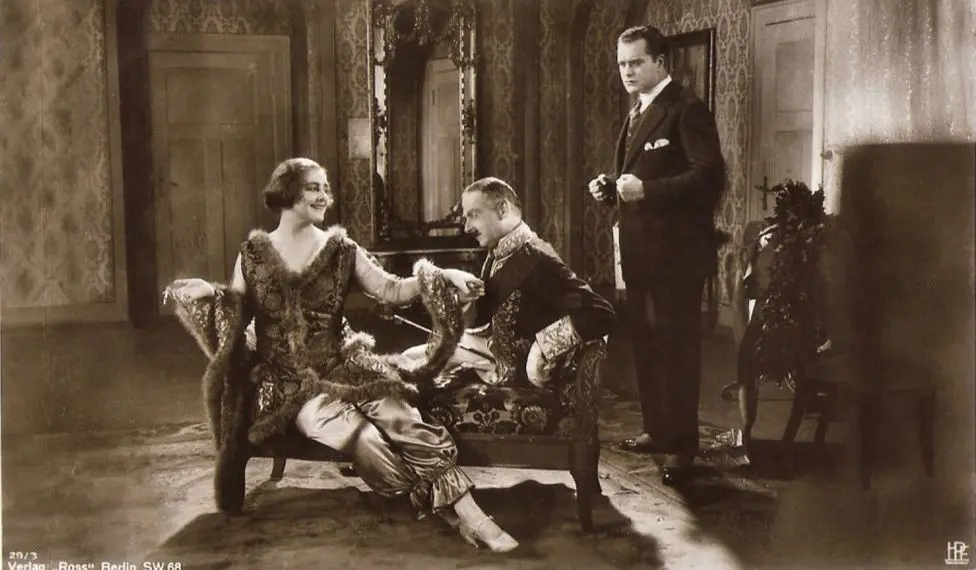
Critical Reception
Upon its release, Kammermusik garnered critical acclaim for its nuanced portrayal of the ensemble and its exploration of the human condition. Critics praised the film's ability to blend the technical aspects of chamber music with the personal struggles of its characters. The film's innovative approach to storytelling and its exploration of the psychological and emotional landscapes of its musicians set it apart from contemporaneous works.
Comparison with Other Films
While Kammermusik stands on its own as a remarkable piece of cinema, it shares thematic and stylistic similarities with other films of its era. For instance, the focus on artistic collaboration and the personal cost of pursuing one's dreams can be reminiscent of films like 'No Parking' (1929) and 'Lady Godiva' (1925). However, Kammermusik's depth and complexity distinguish it as a unique contribution to the art of cinema.
Conclusion
Kammermusik is a film that demands multiple viewings to fully appreciate its layers and nuances. It is a testament to the power of cinema to convey the complexities of human experience through the lens of artistic endeavor. This film is not just about music; it is about the people who create it and the lives that music touches. A must-watch for anyone interested in the intersection of art and human emotion.
IMDb —
1919
Community
Log in to comment.