DbcultAccessing Vault...
6.2/10
Senior Film Conservator
A definitive 6.2/10 rating for a film that redefined the boundaries of cult cinema. Squibs remains a cornerstone of transgressive art.
Squibs (1920) is a cinematic relic that pulses with the raw, unvarnished energy of a bygone era, where the streets of London’s East End served as both a backdrop and a character in the unfolding drama. Directed with unflinching precision, the film dissects the tangled web of familial duty, romantic yearning, and societal corruption through the lens of a Cockney flower-girl whose heart is as entangled as the cobblestone alleys she navigates daily. This is not merely a story of love and crime; it is a socio-cultural autopsy of a community teetering on the edge of moral decay and aspirational reinvention.
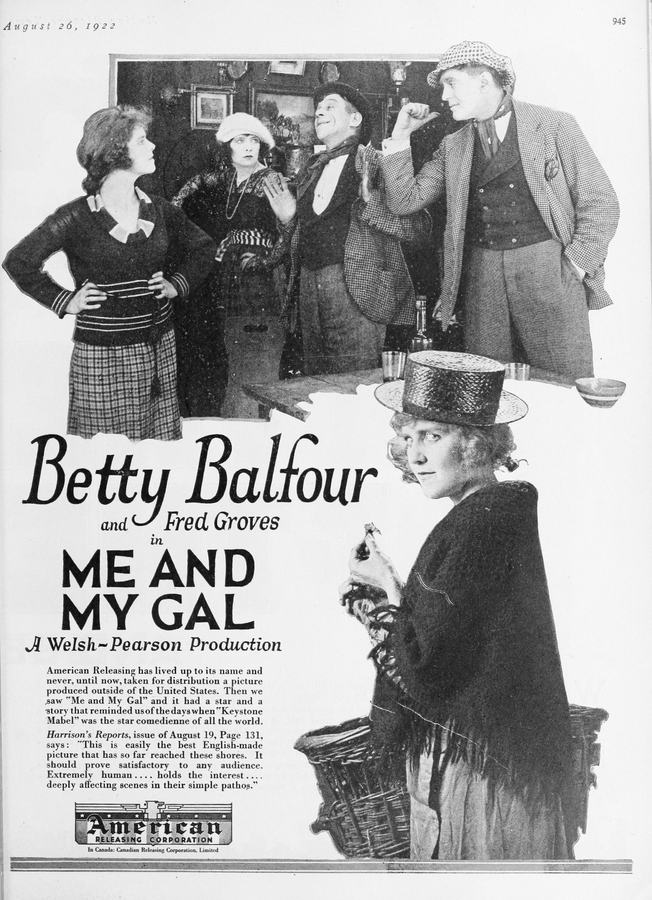
At its core, Squibs hinges on the tension between two worlds: the rigid, aspirational order of law enforcement and the anarchic, profit-driven chaos of the black market. The flower-girl, portrayed with radiant vulnerability by Betty Balfour, is a figure caught in this liminal space. Her love for a policeman (Hugh E. Wright) is portrayed not as a mere romantic subplot but as a metaphor for her desire to transcend her circumstances. Yet her father, a bookie played with gruff authority by William Matthews, and her sister’s entanglement with a crook (Fred Groves) ensure that familial bonds become shackles rather than safety nets.
The film’s strength lies in its unapologetic authenticity. Unlike the sanitized romances of contemporary Hollywood, Squibs does not shy away from the grit of its setting. The dialogue crackles with Cockney rhyming slang, and the camera lingers on the smoke-choked tenements and bustling marketplaces that form the characters’ reality. This immersion into the East End’s textures is reminiscent of George Pearson’s earlier work in The Marriage Pit, though Squibs amplifies the tension between personal agency and systemic oppression.
Hugh E. Wright’s performance as the policeman is a study in understated stoicism. His character is not the archetypal hero but a man burdened by the weight of his uniform, torn between justice and the human connections he cannot fully sever. Wright’s portrayal avoids melodrama, instead grounding the role in a quiet, almost mournful dignity. This restraint contrasts sharply with Fred Groves’ crook, whose flamboyant villainy borders on pantomime, a choice that perhaps reflects the era’s penchant for theatrical excess. Yet even Groves’ over-the-top antics are tempered by moments of unexpected nuance, particularly in scenes where his interactions with the flower-girl’s sister reveal a glimmer of self-awareness.
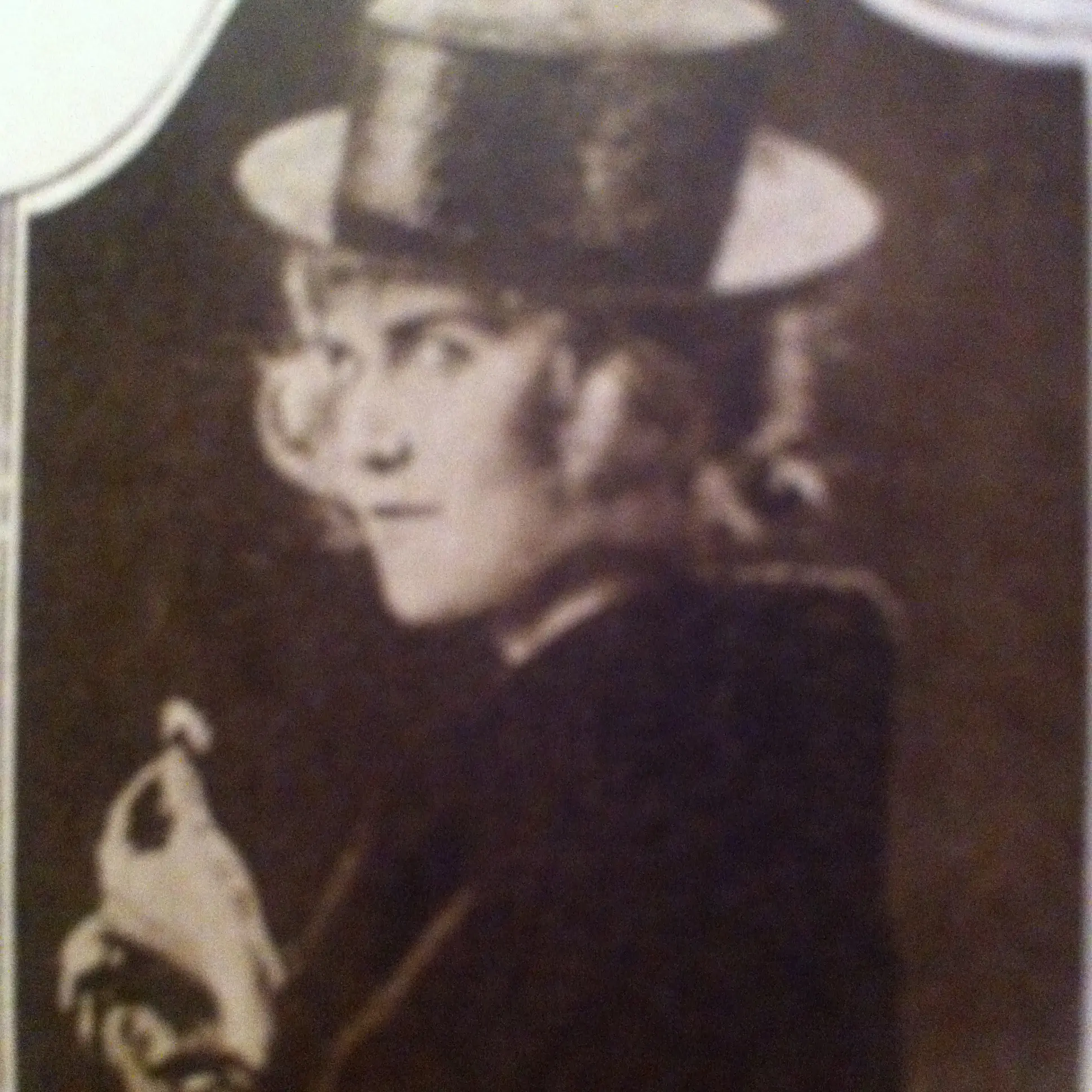
Betty Balfour, however, is the emotional anchor of the film. Her portrayal of the flower-girl is a delicate balancing act between innocence and resilience. In one particularly striking sequence, she sells flowers to a passing constable, her fingers brushing against his as she murmurs a joke in rhyming slang—a moment that encapsulates both the intimacy of their connection and the impossibility of its future. Balfour’s ability to convey vulnerability without succumbing to sentimentality is a testament to her craft, and it elevates Squibs beyond the realm of mere social realism into the territory of humanist cinema.
The film’s visual language is equally noteworthy. The use of high-contrast lighting in the interiors of the bookie’s den creates a chiaroscuro effect that mirrors the moral ambiguity of the characters. In one haunting scene, the flower-girl’s father is silhouetted against a flickering gaslight, his shadow stretching across the room like a portent of the family’s inevitable downfall. These visual motifs echo the stylistic choices seen in The Woman in the Suitcase, though Squibs employs its stark imagery to underscore class struggle rather than psychological horror.
Squibs also excels in its exploration of gender dynamics. The flower-girl’s aspirations are constantly policed by both patriarchal authority (the policeman) and familial expectation (her father’s gambling empire). Her sister’s relationship with the crook serves as a foil, highlighting the limited options available to women in this world: either conform to societal roles or embrace a life of crime. The film avoids offering easy solutions, instead presenting a bleak but honest portrait of women navigating a system that offers them no true agency. This thematic depth is comparable to the feminist undertones in Love Is Love, albeit with a more cynical tone.
The screenplay, a collaboration between Eliot Stannard, George Pearson, and Clifford Seyler, is a labyrinth of intersecting narratives. While this complexity risks muddying the central romance, it ultimately reinforces the film’s central thesis: that individual lives are inextricably tied to the social structures that shape them. The dialogue, peppered with period-specific slang and moralistic proverbs, grounds the film in its historical context while also serving as a critique of the era’s rigid class hierarchies. The pacing, though brisk by modern standards, allows the subplots to breathe, creating a tapestry of interconnected struggles.
One cannot overlook the film’s sound design (or lack thereof, given its silent film origins). The absence of dialogue forces the audience to lean into the visual storytelling, and Squibs responds with a symphony of gestures, glances, and environmental cues. A scene in which the flower-girl listens to the distant clang of a church bell as she walks past the constabulary is rendered with such aching simplicity that it transcends the limitations of the medium. This emotional resonance is a hallmark of pre-code cinema, where silence often spoke louder than words.
The film’s climax, however, is its most polarizing element. Rather than offering a conventional resolution, Squibs opts for an open-ended denouement that leaves the flower-girl’s future in limbo. This choice, while frustrating for those seeking catharsis, is thematically consistent with the film’s exploration of systemic entrapment. The final shot, of the flower-girl walking away from the camera, her back to the viewer, is a masterstroke of ambiguity—a visual metaphor for the uncertainty of her path. This narrative restraint is a departure from the tidy resolutions of contemporaneous films like The End of the Tour, but it is precisely this ambiguity that gives Squibs its enduring power.
In the pantheon of early 20th-century British cinema, Squibs occupies a unique space. It is neither the grandiose melodrama of Cameo Kirby nor the slapstick farce of The Hick, but something more visceral and raw. Its focus on working-class strife and romantic disillusionment aligns it with the social realist movement, yet its stylistic flourishes and psychological depth set it apart. The film’s legacy is perhaps best understood through its influence on later works that grapple with similar themes, such as Life’s Blind Alley, which expands on the motif of familial conflict in a modernist setting.
For modern audiences, Squibs is a window into a forgotten world—one where the boundaries between right and wrong were as blurred as the smoke in a betting shop’s air. While the film’s pacing and dialogue may feel archaic, its exploration of love in the shadow of crime remains achingly relevant. The performances, particularly from Balfour and Wright, transcend their era, offering a glimpse of the timeless struggle to reconcile personal desire with societal expectation. In an age where streaming platforms inundate viewers with remakes and reboots, Squibs stands as a reminder of cinema’s power to capture the raw, unvarnished human experience.
IMDb —
1916
Community
Log in to comment.