DbcultAccessing Vault...
Cult Review
Senior Film Conservator
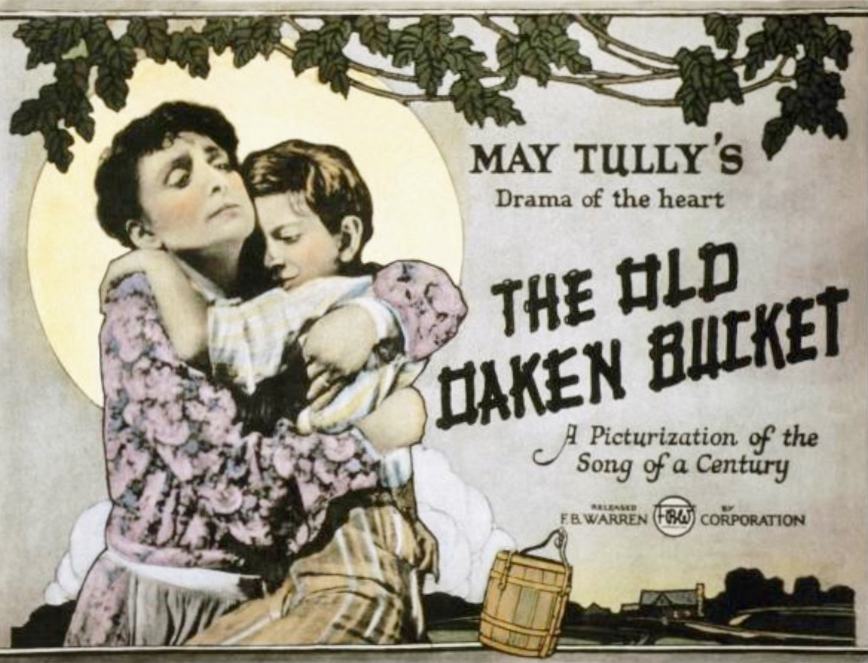
The moment Paul Kelly’s character, a Wall Street figure whose face is etched with the fatigue of a thousand stock tickers, locks eyes with a group of children tossing a ball near a hotel, the film’s heartbeat begins. This is no mere narrative device; it’s a seismic shift in emotional gravity. The children’s laughter, bright as the yellow sun filtering through the trees, becomes the thread that pulls him back to a world where time was measured in seasons, not spreadsheets. The scene is a masterstroke of visual storytelling, with Bobby Connelly’s camera lingering on the hotel’s grandiose architecture—a stark contrast to the rustic simplicity of the homestead that awaits him. The juxtaposition is deliberate: the hotel symbolizes the gilded cage of modernity, while the orchard represents the unspoiled, if fragile, heart of human connection.
As the financier speeds to his childhood home, the car becomes a vessel of temporal displacement. The road, winding and unbroken, mirrors the film’s structure—a linear descent into memory, rendered in sea blue shadows and golden dappled light. When he steps into the orchard, the world shifts. The air is thick with the scent of overripe fruit, and the fruit itself—a mere apple—becomes a Rosetta Stone for his past. The bite is almost sacramental, a communion with a self he thought he’d buried beneath layers of financial acumen and social detachment. Here, Harrison and Tully’s script excels: the dialogue is sparse, but the silences are loaded, each one a monument to lost time. The film’s pacing is deliberate, allowing the viewer to savor the ache of recognition as the protagonist relives his childhood games and the sacred ritual of the swimming hole. These sequences are not just flashbacks; they’re palimpsests of identity, where every scar and memory is a glyph in a language only he can read.
The baseball game that follows is a revelation. Kelly’s character, initially awkward in the presence of the children, sheds his urban inhibitions like a snake shedding skin. His laughter, deep and unguarded, is a stark contrast to the forced smiles of his corporate life. The scene is a microcosm of the film’s thesis: that play is not just for children, but a necessity for the soul. The cinematography here is particularly striking—the slow-motion shots of the ball arc through the air, the sweat glistening on the players’ brows, the grasses swaying in the wind like whispers of forgotten summers. It’s a moment of pure cinema, where form and content coalesce into something transcendent.
Then comes the encounter with Mary Beth Barnelle’s character, the boyhood sweetheart. Their meeting is a study in restrained emotion. No grand declarations, no tearful embraces—just a glance, a smile, and a walk down the rustic lane. The dialogue is minimal, but the subtext is a veritable symphony. Barnelle’s performance is a masterclass in subtlety; her eyes hold the weight of a lifetime of choices unspoken. Kelly, in turn, conveys a man grappling with the duality of longing: to stay in this moment of purity or return to the city’s suffocating embrace. The scene is reminiscent of the reunion in Way Down East, though here the stakes are more internal than external. The director’s choice to frame their walk with deep sea blue shadows and yellow-tinged sunlight is no accident—it mirrors the emotional duality of the characters, caught between the warmth of memory and the cold logic of the present.
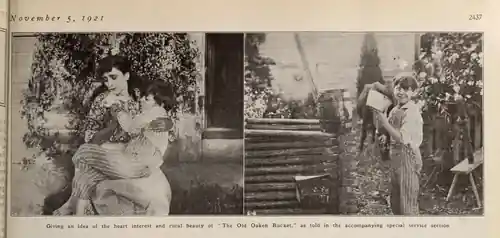
Thematically, the film is a meditation on the paradox of progress. The financier’s journey is not just a personal one but a societal critique. The orchard, with its gnarled trees and unyielding roots, stands as a counterpoint to the hotel’s sterile modernity. The script, penned by E.S. Harrison and May Tully, is steeped in a nostalgia that feels both intimate and universal. It’s a rare feat to make a film about memory that doesn’t descend into sentimentality, but here, the emotional resonance is earned through meticulous craftsmanship. The use of diegetic sound is particularly effective—the distant chirping of birds, the creak of the old fence, the rustle of leaves—all serve to ground the audience in the protagonist’s subjective reality.
Comparisons to The Old Swimmin’ Hole are inevitable, but Harrison and Tully’s work here is distinct. Where that film leaned into the melancholy of lost love, this one explores the bittersweet nature of self-reconciliation. The supporting cast, including Violet Axzelle and Joseph W. Smiley, provides the necessary emotional texture without overshadowing the central narrative. Axzelle’s portrayal of a motherly figure on the homestead is particularly touching, her scenes with Kelly a quiet testament to the film’s belief in the redemptive power of human connection.
Visually, the film is a triumph. Connelly’s cinematography is lush without being overbearing, with each frame a deliberate painting in the overall narrative. The use of color is symbolic: yellow for nostalgia, sea blue for introspection, and the ever-present dark orange of the setting sun—a reminder of time’s inexorable march. The editing, though simple, is precise, allowing the story to breathe without losing momentum. The score, a subtle blend of folk melodies and ambient nature sounds, enhances the film’s ethereal quality.
For modern audiences, The Old Oaken Bucket is a reminder of cinema’s power to distill complex emotions into visual poetry. It’s a film that rewards repeated viewings, each time revealing new layers in its exploration of memory, identity, and the human condition. In an age where streaming platforms are flooded with fast-paced narratives, this film is a welcome return to the slow, deliberate storytelling that characterized the Golden Age of Hollywood.
Ultimately, The Old Oaken Bucket is not just a story of one man’s journey—it’s a mirror held up to all of us. It asks: What would happen if we returned to the orchard of our youth? Would we find solace in the old paths, or would we be haunted by the choices we’ve made? The film leaves these questions open, but in doing so, invites us to find our own answers. It’s a cinematic hymn to the enduring power of memory, and a testament to the idea that sometimes, the most profound journeys are the ones we take within ourselves.
IMDb 6.3
1933
Community
Log in to comment.