DbcultAccessing Vault...
4.6/10
Senior Film Conservator
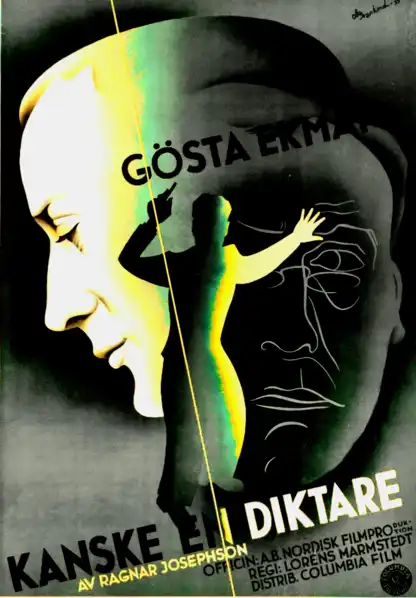
A definitive 4.6/10 rating for a film that redefined the boundaries of cult cinema. Kanske en diktare remains a cornerstone of transgressive art.
You should probably watch this if you like movies that feel like quiet, dusty rooms. It is definitely for people who enjoy character studies where not much happens until suddenly everything happens at once.
If you are looking for a fast-paced thriller, you will probably hate this. It moves like molasses in January, but in a way that feels intentional.
Filip is the main character and he is a coat janitor. He works in a restaurant basement, basically. He is a bit of a weirdo, but a nice weirdo.
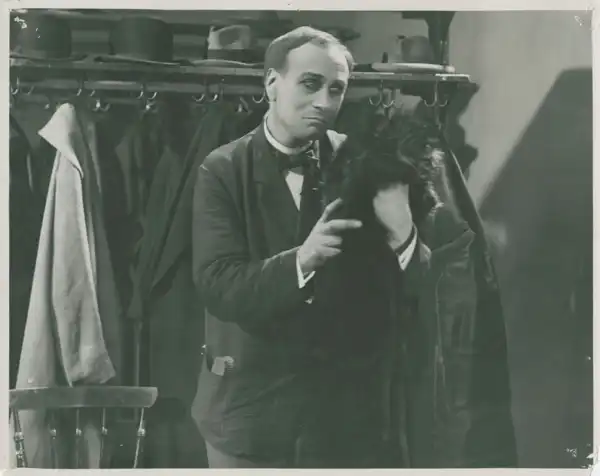
He has this thing where he looks at a coat and thinks he knows the person's whole soul. He calls them 'the clothes' instead of their names. It is kind of sweet but also a little bit sad because he clearly has no life of his own.
The actor, Gunnar Olsson, has these very expressive eyes. He looks like he is always about to cry or tell a secret. I found myself staring at his hands a lot because he handles the garments with so much care.
Then the 'real' plot kicks in. Three people come in and they are all bad news.
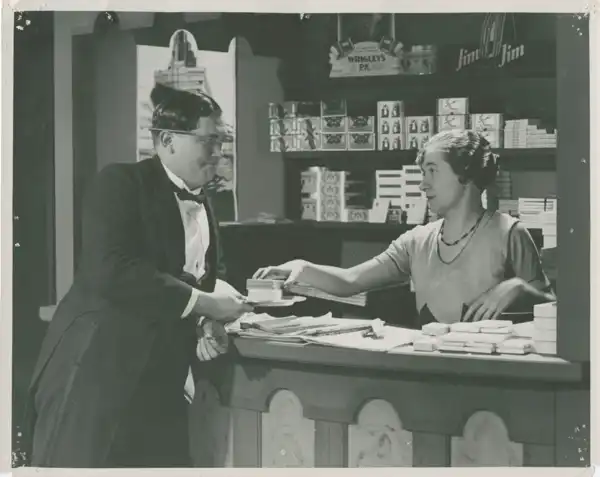
There is Viding, who is a loud-mouth, his wife Jane, and a guy named Kurtz. Kurtz is the worst. He is a manager who seems to enjoy making people feel small.
Viding owes Kurtz money. A lot of it. And he basically tells his wife Jane to be 'nice' to Kurtz to fix the debt. It is really uncomfortable to watch, even for a movie from 1933.
Jane doesn't say much. She just looks tired. Very, very tired.
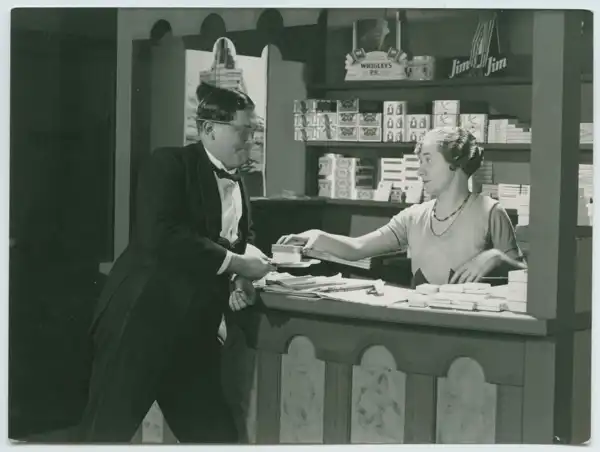
The movie gets interesting when Filip watches them from his little counter. He sees Jane pull a gun out of her pocket. My heart actually jumped a bit because the movie had been so quiet until then.
The restaurant setting feels very real. You can almost smell the old tobacco and the heavy perfume. It reminds me of the atmosphere in Hotel Paradiso, but much darker and less funny.
One thing that bothered me was the lighting in the hallway. It was so dark I couldn't tell who was walking toward the camera for a second. Maybe that was the point? To show how confused Filip was?
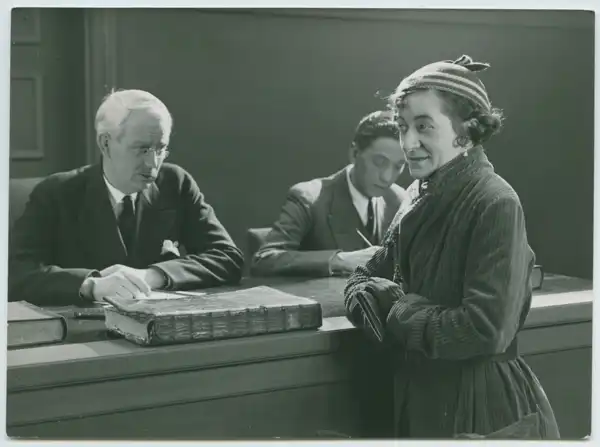
There is a scene where Filip is talking to a coat like it is his best friend. It goes on for a long time. Too long, maybe. I started checking my phone for a second, but then he said something so heartbreaking I felt guilty.
The dialogue is a bit theatrical. People don't really talk like this anymore. They use big words and stop for long pauses. It feels like a play that someone decided to film on a whim.
I liked the way the camera stayed on Jane's face when she was deciding what to do with the gun. You can see her brain working. It is much more effective than a bunch of quick cuts.
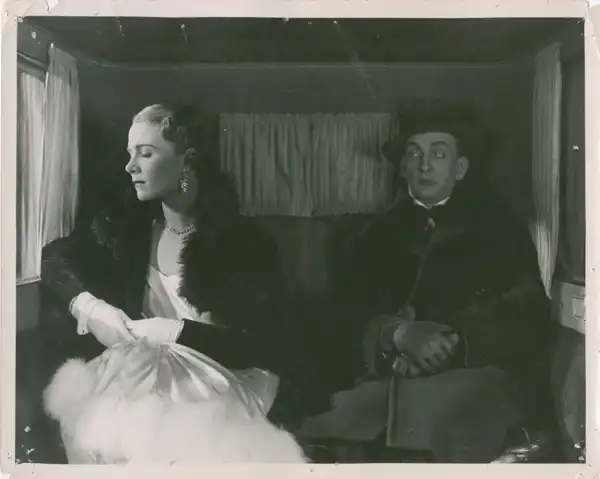
It is a bit like The Widow from Chicago in how it handles the 'desperate woman' trope, but it feels more grounded in reality. Jane isn't a femme fatale; she's just a person who has had enough.
The ending is... well, it is something. It doesn't wrap everything up in a neat little bow. I like that. I hate when movies try to fix every problem in the last five minutes.
The music is also very sparse. Sometimes there is just the sound of clinking glasses from the dining room upstairs. It makes Filip's basement feel even more lonely.
I noticed a small mistake where a shadow of a microphone or something appeared on the wall during the big confrontation. It didn't ruin it, but it made me chuckle. Old movies are funny like that.
Filip is a poet, but not the kind that writes books. He's the kind that just dreams. Maybe that's enough for him, but it's hard to watch him lose his grip on things.
Anyway, if you find a copy of this, give it a shot. Just make sure you are in a quiet mood. It's a sad little story that stays in your head after you turn it off.
It's better than most of the stuff from that year. It feels honest. And that is hard to find.
IMDb 5.9
1927
Community
Log in to comment.