DbcultAccessing Vault...
5.9/10
Senior Film Conservator
A definitive 5.9/10 rating for a film that redefined the boundaries of cult cinema. Rolled Stockings remains a cornerstone of transgressive art.
Is Rolled Stockings a lost relic worth obsessing over? Short answer: Yes, but primarily for the sheer magnetism of Louise Brooks rather than its predictable collegiate plot.
This film is for silent cinema enthusiasts who crave the specific energy of the 1920s "college movie" and fans of the iconic Brooks bob. It is not for those who demand a groundbreaking narrative or high-octane action, as it leans heavily into the familiar tropes of sibling rivalry and athletic honor.
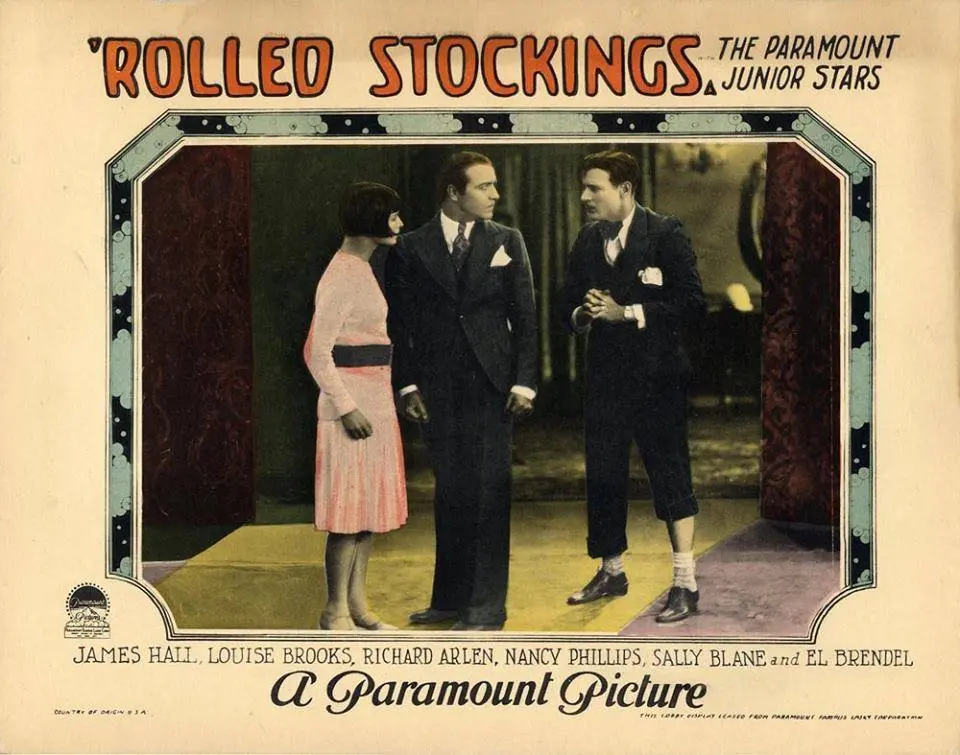
1) This film works because it perfectly captures the transition of 1920s youth culture from Victorian rigidity to Jazz Age rebellion.
2) This film fails because the redemption of the younger brother feels unearned and overly sentimental.
3) You should watch it if you want to see Louise Brooks at the height of her silent-era charm, even in a secondary role.
By the late 1920s, the American public was obsessed with the idea of the university as a playground for both athletic heroism and moral testing. Rolled Stockings fits neatly into this niche, using the sport of rowing as a metaphor for the synchronized effort required by the American family unit. The Treadway patriarch is a man of singular focus, viewing his sons not as individuals but as extensions of his own legacy. When James Hall’s Jim fails to make the crew, the disappointment isn't just personal—it’s existential. This setup provides a surprisingly dark undercurrent to what might otherwise be a light campus romp.
Unlike the more experimental works of the time, such as J'accuse!, Rolled Stockings stays grounded in the domestic. The stakes are small—a dance, a rowing race, a girl—but for the characters involved, they are everything. The film captures that specific, youthful myopia where a single social slight feels like the end of the world. It’s a bit much. But then again, 1927 was a bit much.

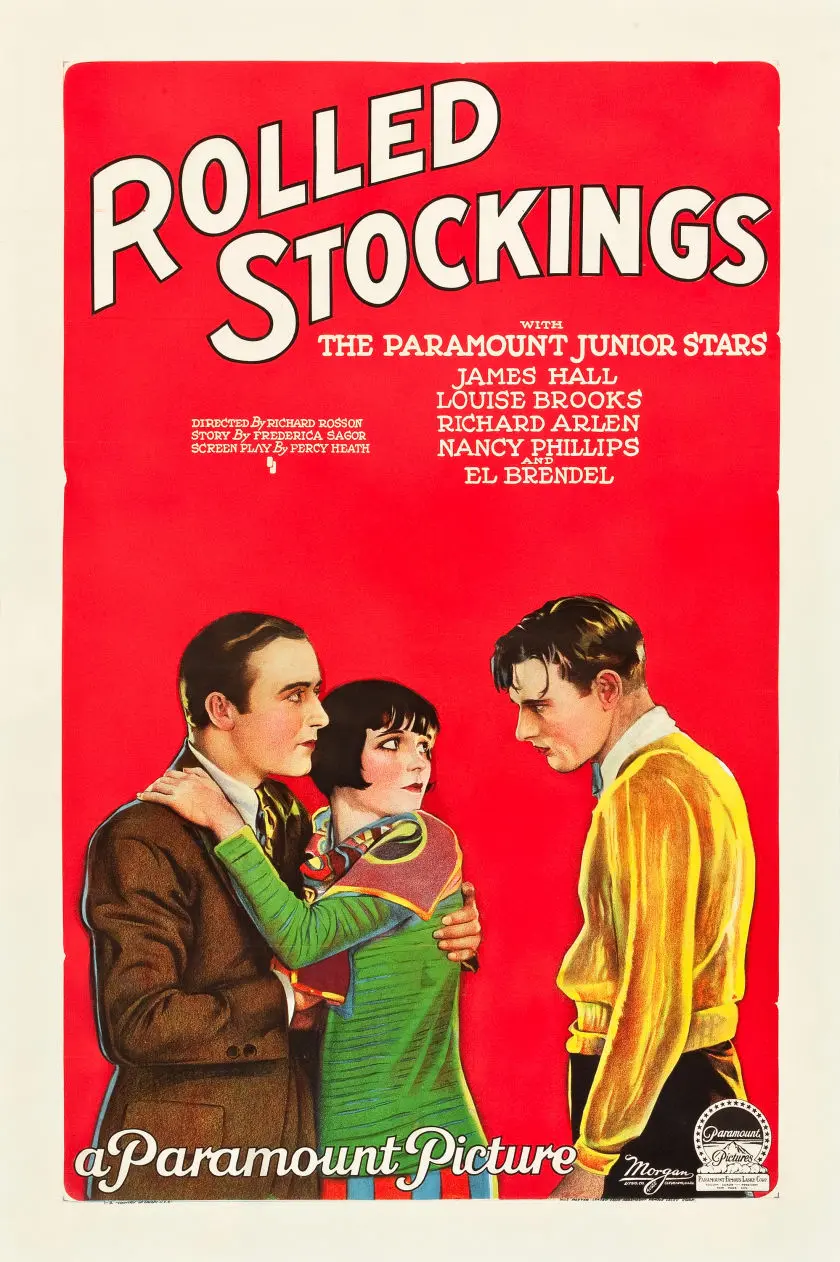
Let’s be honest: most people watching this today are doing so for Louise Brooks. Even in a role that could have been a generic love interest, Brooks brings an internal life that her co-stars often lack. While Richard Arlen and James Hall are busy projecting "earnest college man," Brooks is playing a woman who seems to know a secret the rest of the cast hasn't figured out yet. Her Carol Fleming isn't a prize to be won; she’s a participant in the drama, making her own choices about which brother deserves her attention.
There is a specific moment at the dance where Brooks’ gaze shifts from Ralph to Jim, and you can see the entire power dynamic of the film pivot. She doesn't need a title card to explain her internal conflict. Her performance style was years ahead of its time, eschewing the pantomime common in silents for something more naturalistic and cinematic. It makes the surrounding melodrama feel slightly dusty by comparison.
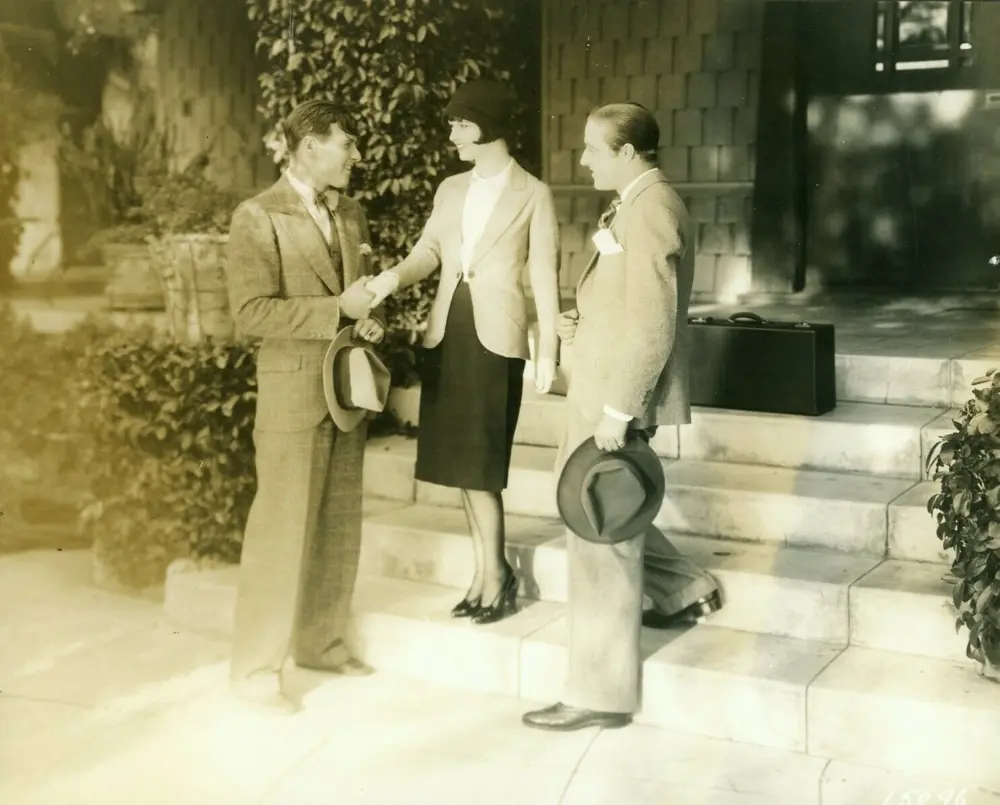
The film’s turning point occurs not on the water, but in a roadhouse. This was a common trope in 1920s cinema—the "den of iniquity" where the good boy goes bad. Ralph’s decision to take a "jazzy young blonde" to such a place is a direct middle finger to the training rules that have suppressed his personality. The contrast between the disciplined athlete and the reckless youth is handled with a surprising amount of nuance by Richard Arlen.
The fight between the brothers in the roadhouse is the film’s visceral peak. It’s messy and uncoordinated, lacking the polished choreography of modern cinema. This lack of polish makes it feel more authentic. When Jim takes the fall for Ralph, we see the first true crack in the Treadway family’s facade of perfection. It’s a brutal moment of realization for the father, who has spent the entire film backing the wrong horse. The cinematography here uses shadows effectively, leaning into a proto-noir aesthetic that contrasts sharply with the sun-drenched rowing scenes.
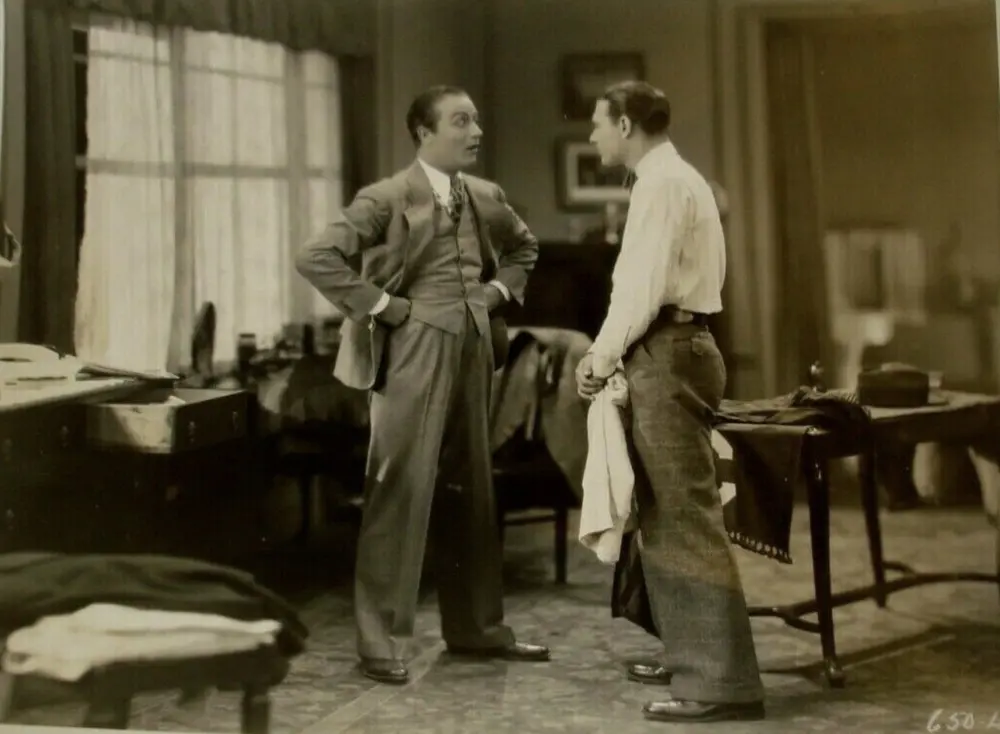
Yes, Rolled Stockings is worth watching if you are a student of film history or a fan of the 1920s flapper era. It provides a fascinating look at the social pressures of the time and features a standout performance by Louise Brooks. While the plot is somewhat formulaic, the technical execution of the rowing sequences and the chemistry between the leads keep it engaging. It is a solid example of the high-quality studio output from Paramount during the silent era's twilight.
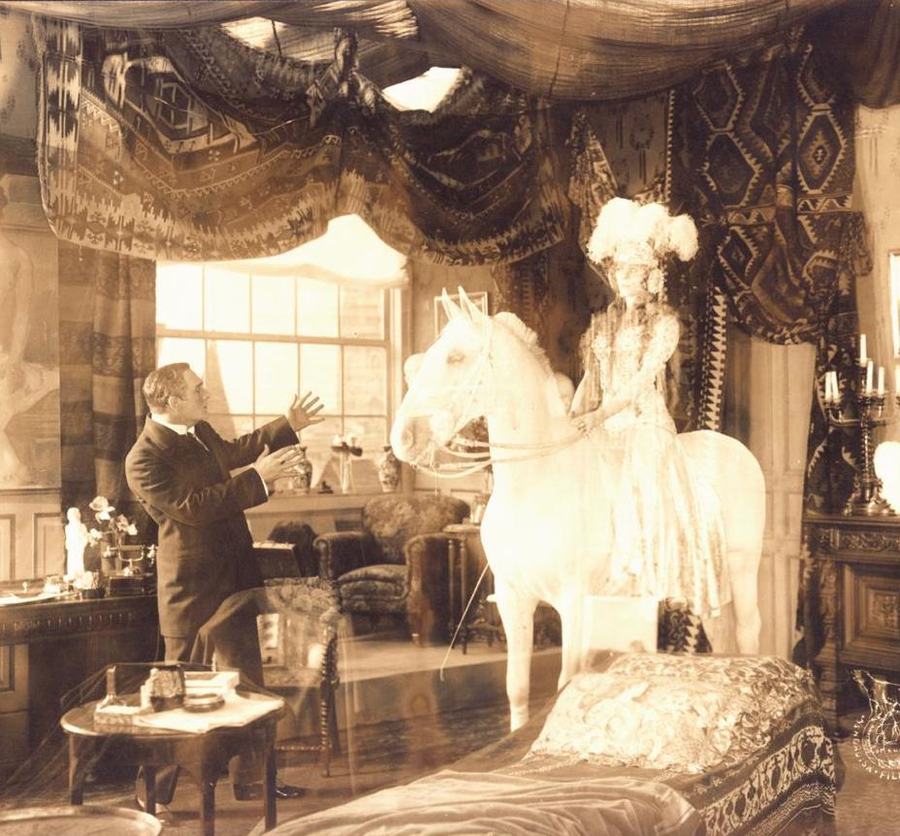
The pacing of Rolled Stockings is surprisingly brisk. Unlike some of its contemporaries, like the slower-moving Alraune, this film understands the need for kinetic energy. The rowing scenes are edited with a rhythmic precision that mimics the oars hitting the water. You feel the physical exhaustion of the actors, which adds a layer of realism to the otherwise heightened drama.
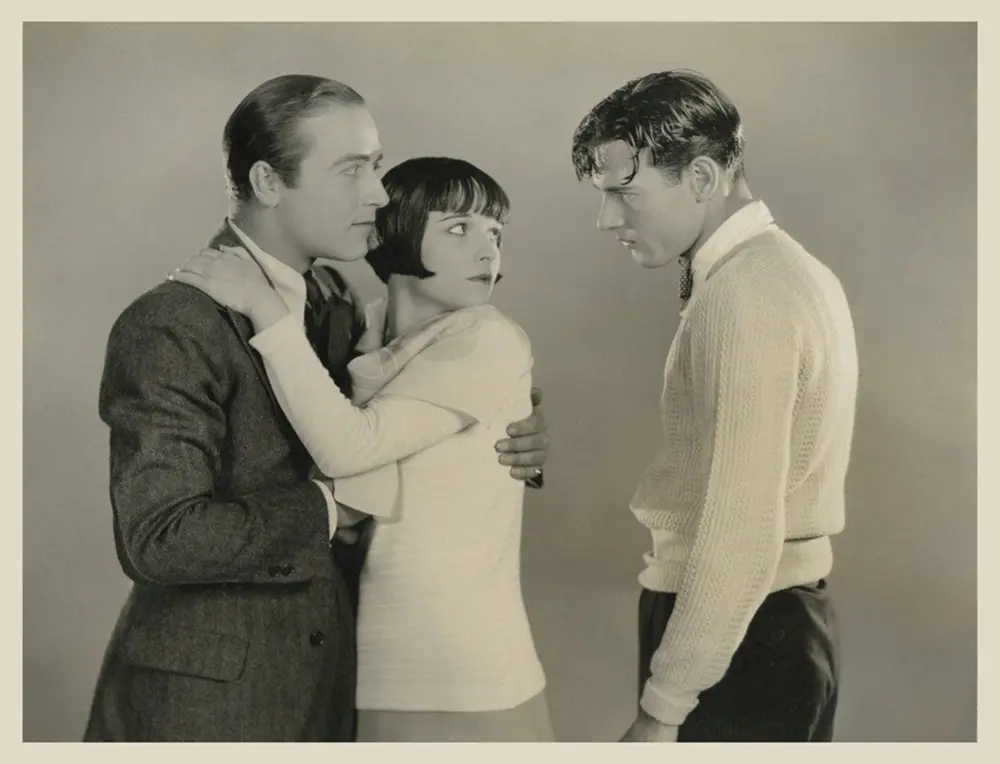
The cinematography doesn't take many risks, but it is incredibly competent. The use of natural light during the campus scenes creates a sense of nostalgia for a "golden age" of university life that probably never existed. It’s a romanticized view of academia, much like what we see in The Country Heir, but with a more cynical edge regarding family expectations.
Pros:
The film offers a vivid snapshot of 1920s youth culture and "Jazz Age" aesthetics. The chemistry between Richard Arlen and Louise Brooks is palpable. The rowing sequences are technically impressive for the time and provide a genuine sense of scale.
Cons:
The plot relies on several coincidences that feel thin by modern standards. The character of the father is a one-dimensional antagonist whose eventual change of heart feels rushed. Some of the comic relief, particularly from El Brendel, hasn't aged as well as the drama.
Rolled Stockings is a fascinating, if slightly uneven, piece of silent cinema. It survives primarily as a testament to Louise Brooks' star power, but it offers enough thematic depth regarding the burden of family legacy to keep a modern audience interested. It doesn't reach the epic heights of J'accuse!, nor does it possess the psychological weirdness of Alraune, but it occupies a comfortable middle ground as a well-crafted studio drama. It works. But it’s flawed. If you can appreciate it as a window into a bygone social era, you’ll find plenty to enjoy in the Treadway brothers' struggle for the finish line.
IMDb 5.9
1935
Community
Log in to comment.