DbcultAccessing Vault...
Cult Review
Senior Film Conservator
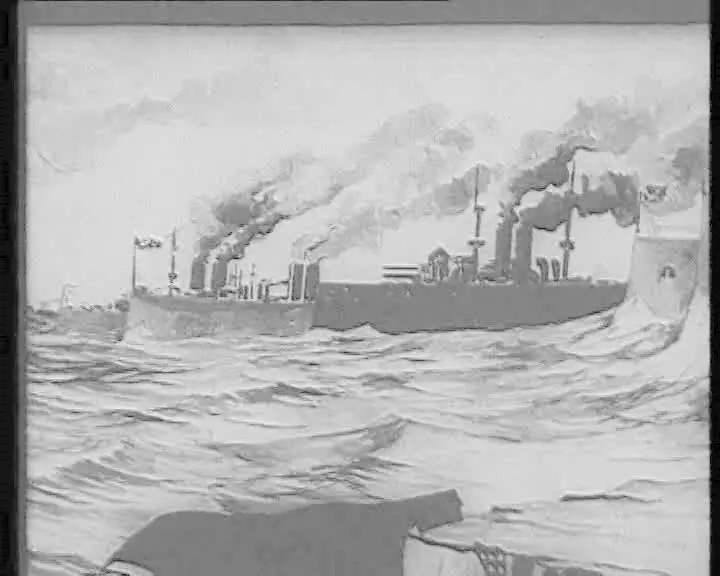
From the very first frame, Grigoriy Boltyanskiy's 'Kar'era Makdonal'da' asserts itself not merely as a film, but as a searing, almost surgical examination of the human psyche under the relentless pressure of ambition. It’s a cinematic experience that doesn't just entertain; it compels introspection, forcing viewers to confront uncomfortable truths about power, compromise, and the often-insidious path to success. Boltyanskiy, a writer of immense intellectual fortitude, crafts a narrative that is both expansive in its thematic reach and acutely intimate in its character study, particularly through the central figure of Makdonal'd. This isn't a story of grand gestures or overt villainy, but rather a meticulous dissection of incremental moral decay, a slow-burn tragedy disguised as a triumph.
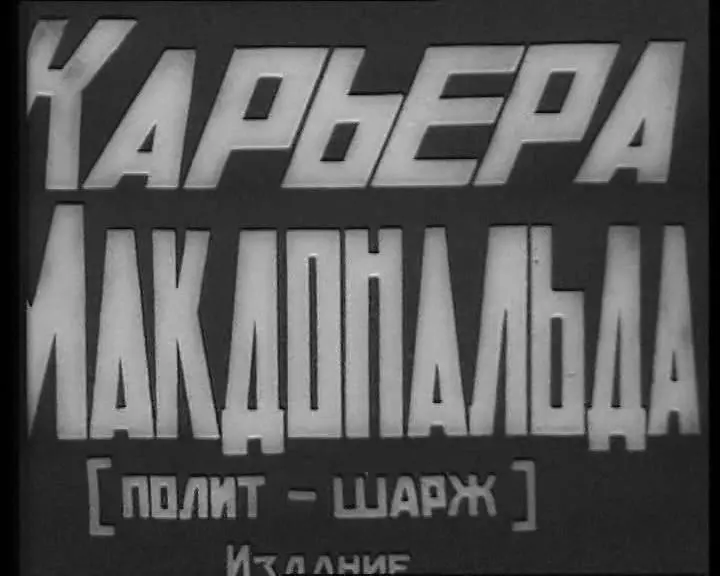
Aleksandr Buskin delivers a performance in 'Kar'era Makdonal'da' that is nothing short of mesmerizing. His portrayal of Makdonal'd is a masterclass in subtlety, a nuanced exploration of a man whose initial idealism slowly, almost imperceptibly, erodes under the relentless pursuit of power. Buskin doesn't play Makdonal'd as a caricature of ambition, but rather as a complex individual, replete with moments of doubt, fleeting glimpses of his former self, and the chilling realization of the path he has chosen. We see the flicker of a conscience in his eyes before it's extinguished by a calculated decision, the tremor in his hand before it steadies for an act of betrayal. This isn't a sudden fall from grace, but a protracted, agonizing descent, rendered with heartbreaking precision by Buskin. His physical presence, initially vibrant and earnest, gradually stiffens, his gaze becoming more guarded, his smile a practiced affectation. It's a performance that lingers long after the credits roll, a stark reminder of the corrosive power of unchecked desire.
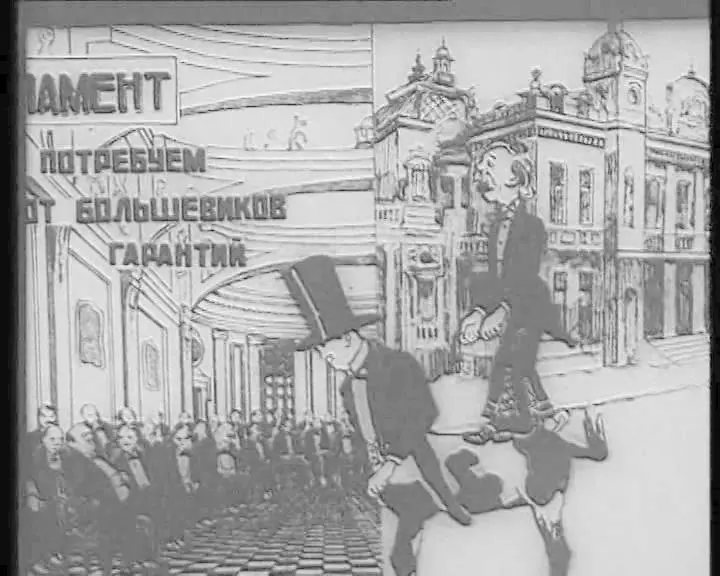
Grigoriy Boltyanskiy’s screenplay for 'Kar'era Makdonal'da' is the very bedrock upon which this profound cinematic experience is built. His writing is characterized by its sharp psychological insight and its unflinching commitment to realism. Boltyanskiy avoids convenient plot devices or sensationalized drama, preferring instead to meticulously chart Makdonal'd's journey through a series of increasingly difficult ethical quandaries. The dialogue is sparse yet potent, each line laden with subtext, revealing more about the characters' inner turmoil than pages of exposition ever could. What makes Boltyanskiy's writing particularly compelling is its universality. While the setting might be specific, the themes of ambition, corruption, and the erosion of morality resonate deeply across cultures and epochs. He doesn't just tell a story; he constructs a moral dilemma that forces the audience to ponder their own values and the price of their aspirations. It’s writing that elevates the film from mere entertainment to a significant cultural commentary, echoing the profound social critiques found in works like Moral Suicide, though with a distinctively more internal, psychological focus rather than an overtly political one.
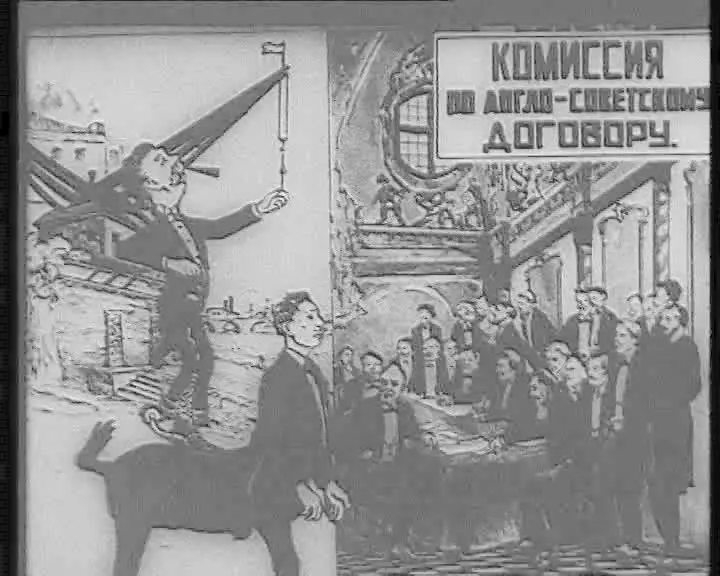
The directorial choices in 'Kar'era Makdonal'da' are as precise and deliberate as Boltyanskiy's script. The cinematography, often employing long takes and a restrained color palette dominated by muted grays and industrial blues, creates an oppressive atmosphere that perfectly mirrors Makdonal'd's internal state. The architecture, often looming and monolithic, serves as a constant visual metaphor for the impersonal, unforgiving systems that Makdonal'd navigates and eventually embodies. There's a stark beauty in its bleakness, a visual poetry that speaks volumes without a single word. The camera often observes from a distance, emphasizing Makdonal'd's growing isolation even as he accumulates power. Close-ups are reserved for moments of profound internal conflict, allowing Buskin's subtle expressions to convey a universe of unspoken regret or hardened resolve. This visual storytelling is remarkably effective, creating a world that feels both expansive and suffocatingly confined, much like the protagonist's own trajectory. It evokes a similar sense of historical weight and the crushing nature of destiny as seen in films like Fridericus Rex - 1. Teil: Sturm und Drang, albeit swapping the grand historical stage for a more corporate, modern-day battleground.
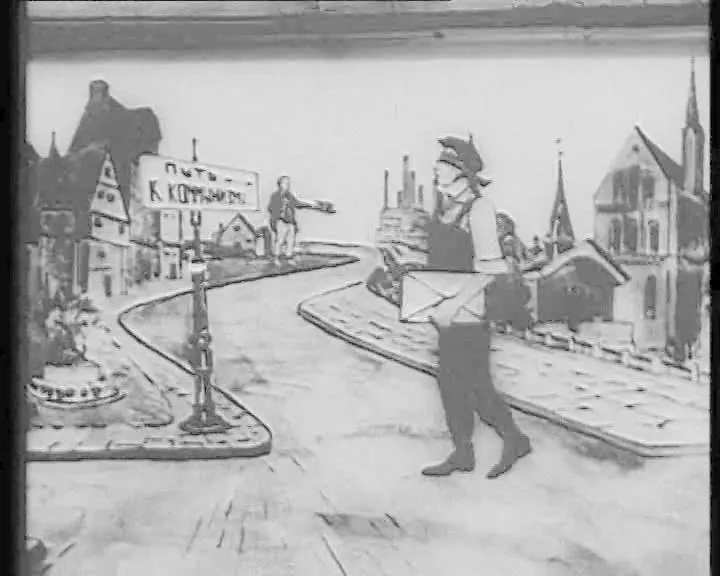
'Kar'era Makdonal'da' is a profound meditation on the corrupting influence of power and the insidious ways in which it can warp an individual's moral compass. It postulates that ambition, unchecked by ethical boundaries, inevitably leads to a spiritual desolation. The film doesn't preach; it observes. It presents Makdonal'd's choices as a series of logical, albeit morally reprehensible, steps, each one pushing him further from his initial ideals. This gradual shedding of integrity is perhaps the most terrifying aspect of the film, as it suggests that the path to moral bankruptcy is often paved with seemingly minor compromises. The film also delves into the nature of success itself, questioning whether true achievement can exist without a foundational integrity. Makdonal'd achieves everything he sets out to, yet his victories are hollow, his triumphs devoid of genuine joy or connection. This resonates with the cautionary tales found in cinema, perhaps even more acutely than something like Vanity's Price, which often focuses on external consequences, whereas Boltyanskiy's work emphasizes the internal, psychological toll. It’s a sobering reminder that the highest pinnacles of achievement can sometimes be the loneliest.
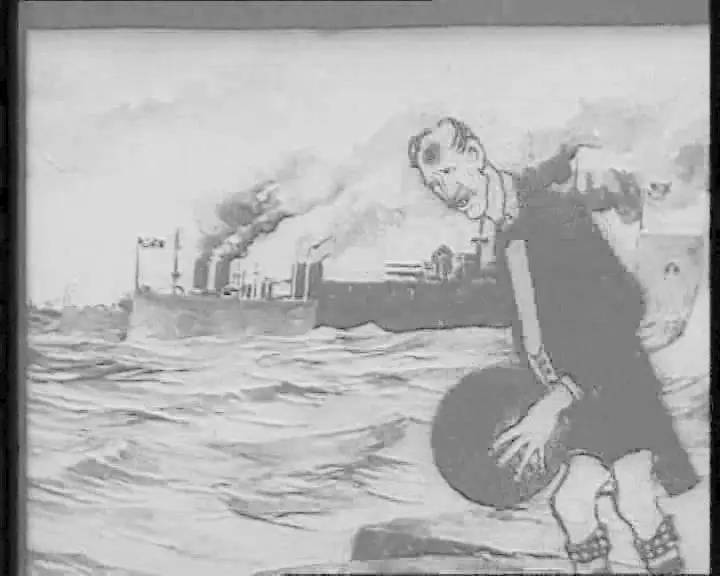
The sound design in 'Kar'era Makdonal'da' is a character in itself, an unseen force that subtly manipulates the viewer's emotional landscape. The score, often minimalist and melancholic, underscores Makdonal'd's internal struggles without ever becoming intrusive. It's a haunting melody that mirrors the protagonist's growing isolation and the weight of his increasingly heavy conscience. Beyond the music, the ambient sounds are meticulously crafted to enhance the film's atmosphere. The hum of machinery in the industrial complex, the distant clatter of administrative offices, the almost imperceptible rustle of papers—these elements combine to create a world that feels both real and oppressively sterile. Silence, too, is utilized with remarkable efficacy, punctuating moments of profound realization or devastating decision. It's in these quiet moments that the film's emotional weight truly lands, allowing the audience to fully absorb the gravity of Makdonal'd's choices. This thoughtful approach to sound contributes significantly to the film's immersive quality, pulling the audience deeper into Makdonal'd's spiraling world, much like the psychological tension built in Nearing the End, where sound often foreshadows impending doom.
'Kar'era Makdonal'da' transcends its specific setting to deliver a narrative that feels profoundly relevant in any era where ambition and corporate maneuvering dominate the landscape. It's a cautionary tale, not just about an individual's downfall, but about the systemic pressures that can encourage such moral compromises. Boltyanskiy doesn't shy away from depicting the cutthroat nature of the world Makdonal'd inhabits, a world where ethical lines are constantly blurred and personal gain often trumps collective well-being. The film subtly critiques the structures that reward such behavior, suggesting that Makdonal'd is both a perpetrator and a victim of a system designed to devour integrity. It’s a commentary that resonates with the disillusionment often explored in films like A Champion Loser, where the very definition of success is interrogated, but 'Kar'era Makdonal'da' takes a more cynical, less redemptive stance on the individual's ability to resist the current.
What truly distinguishes 'Kar'era Makdonal'da' is its enduring impact. It's not a film that provides easy answers or comforting resolutions. Instead, it leaves the audience with a lingering sense of unease, a profound contemplation of the choices individuals make and the societal forces that shape them. Makdonal'd's journey serves as a mirror, reflecting the darker corners of our own aspirations and the potential costs of our relentless drive. The film's conclusion, devoid of any conventional catharsis, is a testament to Boltyanskiy's uncompromising vision. It's a stark, almost brutal, statement on the ultimate emptiness of a life built on compromised principles. This lack of a clear-cut resolution, the refusal to offer a simplistic moral, is precisely what makes the film so powerful and so memorable. It forces us to grapple with the complexities of human nature and the often-ambiguous morality of the world we inhabit. It’s a work that challenges, provokes, and ultimately enriches the viewer's understanding of the human condition, standing proudly alongside other thought-provoking dramas that delve into the depths of human ambition and its consequences.
'Kar'era Makdonal'da' is a film that demands to be seen and discussed. It is a masterpiece of psychological realism, meticulously crafted by Grigoriy Boltyanskiy and brought to visceral life by Aleksandr Buskin's unforgettable performance. It's a film that doesn't just tell a story; it unravels a soul, piece by agonizing piece. The deliberate pacing, the evocative cinematography, the profound thematic depth—all coalesce to create a singular cinematic achievement. While it might not offer the escapism many seek in film, it provides something far more valuable: a profound and often unsettling insight into the nature of power, the fragility of morality, and the enduring cost of a career built on compromise. It's a challenging watch, certainly, but an undeniably rewarding one. This isn't just a movie; it's an experience, a mirror held up to the darker aspects of human striving, compelling us to look closer, to question more deeply, and to perhaps, if we are brave enough, to re-evaluate our own definitions of success and integrity. A truly essential piece of cinema that will resonate deeply with anyone who appreciates art that dares to plumb the depths of the human spirit. Its raw honesty and uncompromising vision set it apart, making it a powerful and enduring work that will undoubtedly be studied and admired for years to come. It leaves an indelible mark, prompting a re-evaluation of what constitutes a 'successful' life and at what price that success is truly achieved. The film's genius lies in its ability to present this without judgment, allowing the audience to draw their own, often uncomfortable, conclusions about the 'career' that unfolds before them.

IMDb 7.2
1933
Community
Log in to comment.