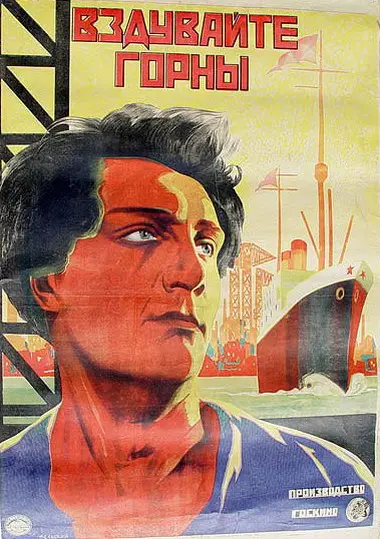
A definitive 6.4/10 rating for a film that redefined the boundaries of cult cinema. Vzduvayte gorny remains a cornerstone of transgressive art.
A Blast from the Past: Unpacking 'Vzduvayte gorny'
Is 'Vzduvayte gorny' worth watching today? Short answer: yes, but with significant caveats. This rarely screened silent Soviet drama, a product of a fervent ideological age, serves more as a historical document and a fascinating case study in propaganda filmmaking than it does as universally engaging entertainment. It’s a film for a very specific audience: film historians, students of political cinema, and those with a deep appreciation for the experimental and often didactic nature of early Soviet art. It is decidedly not for the casual viewer seeking modern narrative conventions, complex character development, or a light, entertaining escape.
To engage with 'Vzduvayte gorny' is to step into a time capsule, back to a period where cinema was not just storytelling, but a powerful instrument of state-building. Sergei Garin's screenplay, brought to life by director Sergei Garin himself, alongside his cast including Sergei Troitsky, Nikolai Simonov, Natalya Razumova, and Pyotr Kuznetsov, is less about individual human drama and more about the grand sweep of a collective ideal. It works. But it’s flawed. Its primary failing isn't its age, but its unwavering commitment to didacticism, which often overrides nuanced storytelling.
This film works because: it stands as an unparalleled artifact of its time, showcasing the raw power and unique artistic ambition of early Soviet montage theory in service of a revolutionary message.
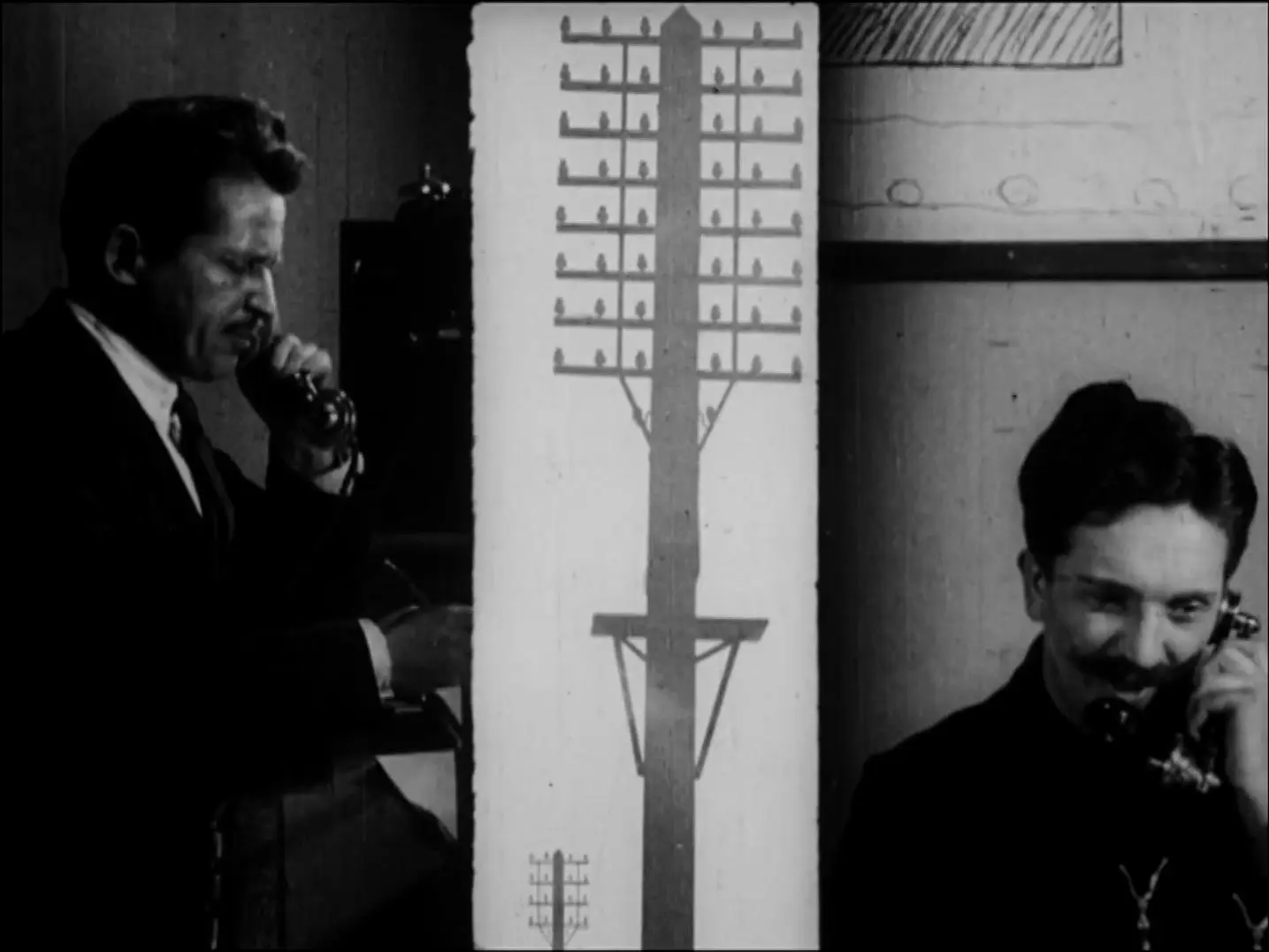
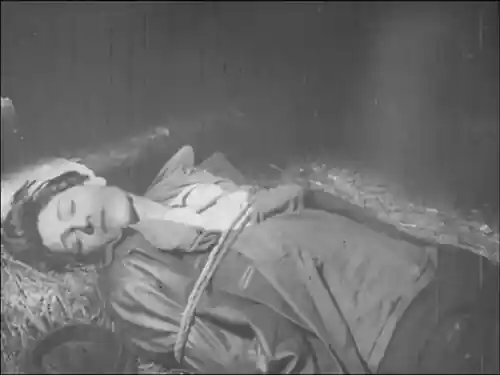
Scene from Vzduvayte gorny
Cinematic perspective: Exploring the visual vocabulary of Vzduvayte gorny (1925) through its definitive frames.
This film fails because: its relentless ideological drive often sacrifices genuine emotional connection and character depth, making it feel more like a lecture than a narrative experience.
You should watch it if: you are deeply interested in the history of cinema as a tool for social engineering, appreciate experimental visual storytelling, and are prepared for a challenging, intellectually demanding viewing experience.
The film, whose title translates to 'Blow the Horns,' immediately signals its intent: a rallying cry, a call to action. It isn't subtle. It doesn't attempt to be. Instead, it embraces its role as a propaganda piece with an almost zealous earnestness, reflecting the revolutionary fervor that defined the Soviet Union in its formative years. This context is crucial. Without understanding the historical and political backdrop, much of the film's artistic choices and narrative thrust might seem alien or even simplistic to a contemporary audience.
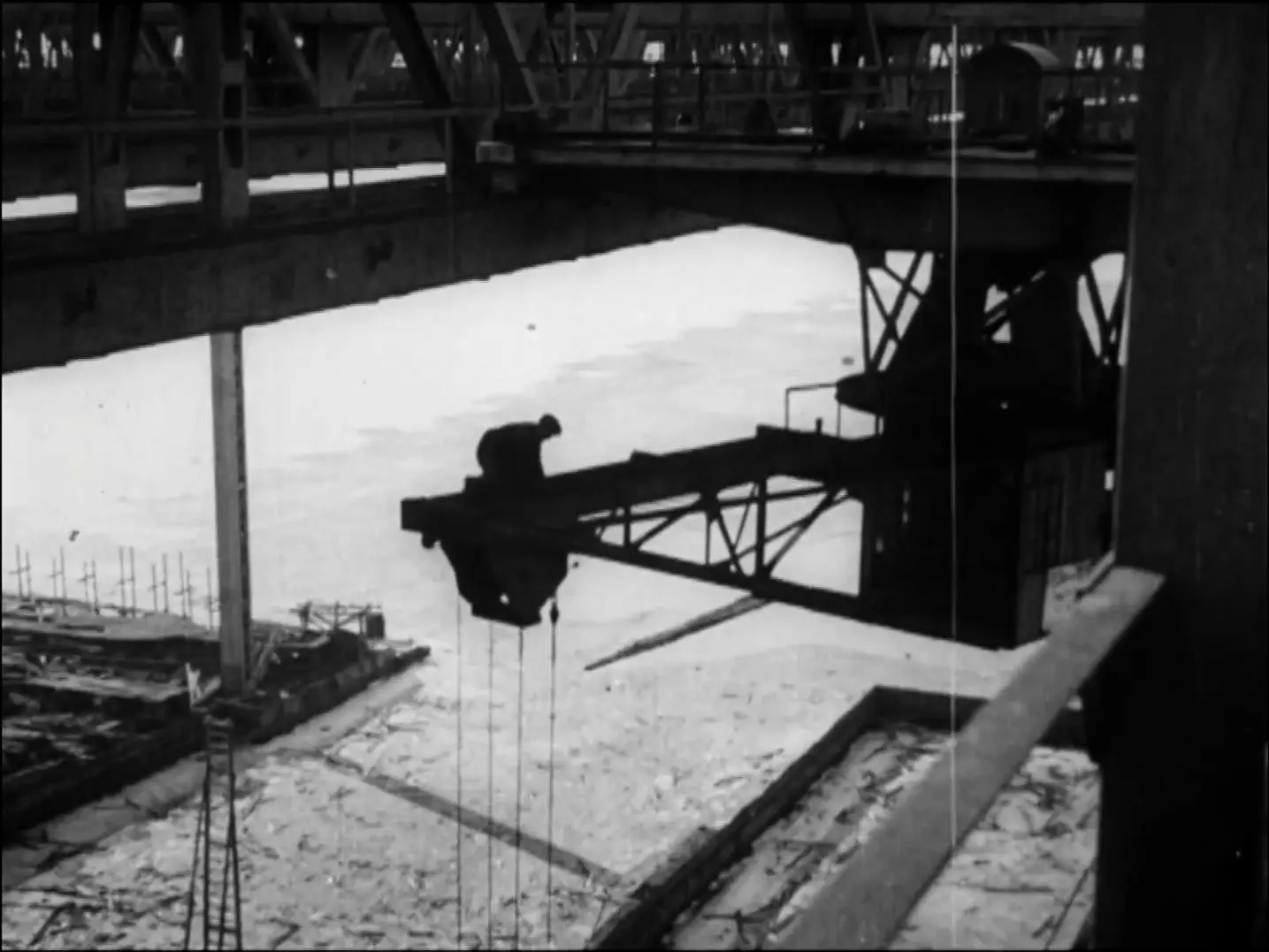
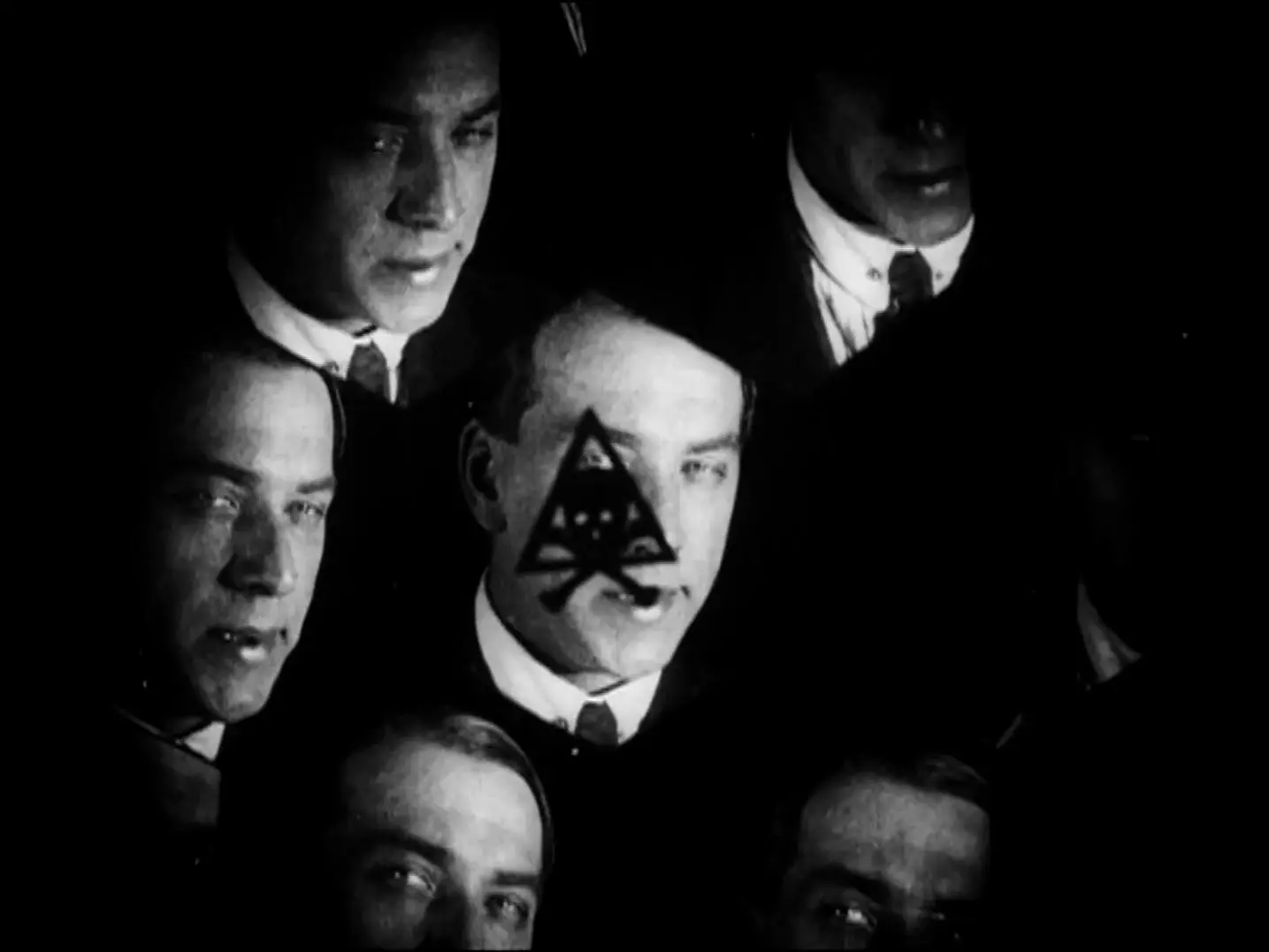
Scene from Vzduvayte gorny
Cinematic perspective: Exploring the visual vocabulary of Vzduvayte gorny (1925) through its definitive frames.
It's a film that demands patience and a willingness to engage with its historical significance over its entertainment value. While it might not hold a candle to the universal appeal of something like Around the World in 80 Days in terms of sheer spectacle, or the emotional depth of a later classic, its place in cinematic history is undeniable. It's a foundational text for understanding the intersection of art and ideology.
The Revolutionary Lens: Directing and Cinematography
Sergei Garin, as both writer and director, crafts a vision that is undeniably singular, if not always easy to digest. The directing style in 'Vzduvayte gorny' is less about guiding actors through subtle emotional beats and more about orchestrating a grand, visual symphony of collective action. This is where the influence of pioneering Soviet filmmakers like Eisenstein and Vertov becomes palpable. Garin employs montage not just as an editing technique, but as a narrative engine, juxtaposing images of struggle with symbols of progress to build a powerful, albeit predetermined, emotional arc.
Consider, for instance, the recurring motif of the factory chimney. Early in the film, it stands as a nascent, almost fragile symbol of hope against a desolate landscape. Garin uses quick cuts between the workers toiling and the rising smoke, creating a visual rhythm that suggests both effort and eventual triumph. Later, the chimney is presented as a towering, almost monolithic structure, a testament to collective might. This visual progression is less about realistic depiction and more about symbolic reinforcement of the film's core message.
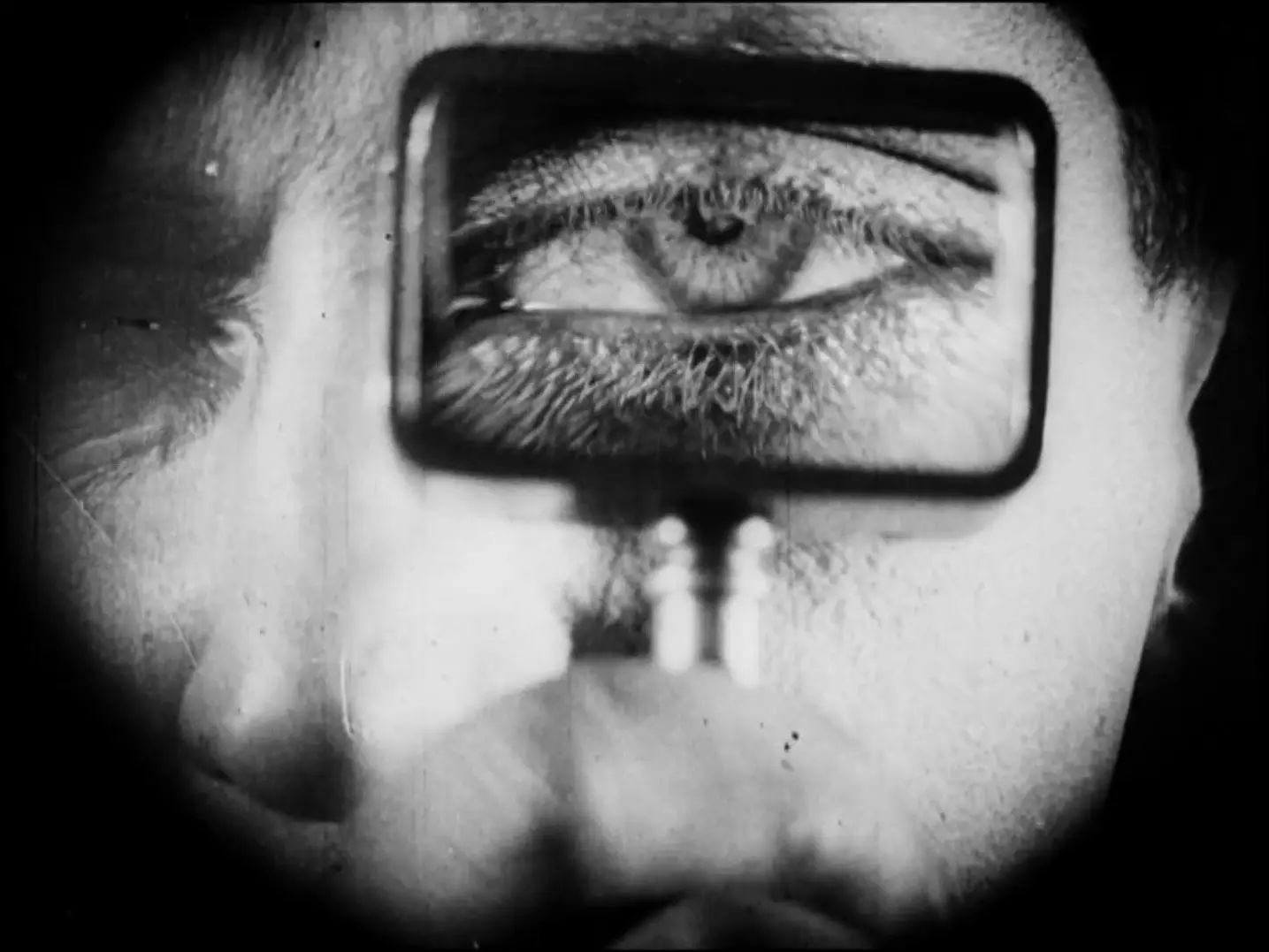
Scene from Vzduvayte gorny
Cinematic perspective: Exploring the visual vocabulary of Vzduvayte gorny (1925) through its definitive frames.
The cinematography, while perhaps technically limited by the era's technology, is remarkably expressive. There’s a stark, almost brutalist beauty in the way Garin frames the industrial landscapes and the faces of the workers. Close-ups are not used for psychological introspection, but rather to emphasize the determination, exhaustion, or solidarity etched onto the visages of the proletariat. A particularly striking sequence involves the rhythmic movement of tools – hammers striking metal, shovels digging earth – intercut with the focused intensity in the workers' eyes. It’s a powerful, almost hypnotic ballet of labor.
However, this emphasis on the collective can also be the film's undoing for modern viewers. The individual often dissolves into the mass, becoming a cog in the larger ideological machine. While this was intentional, designed to promote a sense of unity and de-emphasize bourgeois individualism, it leaves little room for the audience to connect with specific characters on a personal level. The film feels less like a story *about* people and more like an abstract portrayal of a *movement*.
The visual language, while innovative for its time, can feel repetitive. Once the ideological point is made, it is often reiterated through similar visual motifs, hammering the message home with an insistence that can border on exhausting. It lacks the playful narrative experimentation seen in films like Zakroyshchik iz Torzhka, opting instead for a relentless, almost militaristic march towards its ideological conclusion.
Scene from Vzduvayte gorny
Cinematic perspective: Exploring the visual vocabulary of Vzduvayte gorny (1925) through its definitive frames.
Performances Forged in Ideology: The Cast of 'Vzduvayte gorny'
The acting in 'Vzduvayte gorny' is a fascinating study in early Soviet performance style, often referred to as 'biomechanical' or 'typological.' Sergei Troitsky, Nikolai Simonov, Natalya Razumova, and Pyotr Kuznetsov are not asked to embody complex psychological profiles, but rather to represent archetypes. Troitsky, for instance, might portray the steadfast worker, a symbol of unwavering dedication. Simonov could be the slightly more skeptical, yet ultimately converted, figure. Razumova likely embodies the revolutionary woman, strong and resolute, while Kuznetsov might be the old guard, resistant to change.
Their performances are broad, gestural, and often symbolic. Emotional expression is externalized and exaggerated, designed to be read clearly by a mass audience, many of whom might have been illiterate. A clenched fist, a determined gaze, a unified march – these are the tools of their trade. There's a scene where a worker, presumably Troitsky, rallies his comrades after a setback. His gestures are expansive, his face a mask of resolute defiance, not subtle sadness or nuanced frustration. This isn't realism; it's symbolic realism, designed to inspire and instruct.
The actors become living symbols, their bodies and faces serving as visual shorthand for larger ideological concepts. This approach, while effective for its intended purpose of clear, unambiguous messaging, can feel alienating to contemporary viewers accustomed to more internalized, naturalistic acting. There’s a lack of vulnerability, a deliberate suppression of individual eccentricity in favor of collective conformity. This makes genuine empathy difficult, as the characters exist primarily to serve the narrative's political agenda.
Scene from Vzduvayte gorny
Cinematic perspective: Exploring the visual vocabulary of Vzduvayte gorny (1925) through its definitive frames.
One might argue that the 'characters' in 'Vzduvayte gorny' are less like individuals and more like allegorical figures in a medieval morality play. They represent 'The Proletariat,' 'The Saboteur,' 'The New Woman,' rather than fully fleshed-out human beings. This is a crucial distinction. If you approach the film expecting the kind of character development you'd find in a later drama like Rasskaz o semi poveshennykh, you will be sorely disappointed. But if you see them as pieces in a larger ideological mosaic, their purpose becomes clearer.
Pacing and Tone: A March, Not a Dance
The pacing of 'Vzduvayte gorny' is relentless, a steady, forward march that mirrors the revolutionary progress it aims to depict. There are few moments of true respite or contemplative stillness. The film moves from one challenge to the next, each overcome through collective will, leading inexorably towards a triumphant conclusion. This creates a sense of urgency and momentum, but also a certain weariness. The audience is constantly propelled forward, given little time to pause and reflect outside of the film's dictated emotional responses.
The tone is overwhelmingly serious, almost austere. Humor is absent, and any moments of personal joy are subsumed within the larger narrative of collective achievement. While there are moments of triumph, they are hard-won and presented with a solemn grandeur, rather than exuberant celebration. This gravity underscores the high stakes of the era and the monumental task of building a new society.
This unwavering tone, while effective in conveying the film's earnestness, can also make it feel monolithic. The lack of variation in mood or rhythm means that the film, despite its visual dynamism, can become emotionally flat. It's like listening to a powerful, inspiring speech delivered entirely in capital letters; the message is clear, but the delivery can become monotonous after a while. The emotional landscape is broad strokes of struggle and victory, with little room for the subtle hues of human experience.
The absence of an accompanying score, typical for silent films, means the audience's emotional guidance comes entirely from the visuals and the intertitles. One can only imagine the impact an live orchestra would have had, underscoring the revolutionary fervor with soaring melodies or dramatic dissonances. Without it, the film's starkness is even more pronounced, relying solely on the power of its imagery to convey its intended emotional and ideological weight.
Is 'Vzduvayte gorny' Worth Watching Today?
Yes, 'Vzduvayte gorny' is worth watching today, but with specific expectations. It is not a film for casual entertainment. It is a historical artifact. It offers a unique window into early Soviet propaganda. It showcases pioneering cinematic techniques. It challenges modern narrative conventions. It is a demanding viewing experience. It requires an active, engaged audience. It provides immense value for academics and film enthusiasts. It stands as a testament to cinema's power as a political tool. It’s a film that informs more than it entertains.
Key Takeaways
Best for: Historians, film students, enthusiasts of early Soviet cinema, and those interested in the art of propaganda.
Not for: Mainstream audiences seeking light entertainment, complex character studies, or modern pacing.
Standout element: Its raw historical document status and pioneering use of montage for ideological messaging.
Biggest flaw: Its relentless propaganda and emotional detachment, which can make it a challenging and at times disengaging watch.
Pros and Cons
Pros:
Historically significant, offering a direct insight into early Soviet culture and ideology.
Exhibits innovative use of montage and visual storytelling for its era.
Powerful visual symbolism and stark, expressive cinematography.
A compelling example of cinema as a tool for social engineering and political messaging.
Cons:
Heavy-handed didacticism overshadows nuanced narrative and character development.
Lack of individual character depth makes emotional connection challenging.
Relentless, serious tone can lead to viewer fatigue.
Pacing, while purposeful, can feel monotonous for contemporary audiences.
Its strong ideological bent may be off-putting to those not interested in its historical context.
The Enduring Echo: Final Verdict
'Vzduvayte gorny' is not a film you 'enjoy' in the conventional sense. It is a film you 'experience' and 'analyze.' Its value lies not in its ability to entertain or emotionally move a broad audience today, but in its unparalleled position as a cultural artifact. It's a stark, unvarnished look at a pivotal moment in history, channeled through the then-revolutionary medium of cinema. It’s a reminder of how art can be harnessed, for better or worse, to shape societies and propagate ideologies.
While its artistic merits are undeniable within its historical context, particularly its pioneering use of visual rhythm and symbolism, its narrative shortcomings are equally apparent. The film's unwavering commitment to its political message ultimately strips it of much of its human element, leaving behind a powerful, yet cold, monument to a bygone era. For those willing to engage with its challenging nature, 'Vzduvayte gorny' offers a profound, if not always pleasant, journey into the heart of early Soviet cinematic ambition. It's a film that speaks volumes, even in its silence, about the power of the collective voice.