DbcultAccessing Vault...
6.4/10
Senior Film Conservator
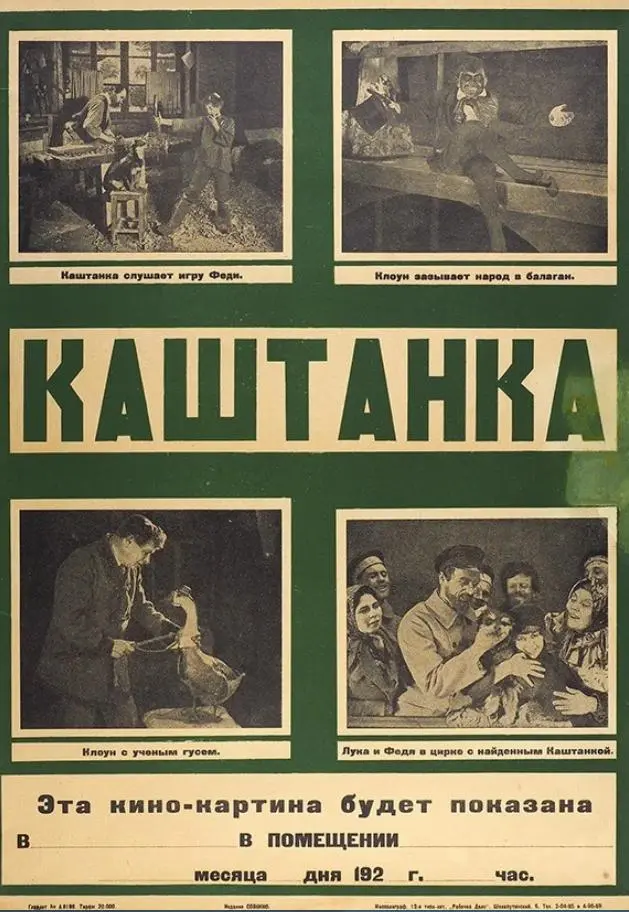
A definitive 6.4/10 rating for a film that redefined the boundaries of cult cinema. Kashtanka remains a cornerstone of transgressive art.
Is the 1926 adaptation of Kashtanka worth your time in the modern era? Short answer: yes, but only if you have the stomach for a story that refuses to provide the easy emotional payoffs of a standard Hollywood animal adventure.
This film is for the cinephile who values raw, atmospheric storytelling and the stark realism of early Soviet cinema; it is absolutely not for those seeking a lighthearted 'Lassie' style romp where the dog is a superhero. It is a film about the crushing weight of habit and the ambiguity of belonging.
Yes, it is essential viewing for anyone interested in the evolution of visual storytelling and animal performance. Unlike modern films that rely on CGI or heavy-handed anthropomorphism, Kashtanka relies on the genuine behavior of its canine lead, Jackie. The film captures a specific kind of melancholy that is rare in contemporary cinema. It asks uncomfortable questions about whether we prefer a kind stranger or a familiar master who treats us poorly. It is a challenging, visually dense piece of work that rewards patient viewers with a haunting final image.
The true star of this film is not the human cast, but Jackie, the terrier who plays Kashtanka. In an era before sophisticated animal training techniques, the performance captured here is nothing short of miraculous. There is a scene early in the film where Kashtanka is lost in the city, the camera positioned at her eye level. We see the towering, indifferent legs of passersby and the terrifying scale of the urban environment. Jackie doesn't 'act' in the traditional sense; she reacts with a vulnerability that feels painfully real.
Compare this to the more stylized performances in films like The Cabaret, where the human actors rely on grand gestures. In Kashtanka, the dog’s stillness is her greatest asset. When she is first taken in by the clown, her hesitation to eat the food offered to her tells a complete story of fear and mistrust. It is a masterclass in behavioral observation. The film doesn't need to tell us she is sad; we see it in the set of her ears and the way she occupies the corner of the frame.
The interaction between Jackie and the other animals—the gander and the cat—is equally fascinating. There is a lack of artifice in these scenes. When the gander eventually dies, the reaction of the other animals isn't played for melodramatic tears. Instead, it is portrayed as a quiet, confusing disruption of their routine. This grounded approach makes the later circus sequences feel earned rather than forced. It is a stark contrast to the heightened theatricality of Harem Scarem.
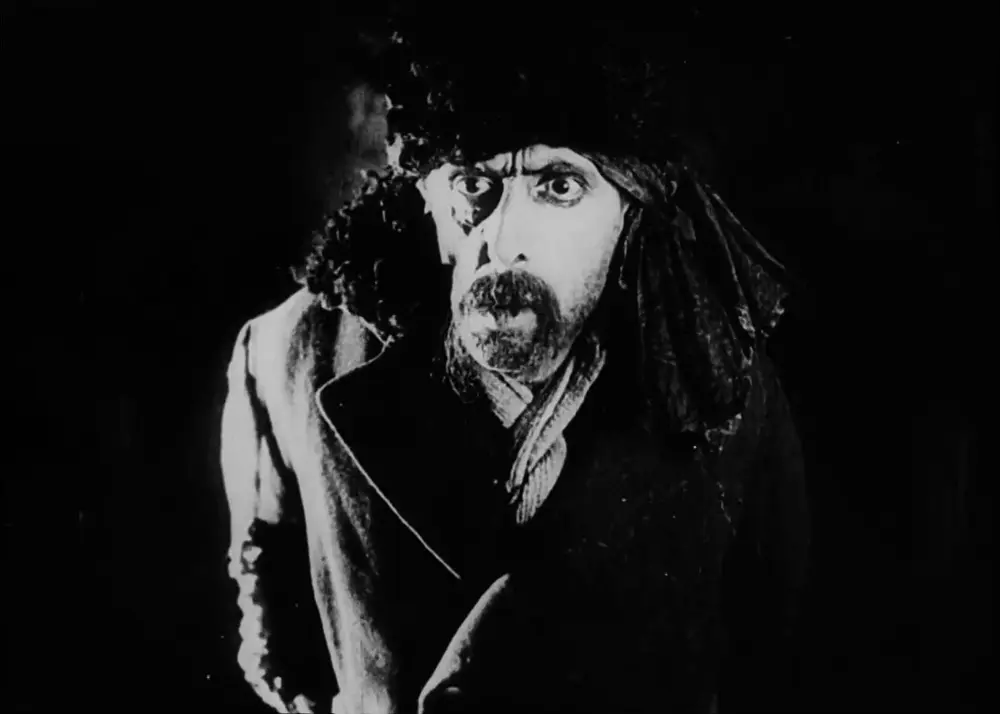
Director Olga Preobrazhenskaya, along with her collaborators, brings a distinct Soviet sensibility to this adaptation. The film is obsessed with the textures of poverty and the mechanics of labor. The carpenter’s workshop is a place of sawdust and sharp tools, while the clown’s apartment is a cluttered sanctuary of props and costumes. The lighting in the city scenes is harsh and unforgiving, emphasizing the dog’s isolation. It lacks the romanticized glow found in Western silent films like Confessions of a Queen.
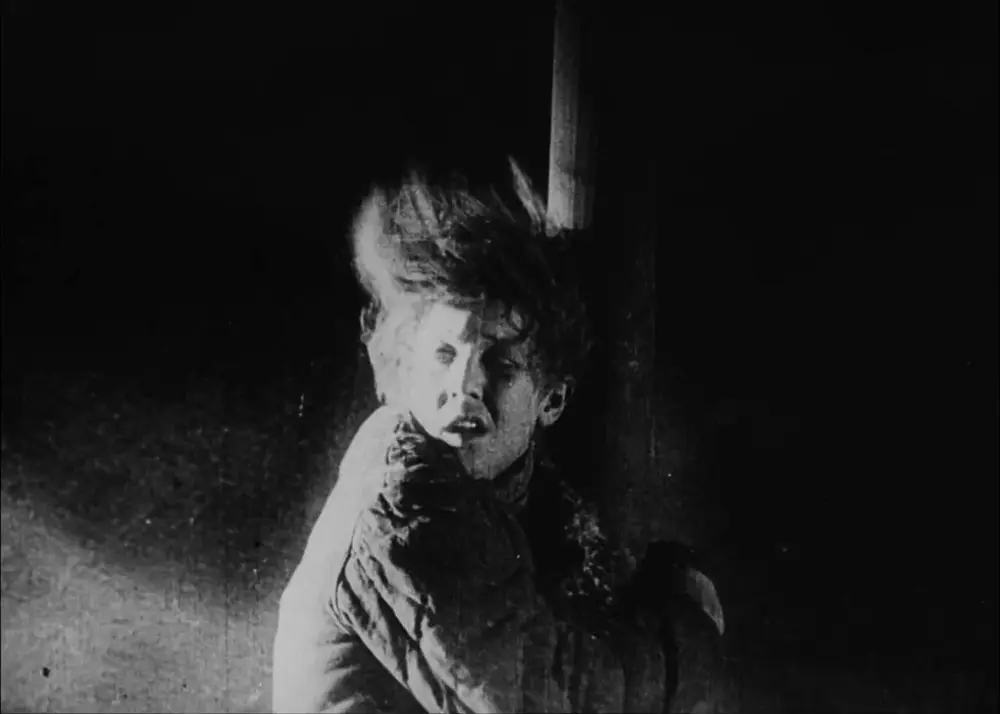
One of the most striking sequences involves Kashtanka’s dream. Preobrazhenskaya uses double exposures to overlay images of the carpenter’s son over the dog’s sleeping form. It’s a simple technique, but it effectively communicates the persistence of memory. This isn't just a dog wandering; it’s a dog haunted by her past. The film treats the animal's psyche with the same seriousness that a director might treat the lead in Spartak.
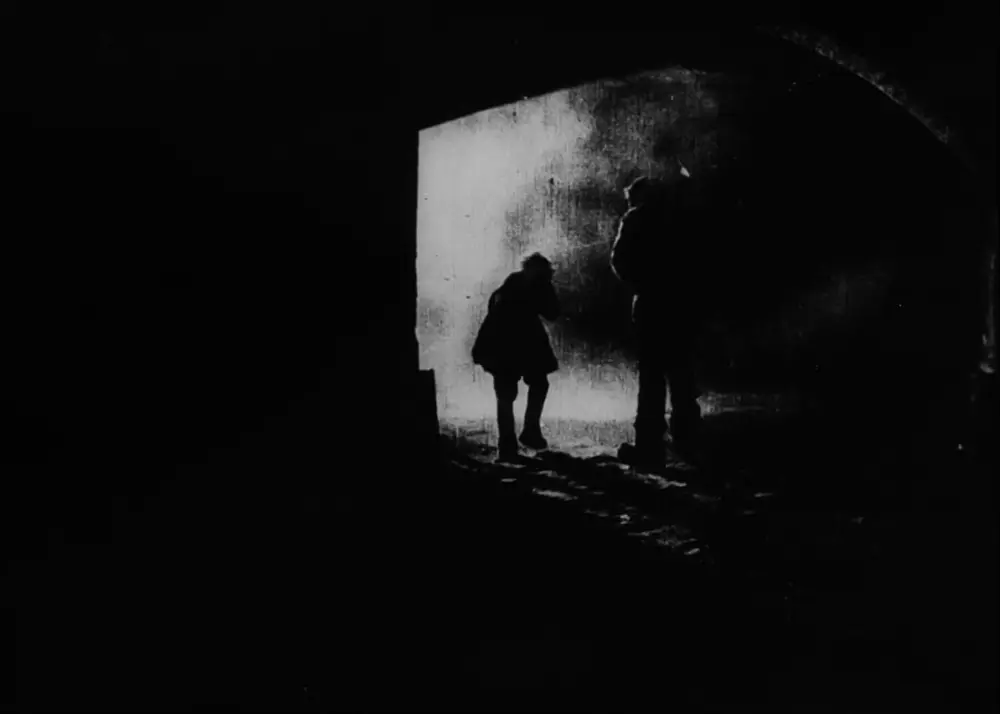
The pacing, however, is where the film shows its age. The middle act, which focuses on the training of the animals for the circus, drags. There are only so many times we can watch the gander climb a ladder before the novelty wears off. However, this slow build is necessary for the emotional payoff of the finale. The circus itself is depicted not as a place of wonder, but as a place of work. The clown is tired, his makeup is a mask for his loneliness, and the animals are his only true peers.
Most animal stories end with a joyous reunion that validates the bond between pet and owner. Kashtanka subverts this. When the dog finally sees the carpenter and his son in the audience during her debut performance, her choice to return to them is portrayed with a sense of tragic inevitability. We know the carpenter is a drunk. We know he was neglectful. Yet, she runs to them anyway. It is a devastating commentary on the nature of loyalty.
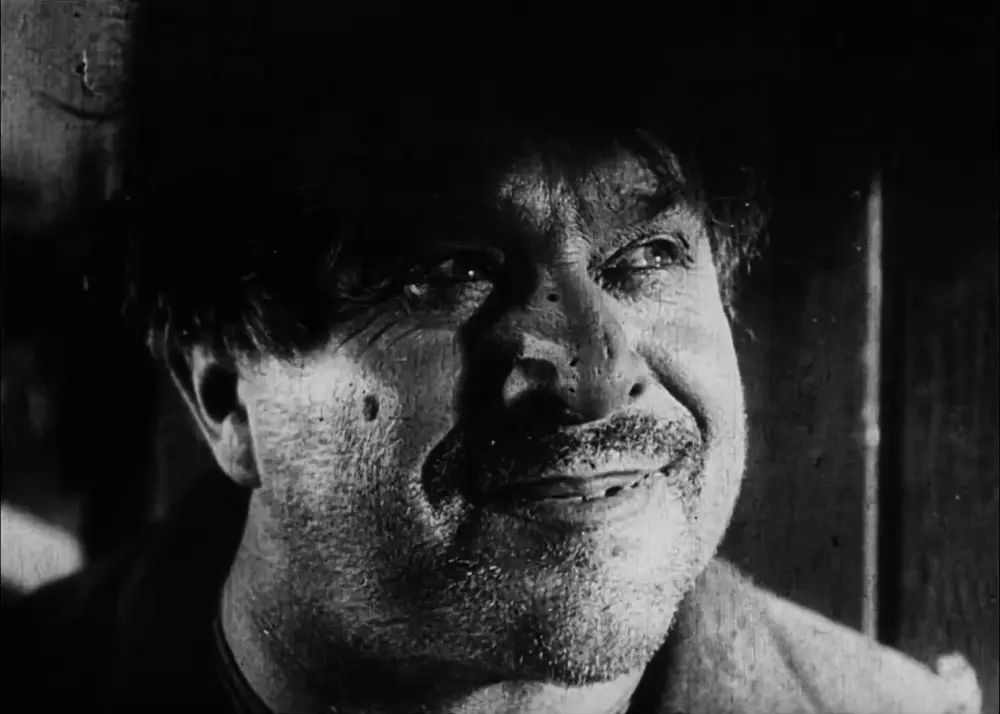
This ending is what separates the film from sentimental trash. It suggests that home is not necessarily where you are treated best, but where you belong by some inexplicable, perhaps even irrational, tie. The clown is left alone in the ring, a figure of profound pathos. His kindness was not enough to overcome the dog's history. It is a bitter pill to swallow. The film doesn't care about your desire for a happy ending. It cares about the truth of the character.
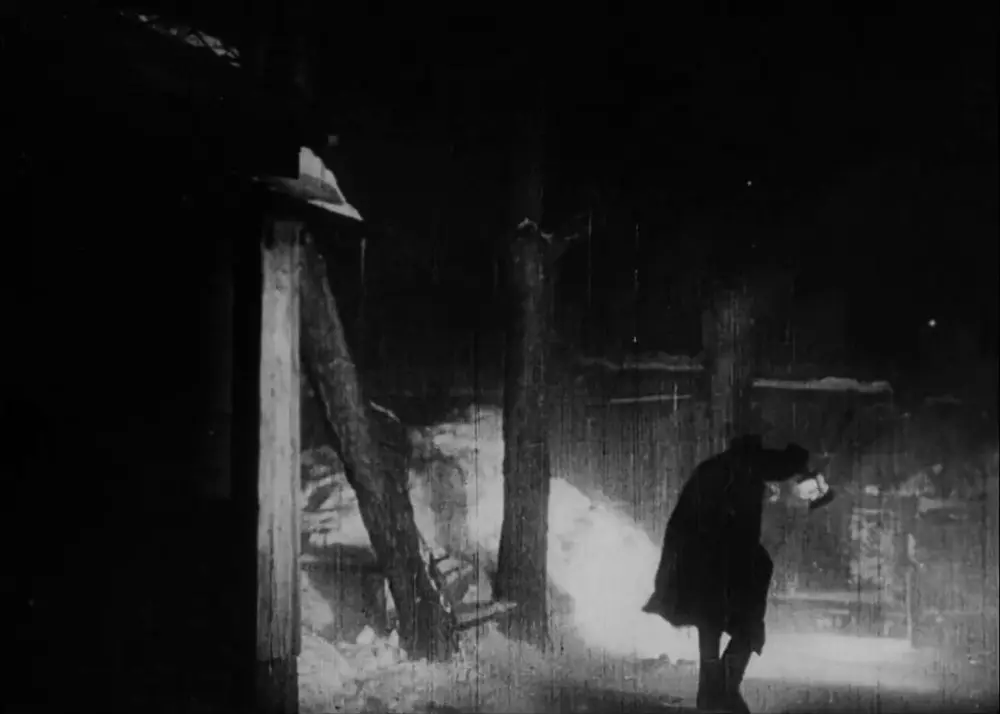
The final shot of Kashtanka walking away with her old masters into the snowy night is chilling. It feels less like a rescue and more like a return to a cycle of hardship. In many ways, the film is a precursor to the gritty realism we see in later decades. It lacks the polish of Solid Ivory, but it possesses a much sharper edge.
Kashtanka is a film that lingers in the mind long after the credits roll. It is a somber, beautifully executed piece of work that refuses to patronize its audience. While it lacks the spectacle of The Man from Glengarry or the frantic energy of You're Pinched, it offers something much more valuable: a genuine emotional experience. It works. But it’s flawed. Its flaws, however, are overshadowed by its honesty. If you want to see a film that treats a dog as a complex protagonist rather than a prop, this is it. It is a quiet masterpiece of observation that deserves a place in the pantheon of great silent cinema.
IMDb —
1928
Community
Log in to comment.