DbcultAccessing Vault...
6.6/10
Senior Film Conservator
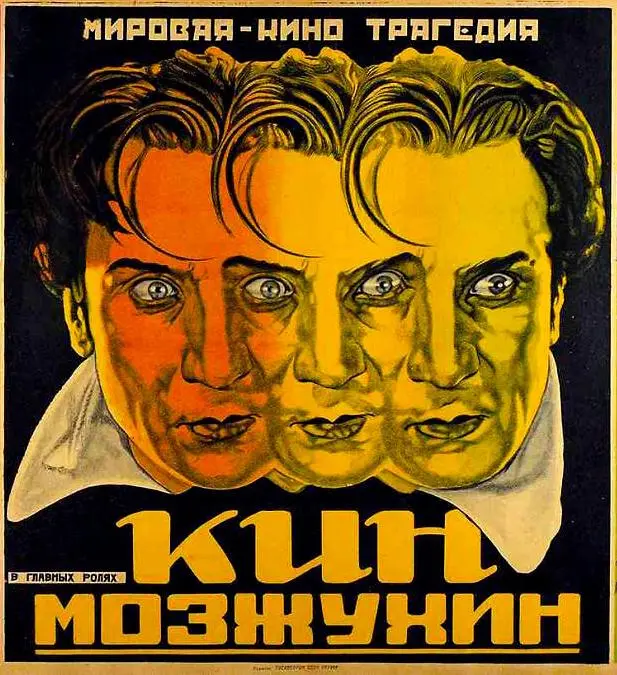
A definitive 6.6/10 rating for a film that redefined the boundaries of cult cinema. Kean ou Désordre et génie remains a cornerstone of transgressive art.
In the rarefied realm of cinematic art, few films have managed to capture the essence of the human experience with the same level of nuance and complexity as Kean ou Désordre et génie. This 1922 French silent drama, directed by Alexandre Volkoff, is a masterful exploration of the intricate relationships between love, art, and identity, set against the backdrop of the world of Shakespearean theatre.
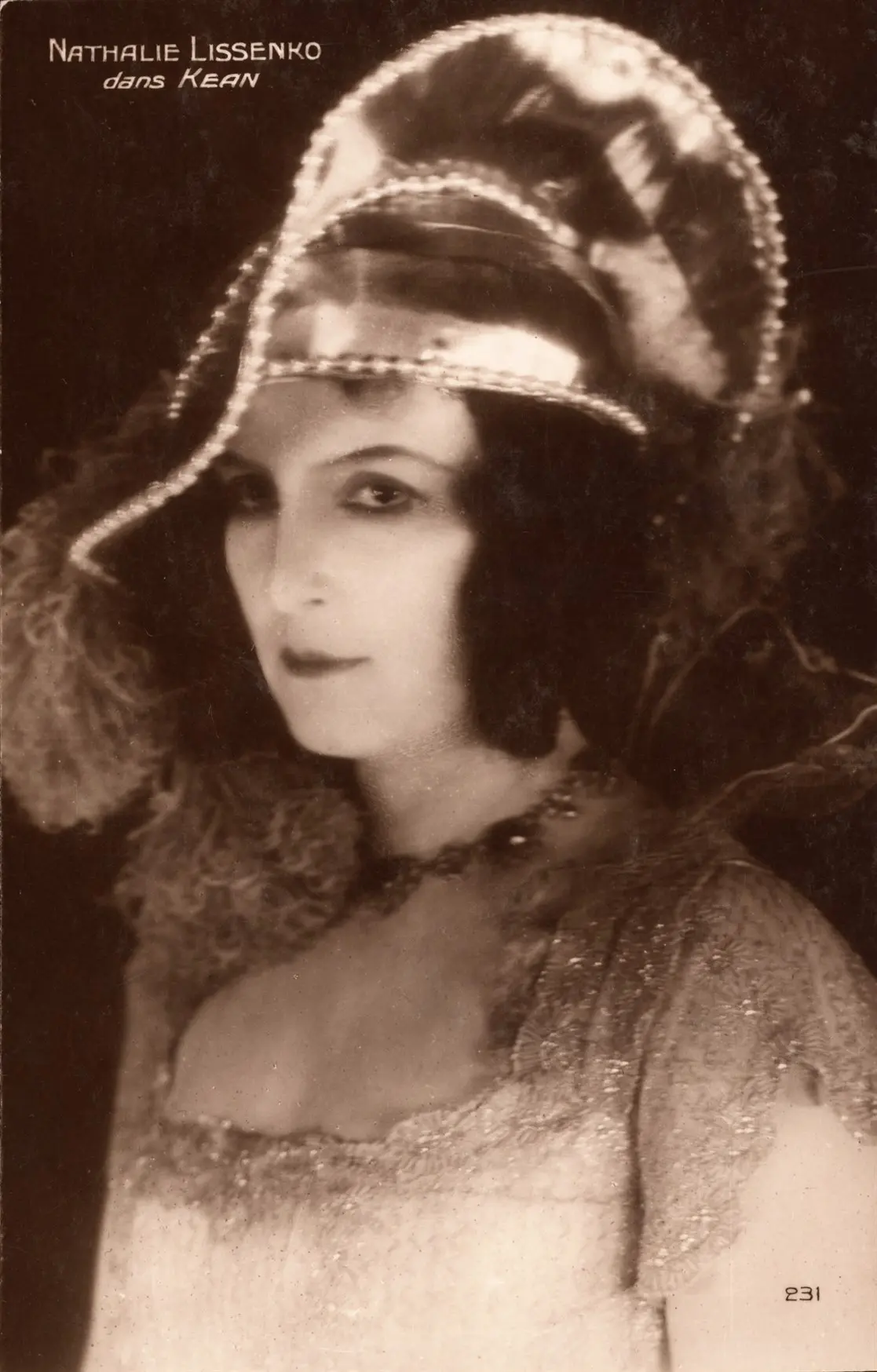
At the heart of the film lies the enigmatic figure of Georges Deneubourg, a thespian of immense talent and passion, whose life is forever altered by his chance encounter with a woman of elevated social standing. As their romance blossoms, Deneubourg finds himself increasingly torn between his love for this woman and his devotion to his craft, leading to a downward spiral of events that threaten to destroy his very sense of self.
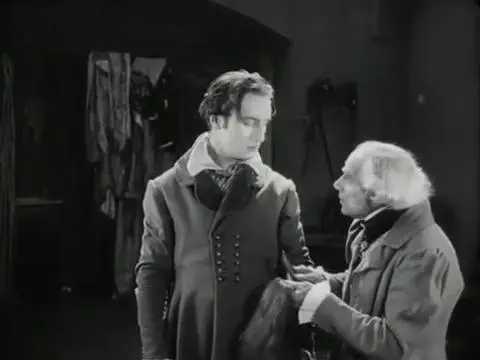
Through a series of expertly crafted scenes, Volkoff skillfully excavates the inner turmoil that besets Deneubourg, laying bare the anguish and desperation that accompany his gradual descent into chaos. The performances of the cast, particularly Deneubourg and Nathalie Lissenko, are nothing short of remarkable, imbuing their characters with a depth and vulnerability that resonates deeply with the viewer.
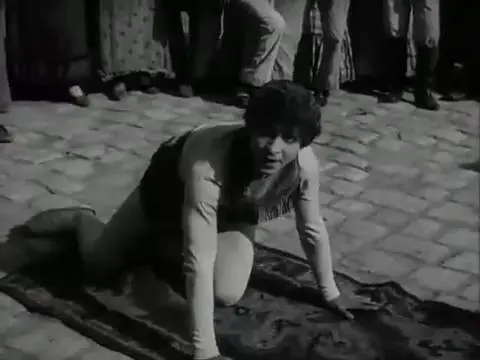
One of the most striking aspects of Kean ou Désordre et génie is its thoughtful exploration of the tensions between reality and performance. As Deneubourg becomes increasingly embroiled in his personal drama, the boundaries between his on-stage and off-stage personas begin to blur, raising fundamental questions about the nature of identity and the role of art in our lives.
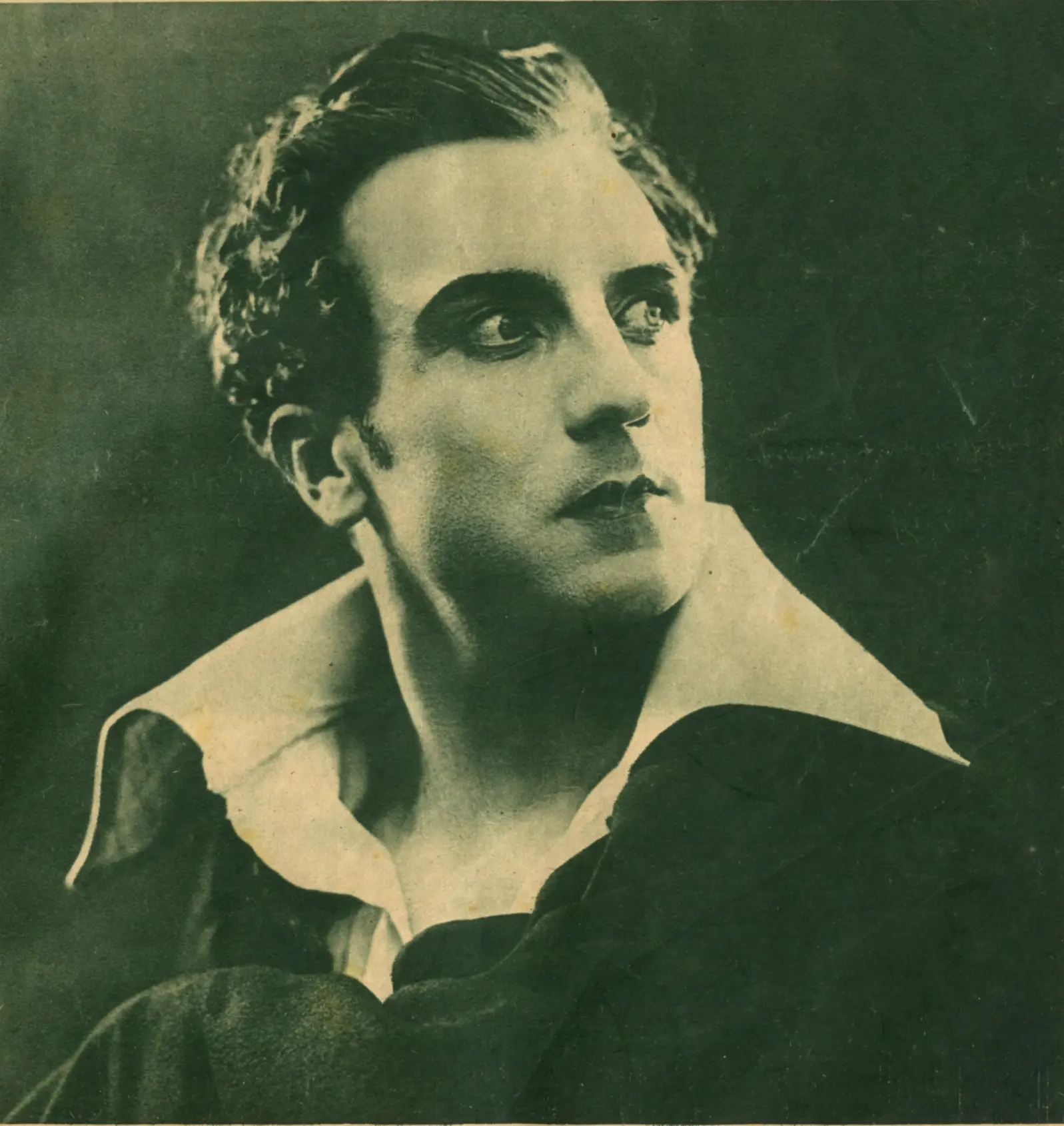
In this regard, the film invites comparison with other works that have grappled with similar themes, such as Melting Millions and The Woman God Sent, both of which also explore the complex interplay between love, art, and identity. However, Kean ou Désordre et génie distinguishes itself through its singular focus on the Shakespearean theatre and its masterful use of cinematic technique to convey the inner lives of its characters.
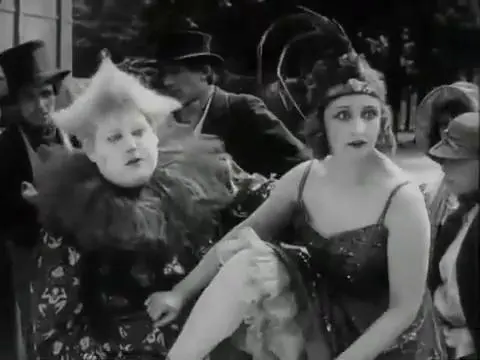
From a technical standpoint, the film is a marvel, showcasing a range of innovative cinematographic and editing techniques that add to the overall sense of drama and tension. The use of close-ups, in particular, is noteworthy, allowing the viewer to experience the intense emotions of the characters firsthand.
In conclusion, Kean ou Désordre et génie is a film of extraordinary beauty and power, one that lingers in the mind long after the curtain falls. It is a testament to the enduring power of art to capture the human experience in all its complexity, and a reminder of the devastating consequences that can result when love and art collide.
For those interested in exploring the broader cinematic landscape, Tootsies and Tamales, La fille des chiffonniers, and Politik och brott are all worth checking out, as they share some similarities with Kean ou Désordre et génie in terms of their thematic focus and artistic vision.
Ultimately, Kean ou Désordre et génie is a film that will leave you pondering the mysteries of the human heart long after the credits roll. It is a true masterpiece of cinematic art, and one that deserves to be experienced by audiences around the world.
IMDb 5.4
1926
Community
Log in to comment.