DbcultAccessing Vault...
Cult Review
Senior Film Conservator
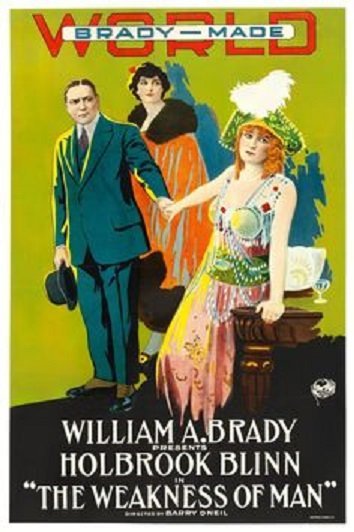
In the annals of early cinema, where grand gestures and stark moral quandaries often painted the narrative landscape, certain films emerge as more than mere historical artifacts; they stand as poignant reflections of the human condition. Among these, the rarely discussed yet profoundly affecting 'The Weakness of Man' carves its own indelible mark. Released in an era when motion pictures were still finding their voice, this film, penned by E. Lloyd Sheldon with a thematic echo of Lev Tolstoy, offers a compelling exploration of love, identity, and the suffocating grip of societal expectation. It is a cinematic lament, a silent scream against the cages of convention, and a testament to the desperate lengths one might go to reclaim their authentic self. Watching it today, one is struck not just by its vintage charm but by the timeless resonance of its central conflict: the individual's yearning for freedom against the monolithic force of tradition and wealth.
At the narrative's heart lies David Spencer, portrayed with a brooding intensity by Charles Mackay. David is a man born into the lap of luxury, yet burdened by the very privilege that defines his existence. His world, dictated by his wealthy and unyielding father, John Spencer (a formidable Holbrook Blinn), is one of rigid propriety and pre-ordained alliances. David's true affections, however, are captured by Babbie Norris (Alma Hanlon), an actress whose profession, in the eyes of society's elite, renders her utterly unsuitable. This initial conflict sets the stage for a tragedy of forced conformity, a theme explored with stark realism in many films of the period, not least in dramas like The Years of the Locust, where societal pressures similarly crush individual desires. The film meticulously builds the tension of this impossible love, showcasing Mackay's ability to convey profound internal suffering through subtle gestures and expressions, a hallmark of powerful silent film acting.
John Spencer, a character embodying the era's patriarchal autocracy, wields his considerable influence to sever David's connection to Babbie. He orchestrates a marriage between David and the aristocratic Janice Lane (Eleanor Woodruff), a woman of impeccable lineage but, crucially, one David does not love. The subsequent five years of their union are depicted as an exquisite form of torture, a slow, agonizing erosion of David's spirit. Eleanor Woodruff, as Janice, portrays a woman trapped in her own way, perhaps loving David, or at least resigned to her fate, yet unable to ignite any spark within his despondent soul. The film masterfully uses visual storytelling to convey this despair: the opulent settings become less symbols of grandeur and more gilded cages, each velvet curtain and polished surface reflecting David’s increasing isolation. The contrast between outward appearance and inner torment is palpable, drawing the viewer into David's suffocating reality with remarkable efficacy.
The nadir of David's despair culminates in a harrowing scene by the river. Driven to the brink, he contemplates suicide, a final, desperate act to escape the unbearable weight of his existence. It is here that the film takes a dramatic, almost fantastical turn, reminiscent of the narrative ingenuity often found in classic literature. The discovery of a corpse floating in the water presents David with an audacious, life-altering opportunity. Instead of succumbing to death, he chooses a radical reinvention: an exchange of identities. He swaps clothes with the deceased, leaving his own identification cards on the unknown man, effectively erasing his former self from the world. This pivotal moment, a theatrical death and rebirth, is executed with a gripping intensity that underscores David's desperation and his profound yearning for a life unencumbered. The scene's dramatic power is a testament to the screenplay by E. Lloyd Sheldon, who, perhaps drawing from Tolstoyan themes of spiritual crisis and radical transformation, crafts a narrative that challenges the very notion of identity.
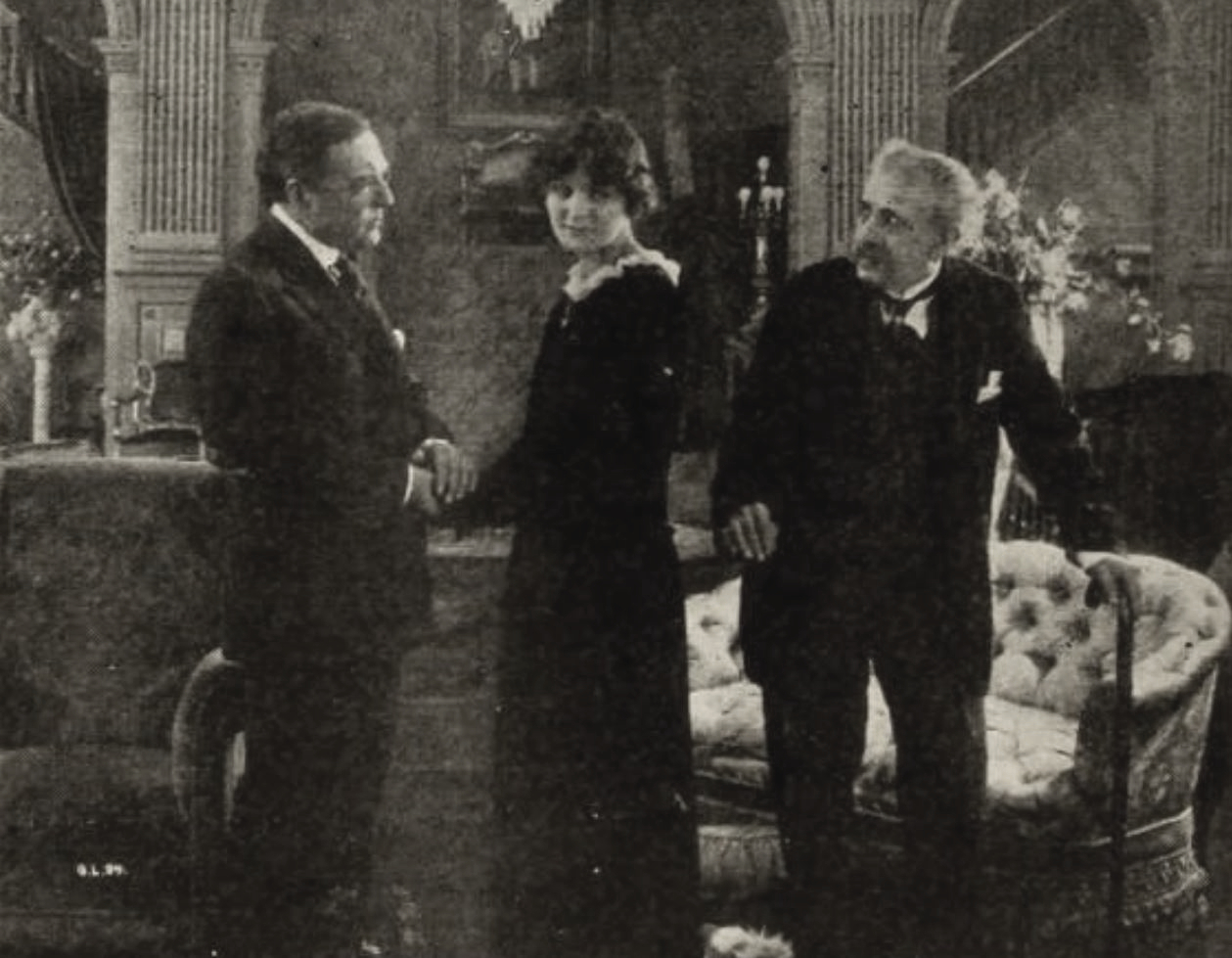
This act of identity theft, or rather, identity exchange, is a powerful motif, echoing the thematic complexities seen in tales like The Prince and the Pauper, albeit with far more somber and existential stakes. David's choice is not merely a change of clothes but a profound psychological and social metamorphosis. He sheds the trappings of wealth and status to embrace the anonymity and hardship of a laborer's life. This deliberate descent into a simpler, more arduous existence is framed as a form of liberation, a stripping away of the superficial to find genuine meaning. The film, through Mackay's nuanced performance, conveys the immense psychological toll and eventual relief that accompanies this radical severance from his past. It is a risky, morally ambiguous act, yet presented as a necessary one for David's survival, a testament to the crushing 'weakness' that societal pressure can inflict upon the human spirit.
In his new guise, David finds work as a laborer, embracing a life of physical toil and honest simplicity. This stark contrast to his former existence is vividly portrayed, highlighting the film's social commentary on class and the inherent dignity of labor. It is during this period of self-imposed exile and rediscovery that fate intervenes once more, orchestrating a serendipitous reunion with Babbie Norris. Alma Hanlon imbues Babbie with a gentle resilience, her character serving as the beacon that drew David back from the brink. Their rekindled romance, now free from the judgmental gaze of John Spencer and high society, blossoms with an authentic tenderness. The film suggests that true love, unburdened by external pressures, can flourish even in the harshest of circumstances, a theme also explored in dramas like Kindling, where characters find solace and strength in shared struggle.
Their decision to move to the Northwest signifies a complete break from the past, a literal and metaphorical journey to a new frontier where they can build a life based on their own terms. This westward migration, a common trope in American narratives of the time, symbolizes hope, opportunity, and the chance for a fresh start. The film doesn't shy away from the challenges of this new life, but it emphasizes the profound sense of freedom and contentment that David experiences. It's a powerful statement on the pursuit of happiness, suggesting that true wealth lies not in material possessions but in genuine connection and self-determination. The cinematography of these segments likely employs expansive shots of natural landscapes, contrasting sharply with the confined, ornate interiors of David's former life, visually reinforcing his newfound liberation.
Meanwhile, in the world David left behind, his 'death' has its own ripple effects. Janice Lane, now a widow, is finally free to pursue her own happiness. She marries Dr. Stone (Teddy Sampson), a man she has loved for several years. This parallel narrative thread adds another layer of complexity to the film's exploration of fate and choice. David's extreme act of self-erasure, born of his own misery, inadvertently grants Janice her own liberation. It raises compelling questions about sacrifice, the interconnectedness of lives, and whether true happiness can ever be achieved at the expense of another's perceived suffering. The film doesn't judge David's actions but rather presents them as a desperate, yet ultimately liberating, solution to an impossible situation. The performances of Eleanor Woodruff and Teddy Sampson in these scenes convey the quiet dignity and eventual relief of their characters, providing a poignant counterpoint to David and Babbie's more dramatic journey.
The influence of Lev Tolstoy, listed as one of the writers, is subtly but powerfully woven into the fabric of 'The Weakness of Man.' Tolstoy's recurring themes of moral struggle, the critique of aristocratic decadence, the search for spiritual truth in simple living, and the profound consequences of societal conventions are all discernible here. David's journey from a life of inherited wealth to one of manual labor and authentic love mirrors many of Tolstoy's philosophical explorations. It's a testament to the timelessness of such themes that they could be so effectively translated into the nascent language of cinema. The film, therefore, transcends a simple melodrama to become a commentary on the human spirit's resilience in the face of oppressive social structures, much like other profound dramas of the era such as The Final Judgment or The Failure, which also delved into moral dilemmas and societal critiques.
The cast of 'The Weakness of Man' delivers performances that are both evocative and deeply moving, a crucial element in silent cinema where emotion must be conveyed without spoken dialogue. Charles Mackay as David Spencer is particularly compelling, his portrayal of a man teetering on the edge of despair, then finding an almost spiritual rebirth, is nuanced and powerful. Alma Hanlon's Babbie Norris is a figure of quiet strength and unwavering affection, her presence a gentle counterpoint to the turmoil surrounding David. Holbrook Blinn's John Spencer is a masterclass in stern, unyielding patriarchy, his very presence radiating the oppressive societal forces David fights against. Eleanor Woodruff brings a subtle pathos to Janice, making her more than just an obstacle but a woman caught in her own set of circumstances. Even the supporting roles, including Johnny Hines, Richard Wangermann, and Walter Greene, contribute to the rich tapestry of the film, adding depth and authenticity to the various social strata depicted.
The direction and cinematography, though adhering to the conventions of the early silent era, effectively utilize visual storytelling to convey mood and narrative progression. The use of close-ups to capture facial expressions, the contrasting wide shots to establish settings, and the pacing of the narrative all contribute to a compelling viewing experience. The film, in its quiet intensity, manages to explore universal themes that continue to resonate with modern audiences. It asks fundamental questions about the nature of happiness, the price of conformity, and the definition of a 'weakness' – is it David's initial inability to defy his father, or the societal system that forces such an agonizing choice upon him? This ambiguity adds to the film's lasting power, inviting viewers to ponder these complex moral quandaries long after the final reel.
'The Weakness of Man' is more than just a historical curiosity; it is a profound dramatic work that speaks to the enduring human desire for authenticity and freedom. Its narrative, though set in a specific historical context, transcends its era through its exploration of themes that are eternally relevant: the conflict between individual desire and societal expectation, the courage required for self-reinvention, and the redemptive power of love. In an age of increasing complexity, David Spencer's radical act of shedding his identity to find true happiness offers a compelling, if extreme, vision of liberation. It reminds us that sometimes, the greatest strength lies in the courage to abandon what is expected and embrace the unknown path that leads to one's true self. The film stands as a quiet yet powerful testament to the human spirit's capacity for resilience and transformation, a cinematic gem that deserves to be rediscovered and appreciated for its timeless artistry and profound insights into the human condition.
The legacy of 'The Weakness of Man' lies not in its widespread recognition, but in its quiet, persistent power to provoke thought and stir emotion. It serves as a stark reminder of the sacrifices often demanded by societal structures and the profound lengths individuals will go to preserve their essence. Films like Fedora or Should a Mother Tell similarly delve into the moral quandaries and personal tragedies born from such pressures. This film, with its potent blend of romantic drama and social critique, remains a compelling watch for anyone interested in the foundational narratives of cinema and the enduring questions they pose about life, love, and the pursuit of genuine happiness. It is a cinematic journey worth embarking upon, a silent narrative that speaks volumes about the strength found in overcoming perceived 'weakness'.
IMDb 5.8
1928
Community
Log in to comment.