DbcultAccessing Vault...
Cult Review
Senior Film Conservator
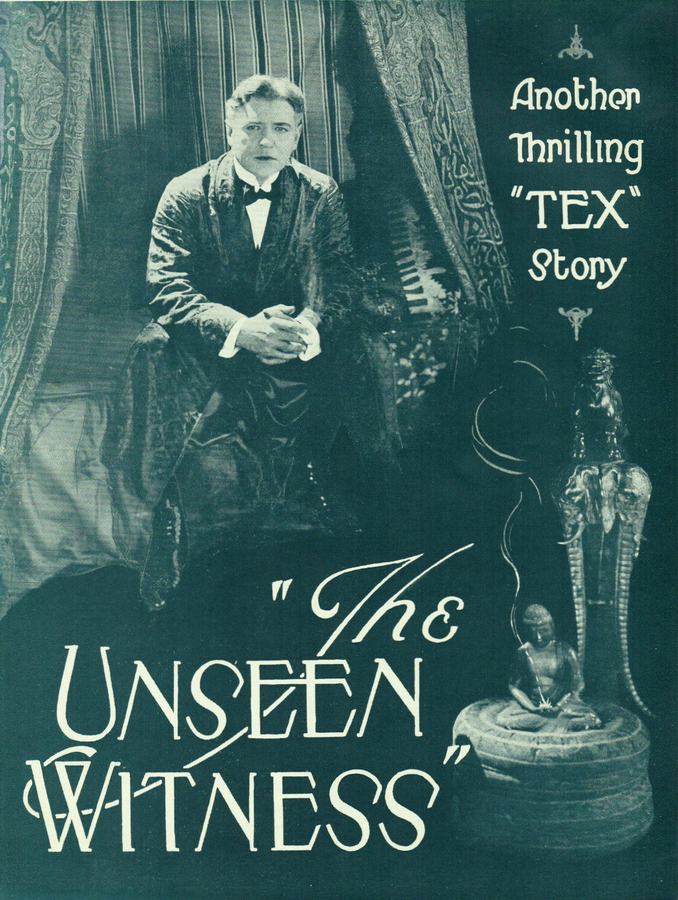
Step right up, fellow cinephiles, and prepare to delve into the labyrinthine corridors of a classic mystery that, even decades later, manages to ensnare the senses and challenge the intellect. We’re talking about The Unseen Witness, a film that masterfully weaves a tale of corporate avarice, forbidden romance, and an impossible crime that keeps you guessing until the very last, dramatic frame. It's a cinematic experience that harks back to an era where storytelling was paramount, and the intricate dance of deduction held audiences spellbound.
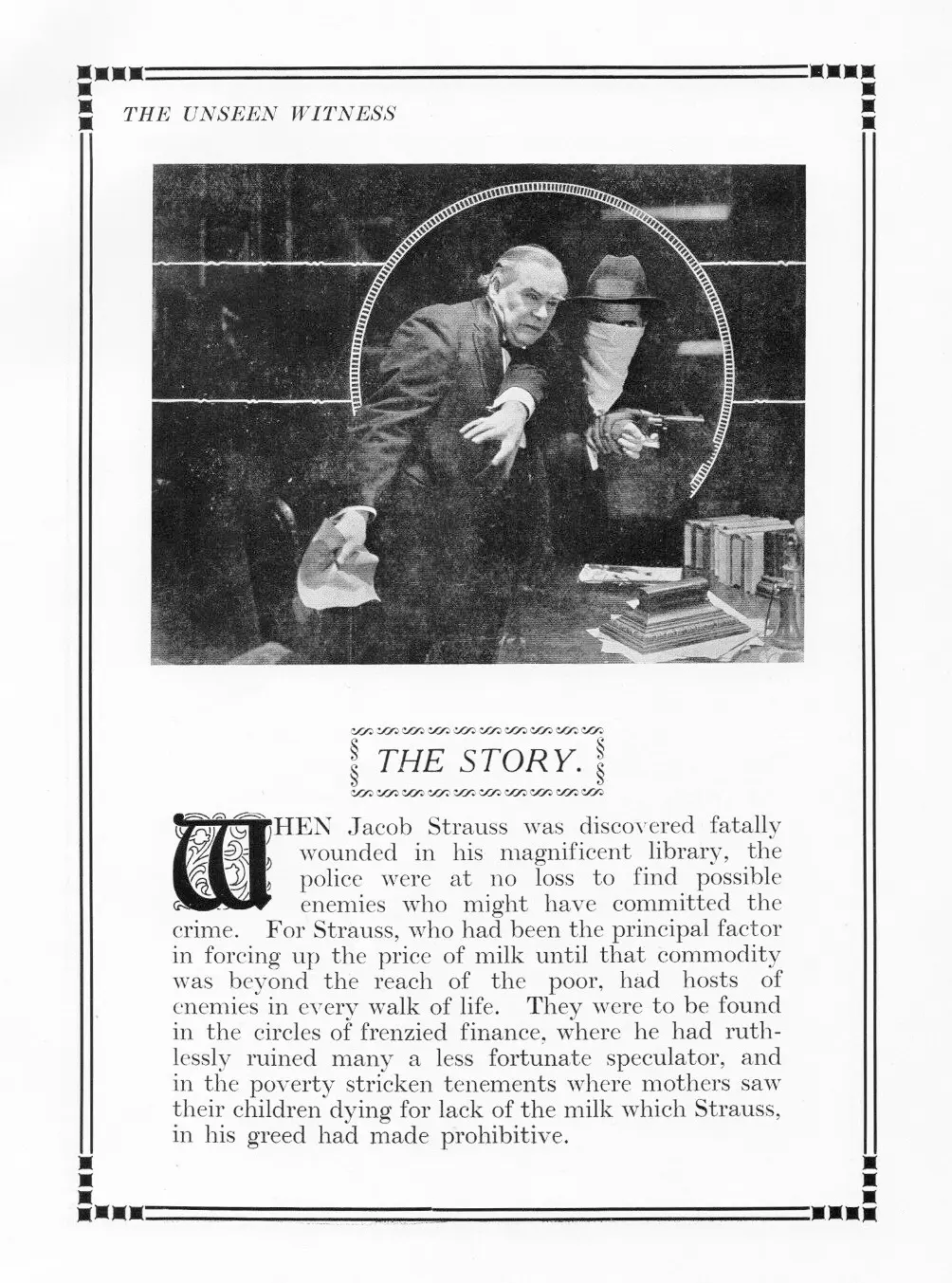
From its opening moments, the film plunges us into a world of high stakes and simmering tensions. The esteemed, if perhaps ruthless, milk magnate Jacob Strauss is found lifeless in his personal sanctuary – his library. This isn't just any murder; it's a meticulously presented puzzle, designed to immediately cast suspicion upon the most convenient target: Harry Gray, Strauss's recently ousted secretary. The narrative cleverly establishes Gray's motive with the revelation that Strauss had discovered Gray's clandestine engagement to his daughter, Sybil, leading to his summary dismissal. It’s a classic setup for a wrongful accusation, a trope that, when handled with such finesse, never fails to resonate. The initial framing of Gray as the prime suspect is almost too perfect, a red herring so vibrant it practically glows in the dark.
Gray's defense, however, introduces the central conundrum that elevates The Unseen Witness beyond a mere whodunit into the realm of the 'impossible crime.' He claims to have arrived just in time to witness a masked assailant, a shadowy figure, making a daring escape through the library window. The immediate dismissal of his story by the authorities is understandable, almost inevitable, given the seemingly insurmountable obstacle: the library is situated a dizzying sixteen stories above ground. This detail alone provides the film with its enduring hook, challenging both the characters within the narrative and the audience to suspend disbelief and seek a logical, albeit extraordinary, explanation. It's a testament to the writers' ingenuity that they present such an audacious premise and then commit to unraveling it with logical precision.
Enter Sybil, portrayed with an exquisite blend of vulnerability and tenacious resolve by Jane McAlpine. Her unwavering faith in Harry propels her to seek out the one man who might just possess the intellectual prowess to untangle this Gordian knot: the legendary detective Tex. While Tex’s first name remains a tantalizing mystery, his reputation precedes him, and his methodical approach becomes the guiding light in an otherwise murky investigation. Alexander F. Frank, in the role of Tex, delivers a performance that is subtly powerful, exuding an air of quiet confidence and keen observation. He isn't the bombastic, theatrical detective; rather, he's a man of quiet contemplation, whose deductions unfold with a meticulous, almost surgical, precision.
The supporting cast is equally compelling, each actor contributing to the rich tapestry of suspicion and intrigue. Joseph Striker, as the wrongly accused Harry Gray, conveys a palpable sense of desperation and injustice, making his plight genuinely sympathetic. His chemistry with McAlpine’s Sybil is crucial, grounding the intellectual puzzle in a relatable emotional core. We root for them, not just for justice, but for their future together. The subtle nuances in their performances elevate the film from a mere procedural to a compelling human drama.
The film's strength also lies in its portrayal of the various figures orbiting Strauss's world. From the stoic presence of Glen White to the more enigmatic demeanor of Leo Delaney and Joseph Sullivan, each character feels fully realized, adding layers of potential culpability and misdirection. Even minor roles, such as those played by Robert Taber, David Wall, and William Frederic, contribute to the film's immersive atmosphere, creating a believable ecosystem of potential suspects and witnesses. This meticulous attention to character development, even for those with limited screen time, is a hallmark of superior storytelling.
Tex's investigation is a masterclass in deductive reasoning. He doesn't rely on brute force or dramatic interrogations; instead, he meticulously gathers evidence, observes human behavior, and connects seemingly disparate dots. His process is less about finding a smoking gun and more about constructing an undeniable narrative from fragmented truths. This approach provides a refreshing counterpoint to more action-oriented detective stories, placing the emphasis squarely on intellect and observation. The film allows the audience to follow Tex's thought process, making us feel like active participants in the unraveling of the mystery, rather than passive observers.
The pacing of The Unseen Witness is deliberate, building suspense gradually rather than relying on cheap thrills. Each scene serves a purpose, either advancing the plot, deepening character understanding, or adding another piece to the intricate puzzle. This measured approach allows the tension to simmer, creating an atmosphere of pervasive unease that culminates in the dramatic reveal. Unlike some contemporary thrillers that rush through exposition, this film takes its time, allowing the audience to savor the unfolding mystery.
The climax is nothing short of electrifying. Tex, having sifted through countless leads and red herrings, summons a diverse array of suspects to his office, a classic theatrical device that never fails to heighten anticipation. Here, in a scene bristling with unspoken tension, he lays bare his findings, methodically dismantling the carefully constructed facade of the true perpetrator. The accusation falls upon Blake, whose apartments are situated directly above Strauss's, a seemingly innocuous detail that becomes terrifyingly significant.
Blake, it transpires, harbored a deep-seated grudge against Strauss, a bitter resentment stemming from substantial financial losses incurred in the infamous 'milk pool' on the exchange. This motive, rooted in economic betrayal, adds a layer of social commentary to the personal drama, hinting at the cutthroat nature of industrial capitalism. The revelation of Blake’s ingenious escape method – a rope, previously dismissed as an impossibility by the authorities – is a true stroke of genius, turning the seemingly absurd into chilling reality. This twist not only exonerates Harry Gray but also provides a satisfying, albeit tragic, explanation for the impossible crime.
The film's resolution is both cathartic and profoundly dramatic. Exposed and cornered, Blake, in a final act of desperation and perhaps a twisted form of poetic justice, leaps from the very window that had been central to the mystery. His plummeting death serves as a stark, visceral conclusion, clearing Gray's name unequivocally and paving the way for his joyous reunion with Sybil. It's a powerful ending, ensuring that justice, though circuitous, ultimately prevails.
The Unseen Witness stands as a testament to the enduring appeal of well-crafted mysteries. Its intricate plot, compelling characters, and satisfying resolution make it a standout in its genre. While it might share thematic elements of wrongful accusation with films like Jealousy, or the tension of a hidden truth with Unprotected, The Unseen Witness carves its own niche through the sheer audacity of its central mystery and the brilliance of its detective's work. It avoids the melodramatic excesses of some contemporary thrillers, opting instead for a cerebral engagement that respects the intelligence of its audience.
The film’s exploration of class, power, and the corrupting influence of wealth, symbolized by Strauss’s 'milk pool,' adds a depth that resonates beyond the simple confines of a murder mystery. It subtly critiques the societal structures that can lead to such desperate acts of revenge. The themes explored here are universal, transcending the specific period in which the film is set. The timeless struggle between right and wrong, the pursuit of truth against overwhelming odds, and the ultimate triumph of justice are all woven into the very fabric of this narrative.
In an era saturated with CGI and explosive action, revisiting a film like The Unseen Witness is a refreshing reminder of the power of a well-told story. It proves that suspense can be generated not just through visual spectacle, but through intelligent dialogue, nuanced performances, and a plot that continuously challenges the viewer to think. It's a film that lingers in the mind long after the credits roll, prompting reflection on the nature of truth, the fallibility of initial judgments, and the unwavering spirit of those who seek to illuminate the shadows. If you're a fan of classic detective fiction, or simply appreciate a narrative that values ingenuity over spectacle, then this cinematic gem is an absolute must-see. Its legacy is secure as a paragon of the mystery genre, a film that continues to captivate and challenge new generations of viewers with its intricate web of deception and brilliant resolution.

IMDb —
1935
Community
Log in to comment.