DbcultAccessing Vault...
7/10
Senior Film Conservator
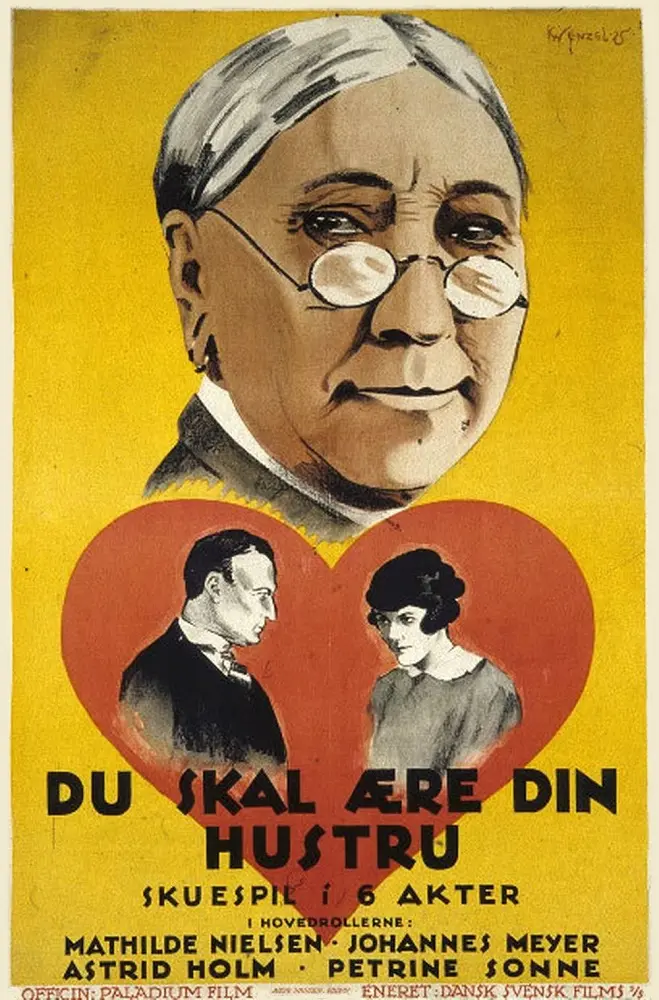
A definitive 7/10 rating for a film that redefined the boundaries of cult cinema. Master of the House remains a cornerstone of transgressive art.
Carl Theodor Dreyer, a name synonymous with profound psychological realism and spiritual introspection, offers a fascinating glimpse into his formative cinematic sensibilities with the 1925 silent masterpiece, Master of the House (Danish: Du skal ære din hustru – 'Thou Shalt Honour Thy Wife'). Far from the austere, transcendent grandeur of his later works like The Passion of Joan of Arc or Ordet, this earlier film delves into the more quotidian, yet equally potent, drama of domestic strife. It's a remarkably prescient exploration of gender dynamics and the insidious nature of entitlement within the confines of a seemingly ordinary household, rendered with a keen observational eye that belies its silent-era origins. Dreyer, alongside co-writer Svend Rindom, crafts a narrative that is both an intimate character study and a broader societal critique, resonating with an astonishing clarity even a century later.
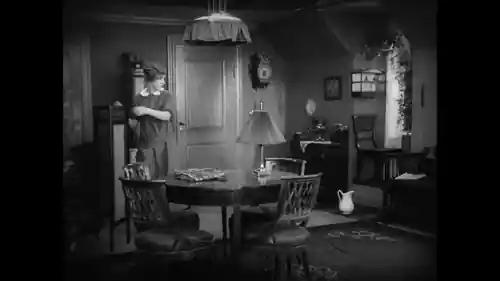
At the heart of the narrative is Victor, portrayed with a convincing blend of bluster and underlying fragility by Johannes Meyer. Victor is the quintessential patriarch of his era, or rather, the distorted caricature of one. He is not merely the head of the household; he is its tyrannical overlord, a man whose sense of self-importance has metastasized into an unbearable burden for those around him. Every interaction is an opportunity for him to assert dominance, every request a command, every comfort a right he takes for granted. His ingratitude is a suffocating blanket, smothering any flicker of joy or appreciation within his home. His wife, Ida, brought to life with heartbreaking sincerity by Astrid Holm, embodies the silent endurance of countless women trapped in similar circumstances. Holm's portrayal is a masterclass in nuanced suffering; her eyes, her posture, her every hesitant movement speak volumes about a spirit slowly being crushed under the weight of ceaseless, unacknowledged labor and emotional abuse.
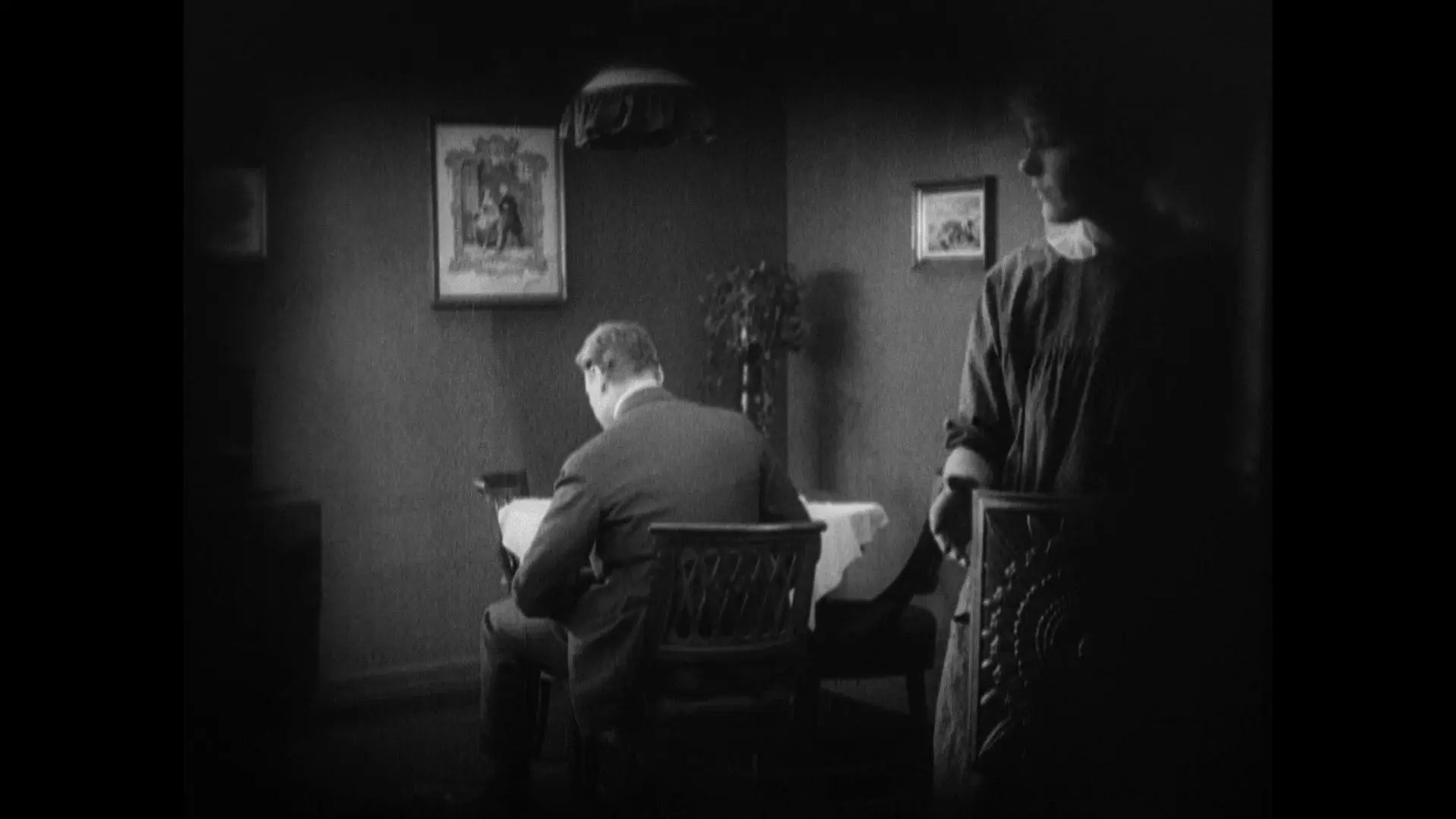
The household itself, meticulously designed by Dreyer, becomes a microcosm of Victor's dominion. The children, notably Byril Harvig and Karin Nellemose, move with a cautious trepidation, their youthful exuberance muted by the ever-present threat of their father's arbitrary wrath. The maid, the cook, even the family dog, seem to exist in a state of perpetual anxiety, their lives dictated by the whims of the 'master.' This carefully constructed atmosphere of tension is where Dreyer truly shines, demonstrating an early aptitude for creating immersive psychological spaces. The subtle gestures, the lingering glances, the unspoken resentments—all are amplified in the silent medium, forcing the audience to read between the lines, to feel the emotional undercurrents that ripple through every frame.
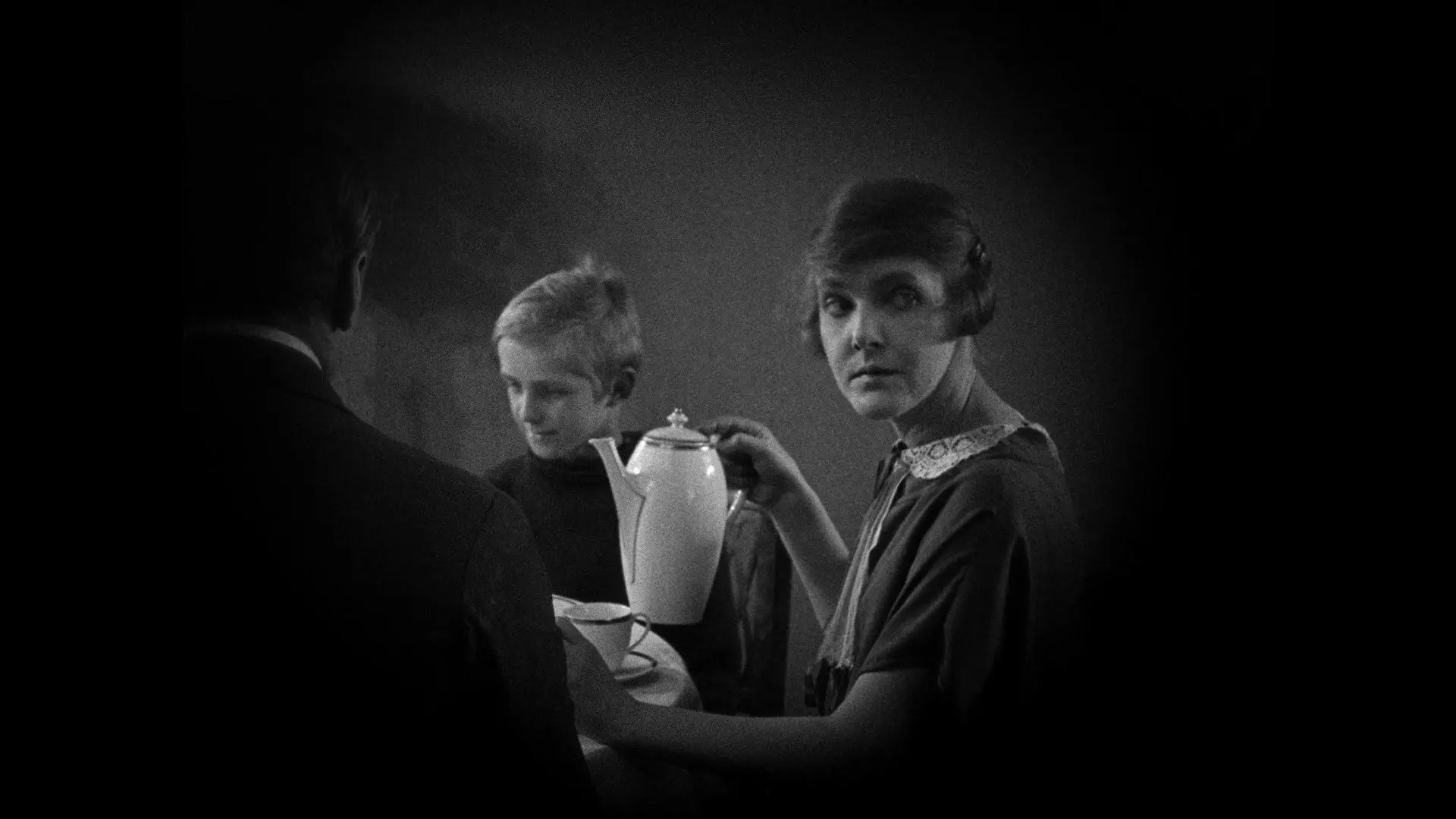
The dramatic fulcrum of the film arrives in the form of Karen, the family’s former nanny, played by Clara Schønfeld. Karen is not merely a nostalgic figure from the past; she is a force of nature, a practical and empathetic woman whose return disrupts the established, toxic equilibrium. Her eyes, unclouded by years of domestic subjugation, immediately perceive the profound injustice festering within the household. She sees Ida's exhaustion, the children's fear, and Victor's monumental self-absorption with a clarity that none of the family members, steeped in their routines of suffering and tyranny, can muster. Schønfeld imbues Karen with a quiet authority, a wisdom born of experience, which makes her intervention not only believable but deeply satisfying.
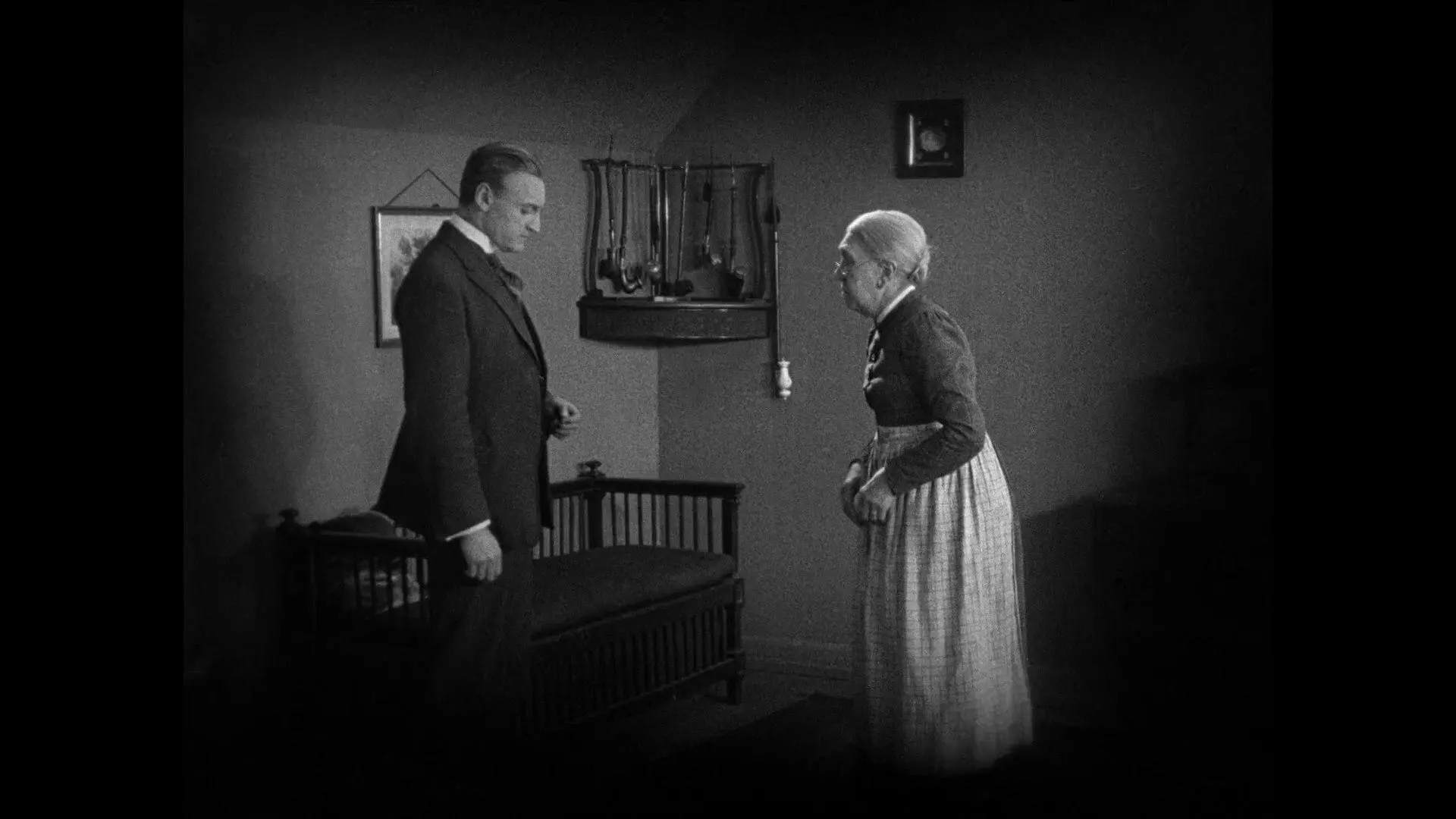
Karen's plan, hatched in concert with Victor's formidable mother-in-law (Mathilde Nielsen, whose stern yet loving presence is a bedrock of the film), is brilliantly simple yet profoundly effective. It's a radical act of domestic insurgency: to deprive Victor of the very services and comforts he so readily abuses. They orchestrate Ida's temporary departure, sending her to recuperate, and then systematically dismantle Victor's 'kingdom.' The maid is dismissed, the cook sent away. Suddenly, the 'master' finds himself truly alone, confronted not by rebellion, but by absence. The meticulous machinations of this quiet revolution are captivating to watch, a testament to the power of collective female agency in an era where women's roles were often rigidly defined and confined.
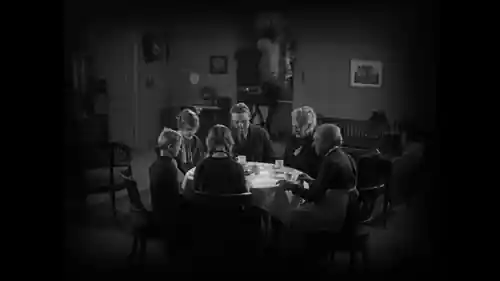
Dreyer’s direction during this phase is particularly insightful. We witness Victor's descent from indignant confusion to bewildered helplessness. He fumbles with household chores he has never deigned to consider, struggles with the children he barely acknowledges, and grapples with the sheer physical labor that Ida had performed tirelessly, invisibly, for years. This forced encounter with the realities of domestic life is not merely comedic; it’s a stark, almost brutal, lesson in empathy. The film doesn't preach; it demonstrates. It allows Victor, and by extension the audience, to experience the profound disconnect between perceived entitlement and actual contribution.
What truly elevates Master of the House is Dreyer's masterful command of the silent medium. He utilizes close-ups not just for dramatic effect, but to reveal the intricate workings of the human psyche. The film is replete with moments where a lingering shot on a character's face—Ida's weary eyes, Victor's bewildered frown, Karen's knowing smile—conveys more emotional depth than any intertitle could. The pacing, though deliberate, never drags, maintaining a compelling rhythm that builds towards Victor's eventual, grudging awakening. The domestic setting, often dismissed as mundane, is transformed into a stage for profound human drama, where everyday objects and routines become symbols of power, neglect, and eventual redemption.
The performances across the board are exemplary for the silent era. Beyond Holm’s
IMDb 6.1
1934
Community
Log in to comment.