DbcultAccessing Vault...
6.6/10
Senior Film Conservator
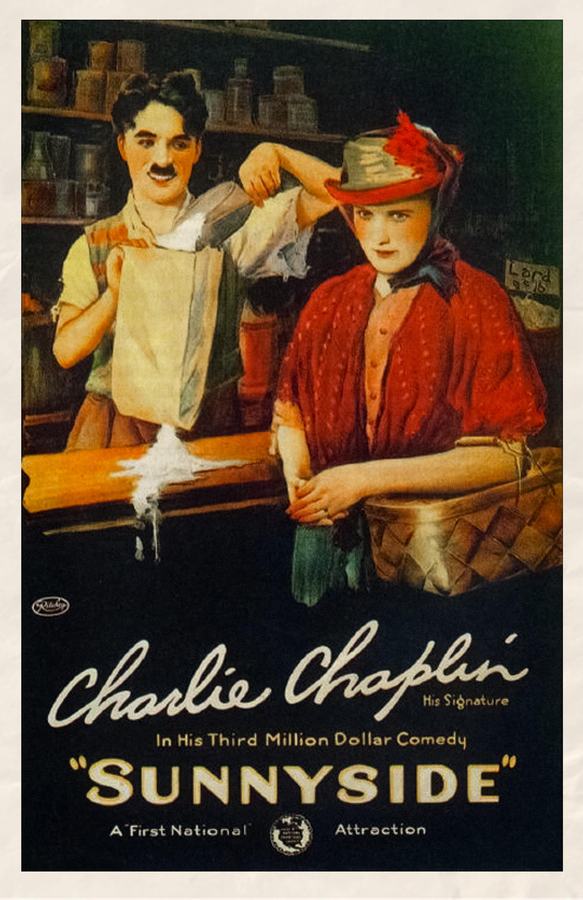
A definitive 6.6/10 rating for a film that redefined the boundaries of cult cinema. Sunnyside remains a cornerstone of transgressive art.
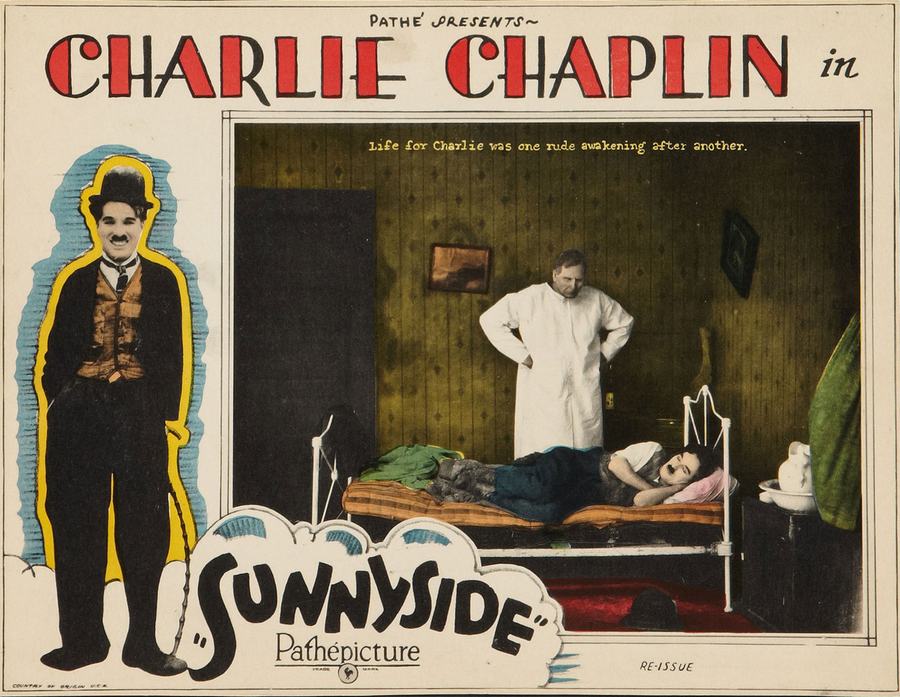
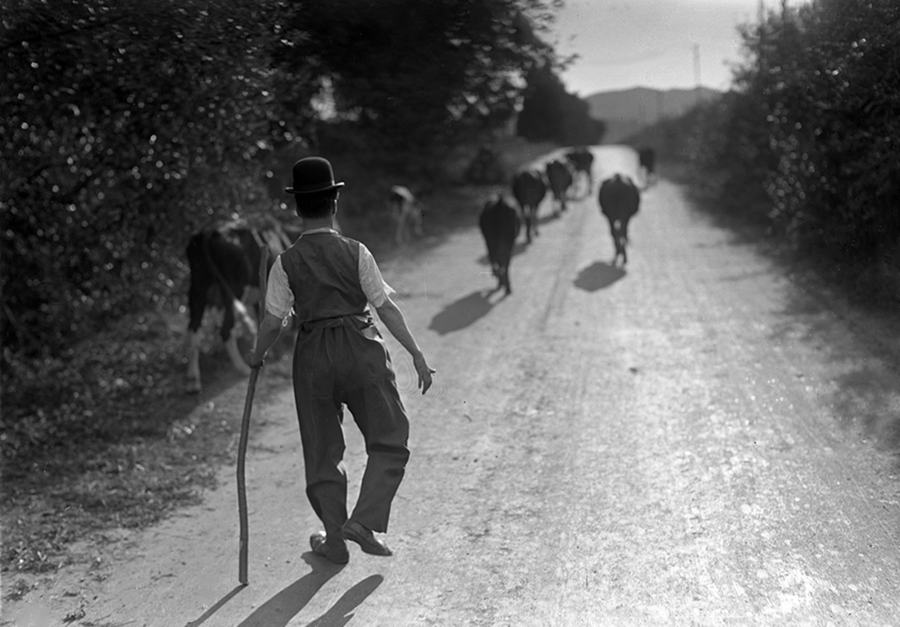
When Chaplin drags his limp body from bed at 4 AM in Sunnyside, he isn't just beginning a workday—he's conducting a symphony of exhaustion. Watch how he transforms survival into slapstick alchemy: a cow becomes a cafetière, a hen an organic egg dispenser. This isn't mere poverty; it's the poetry of desperation. The farm setting, seemingly idyllic, functions as a gilded prison where labor devours identity. Chaplin's genius lies in making the audience laugh at starvation while feeling its gnawing emptiness.
Edna Purviance’s performance as the farmer's daughter vibrates with unspoken melancholy. Her interactions with Charlie carry the weight of silent film’s entire romantic lexicon—stolen glances through kitchen windows, gloved hands withdrawn like startled birds. When her father (Tom Wood) looms into frame, his contempt isn't cartoonish villainy but the chilling realism of class enforcement. Their wordless exchange as Charlie presents wildflowers—Edna’s hesitant smile, her father’s dismissive snort—communicates more about social barriers than pages of dialogue could.
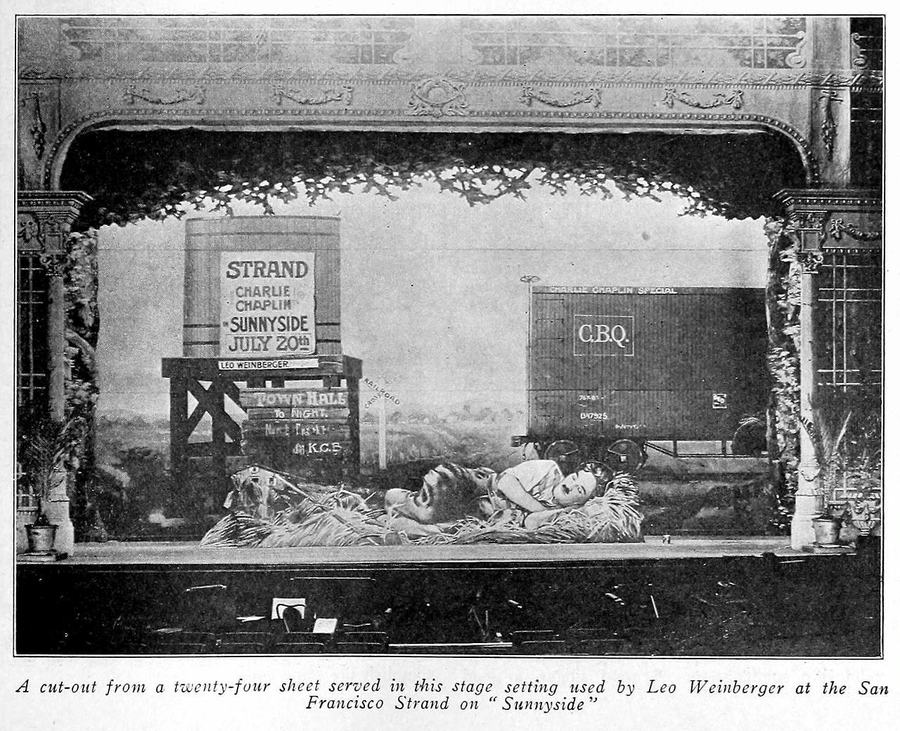
The dream sequence remains cinema's first great expressionist rupture. After the bovine baptism in the stream, Chaplin dissolves into a pagan reverie where Willie Mae Carson’s nymphs weave through birch trees like sentient moonlight. Critics often reductively label this as escapism, but observe the choreography: the nymphs move with the same frantic energy as Charlie’s wakeful scrambles. This isn't fantasy as refuge but as subconscious mirror—his yearning for grace made visible. The sequence’s gauzy cinematography anticipates German expressionism, yet feels spontaneously grown from the soil of his exhaustion.
Enter George Cole’s city slicker—a wrecked automobile spitting him into Eden. Chaplin frames the character as a contamination: his polished shoes defiling the dirt road, his city suit an obscenity against haystacks. Edna’s nursing of the stranger isn't betrayal but a terrifying glimpse of her possible future: domesticity as gilded cage. When Charlie mimics the interloper’s affectations—stiff posture, arrogant cigarette flick—it’s not just comedy but a horrifying self-erasure. His flailing attempt at sophistication parallels the grotesque transformations in The Gilded Cage, where social climbing becomes spiritual suicide.
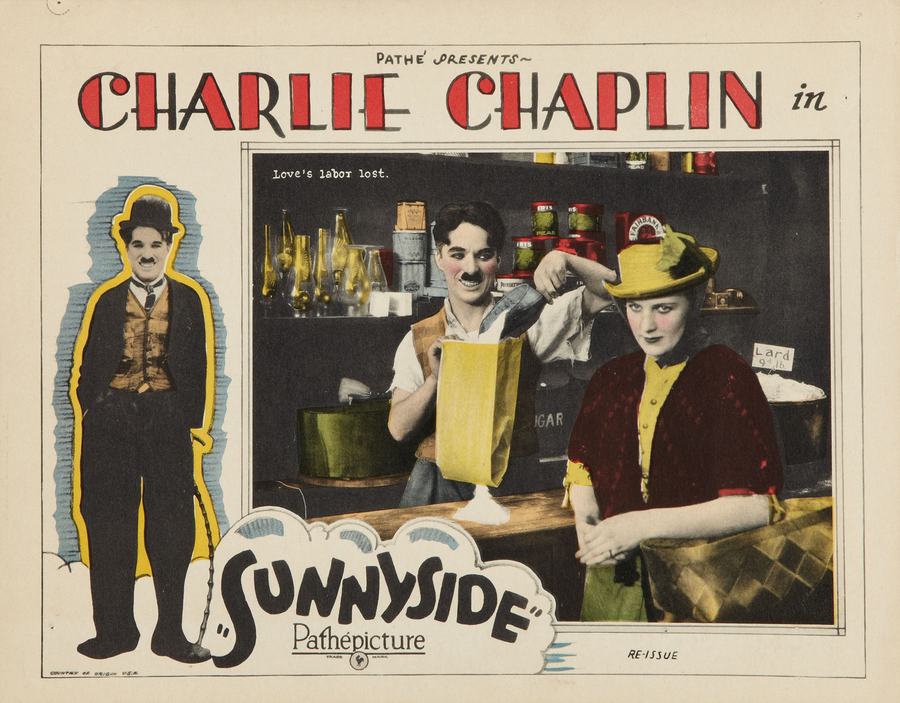
That final river plunge haunts film scholarship because Chaplin weaponizes ambiguity. Does the languorous smile before submersion indicate:
Chaplin’s editing deliberately withholds resolution. The river doesn’t swallow him—it receives him. Unlike the violent finality in To the Death, this is liminal space made liquid. Purviance’s final glance toward the water isn't grief but unsettling curiosity.
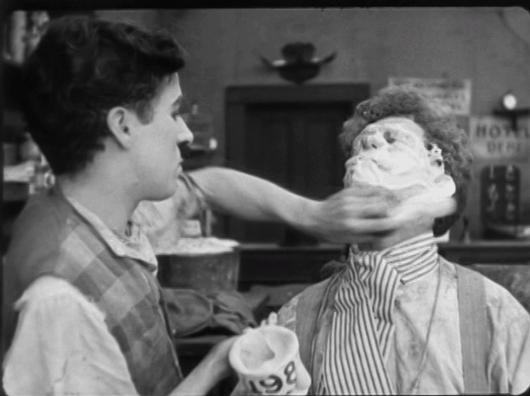
Watch how Chaplin uses farm implements as extensions of emotion:
| Prop | Literal Function | Emotional Symbolism |
|---|---|---|
| Milking Stool | Seating | Island of respite in labor's ocean |
| Hens | Egg production | Absurd fertility against Charlie's loneliness |
| Cow | Livestock | Unwilling witness/co-conspirator |
His collision with the cow isn't accident but choreography—the animal’s kick launching him skyward mirrors society’s boot. Albert Austin’s cameo as the baffled vet reinforces how Charlie exists outside systems of understanding.
Edna Purviance delivers cinema’s most eloquent shrug. Her performance thrives in negative space—watch how she conveys more through the folding of an apron than most actresses achieve with soliloquies. When tending the city man, her hands move with clinical detachment compared to the trembling energy when handing Charlie a pie. Chaplin frames her not as prize but prism—reflecting Charlie’s hopes and society’s constraints. Her final absence from the riverbank speaks volumes about passive complicity.
Scholars remain fractured like shards from Chaplin’s broken coffee cup:
What all miss is the agricultural truth beneath: rivers irrigate. That plunge may simply be the land reclaiming its own.
Consider the breakfast sequence as microcosm: Charlie holding a hen over the skillet is man dominating nature. But when he later flaps his arms in imitation of the city suitor, he’s become the very creature he exploited—a chicken attempting flight. The cow’s kick becomes the furnace blast melting Icarus’ wings. Unlike the straightforward melodrama of Her Maternal Right, Chaplin layers myth onto mud.
Sunnyside’s DNA surfaces in unexpected places:
Yet it remains distinct in its refusal to comfort. Where Come on In offers communal resolution, Chaplin leaves us knee-deep in interpretive mud. Even the pastoral setting subverts expectations—compare its oppressive greenery to the liberating wilderness in Half Breed.
Perhaps the answer lies in the film’s first minutes. When Charlie extracts breakfast directly from livestock, he demonstrates brutal pragmatism. The final plunge is that same pragmatism applied to emotional pain—eliminating the unsustainable. The nymphs weren’t an escape but a diagnostic: revealing his soul’s starvation. His imitation of the city man isn't ambition but the farmhand’s equivalent of holding a chicken over a pan—attempting to force nourishment from an alien source. When it fails, he chooses direct consumption of oblivion. Or transcendence. Or both. Like the best art, Sunnyside dwells in the fertile space between answers—a crop grown from questions.
IMDb 6.7
1929
Community
Log in to comment.