DbcultAccessing Vault...
Cult Review
Senior Film Conservator
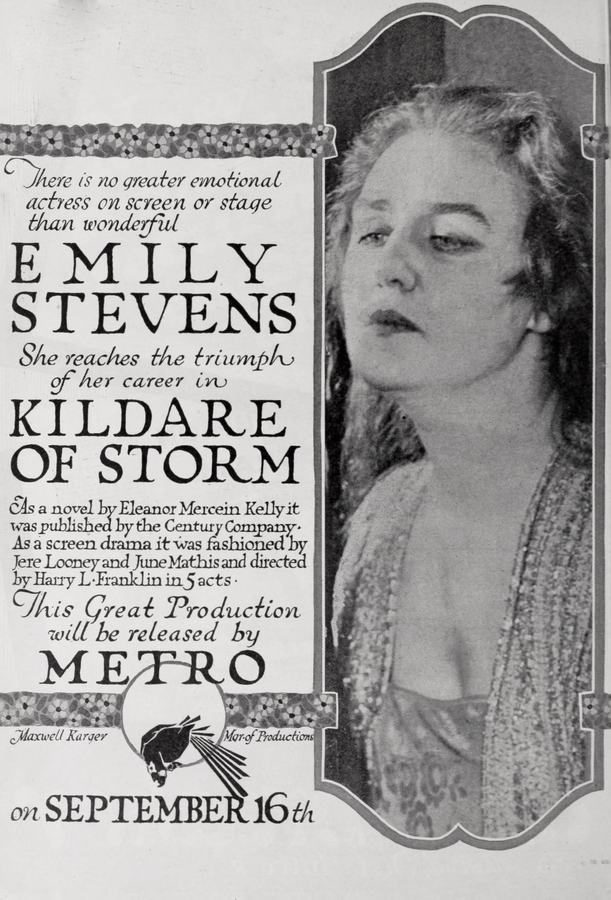
Stepping into the world of Kildare of Storm is akin to opening a forgotten tome, its pages imbued with the rich, musty scent of Southern Gothic melodrama. This 1918 silent film, a creation from the prolific minds of June Mathis, Eleanor Mercein Kelly, and Jere F. Looney, plunges viewers into an era where societal expectations often trumped personal happiness, and the shadows of grand plantations concealed unspeakable cruelties. It's a narrative woven with threads of forced matrimony, illicit passion, patriarchal tyranny, and the slow, arduous march towards justice, all set against a backdrop of simmering tension and tragic consequences.
At its heart lies Kate Leigh, portrayed with a poignant vulnerability by Helen Lindroth. Kate's journey is one of profound suffering and eventual resilience. Her marriage to Basil Kildare, the wealthy but utterly repugnant owner of the titular Storm plantation, is not a union born of affection but rather a transactional arrangement, dictated by the relentless social pressures exerted by her mother. From the outset, the audience witnesses Kate's entrapment, a gilded cage where wealth offers no solace from the burgeoning horror of her husband's true nature. King Baggot's portrayal of Basil Kildare is a masterclass in silent film villainy – a coarse, brutal alcoholic whose every glance and gesture radiates menace. He is the embodiment of unchecked privilege and toxic masculinity, a man who believes his station grants him dominion over all, especially the women in his life.
The intricate web of relationships extends beyond the marital bed, introducing Mahaly, played by Maggie Breyer, a character whose tragic arc provides the film with its most visceral emotional core. Mahaly is Basil's servant and, more significantly, the mother of his illegitimate son. Her protests against Basil's infidelity and subsequent abandonment are met with a chilling act of paternalistic cruelty: Basil seizes their child, effectively severing the maternal bond. This act of profound injustice ignites a slow-burning fuse within Mahaly, a silent vow of retribution that will ultimately define the film's climax. Breyer conveys this simmering rage and heartbreaking grief with an intensity that transcends the limitations of silent cinema, her expressive face a canvas of raw emotion.
As Kate's life at Storm becomes increasingly unbearable, a suffocating existence punctuated by Basil's drunken rages, she finds an unexpected haven in the friendship of Dr. Jacques Benoix and his mother. Crauford Kent imbues Jacques with a quiet dignity and compassionate spirit, making him the antithesis of Basil. Their connection is one of intellectual and emotional solace, a lifeline for Kate in her isolated despair. It’s a delicate dance of forbidden emotional intimacy, rendered with a subtlety that speaks volumes without dialogue. The film masterfully builds this emotional tension, making the audience keenly aware of the precariousness of their bond in such a restrictive social environment. This burgeoning affection, however, sets the stage for the narrative's central tragedy.

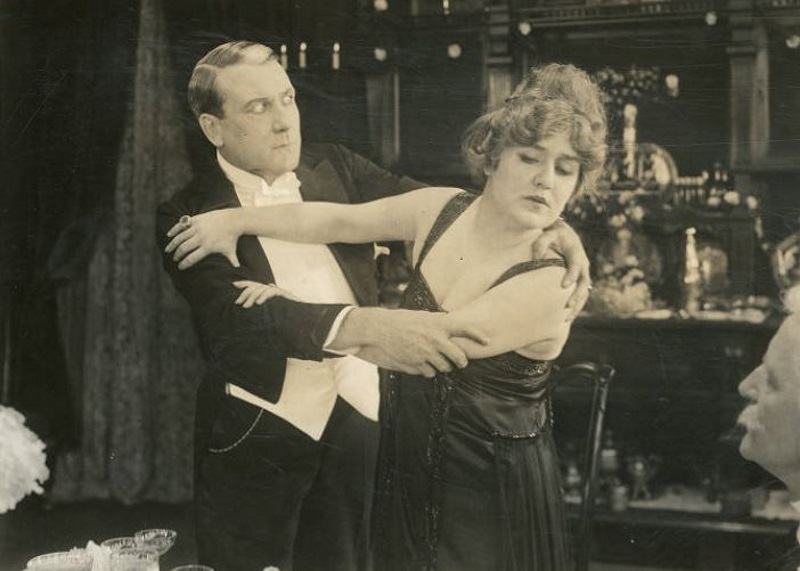
Basil, ever the possessive and paranoid husband, intercepts a seemingly innocuous note written by Kate to Jacques. This discovery fuels his already volatile temperament, leading to a brutal confrontation between the two men. The fight, depicted with characteristic silent film melodrama, is a visceral clash of good versus evil, brute force against cultivated restraint. The ensuing discovery of Basil's lifeless body casts a pall of immediate suspicion upon Jacques, a convenient scapegoat given his rivalry with the deceased. The swiftness of his conviction and subsequent life sentence underscore the inherent biases and injustices prevalent in the legal systems of the era, a poignant commentary on how easily truth can be distorted when powerful interests are at play. This sequence echoes thematic elements found in other films of the period, such as The Curious Conduct of Judge Legarde, which also delves into the complexities of wrongful accusations and the arduous path to vindication.
What truly elevates Kildare of Storm from a mere melodrama is Kate's unwavering commitment to justice. For years, she dedicates herself to Jacques's cause, her efforts a testament to her profound inner strength and the depth of her affection. Lindroth's portrayal of Kate in this phase is particularly compelling; she transforms from a demure victim into a tenacious advocate, navigating the labyrinthine legal and social systems with a fierce determination. This tireless pursuit of truth, often against seemingly insurmountable odds, forms the emotional backbone of the film's latter half. It is a powerful depiction of a woman defying the passive roles often assigned to her gender during that period, demonstrating agency and fortitude in the face of adversity.
The climactic revelation, delivered from Mahaly's deathbed, is a masterstroke of narrative timing and emotional catharsis. Her confession – that she, not Jacques, was the true perpetrator of Basil's murder – reshapes the entire narrative. This act of vengeance, born from the profound grief of a mother robbed of her child, humanizes Mahaly's character and offers a nuanced perspective on justice. It’s not just a plot twist; it’s a moment of profound psychological insight, revealing the devastating consequences of Basil’s cruelty and the desperate measures taken by those he wronged. This tragic confession allows for both Mahaly's final redemption and Jacques's ultimate freedom, a narrative device that provides a powerful, if belated, sense of closure.
The film's resolution, with Kate and Jacques finally free to embark on a new life together, is a bittersweet victory. It speaks to the enduring power of love and perseverance, yet it is tempered by the years of suffering and injustice they endured. The narrative doesn't shy away from depicting the long-term emotional toll of their ordeal, making their eventual happiness feel hard-won and deeply deserved. This arc of suffering and eventual, albeit costly, triumph resonates with the human condition, making the film's emotional impact enduring.
From a technical standpoint, Kildare of Storm showcases the storytelling prowess of early cinema. The use of intertitles is effective, advancing the plot and conveying dialogue with clarity, while the visual storytelling, reliant on expressive gestures and dramatic staging, remains compelling. The cinematography, though perhaps rudimentary by modern standards, effectively captures the grandeur of the plantation and the intimate emotions of its characters. Directors of this era were masters of conveying complex emotions without spoken word, relying on the nuanced performances of their cast and the evocative power of visual metaphor.
The writing team, particularly June Mathis, who was a formidable force in early Hollywood, demonstrates a keen understanding of dramatic structure and character development. Mathis was known for her ability to craft compelling narratives, often focusing on strong female characters navigating challenging circumstances, a trait evident in Kate Leigh's journey. Her influence on the silent film era cannot be overstated, and her contributions to Kildare of Storm are a testament to her skill in weaving intricate human dramas. The script balances the grandiosity of its Southern setting with the intense personal struggles of its protagonists, creating a narrative that is both epic and intimate.
Considering its contemporaries, Kildare of Storm stands out for its bold exploration of social issues, particularly the subjugation of women and the inequities of the justice system. While many films of the period, like The Man from Home or Two Men of Sandy Bar, focused on more straightforward adventure or comedic narratives, Kildare of Storm delves into darker, more morally ambiguous territory. It aligns more closely with the thematic depth found in films that explored social commentary, albeit often through melodramatic lenses. The film's willingness to confront themes of illegitimate children, domestic abuse, and wrongful imprisonment gives it a surprising modernity for its time.
The performances are uniformly strong. Helen Lindroth, as Kate, navigates a complex emotional landscape, moving from despair to defiance with convincing grace. Her suffering feels authentic, and her determination palpable, making her a sympathetic and ultimately inspiring protagonist. King Baggot's Basil is suitably loathsome, embodying the very essence of malevolent power. His presence dominates the screen, a constant source of dread and conflict. Maggie Breyer's Mahaly is perhaps the most tragic figure, her silent anguish and eventual, desperate act leaving an indelible mark. Crauford Kent's Jacques provides the necessary counterbalance, a beacon of integrity and compassion in a morally compromised world. The ensemble works cohesively, each actor contributing to the film's rich emotional tapestry.
The setting of a Southern plantation, referred to simply as Storm, is not merely a backdrop but an active character in itself. It symbolizes the entrenched social hierarchies, the legacy of past sins, and the claustrophobic atmosphere that stifles individual freedom. The very name 'Storm' suggests impending turmoil, a foreshadowing of the dramatic events that will unfold within its confines. The visual representation of the plantation, with its grand architecture and expansive grounds, contrasts sharply with the sordid secrets and brutal realities hidden beneath its genteel facade. This duality is a hallmark of the Southern Gothic genre, which Kildare of Storm embraces wholeheartedly.
One cannot discuss the film without acknowledging its powerful commentary on the judicial system. Jacques's immediate conviction based on circumstantial evidence highlights the fragility of justice, especially for those without significant power or influence. Kate's tireless efforts to secure his pardon become a metaphor for the arduous and often thankless work required to correct systemic wrongs. The film suggests that true justice is not always swift or straightforward but often requires immense personal sacrifice and unwavering belief. This theme of legal injustice and the fight for exoneration is a recurring motif in cinema, and Kildare of Storm offers an early, compelling example.
The ending, while offering a sense of resolution, does not shy away from the lingering melancholy of what has been lost. The years of separation, the wrongful imprisonment, and the emotional scars of Basil's tyranny cannot be erased, but they can be transcended. Kate and Jacques's new beginning is not a naive happily-ever-after but a testament to enduring hope and the possibility of rebuilding lives shattered by tragedy. It's a conclusion that feels earned, a poignant acknowledgment of the human capacity for resilience and love in the face of profound adversity.
In summary, Kildare of Storm is far more than a historical curiosity. It is a powerful and emotionally resonant silent film that grapples with timeless themes of love, betrayal, justice, and redemption. Its compelling narrative, strong performances, and evocative Southern Gothic atmosphere ensure its place as a significant piece of early cinematic storytelling. For enthusiasts of silent cinema and those interested in the evolution of dramatic narratives, this film offers a rich and rewarding viewing experience. It reminds us that even without spoken words, the human heart's deepest desires and most profound struggles can be eloquently expressed, leaving an indelible impact on the discerning viewer. The enduring power of its narrative demonstrates why films from this era continue to captivate and provoke thought, proving that compelling storytelling transcends technological limitations. The intricate dance of fate and individual will, so central to its plot, remains as captivating today as it was over a century ago.
The film's exploration of morality is particularly striking. Basil's actions are unequivocally evil, yet Mahaly's murder, while an act of vengeance, complicates the easy categorization of right and wrong. Her desperate act, born from immense suffering, forces the audience to confront the grey areas of justice and the moral compromises individuals make when pushed to their limits. This nuanced portrayal of human motivation elevates the film beyond a simple good-vs-evil narrative, inviting deeper reflection on the nature of retribution and forgiveness. Such complexity in character motivation was a hallmark of the more ambitious silent films, demonstrating that the medium was capable of profound psychological depth long before the advent of sound.
Ultimately, Kildare of Storm remains a powerful testament to the artistry of silent cinema. Its ability to convey such a rich and intricate story, with profound emotional resonance, without a single spoken word, is a remarkable achievement. The film's enduring themes of injustice, perseverance, and the redemptive power of truth resonate across generations, making it a worthy subject of continued study and appreciation. It invites us to consider the enduring human struggles that transcend time and technology, reminding us that the core elements of compelling storytelling remain constant. Its legacy lies not just in its historical context but in its timeless ability to move and provoke thought, solidifying its place in the annals of cinematic history.
IMDb —
1933
Community
Log in to comment.