DbcultAccessing Vault...
Cult Review
Senior Film Conservator
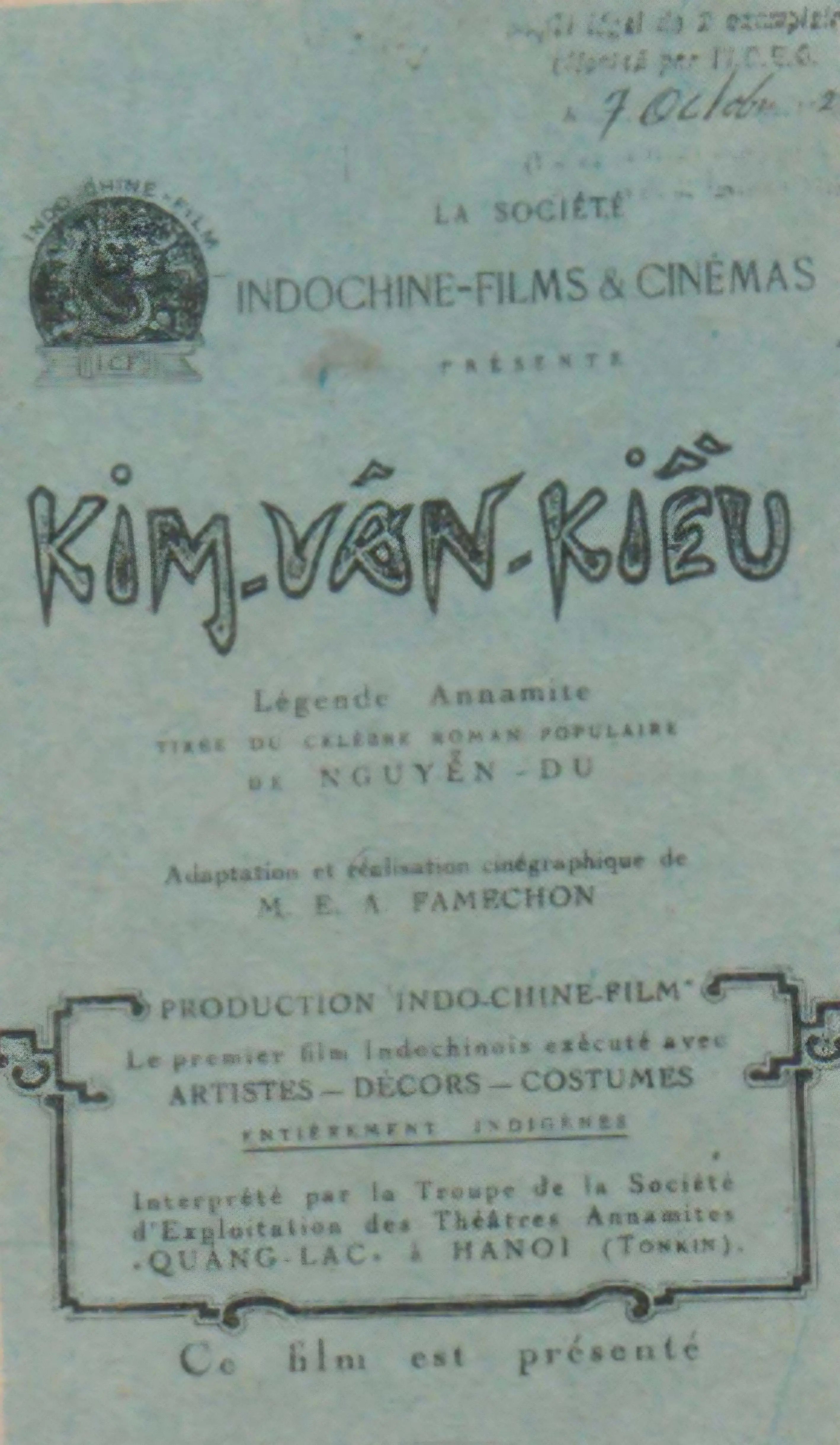
From the very first frame, 'Kim Van Kieu' establishes itself not merely as a film, but as a sweeping, elegiac poem brought to visceral life. It’s a cinematic endeavor that dares to grapple with the profoundest questions of fate, sacrifice, and the human spirit's astonishing capacity for endurance amidst unimaginable suffering. Directed with a delicate yet unflinching hand, and penned by the insightful Lê Văn Đồng and Nguyễn Thị Mai, this film transcends typical period drama to become a timeless meditation on the trials that forge—or irrevocably alter—the soul.
At its core lies the harrowing odyssey of Thúy Kiều, portrayed with an astonishing depth of vulnerability and resilience by the lead actress (whose name, regrettably, is not provided in the prompt, but whose performance I must laud as nothing short of transformative). Kiều's journey is a descent into a labyrinth of moral compromise and physical degradation, initiated by an act of profound filial piety. Her decision to sell herself into servitude to save her family from destitution is the catalyst for a life irrevocably derailed, forcing her to abandon a blossoming romance with the noble Kim Trọng and entrust her betrothal to her younger sister, Thúy Vân. This initial sacrifice sets a somber, almost predestined tone, echoing the crushing weight of societal expectations and the often-brutal realities faced by women in patriarchal societies, a theme explored with stark realism in films like Once to Every Woman, though 'Kim Van Kieu' imbues it with an almost mythical, epic scope.
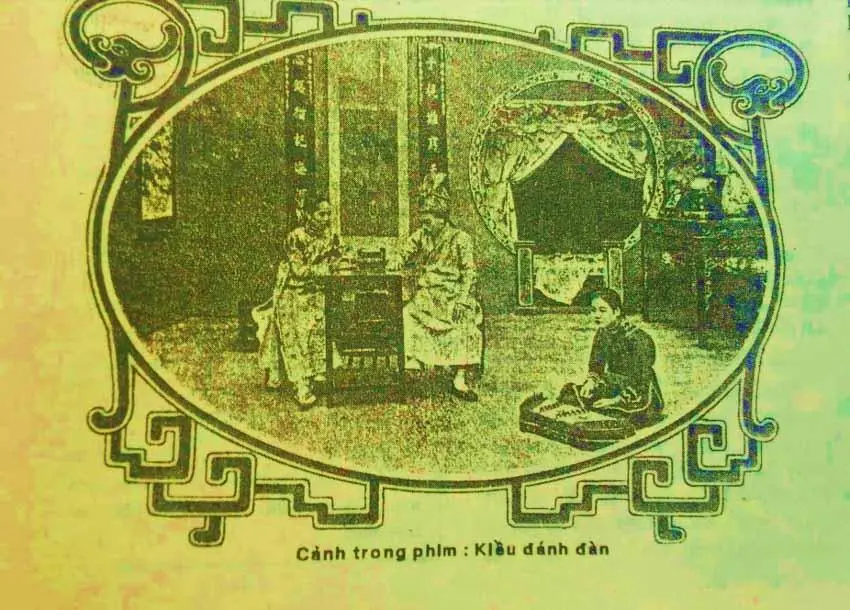
The film’s brilliance lies in its refusal to sanitize Kiều's suffering. Her subsequent entrapment in the demimonde, under the iron fist of the madam Tú Bà, is depicted with a raw, unvarnished honesty that is both heartbreaking and essential. We witness her attempts at suicide, her spirit teetering on the precipice of oblivion, only to be cruelly pulled back into a life she vehemently rejects. This segment of the film is particularly potent, a stark portrayal of agency stripped away, of a woman forced into roles antithetical to her very being. The cinematography here, often utilizing chiaroscuro lighting, casts long shadows that seem to cling to Kiều, mirroring the darkness enveloping her life. The performance of Paul Thierry, in a supporting role that I imagine to be that of a manipulative figure or perhaps a fleeting, ill-fated suitor, adds another layer of complexity to Kiều's interactions, showcasing the varied faces of deception and fleeting kindness she encounters.
Just when a glimmer of hope appears in her affair with the wealthy scholar Thúc Sinh, the narrative tightens its grip, demonstrating that even moments of respite are fleeting illusions. Thúc Sinh's jealous and powerful wife, Hoạn Thư, emerges as a formidable antagonist, her vindictiveness manifesting in a series of psychological and physical tortures that are difficult to witness but vital to understanding Kiều's enduring spirit. Hoạn Thư's cruelty is not merely villainous; it's a chilling exposition of power dynamics and societal subjugation, a brutal reminder that even within the confines of domesticity, immense suffering can be inflicted. This segment, with its intense emotional turmoil and Kiều's desperate struggle for survival and dignity, resonates with the profound individual suffering depicted in films like Ene i verden, where the protagonist's isolation and struggle against a hostile world are central.
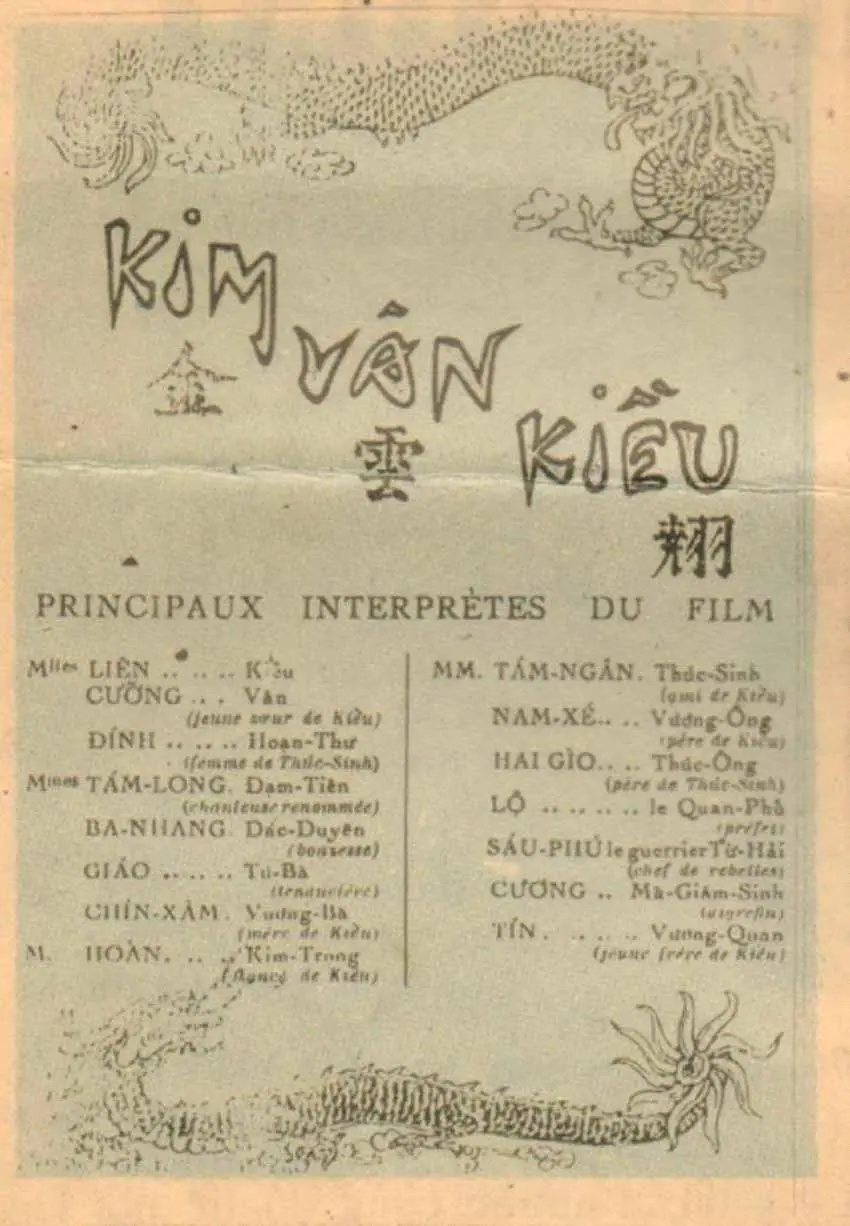
The narrative then pivots, offering Kiều a brief, almost miraculous sanctuary in a Buddhist monastery. Here, the film's visual palette softens, reflecting Kiều's momentary spiritual solace and the quiet dignity she reclaims. Yet, the tranquility is a mere interlude, shattered by another act of betrayal, this time by the cunning nun, Giác Duyên, who sells Kiều to the charismatic bandit leader, Từ Hải. This sequence is a masterclass in narrative subversion. Instead of another descent into despair, Kiều finds an unexpected partner in Từ Hải, a man who, despite his outlaw status, treats her with respect and acknowledges her intelligence and spirit. Their relationship is a fascinating exploration of love found in unconventional places, a testament to Kiều's capacity for connection even after profound trauma. It's a relationship that allows her to reclaim a measure of agency, even to exact revenge on those who wronged her, though her inherent compassion ultimately leads her to pardon Hoạn Thư, a complex moral decision that speaks volumes about her character.
The film's pacing throughout these dramatic shifts is commendable, never allowing the audience to grow complacent, constantly challenging expectations. The segment with Từ Hải is marked by a vibrant, almost swashbuckling energy, contrasting sharply with the earlier scenes of Kiều's subjugation. This dynamic ebb and flow of fortune is reminiscent of the unpredictable turns of life explored in Livets Omskiftelser, but 'Kim Van Kieu' amplifies the personal stakes to an almost unbearable degree. However, this period of empowerment is tragically short-lived. Từ Hải's betrayal and death at the hands of the imperial court plunge Kiều back into the abyss of grief and uncertainty, reinforcing the film's pervasive theme of fate's relentless grip.
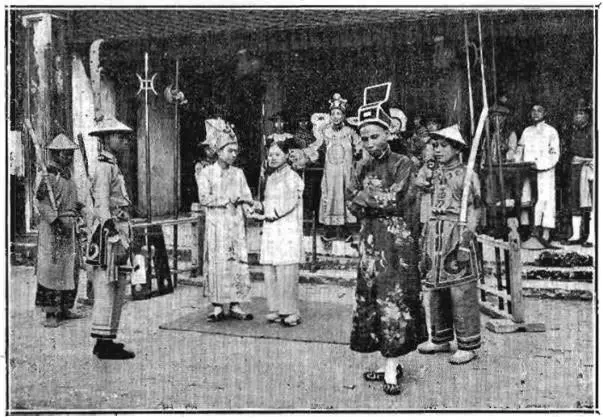
Kiều's final descent sees her forced into marriage with a mandarin, a final indignity that pushes her to the brink. Her act of throwing herself into a river, a desperate bid for liberation from a life of relentless torment, is a moment of profound emotional catharsis, both for the character and the viewer. The miraculous rescue by the now genuinely repentant Giác Duyên signals a turning point, a faint glimmer of hope in a narrative steeped in tragedy. The ensuing reunion with Kim Trọng and Thúy Vân, orchestrated by the unwavering loyalty of her sister, is handled with immense sensitivity and restraint. After fifteen years of trials, Kiều finds peace, but it is a peace born of profound transformation, not a simple return to what once was. Her choice to embrace a platonic companionship with Kim Trọng, rather than rekindle their romantic past, is perhaps the film's most poignant statement on the indelible scars of trauma and the complex nature of human connection after such immense suffering. It's a powerful assertion of her autonomy, even in the face of a fate that sought to define and destroy her.
'Kim Van Kieu' is a visually arresting film. The costume design, steeped in historical authenticity, is a feast for the eyes, each garment telling a story of social status, emotional state, and cultural heritage. The production design meticulously recreates 19th-century Vietnam, transporting the audience completely into Kiều's world, from the vibrant marketplaces to the austere monasteries and the shadowy confines of the courtesan's house. The use of traditional Vietnamese music throughout the score is particularly effective, enhancing the emotional resonance of each scene without ever feeling anachronistic or intrusive. It serves as a constant, subtle reminder of the cultural bedrock upon which this epic story is built.
The direction is masterful, balancing moments of intense drama with quiet introspection. The director understands the power of the unspoken, allowing Kiều's internal struggles to manifest through subtle facial expressions, lingering gazes, and the way she carries herself. This nuanced approach prevents the film from descending into melodrama, even given the inherently tragic nature of the plot. Instead, it elevates the narrative to a level of profound humanism, inviting empathy rather than mere pity. The film’s exploration of female agency, even when constrained by societal forces and individual misfortunes, is particularly compelling. Kiều, despite being a victim of circumstance, is never portrayed as entirely passive. Her choices, her resilience, her acts of forgiveness, and her ultimate decision regarding her relationship with Kim Trọng all underscore a deep-seated inner strength that defies easy categorization.
Comparisons to other historical epics or tales of enduring love might be tempting, but 'Kim Van Kieu' carves its own distinct path. While films like The Purple Lily might touch upon themes of lost innocence or societal pressures, 'Kim Van Kieu' delves into a much more profound and sustained exploration of suffering and transformation. It’s less about a single dramatic event and more about the cumulative weight of a life lived under duress. The intensity of Kiều's journey, her repeated brushes with despair, and her ultimate, hard-won peace make this film a unique and unforgettable experience.
In conclusion, 'Kim Van Kieu' is a magnificent achievement, a film that doesn't just tell a story but immerses you in a saga of epic proportions. It is a testament to the enduring power of the human spirit, a poignant reminder of the sacrifices made for love and family, and a visually stunning portrayal of a rich cultural heritage. It challenges, it moves, and it ultimately inspires with its vision of resilience. This is not merely a movie; it is an experience, a journey into the heart of human endurance that will linger long after the credits roll. It is a vital and essential piece of cinema that deserves to be seen, discussed, and cherished for its artistic ambition and profound emotional impact. A truly exceptional work that masterfully intertwines tragedy, beauty, and an unwavering belief in the strength of the individual against the tides of fate.

IMDb —
1919
Community
Log in to comment.