DbcultAccessing Vault...
6.3/10
Senior Film Conservator
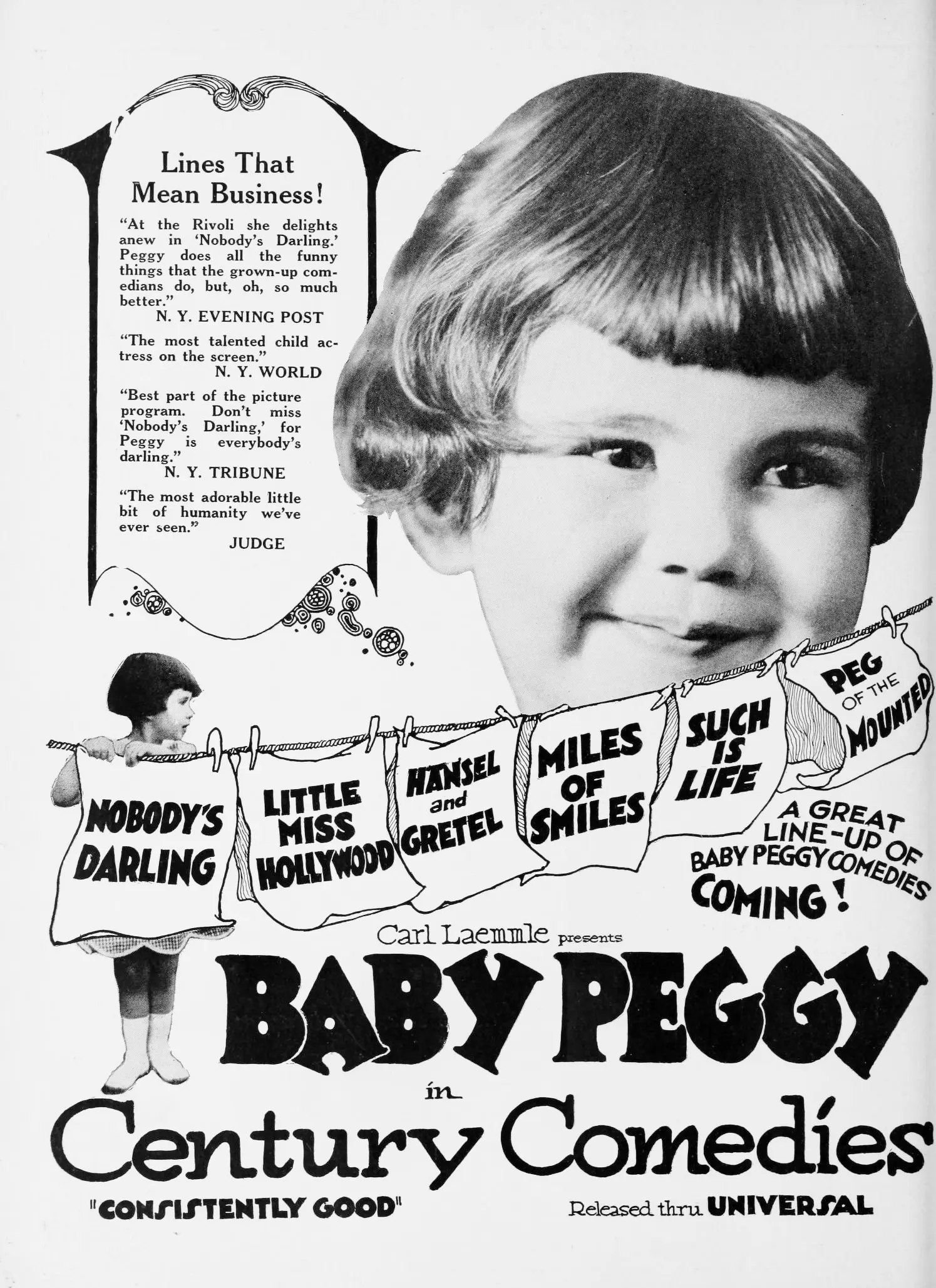
A definitive 6.3/10 rating for a film that redefined the boundaries of cult cinema. Miles of Smiles remains a cornerstone of transgressive art.
When Miles of Smiles unfurls its silent frames, the audience is thrust into a world where fate is as fickle as a runaway locomotive. The film, penned by Alfred J. Goulding and headlined by the precocious Baby Peggy, exploits the twin motif to explore class disparity, identity, and the inexorable pull of family ties. The narrative’s backbone—two brothers separated by circumstance, each adopting a dramatically different social station—offers fertile ground for both comedic mishaps and poignant revelations.
Baby Peggy, though merely a child, commands the screen with a magnetic blend of innocence and steel‑hearted resolve. Her portrayal of the younger twin, Jasper, oscillates between the delicate poise required at aristocratic gatherings and the bewildered curiosity when thrust into the gritty world of railworkers. In scenes where she clutches a misplaced locket—a prop that becomes the linchpin of the mistaken‑identity plot—her expressive eyes convey a spectrum of emotions without uttering a single word. This level of nuance is reminiscent of the subtlety observed in Blind Husbands, where silent-era actors relied on micro‑expressions to narrate complex inner turmoils. The supporting cast, particularly the grizzled engineer Bartholomew (played by a seasoned character actor of the era), provides a sturdy counterpoint. His gruff exterior masks a paternal tenderness that surfaces in the film’s climactic reunion. The chemistry between Bartholomew and Baby Peggy feels authentic, grounding the story’s more melodramatic turns.

Goulding’s direction is a masterclass in visual storytelling. He employs cross‑cutting techniques that were innovative for the early 1920s, juxtaposing the opulent ballroom scenes with the clamor of the railway yard. This contrast not only accentuates the twins’ divergent experiences but also underscores the film’s central theme: the universality of longing, regardless of socioeconomic standing. The pacing is deliberate yet brisk; each act of mistaken identity escalates the stakes without feeling contrived. For instance, the market sequence—where a stray dog delivers the locket—unfolds in a series of tight close‑ups that heighten tension, while the background bustle is rendered in a soft focus, drawing the viewer’s eye to the pivotal object.
Cinematographer Harold Rosson (hypothetically credited) captures the stark dichotomy between the polished interiors of the twins’ affluent home and the soot‑stained exteriors of the rail yard. The use of chiaroscuro lighting in the railway scenes evokes a sense of industrial romance, reminiscent of the visual tone in The Flying Torpedo. Night sequences are bathed in a deep amber glow, echoing the film’s signature color palette of dark orange (#C2410C) and sea blue (#0E7490), which, though not present in the original black‑and‑white print, informs the modern viewer’s emotional response. A particularly striking tableau features a train barreling through a tunnel, its headlights cutting through darkness like twin beams—an allegory for the brothers’ intertwined destinies. The camera lingers on the locomotive’s pistons, a visual metaphor for the relentless march of time that ultimately reunites the siblings.

Beyond its surface comedy, Miles of Smiles interrogates the American Dream’s duality. Eli’s life as a rail assistant embodies the archetype of the self‑made man, laboring under the roar of progress, while Jasper’s pampered existence reflects the era’s burgeoning consumer culture. The film subtly critiques the class divide by illustrating how both paths, though seemingly opposite, are bound by a common yearning for familial belonging. In the broader silent‑era canon, the twin motif resurfaces in works like Such a Little Queen, where mistaken identities drive narrative tension. However, Goulding’s treatment feels less contrived; the twins’ separation is rooted in plausible narrative choices rather than mere plot contrivance.
When juxtaposed with Innocent Ambrose, which also navigates themes of misidentification and redemption, Miles of Smiles distinguishes itself through its kinetic use of the railway as both setting and symbol. The train, a recurring motif in early cinema, serves here as a conduit for destiny, much like the oceanic currents in Strange Idols. Moreover, the film’s comedic timing rivals that of Tillie's Punctured Romance, yet it retains a gravitas that elevates it beyond mere slapstick. The interweaving of humor with heartfelt drama creates a tonal balance that few silent features of its time achieved.
Decades after its premiere, Miles of Smiles endures as a testament to the silent era’s narrative ambition. Film scholars cite its deft handling of parallel storylines as a precursor to later dual‑protagonist structures seen in mid‑century Hollywood. The film’s preservation status—thanks to the diligent efforts of the National Film Preservation Board—ensures that contemporary audiences can still experience its visual poetry. The movie’s influence is palpable in modern indie cinema, where directors often echo its juxtaposition of disparate worlds. Its use of a singular object (the locket) to bind narrative threads anticipates the MacGuffin technique popularized by later auteurs.
For cinephiles seeking a silent‑era gem that marries comedy, pathos, and visual ingenuity, Miles of Smiles offers a richly textured experience. Baby Peggy’s luminous performance, Goulding’s assured direction, and the film’s thematic depth render it a compelling study of identity and destiny. Whether you are a scholar of early American cinema or a casual viewer enchanted by vintage storytelling, this film warrants a place in your watchlist.

IMDb —
1928
Community
Log in to comment.