DbcultAccessing Vault...
Cult Review
Senior Film Conservator
A fever dream etched in nitrate
There are silents that merely move, and there are silents that devour—During the Plague belongs, without contest, to the latter caste. Shot through with the sulphurous haze of India’s dry-season sunsets and the chalk-white dread of bubonic terror, Otto Rung’s 1912 one-reel marvel distills an adulterous triangle into a morality crucible hotter than any burning ghats on-screen.
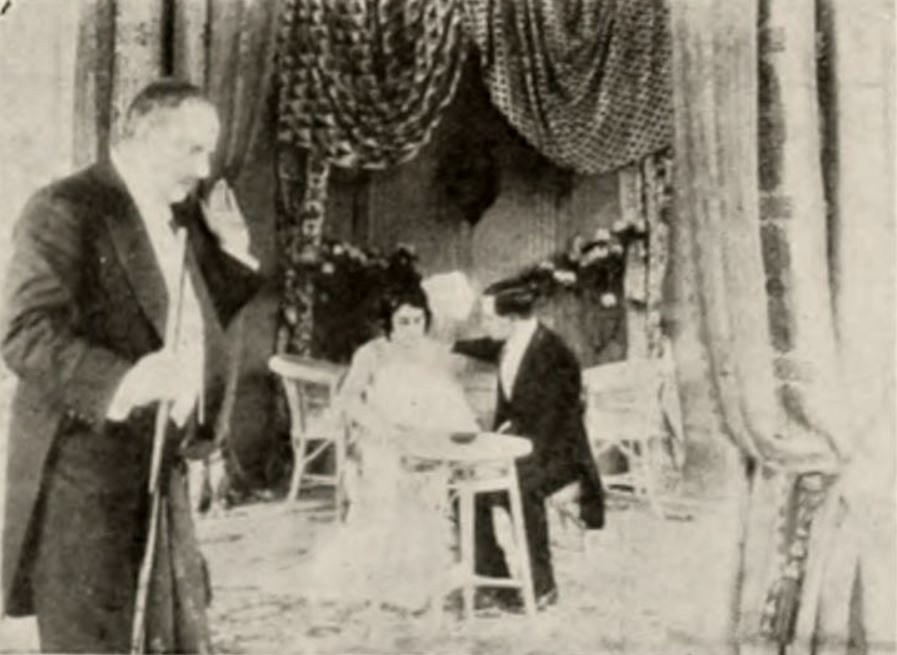
Carlo Wieth’s Dr. Warren strides across the frame like a man carved from obsidian: all right angles, clipped nods, scalpel for a soul. Watch his gaunt silhouette recede into the river-camp miasma—an image so primordially noir it could teach The Cheat’s Cecil B. DeMille a lesson in chiaroscuro sadism.
Meanwhile, Agnes Andersen’s Alice is no fainting Belle Dame but a restless, cigarette-scented enigma; her veiled glances feel modern, almost nouvelle-vague in their refusal to plead for sympathy. When she finally tears the love-letter note from Alston’s trembling fingers, the close-up—rare for Danish cinema of this purse-string epoch—feels like a slap of ice-water on viewerly voyeurism.
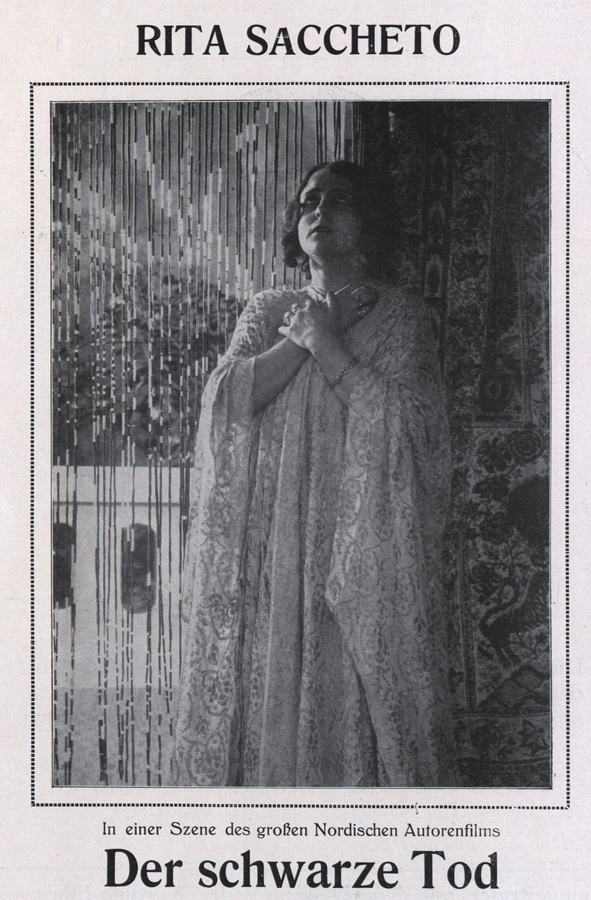
The plague here is not just narrative device; it is the film’s id, a bacterial unconscious that strips cant off civilisation faster than kerosene takes to linen. Compare it to Germinal’s mining horrors or Defense of Sevastopol’s cannon-blast carnage—yet Rung’s pestilence is intimate, almost erotic in its insidiousness, turning drawing-room farce into a bacillus-bedevilled chamber play worthy of Strindberg.
Holger Syndergaard’s Captain Alston could have been a moustache-twirling rake; instead he gifts us a boyish fragility that curdles into cadaverous guilt. His fevered collapse on Alice’s Persian rug—lips frothing, pupils dilated—remains one of the most startlingly unsimulated ailment portrayals I’ve encountered in early cinema, out-suffering even the deathbed contortions of Helen Gardner’s Cleopatra.
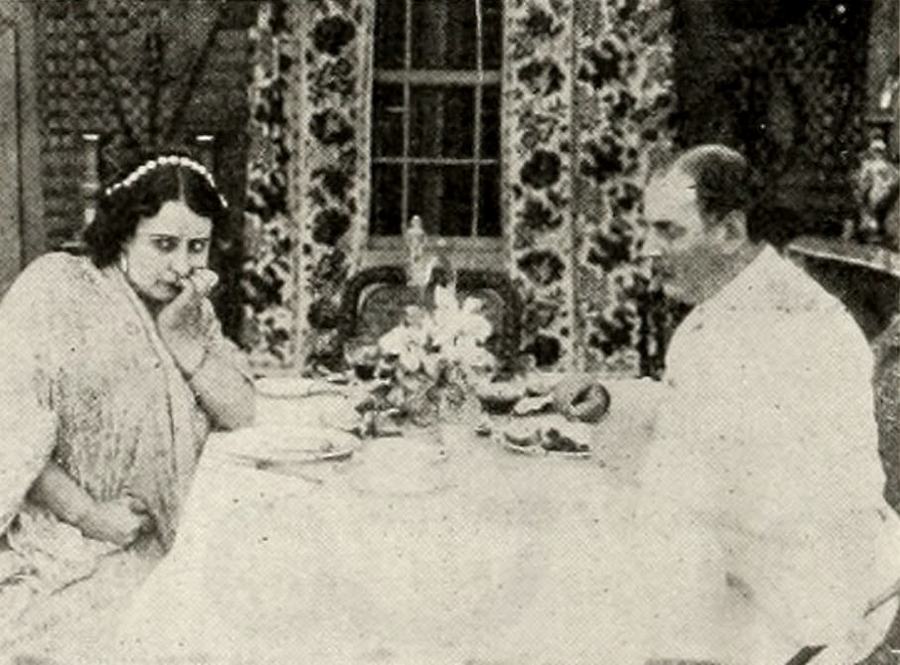
Yet the film’s ethical detonation arrives via Warren’s revolver moment—an apex where private fury collides with public oath. The way Wieth’s knuckles whiten around the grip wordlessly channels Kierkegaard’s either/or: murder or mercy, cuckoldry or cure. When Alice bars the doorway, yellow lamplash pooling over her cheekbones like accusatory gold, the tension spikes into an almost Sartrean no exit.
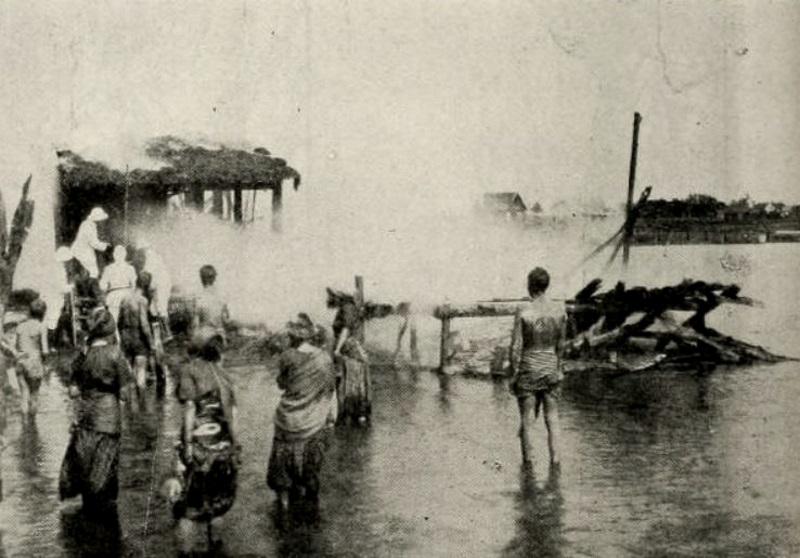
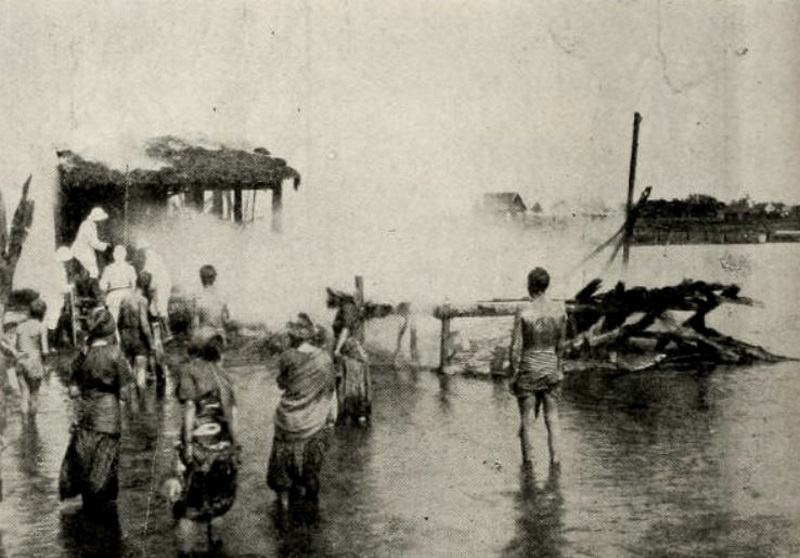
Rung and cinematographer Carl Lauritzen deploy a palette of tinder-browns and gangrene-greens, punctuated by the spectral white of cholera bandages. The eye learns to dread any splash of crimson—not because of violence but because it foreshadows the arterial spray of lanced buboes. Meanwhile, the recurring visual motif of burning huts doubles as purification and erasure, a colonial exorcism that haunts the conscience long after the 18-minute runtime sputters to its close.
The Danish intertitles, mercifully translated, retain a Lutheran bluntness: “Duty is heavier than love—yet love is what the heart weighs.” Such sententiousness could cloy; here, it lands like a surgeon’s stitch—necessary, swift, slightly painful.
Modern revivals benefit from a restrained ensemble—think harmonium drones with tabla heartbeat underneath, never swelling louder than Warren’s footsteps on veranda floorboards. Avoid the temptation to score it like Quo Vadis’s trumpet bombast; Rung’s microcosm demands chamber intimacy, the scratch of match on sandpaper as percussion enough.
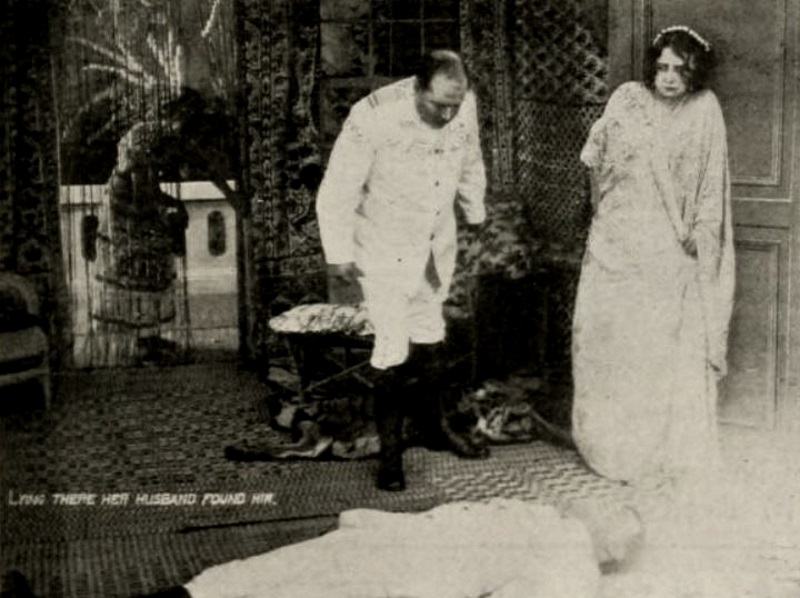
Released the same year as Sarah Bernhardt’s Elisabeth swoon-fest, During the Plague stands apart for refusing to romanticise sickness into poetic pallor. Its depiction of epidemic control—quarantine, serum, controlled burn—anticipates post-WWI public-health cinema and even echoes forward to Pompeii’s volcanic quarantine metaphors.
Feminist readings might fault Alice’s eleventh-hour repentance as patriarchal wish-fulfilment, yet Andersen’s nuanced micro-acting—fingers fluttering like trapped moths against Warren’s chest—suggests a self-willed epiphany rather than male-scripted abjection. Conversely, the Indian servant who announces Warren’s return is unnamed, voiceless: a stark reminder that while Europeans debate fidelity, indigenous bodies stack up like cordwood beyond the frame.
Only two nitrate prints are known to survive: one in the Danish Film Institute’s cold vault, another in a private Bologna collection. The 2017 2K restoration reveals flecks of mould that mirror the film’s on-screen pestilence—an accidental metatext. Seek it out at retrospectives; YouTube rips compress the 4:3 grain into impressionist mush, robbing the flames of their infernal clarity.
Short in footage, titanic in resonance, During the Plague proves that intimacy can trump spectacle, that a single revolver raised in a candle-lit lab can throb with more apocalyptic tension than chariot races or resurrected Messiahs. It cauterises the open vein of colonial guilt, marital neglect, and medical hubris into 18 minutes that feel, by the closing iris-in, like 18 years of penitence.
Verdict: a scalpel-sharp miniature of love vaccinated by duty—see it before it vanishes like vapour on a Calcutta dawn.
IMDb —
1925
Community
Log in to comment.