DbcultAccessing Vault...
7.1/10
Senior Film Conservator
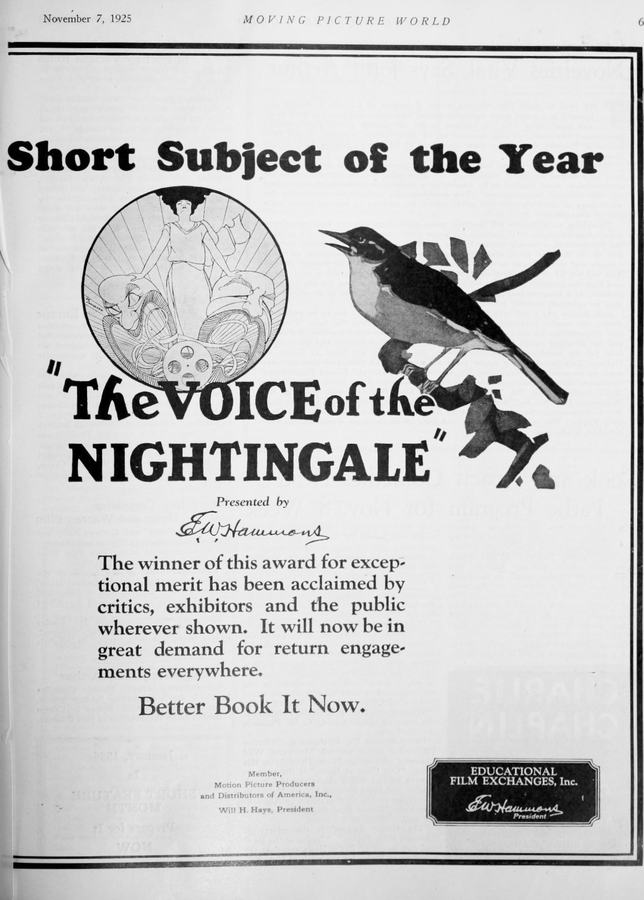
A definitive 7.1/10 rating for a film that redefined the boundaries of cult cinema. La voix du rossignol remains a cornerstone of transgressive art.
Starewicz’s La Voix du Rossignol arrives as a modest‑length, partly‑animated short, yet its ambition eclipses its runtime. The film opens with a muted tableau: a young girl, her hair a tangled halo, cradles a nightingale whose plumage glistens like wet ink. The camera lingers, allowing the audience to feel the palpable tension between curiosity and compassion. In a single, breathless cut, the child’s eyelids flutter shut, and we are thrust into a dream‑world where the bird’s mate, a spectral silhouette of amber and teal, beckons from a moonlit grove.
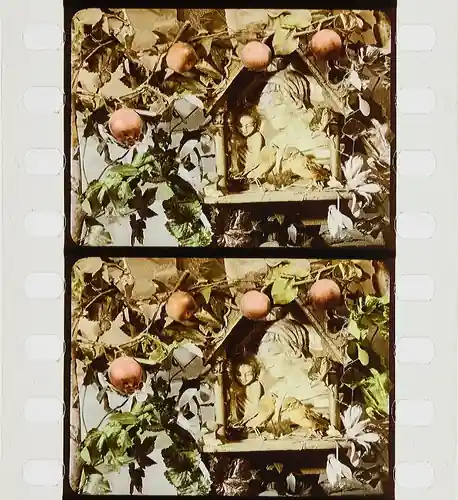
The plot functions less as linear storytelling and more as a poetic meditation. The nightingale’s nocturnal song is not merely a narrative device; it is a covenant, a trade of vocal agency for nocturnal freedom. This premise resonates with the age‑old motif of the artist’s sacrifice, reminiscent of the lyrical bargaining found in Princess Jones where a heroine exchanges personal safety for artistic ambition. Here, the child’s acceptance of the bird’s voice during daylight underscores a profound reversal: the captive gains a gift, yet the giver reclaims its autonomy under the veil of night.
Starewicz’s visual language is a study in contrast. The night sequences are bathed in deep sea blue (#0E7490), punctuated by the occasional ember of dark orange (#C2410C) that flickers from fireflies or distant lanterns. Daylight scenes, by contrast, adopt a washed‑out yellow (#EAB308) that feels both hopeful and melancholy, as if the sun itself is aware of the sacrifice it illuminates. The animation style—hand‑drawn line work overlaid on meticulously crafted stop‑motion sets—creates a texture that feels tactile, inviting the viewer to run a finger along the grain of a wooden branch or the soft curve of a feather.
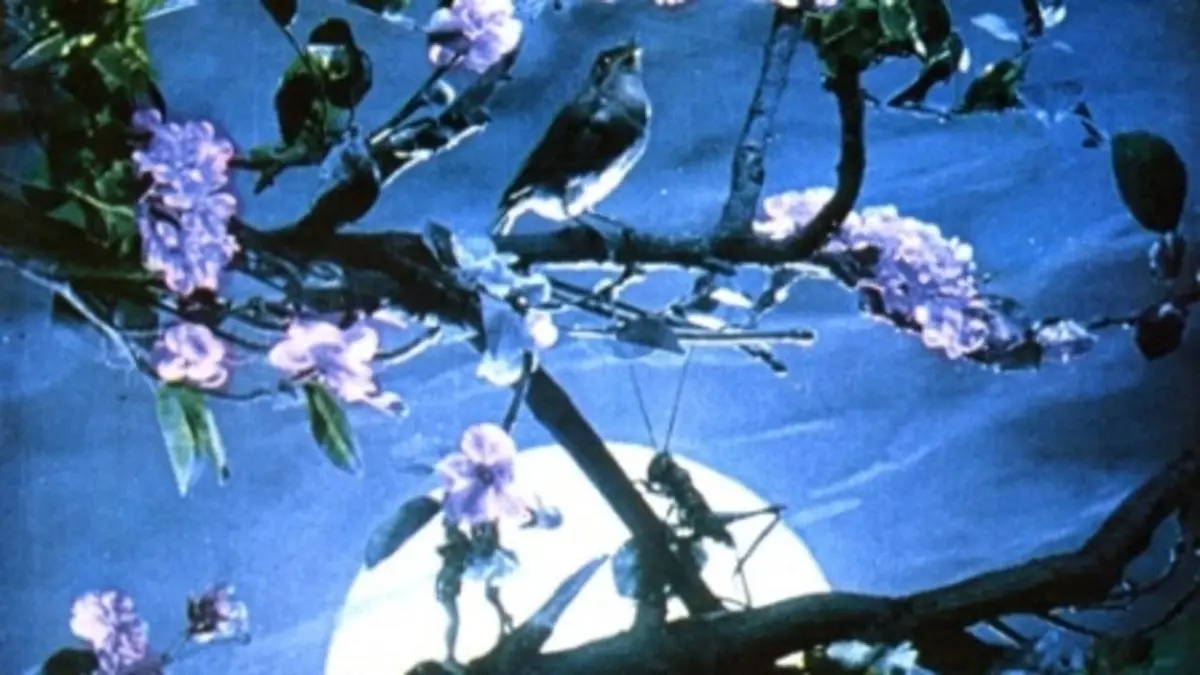
The auditory landscape is a masterclass in restraint. The nightingale’s song, when it finally unfurls, is a single, sustained note that reverberates across the blackened sky, each vibration tinged with a hint of longing. The child’s borrowed voice—soft, lilting, and unmistakably human—fills the daytime scenes, creating a dissonance that feels purposeful. This interplay mirrors the thematic tension between captivity and liberty, echoing the sound‑scapes of Fresh from the Farm, where ambient farm noises become a character in their own right.
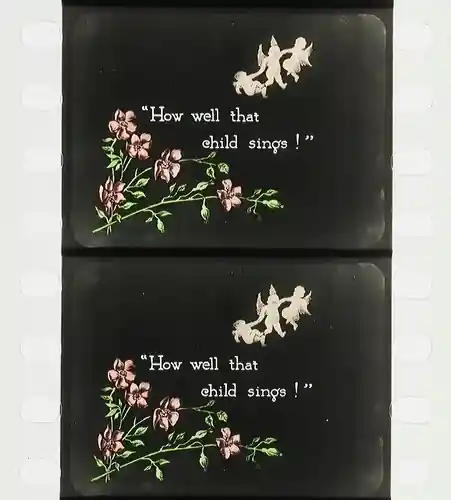
The child, though nameless, is rendered with a depth that belies her screen time. Her eyes, wide and reflective, serve as mirrors for the audience’s own curiosity. When she awakens from her dream, the lingering echo of the nightingale’s song informs her actions: she releases the bird, an act that feels less like a plot point and more like a rite of passage. This moment recalls the emotional crescendo of Playthings, where a young protagonist discovers agency through the relinquishment of a treasured object.
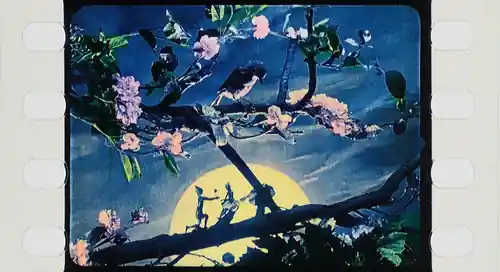
At its core, La Voix du Rossignol interrogates the paradox of artistic creation: to give voice, one must often surrender something vital. The nightingale’s nocturnal exile becomes a metaphor for the artist who works in solitude, hidden from the glare of daylight. The child’s temporary appropriation of that voice underscores a societal tendency to appropriate artistic labor without acknowledging its cost. This thematic strand aligns with the moral undercurrents of Billy's Fortune, where wealth is depicted as both blessing and burden.
\n \nWladyslaw Starewicz, a pioneer of early animation, has long been celebrated for his ability to infuse inanimate objects with emotional gravitas. In La Voix du Rossignol, his signature technique—combining puppetry with hand‑drawn overlays—feels like a natural progression from his earlier work, such as The Nut, where mechanical ingenuity served narrative whimsy. Here, the marriage of techniques underscores the film’s central paradox: the mechanical (the captured bird) versus the ethereal (the night’s song).
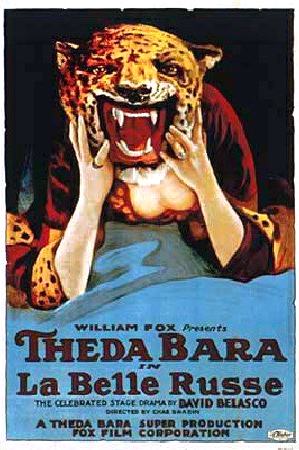
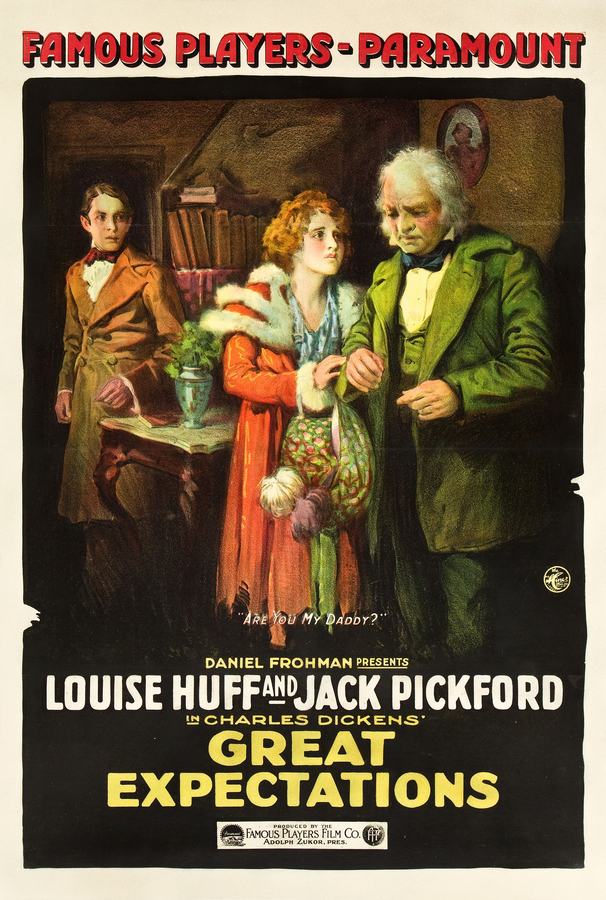
\n \nWhile La Voix du Rossignol stands alone in its fairy‑tale sensibility, it shares tonal DNA with several contemporaneous shorts. The moral economy of The Dishonored Medal—where honor is weighed against personal desire—mirrors the nightingale’s sacrifice. Likewise, the tender melancholy of A Christmas Carol finds a kinship in the film’s exploration of redemption through self‑denial.
\n \nBeyond its aesthetic triumph, the short offers an origin myth that feels both whimsical and philosophically resonant. By attributing the nocturnal song to a pact of liberty, Starewicz reframes a natural phenomenon as a cultural narrative, inviting viewers to contemplate the unseen contracts that govern artistic expression. This mythic framing has already sparked discussions on forums dedicated to folklore, where enthusiasts compare the film’s premise to ancient Greek tales of the Sirens, whose voices were both alluring and perilous.
\n \nIn less than twenty minutes, La Voix du Rossignol accomplishes what many feature‑length epics strive for: it renders a universal truth—art thrives when it is free—through a simple, yet profoundly moving, visual allegory. The film’s muted color scheme, its restrained sound design, and its deft blend of animation techniques coalesce into a meditation on sacrifice, reciprocity, and the quiet power of night. For scholars of early cinema, lovers of animation, and anyone who has ever felt the tug of a song that belongs to the darkness, this short stands as a luminous reminder that some voices are meant to be heard only when the world is still.
IMDb 7
1933
Community
Log in to comment.