DbcultAccessing Vault...
5.1/10
Senior Film Conservator
A definitive 5.1/10 rating for a film that redefined the boundaries of cult cinema. King Charles II: England's Merry Monarch remains a cornerstone of transgressive art.
The cinematic exhumation of the Stuart era often falls into the trap of caricature, yet King Charles II: England’s Merry Monarch manages to navigate the turbulent waters of the 17th-century English Civil War with a surprising degree of atmospheric gravitas. It is a film that understands the duality of its subject: the 'Merry' moniker is not merely a signifier of revelry, but a survival mechanism for a king in exile. From the opening frames at Ovingdean Grange, we are treated to a visual language that emphasizes the weight of legacy. The departure of Clavering Maunsel is staged not as a grand heroic march, but as a somber severance from the domestic idyll, setting a tone that persists throughout the picture's more harrowing sequences.
One cannot discuss this film without addressing the stark contrast it draws between the rival factions. The Roundheads are portrayed with a chilling, clockwork efficiency that mirrors the cinematic treatment of industrial forces in later epics like Michael Strogoff. Cromwell’s men move with a terrifying lack of ego, a collective machine of religious and political fervor. In opposition, the Royalists are depicted with a fragile, almost desperate elegance. The toasting scenes are not merely instances of drinking; they are rituals of a dying world, a defiance against the encroaching shadow of Puritan austerity.
The Battle of Worcester is rendered with a gritty verisimilitude that belies the film's age. The sortie is a chaotic blend of smoke, steel, and tactical failure. When the defeat becomes inevitable, the film pivots from a war epic to a survival thriller. The escape of the King is handled with a breathless pacing that rivals the tension found in contemporary dramas like The Murdoch Trial, though with a significantly higher historical stake.
A standout moment of pure physical cinema occurs during Clavering’s flight from Captain Stelfax. The sixty-foot embankment roll is a sequence of staggering audacity. To see man and horse tumble down such a precipice provides a jolt of genuine peril that modern CGI-heavy productions often fail to replicate. It anchors the film’s stakes in a physical reality; the injuries sustained by Clavering aren't just plot points—they are the scars of a collapsing social order. This level of practical commitment reminds me of the rugged landscapes in Glacier National Park, where the environment itself becomes a primary antagonist.
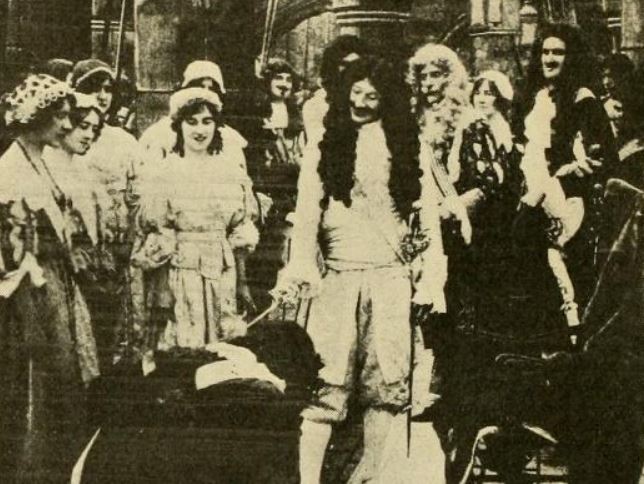
The narrative center of the film is undoubtedly Ovingdean Grange. This location serves as a microcosm for the larger conflict. When the King arrives, the film momentarily shifts its palette. The 'Merry Monarch' emerges, charming his hosts even while the hounds of the Interregnum are at the door. There is a fascinating tension in these scenes—a king without a throne, performing the role of a guest in a house that is risking its very existence to shield him. The joviality is a thin veneer over the existential dread of capture.
Captain Stelfax represents a compelling antagonist. He is not a mustache-twirling villain but a man of singular, dogged purpose. His sudden entrance into the dining hall is a masterclass in suspense, shattering the temporary illusion of safety. The subsequent escape from the Ovingdean church, involving the clever manipulation of the architecture itself, showcases a narrative ingenuity that elevates the film above standard period fluff. It shares a certain theatrical flair with A Princess of Bagdad, though the stakes here are rooted in the soil of British history rather than the ether of myth.
The transition to the coast introduces Nick Tattersal, the humble fisherman who facilitates the King's passage to France. This inclusion of the common man is vital. It shifts the focus from the high-stakes politics of the nobility to the quiet bravery of the citizenry. The scene of the schooner disappearing into the mist while Stelfax watches from the cliff is a haunting image of 'what might have been.' It echoes the melancholic departures seen in A Long, Long Way to Tipperary, where the horizon represents both hope and the profound loss of the familiar.
The film’s final act, jumping forward to 1660, provides a necessary catharsis. The contrast between Clavering languishing in a dank cell and the sun-drenched, jubilant streets of London during the King's return is striking. The restoration is presented not just as a political event, but as a moral cosmic realignment. When Dulcia Beard appeals to the King in the midst of his triumph, it bridges the gap between the 'Merry Monarch' of the fugitive days and the sovereign of Whitehall.
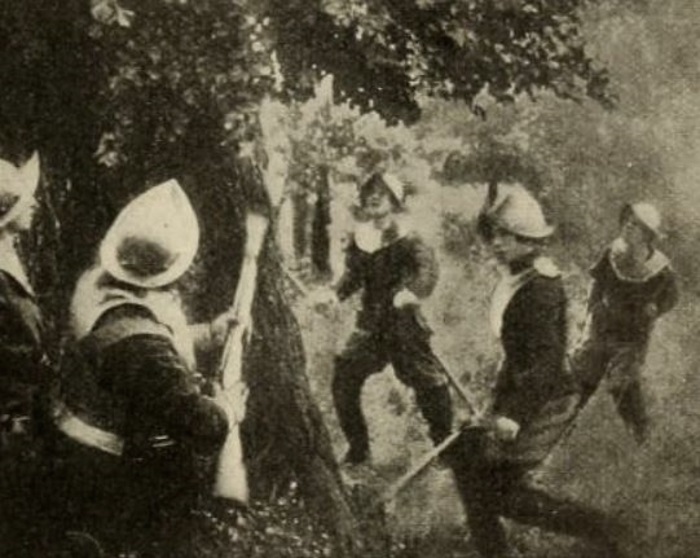
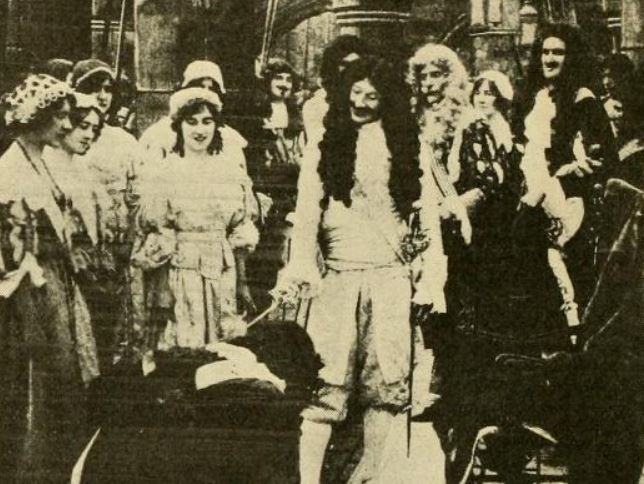
The climax in the palace is a feast of costume and set design, utilizing a visual opulence that rivals Red and White Roses. The King’s acknowledgement of Clavering—now Sir Clavering—is a moment of profound narrative satisfaction. It suggests that even in a world of shifting political tides, personal loyalty remains the ultimate currency. The union of Dulcia and Clavering is the final stitch in the tapestry, mending the tear that began in the film’s opening scene.
Technically, the film is a marvel of its era. The use of depth in the Shoreham bridge sequence and the claustrophobic framing within the church escape demonstrate a sophisticated understanding of spatial storytelling. While some might find the pacing of the middle section deliberate, it mirrors the agonizing wait that defined the Interregnum for those loyal to the crown. It avoids the manic energy of Mrs. Black Is Back, opting instead for a stately, rhythmic progression that honors the historical weight of its subject matter.
The performances are anchored by a sense of theatrical dignity. The actor portraying Charles II captures the mercurial nature of the man—one moment a charming rogue, the next a weary exile burdened by the crown he doesn't currently wear. Clavering, as the audience surrogate, provides a stoic emotional core. His journey from the heights of Ovingdean to the depths of a Roundhead prison is a compelling arc of sacrifice. Unlike the more whimsical characters in Das rosa Pantöffelchen, these figures feel etched into the very stones of the locations they inhabit.
In the pantheon of early 20th-century historical cinema, King Charles II: England’s Merry Monarch stands as a testament to the power of the epic form. It manages to balance the 'Great Man' theory of history with the intimate stories of those caught in the gears of revolution. Whether it is the frantic rowboat journey to the schooner or the quiet desperation of a chaplain's daughter, the film never loses sight of the human element. It is a vibrant, occasionally brutal, but ultimately hopeful look at a period of history that continues to fascinate. For those who appreciate the intersection of high drama and historical detail, this is an essential viewing experience that proves the 'Merry Monarch' was far more than just a man of pleasure; he was a man of the people, forged in the fires of conflict and tempered by the loyalty of friends like Clavering Maunsel.
Ultimately, the film succeeds because it treats the Restoration not as an ending, but as a hard-won beginning. The final cheers of the crowd in London are not just for a king, but for the return of a certain kind of English soul—one that had been suppressed but never truly extinguished. It is a cinematic triumph of spirit over shadow, a royal procession that invites the audience to join the cheering throng.
Community
Log in to comment.