DbcultAccessing Vault...
Cult Review
Senior Film Conservator
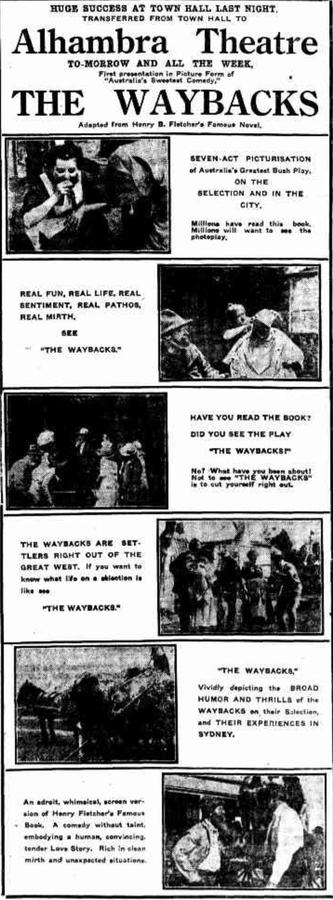
To gaze upon The Waybacks (1918) is to peer through a dusty, sepia-toned window into the nascent soul of Australian cinema. At a time when the global film industry was still negotiating its own grammar, this Antipodean gem emerged as a boisterous, unpretentious celebration of the 'bush legend.' Directed with a keen eye for physical comedy and a surprisingly nuanced grasp of social stratification, the film remains a fascinating artifact of a bygone era. Unlike the heavy, moralistic overtones found in As a Woman Sows, which burdened its narrative with the weight of Victorian ethics, The Waybacks breathes with a rambunctious, almost anarchic energy that feels refreshingly modern even a century later.
The narrative architecture, crafted by Phillip Lytton and Henry Fletcher, relies on the 'fish out of water' trope, yet it elevates this familiar structure through a hyper-specific cultural lens. We follow the Wayback family as they migrate from the arid, demanding landscape of the Australian interior to the glittering, precarious streets of Sydney. This transition is framed not as a quest for enlightenment, but as a collision of worlds. While A Vermont Romance explored rural life through a lens of sentimental idealism, The Waybacks opts for a more satirical, almost grotesque portrayal of the bushman’s encounter with the 'civilized' world.
The casting is nothing short of inspired. Lucy Adair and Harry Hodson lead the ensemble with a physicality that transcends the limitations of silent film. In an age where acting was often characterized by wild gesticulation—as seen in the somewhat melodramatic performances of The Hostage—the cast of The Waybacks manages to find a groundedness in their absurdity. Vincent White and George Hewlitt provide excellent support, embodying the various archetypes of the Australian frontier with a grit that suggests they might have just stepped off a real sheep station and into the frame.
What strikes the contemporary viewer is the film’s fascination with technology. The Waybacks’ bewilderment at elevators, telephones, and the frenetic pace of city traffic serves as a proxy for the audience's own anxieties about the rapid pace of the early 20th century. This thematic preoccupation mirrors the tension found in Time Lock No. 776, where the machine becomes a source of both wonder and existential dread. However, whereas The Secret of the Submarine used technology as a tool for espionage and adventure, The Waybacks uses it as a comedic foil to highlight the protagonists' innate, unshakeable simplicity.
The visual language of the film is remarkably sophisticated for its time. The cinematography captures the vastness of the Australian light, a harsh, unforgiving brightness that contrasts sharply with the shadowed, claustrophobic interiors of the Sydney hotels. One can see echoes of the stark visual storytelling found in Fear Not, though the tone here is decidedly lighter. The editing, while rudimentary by modern standards, maintains a brisk pace that prevents the episodic nature of the plot from becoming stagnant. It avoids the languid, sometimes ponderous pacing of international contemporaries like A Falu rossza, favoring instead a rhythmic succession of gags and character beats.
The film’s portrayal of the urban elite is biting. The characters encountered by the Waybacks are often caricatures of greed and pretension, reminiscent of the societal critiques found in The On-the-Square Girl. There is a sense that the city is a place where identity is fluid and often fraudulent. This stands in stark contrast to the Waybacks themselves, whose identities are as fixed and immutable as the land they farm. This clash of values is handled with a deftness that prevents the film from descending into mere slapstick. There is a genuine pathos in the family’s attempts to belong, a vulnerability that makes their eventual triumph over the city’s deceits all the more satisfying.
Compare this to Mister 44, which also deals with themes of identity and environment, but through a more conventional romantic lens. The Waybacks is more interested in the collective experience of the family unit, positioning them as a singular entity against the world. Even when the narrative touches on darker themes—similar to the grim social realism of Remorse, a Story of the Red Plague or the existential weight of Who Shall Take My Life?—it quickly pivots back to humor, using laughter as a shield against the harsh realities of class struggle.
Louis Machilaton and Rose Rooney provide a youthful counterpoint to the senior Waybacks, their characters representing the potential for the next generation to bridge the gap between the bush and the city. Their performances are imbued with a naturalism that was rare in 1918. Meanwhile, the presence of veteran actors like Lance Vane and Gladys Leigh adds a layer of theatrical gravity to the production. The script, while rooted in the broad comedy of the stage play, allows for moments of quiet observation. It lacks the surrealist whimsy of Tillie's Tomato Surprise, opting instead for a brand of humor that is deeply rooted in the vernacular and temperament of the Australian people.
The writing by Lytton and Fletcher is particularly clever in its use of situational irony. The Waybacks are often the smartest people in the room, not because of their education, but because of their common sense. This subversion of the 'country bumpkin' trope is a recurring theme in early Australian literature and film, serving to bolster national pride. It is a far cry from the tragic inevitability of Amor fatal or the moralistic condemnation found in The Scarlet Woman. In The Waybacks, the characters are allowed to be flawed, foolish, and ultimately, redeemable.
Viewing The Waybacks today requires an appreciation for the technical hurdles of the era. The hand-cranked cameras and limited lighting setups did not hinder the filmmakers' ability to capture the essence of Sydney’s burgeoning metropolis. The outdoor sequences, in particular, are a treasure trove for historians, offering a glimpse of the city before the iconic Harbour Bridge dominated the skyline. The film shares a certain adventurous spirit with The Bandit of Port Avon, utilizing real locations to ground its fictional narrative in a tangible reality.
The legacy of The Waybacks is evident in the subsequent decades of Australian comedy. From 'Dad and Dave' to 'The Castle,' the DNA of this 1918 film persists in the way Australians view themselves: as resilient, skeptical of authority, and fiercely loyal to their roots. It is a work that prioritizes heart over artifice, a sentiment that resonates through the ages. While the film may lack the polished sheen of modern blockbusters, its authenticity is its greatest strength. It does not try to be anything other than what it is: a sincere, hilarious, and deeply human story about a family trying to find their way in a rapidly changing world.
In the grand pantheon of silent cinema, The Waybacks deserves a place of honor. It is a testament to the creativity and resilience of the early Australian film industry, produced at a time when resources were scarce and the market was dominated by American and European imports. By focusing on local stories and local characters, Phillip Lytton and his team created something truly unique. The film is a joyous celebration of life, a reminder that even in the face of daunting change, humor and family remain our most reliable anchors.
As we revisit this classic, we are reminded of the power of the moving image to capture the ephemeral spirit of a nation. The Waybacks is more than just a movie; it is a time capsule, a laugh-out-loud comedy, and a poignant reminder of where we came from. Whether you are a scholar of film history or simply a lover of good storytelling, this 1918 masterpiece is essential viewing. It challenges us to look beyond the surface of the 'bushman' caricature and see the vibrant, complex humanity that lies beneath. In doing so, it secures its place as one of the most significant and enduring works of early 20th-century cinema.
IMDb 7
1926
Community
Log in to comment.