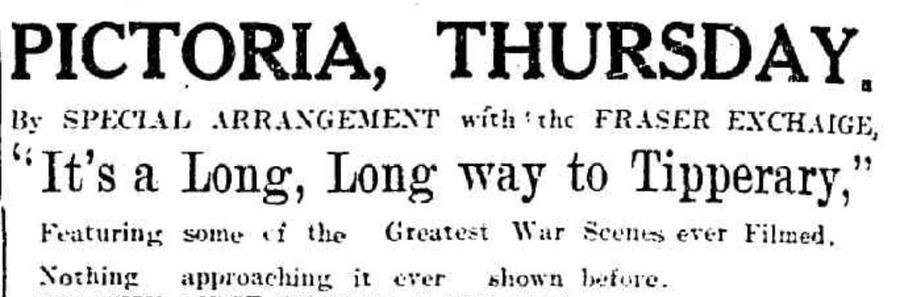
Australia
Spoilers swarm like chlorine gas—inhale at your own risk. The Geography of Longing There is a moment—eighteen minutes in, if your print hasn’t warped—when the camera tilts up from a trench ladder and catches a scrap of sky so blue it feels like treason. That cerulean rectangle is the first map coordinate the film gra...
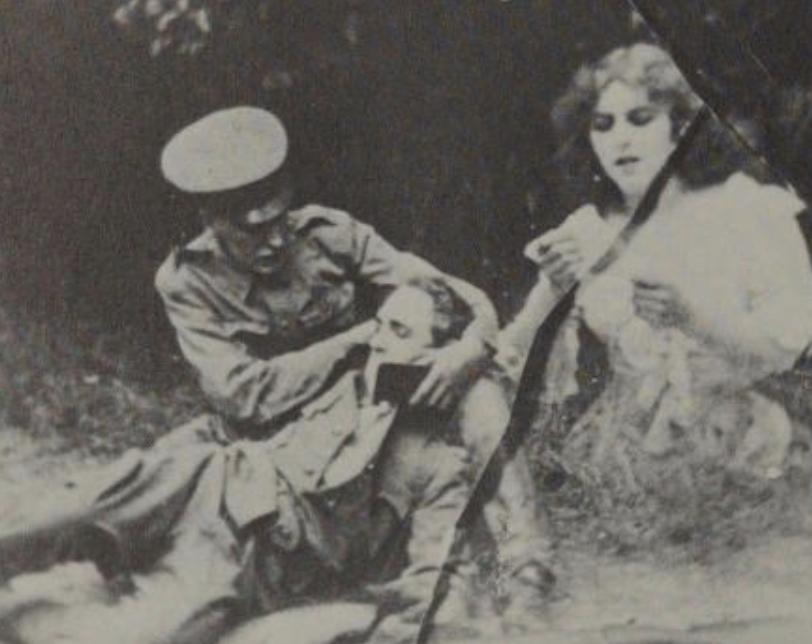
still_frame


Community
Log in to comment.
" Spoilers swarm like chlorine gas—inhale at your own risk. The Geography of Longing There is a moment—eighteen minutes in, if your print hasn’t warped—when the camera tilts up from a trench ladder and catches a scrap of sky so blue it feels like treason. That cerulean rectangle is the first map coordinate the film grants us that isn’t measured in body-lengths. Everywhere else, distance collapses: the three-day march from Tipperary to the front line is compressed into a jump cut that feels like ..."


Deep dive into the cult classic
Discover similar cinematic experiences
A Directorial Spotlight on George Dean
