DbcultAccessing Vault...
3.7/10
Senior Film Conservator
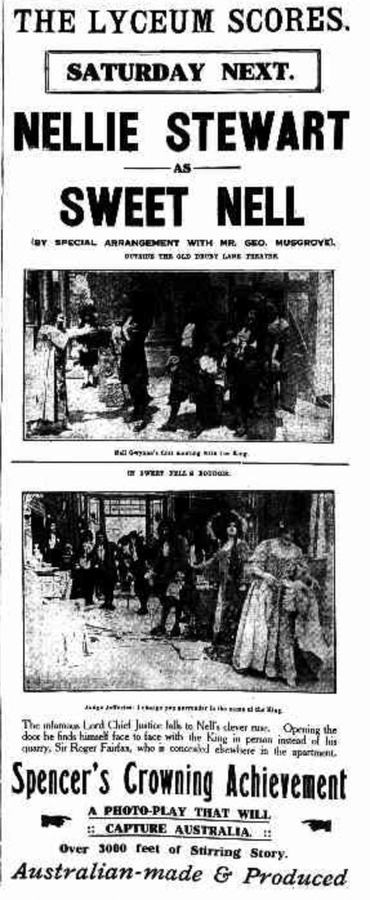
A definitive 3.7/10 rating for a film that redefined the boundaries of cult cinema. Nell Gwynne remains a cornerstone of transgressive art.
Orange peel curls through the frame like saffron smoke in Nell Gwynne, a 1915 curio that feels miraculously awake despite its century-old celluloid slumber. Director Raymond Longford, better known for bush-ballad epics shot under Australian skies, here dips his lens into the kerosene-lit backstage corridors of Restoration London and emerges with a heroine who refuses to stay flattened between title cards. The film survives only in a patchwork print—nitrate blossoms of amber burn, emulsion scratches like sabre cuts—yet every surviving foot quivers with mischief, as if Nell herself were winking through the damage.
Watch how cinematographer Stewart Clyde carves candlelight into topaz wedges across Nell’s cheekbones when she first impersonates a courtier; the chiaroscuro is so luxuriant you can smell the tallow. Compared to the static tableaux of Birmingham or the prizefight verité of The Corbett-Fitzsimmons Fight, this picture pirouettes on its axis: the camera glides through the Drury Lane wings, noses aside canvas flats, lunges toward the footlights in a breathless POV that anticipates later European artifice. Intertitles, lettered with copperplate swagger, do not merely narrate—they heckle, flirt, drop bons mots like confetti.
Nellie Stewart, an Australian musical-comedy star touring Britain, embodies Nell with the sprightliness of a thrown spark. She lacks the porcelain stillness of Victorian stage divas; instead she jigs, grimaces, folds her entire torso into a shrug, letting the camera harvest every micro-gesture. In the celebrated orange-barrow scene she balances a pyramid of fruit on her hip while reciting bawdy doggerel—her left eyebrow arches like a catapult, a semaphore of insurgent femininity. Augustus Neville’s saturnine Jeffreies looms behind her, wig powdered to geisha whiteness, lips pursed as if permanently sucking a bitter plum. Their antagonism crackles with erotic undercurrent: when Nell, disguised in the judge’s periwig, mimics his baritone boom, the gender-bending frisson cuts deeper than any Keystone farce.
The screenplay, adapted by Paul Kester from a play by Mrs. Charles A. Doremus, condenses a lifetime of escapades into a breathless three-reel sprint. Historians may harrumph at the chronological hopscotch—Charles II appears as a silver-haired libertine rather than the shrewd political survivor—but accuracy kneels before narrative propulsion. One reel pivots on a prison-key passed via orange-mouth relay; another hinges on Nell forging a royal seal using a toasted crumpet as wax stamp. Absurd? Undoubtedly. Yet the film’s emotional calculus remains honest: every stunt serves the twin engines of solidarity and self-invention.
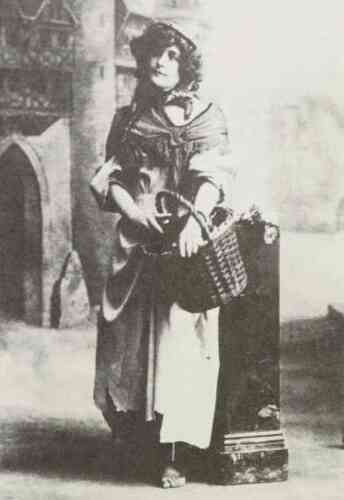
Compare its treatment of class mobility to the proto-documentary labor of Saída dos Operários do Arsenal da Marinha or the pageant pomp of De heilige bloedprocessie: where those actualités freeze hierarchy in tableau, Nell Gwynne dynamites it. A street vendor hijacks the mechanisms of power—she becomes, however briefly, the author of royal decrees. The fantasy lands with the more force because the film never forgets the stink of the gutter: when Nell’s satin slipper splashes into a sewer trough, the camera lingers on the brown droplets speckling her ankle, a memento of origins she can never scrub away.
Longford’s editing rhythm predates Griffith’s cross-cut grandstanding. He prefers overlapping continuity: a chase through the theatre’s fly-loft intercuts with a harpsichord recital below, the pursued and the pursuer sharing the same musical bar, as if destiny itself were composing a fugue. The climax—Nell’s confrontation with Charles—unfolds in a single sustained medium shot: actress and monarch occupy opposing thirds, the negative space between them vibrating with unspoken negotiation. When the King finally cracks a grin, the frame seems to exhale cigar-smoke relief.
Yet the film’s true radicalism lies in its refusal to punish transgressive appetite. Restoration comedies often restored moral order through marriage; Nell Gwynne ends with its heroine unmarried, swaggering, bankrolling a public hospital. The final intertitle reads: “She gave the city healing, yet kept her freedom.” In 1915, when most women on screen expired for sins real or imagined, such a conclusion feels incendiary. The censor boards of New South Wales snipped two key scenes—Nell’s mock-marriage to a drunken fop and her cigar-puffing victory dance—yet even the expurgated print radiates irrepressible joie de vivre.
Technically, the film straddles epochs. Day-for-night shots appear tinted lavender, anticipating the expressionist palettes of Dante’s Inferno. A proto-dolly—camera mounted on a wine cellar trolley—slides past tavern benches, predating similar moves in The Life of Moses. The restoration by Australia’s National Film Archive (2018) added a new score: lute, sackbut, and jazz clarinet intertwine, a sonic anachronism that nonetheless honors Nell’s mongrel spirit.
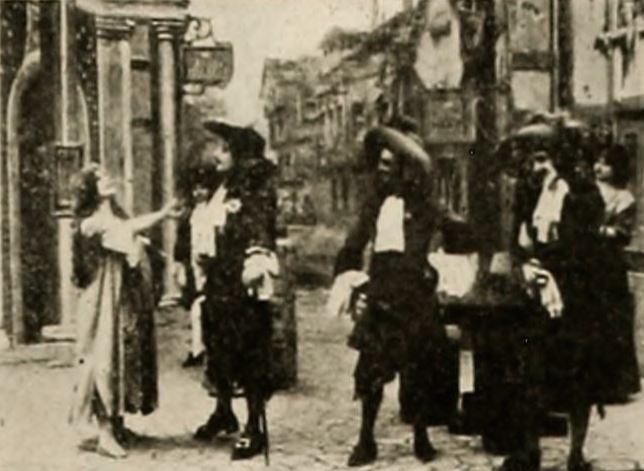
Scholars sometimes strand Nell Gwynne in the footnotes of Australian cinema, dwarfed by the bushranger mythology of The Story of the Kelly Gang. That neglect misreads the film’s transnational DNA: financed by Anglo-American capital, shot in London’s Lisson Grove studios, starring antipodean talent, distributed across Canada and South Africa—its very existence testifies to a globalized silent market. Trade papers of 1916 praised its “English historical relish,” yet modern viewers will detect a proto-feminist snarl beneath the brocade.
Performances ripple outward. Stewart Clyde’s Lord Fairfax has the pleading eyes of a spaniel in a Velázquez portrait—every close-up threatens to collapse into puppy tears. Charles Lawrence’s Charles II carries the languor of a man who has inherited both crown and clap; his flirtation with Nell is less seduction than mutual recognition of fellow performers. When he murmurs, “You make monarchy bearable,” the line flutters between compliment and indictment.
If the picture stumbles, it does so on the treadmill of incident. A mid-film abduction—Fairfax tossed into a Thames barge—feels grafted from a Victorian penny-dreadful, complete with mustache-twirling henchmen. And the racial caricature of a Moorish page, though brief, lands with the thud of colonial baggage. Yet these scars testify to the era’s blind spots rather than malicious intent; they remind us that even progressive fantasies carry the toxins of their age.
Historiographically, the film weaponizes nostalgia as insurgent myth. It fabricates a hospital endowment because the real Nell’s philanthropy was scattershot—pensions to debtors, ale for soldiers—lacking the architectural monumentality that cinema craves. By gifting her a marble façade, the narrative converts courtesan into civic saint, rewriting patriarchal history via celluloid hagiography. The strategy prefigures later bio-pics from Anna Held to Pinocchio, wherein myth supersedes fact not through ignorance but through deliberate ethical recalibration.
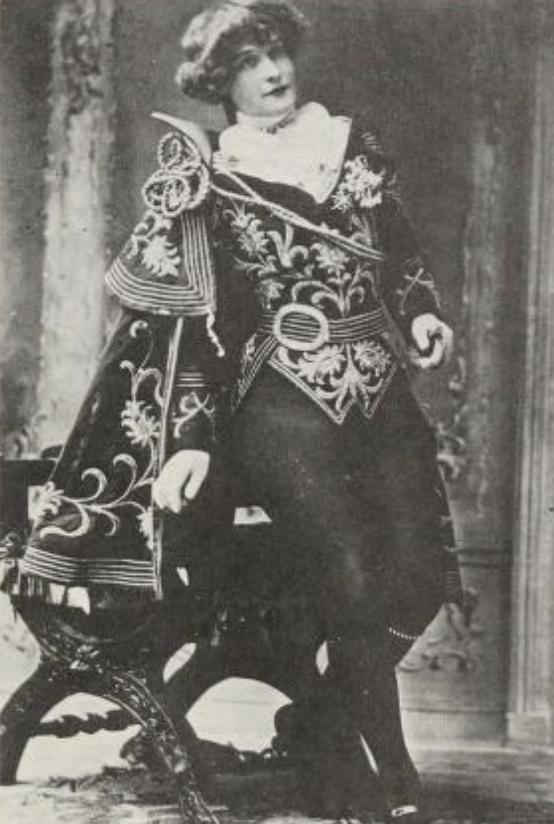
Viewers weaned on CGI recreations may scoff at the cardboard Thames, its painted waves rigid as enamel. Yet illusionism here operates symbolically: when Nell scatters oranges across the palace floor to trip Jeffries’ guards, the spheres roll with the cartoon inevitability of fate itself. The artifice is the point; it announces that history is a stage we rearrange to accommodate our hunger for justice.
The survival rate of Australian silent features hovers below ten percent; that Nell Gwynne exists at all feels like contraband luck. The existing print—struck from a 1930s Kodascope reduction—bears scars: water-blotched intertitles, a vertical scratch that bisects Nell’s left eye like a duelling scar. Yet damage becomes decoration; the flicker reminds us that archives are battlegrounds where nitrate ghosts wrestle against vinegar syndrome oblivion.
Ultimately, the film endures because it celebrates performance as survival. Nell’s greatest role is not Desdemona or Lady Olivia—it is the sustained improvisation called living while female, poor, ambitious. When she steps off the palace balcony into a waiting carriage, oranges tumbling like comets behind her, the camera tilts skyward to catch a sliver of dawn. That blush of light feels less like royal favor than a promise that history’s footnotes can, with enough verve, rewrite the main text.
So seek out this flicker where you can—archived YouTube rip, NFTA 16 mm loan, a basement screening in some cine-club smelling of coffee and celluloid vinegar. Let its yellows sear your retinas, its blues drown your cynicism. For in the echo of Nell’s laughter, pitched between cockney gutters and palace balconies, you may hear the whisper of every artist who ever hustled oranges in the pit, dreaming of the day the spotlight would finally spell her name.
IMDb —
1925
Community
Log in to comment.