DbcultAccessing Vault...
5.7/10
Senior Film Conservator
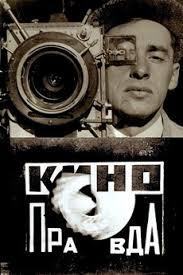
A definitive 5.7/10 rating for a film that redefined the boundaries of cult cinema. Kino-pravda no. 7 remains a cornerstone of transgressive art.
The seventh issue of Kino-pravda lands like shrapnel from a forgotten century, and still it feels more caffeinated than half the content trending on your algorithmic feed. Vertov’s credo—life caught unawares—here mutates into life ambushed, frisked, and hurled back at us in epileptic flickers. Forget pastoral nostalgia; this is a newsreel that refuses to behave, a bulletin that bullets its way through 1922 Petrograd, leaving contrails of coal soot and utopian static.
Each segment behaves like a street hustler swapping masks before you can pin a crime on him. A priest’s procession glides past, incense thick enough to choke pigeons; two cuts later the same Orthodox cross is reincarnated as girders inside a tractor plant. The sacred hasn’t been toppled—it’s been reprogrammed. That’s Vertov’s sleight of hand: ideology as kinetic sculpture, dismantled and re-welded faster than the eye can sue for blasphemy.
Svilova’s editing table must have looked like a battlefield triage. She sutures images of famine-relief trains with close-ups of children counting sunflower seeds, their lips moving in silent arithmetic. Numbers become the new psalmody; mathematics replaces liturgy. Meanwhile Kaufman’s camera barrels through a streetcar tunnel, emerges topside, and hitches a ride on a fire brigade wagon—because perspective, like property, must be collectivized. The resulting dizziness is not incidental; it’s the first step toward a citizenry that questions every axis of vision.
Truth, Vertov insists, is not a portrait but a stroboscope—blink and you’ll see the bones of tomorrow glowing through the skin of today.
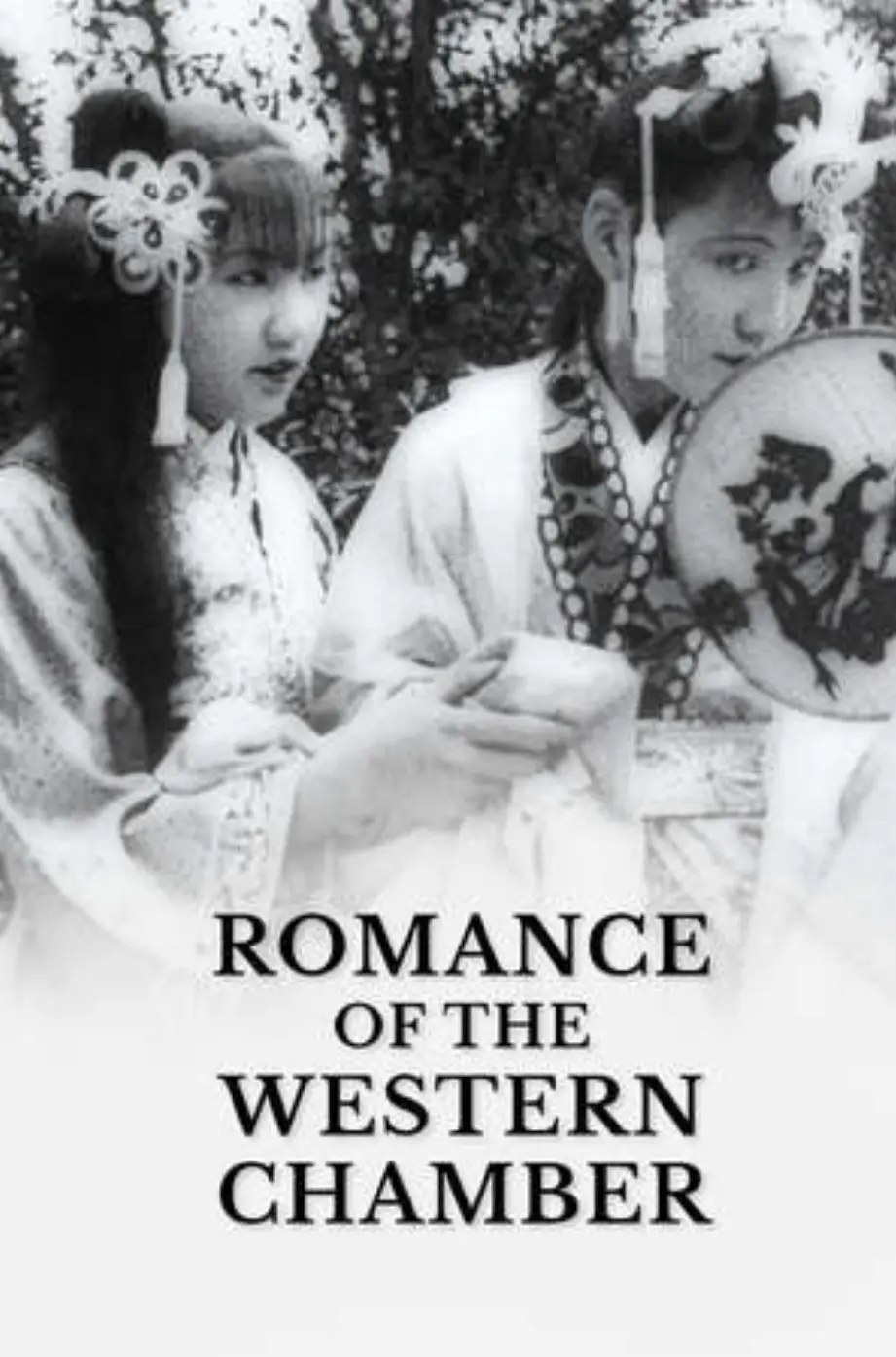
Compare this to the melodramatic pre-Revolution hangover on display in The Girl from Bohemia, where fate arrives clothed in pearls and brandy. Vertov won’t allow such velvet-clad fatalism. His nemesis is the acted frame; his hero is the intercepted moment—a loaf of bread passed hand to hand without stage-direction, a tram conductor’s sneeze that punctuates a political slogan.
Yet the film is no mere bulletin board. It’s also a covert opera of textures. Notice how the camera savors the cracked leather of a proletarian briefcase, then leaps to an aerial survey of the same city block, now reduced to a geometric haiku. That oscillation between pore and panorama foreshadows Google Earth by a hundred years, only here surveillance is recast as civic love-affair rather than corporate shakedown.
Dismiss Kino-pravda as propaganda and you might as well call a hurricane a weather report. Yes, it heralds electrification campaigns and anti-illiteracy drives, but it also sneaks in the tremor of uncertainty. When an intertitle brags that the Volga grain shipment arrived on schedule, the succeeding shot reveals barges caked in January ice—schedule is a relative term in a country chewing its own past.
This tension between headline and footnote generates the film’s pulse. Vertov understood that the revolution’s soundtrack was not trumpets but the asynchronous clatter of reality trying to match its press release. You can taste that dissonance in the way a cooperative bakery’s signboard flickers: the bulb powering the neon letter ‘P’ dies mid-shot, turning bread into read—a Marxist typo courtesy of entropy.
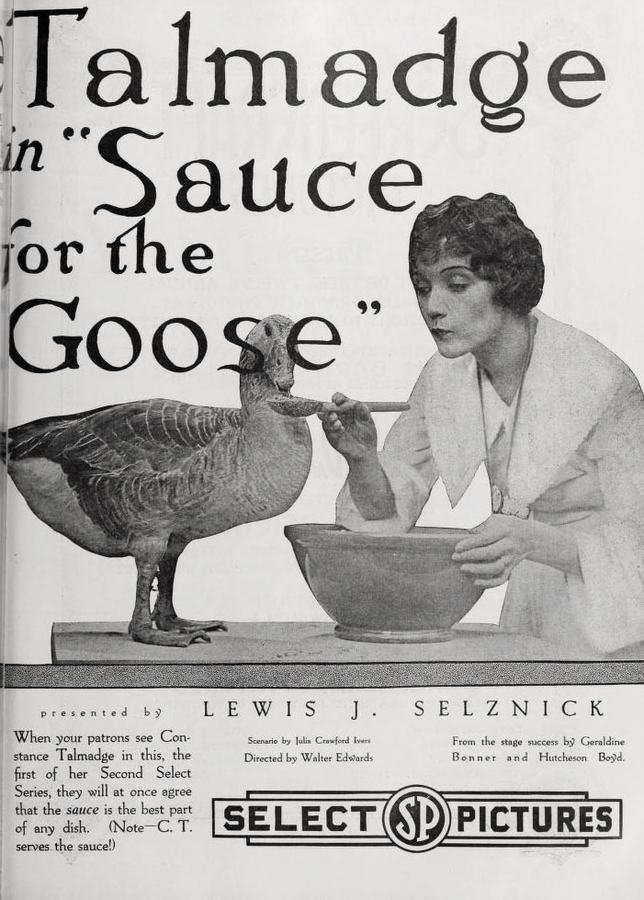
Scholars often pit Vertov against fiction, but watch how he toys with narrative like a cat with a half-dead sparrow. Consider the sequence of a railway worker repairing a switch: each tightening of the wrench is intercut with a cinema audience collectively leaning forward in their seats. Cause and effect swap sweaters; suddenly the worker’s labor depends on the viewers’ anticipation, binding spectator and proletarian in a pact of mutual becoming. Compare that participatory loop to the passive hypnosis ladled out by The Trail of the Octopus with its yellow-peril cliffhangers, or the sentimental cul-de-sacs of Her First Kiss. Vertov’s viewers don’t escape into fantasy; they’re conscripted into circuitry.
Vertov’s Kinoks (cinema-eyeists) boasted that actors were obsolete. Yet the true star here is the apparatus itself, flaunted with fetishistic glee. We see the Debrie Parvo camera cranked by Kaufman, its wooden body strapped like a trench mortar to a sidecar. Light leaks across the frame, creating auroras that no Soviet budget line could authorize. Such reveling in mechanical imperfection humanizes the tool, turning surveillance into flirtation.
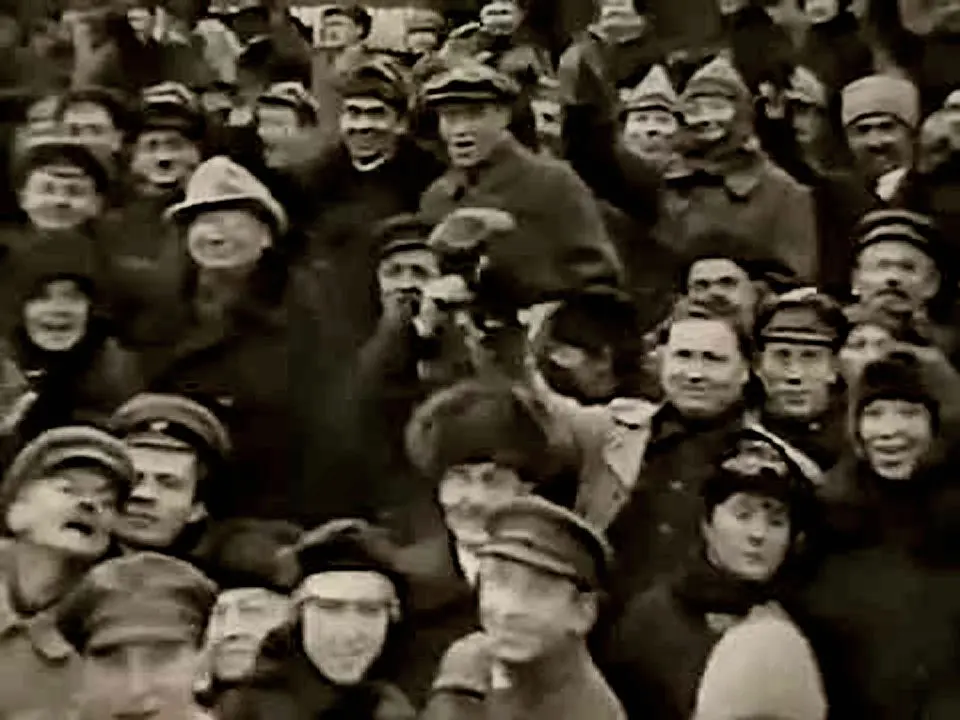
Svilova’s contribution can’t be overstated. She slices between a child’s vaccination and a printing press stamping out health pamphlets, the syringe needle and the metal press plates rhyming in gleaming synchrony. Vaccination against tsarist superstition? Propaganda inoculation? Both, and neither. Montage becomes vaccination: a small dose of contradiction to trigger immunity against dogma.
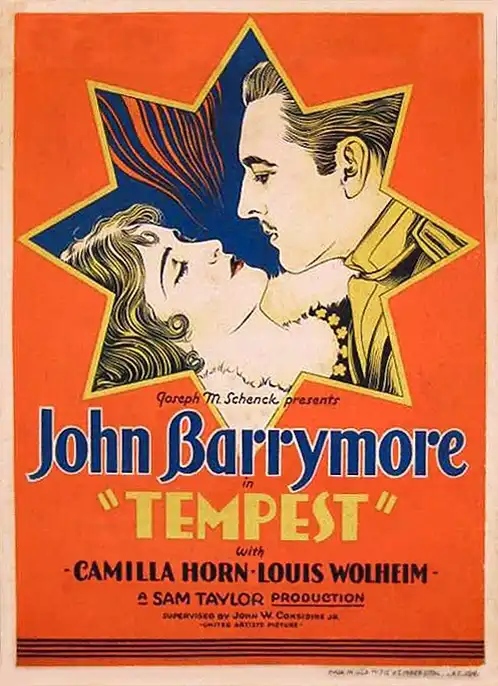
The tempo accelerates when news arrives of a miners’ strike in the Donbas. Instead of expository text, Vertov gives us a metronome of pickaxes clanging against coalface, each strike overlaid with fractions: ½, ⅓, ⅛—an arithmetic of insurrection. Try finding that sort of mathematical lyricism in The Fear of Poverty, where economics is merely a villain twirling his mustache.
For all its futurist swagger, Kino-pravda no. 7 is haunted. Midway through, a tsarist ruble note appears, fluttering against a puddle where street urchins sail makeshift boats. The note sinks; the boats glide on. It’s a burial lasting four frames, yet it lingers longer than most feature-length elegies. Vertov, the good Bolshevik, refuses to grant the monarchy a martyr’s slow-motion exit. Capitalism’s residue is not destroyed; it’s waterlogged, rendered pathetic.
That ghosting recurs in the soundtrack—yes, silent films have soundtracks if you listen with your eyes. A shot of empty opera boxes is followed by a peasant choir practicing in a candlelit cellar. Aristocratic hush collides with proletarian polyphony, and the contrast stings like vinegar after sugar. Suddenly the revolution feels less like a linear march and more like a palimpsest where every erased voice leaves indentations.
Fast-forward a century and Vertov’s footage, scratched and speckled, pops up in TikTok remixes, sometimes tagged with vaporwave tracks. The irony is delicious: a film that once screamed for indexical truth now drifts through algorithmic limbo. Yet its core procedure—ripping reality open, rearranging its organs, demanding the viewer re-cohere the body—remains surgical. Modern documentaries may sport drone shots at 120 fps, but few dare to expose their own stitching. Meanwhile Kino-pravda thrusts its sutures under your fingernails.
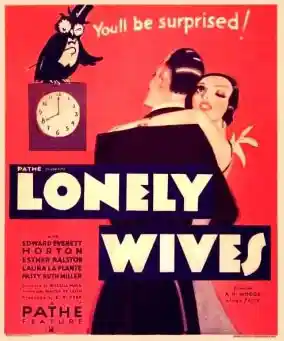
Consider the glut of true-crime streams that masquerade as investigation while spoon-feeding closure; Vertov offers no such comfort. When the film ends with a shot of a projectionist loading the next reel, the loop devours its own tail. History is an endless screening where the audience must someday storm the booth. That radical openness feels downright seditious beside the tidy finales of The Dead Line or the colonial certitudes of Carmen of the North.
Because every pixel of your 4K screen is already gaslighting you. Because Vertov’s flickers prove that clarity doesn’t reside in resolution but in the courage to let contradictions coexist. Because after the final intertitle fades, you’ll hear the echo of your own shutter—an invitation to become a camera, to splice, to question, to refuse the anesthesia of passive consumption.
Stream it with dirty fingernails. Project it onto brick. Rip it into GIFs and scatter it like confetti in group chats. Just don’t embalm it in academic reverence; that would betray its insurgent pulse. Kino-pravda no. 7 is not a relic; it’s a dare, daring you to outrun the algorithms cataloging your desires, daring you to film without permission, to edit against the empire of the obvious.
And when the lights come up, if you still crave a spoonful of fiction to soothe the abrasions, venture into Vzyatie Zimnego dvortsa for reconstructed spectacle. But remember: once Vertov has hijacked your retinas, even staged history will flicker with the raw voltage of the real.
IMDb 5.9
1928
Community
Log in to comment.