Summary
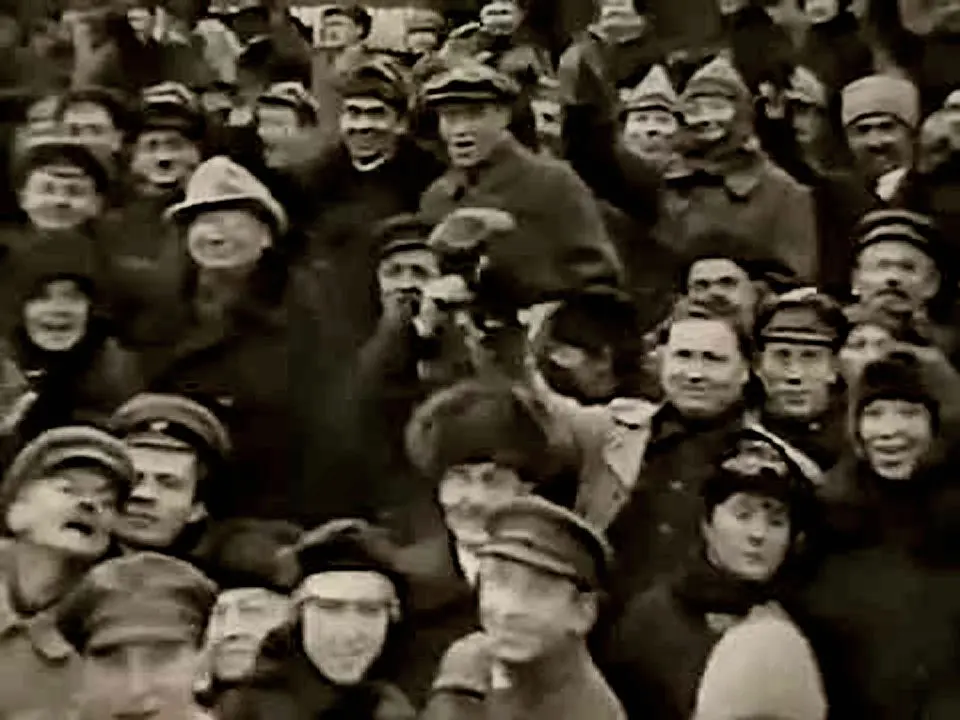
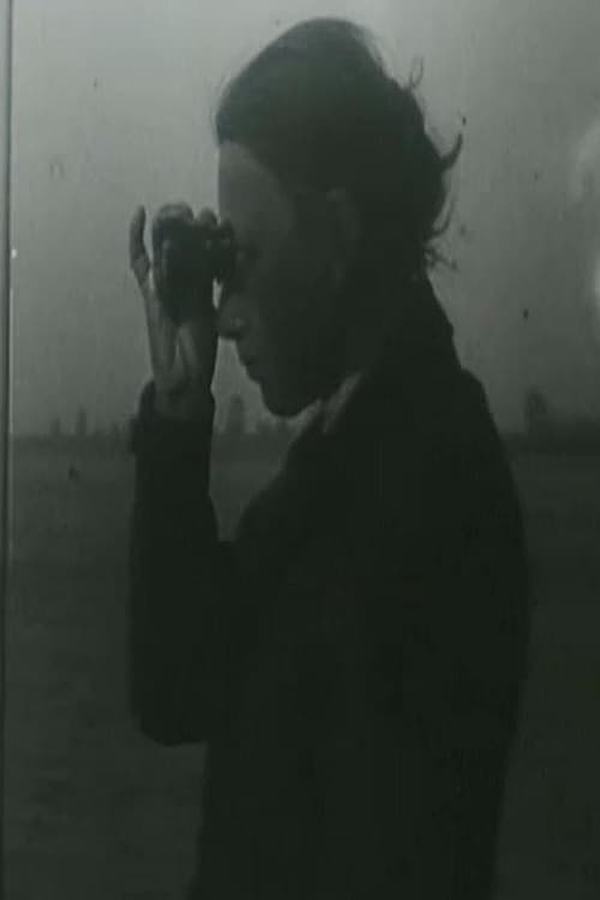
A torrent of celluloid fragments—tram bells, coal dust, and the glint of sickle steel—bursts across the screen, stitched by Dziga Vertov, Mikhail Kaufman, and Elizaveta Svilova into a living newspaper that refuses to behave like one. Trains groan toward unknown grain depots while a child’s marble eye stares back at the camera, daring the spectator to blink. Orthodox priests parade in pre-revolution vestments, their beards flickering like extinguished torches; seconds later, workers’ fists pound rhythmically on factory roofs, forging a counter-liturgy of rivets and rust. Svilova’s scissors dance between orphanage ledgers and agit-prop posters, slicing time until yesterday’s czar rubs shoulders with tomorrow’s soviet. Somewhere, a cinema audience watches themselves watching, reflected in a hall of mirrors that stretches from Petrograd’s foggy embankments to the Volga’s thawing barges. The camera, drunk on possibility, somersaults out of a newsreel truck, races a locomotive, then dives beneath a wheat field to spy on beetles commuting between stalks—because history, Vertov insists, is also insect velocity. There is no narrator, only the staccato percussion of intertitles that quote prices of rye, tram schedules, and the pulse of a feverish republic learning to walk without crutches. One moment we witness the evacuation of a White Army hospital: morphine vials clink like frozen bells while amputees carve crutches into splinters for stove fuel. The next, a young woman clips her bangs in a communal mirror, her scissors echoing Svilova’s montage, severing past from future with every metallic snap. Over the city, smokestack exhalations spell shifting slogans—today 'All Power to the Soviets,' tomorrow merely steam. Kaufman’s lens lingers on a kiosk plastered with yesterday’s newspaper: the ink has bled, turning leaders into smudged Rorschach blots that passersby interpret according to their hunger. A stray dog trots across the frame carrying a human shoe in its maw; the shoe still wears its sock, polka-dotted, jaunty, refusing the gravity of revolution. In the final reel, Vertov films his own cameraman filming a union meeting where workers vote to build a cinema-house; the nested images proliferate like onion skins, each layer declaring that reality is a rumor confirmed by light.
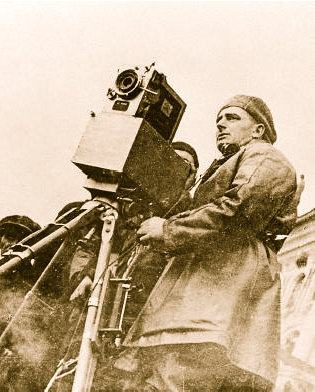
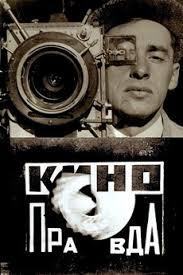
A series of newsreel films from Dziga Vertov, Elizaveta Svilova, and Mikhail Kaufman which document Russian Life in the early 1920s.
Review Excerpt
"
The seventh issue of Kino-pravda lands like shrapnel from a forgotten century, and still it feels more caffeinated than half the content trending on your algorithmic feed. Vertov’s credo—life caught unawares—here mutates into life ambushed, frisked, and hurled back at us in epileptic flickers. Forget pastoral nostalgia; this is a newsreel that refuses to behave, a bulletin that bullets its way through 1922 Petrograd, leaving contrails of coal soot and utopian static.
Each segment behaves like..."