DbcultAccessing Vault...
5.8/10
Senior Film Conservator
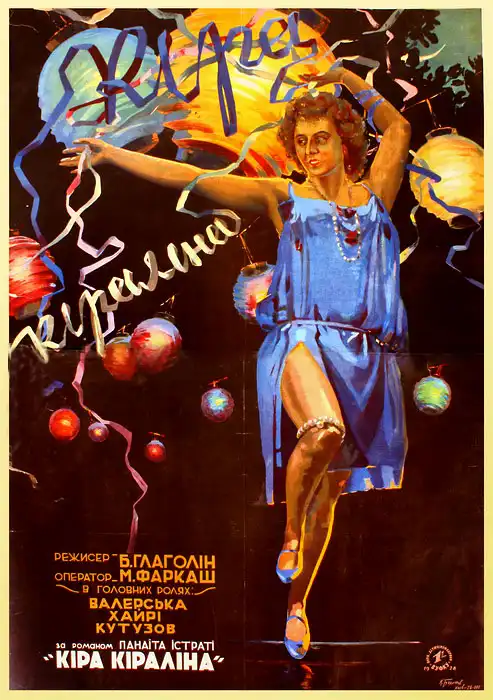
A definitive 5.8/10 rating for a film that redefined the boundaries of cult cinema. Kira Kiralina remains a cornerstone of transgressive art.
Kira Kiralina is one of those films that just *hits* you, a gut punch from the start. If you’re looking for something light or a feel-good escape, seriously, _turn away now_. This isn't that. But if you're into heavy, often brutal, silent era dramas that don’t flinch from showing real hardship and the absolute worst of humanity, then yeah, give this a watch. It’s a powerful, if incredibly bleak, experience that'll stick with you for a while. Others, who prefer their cinema a bit more gentle, will probably find it just too much.
The story opens with Kira, barely a child herself at thirteen. Her parents, poor and desperate, *sell her* to an old, rich man named Stavro. It’s awful. That moment, when her small hand is passed over, you just feel the weight of it.
Her life with Stavro is pure hell. He’s a monster. The movie doesn't shy away from showing his cruelty, the constant humiliations, the beatings. It’s not subtle, but it doesn't need to be.
Olga Petrova, as Kira, carries this whole thing. Her face often just tells the whole story, a kind of weary resignation. You see it in her eyes, even as she's pushed through one horrible thing after another.
She has two children, Dragomir and Kiralina, in this nightmare. These small moments of motherhood are the only glimmers of light, and they're fleeting. You can almost feel the film *daring* you to hope.
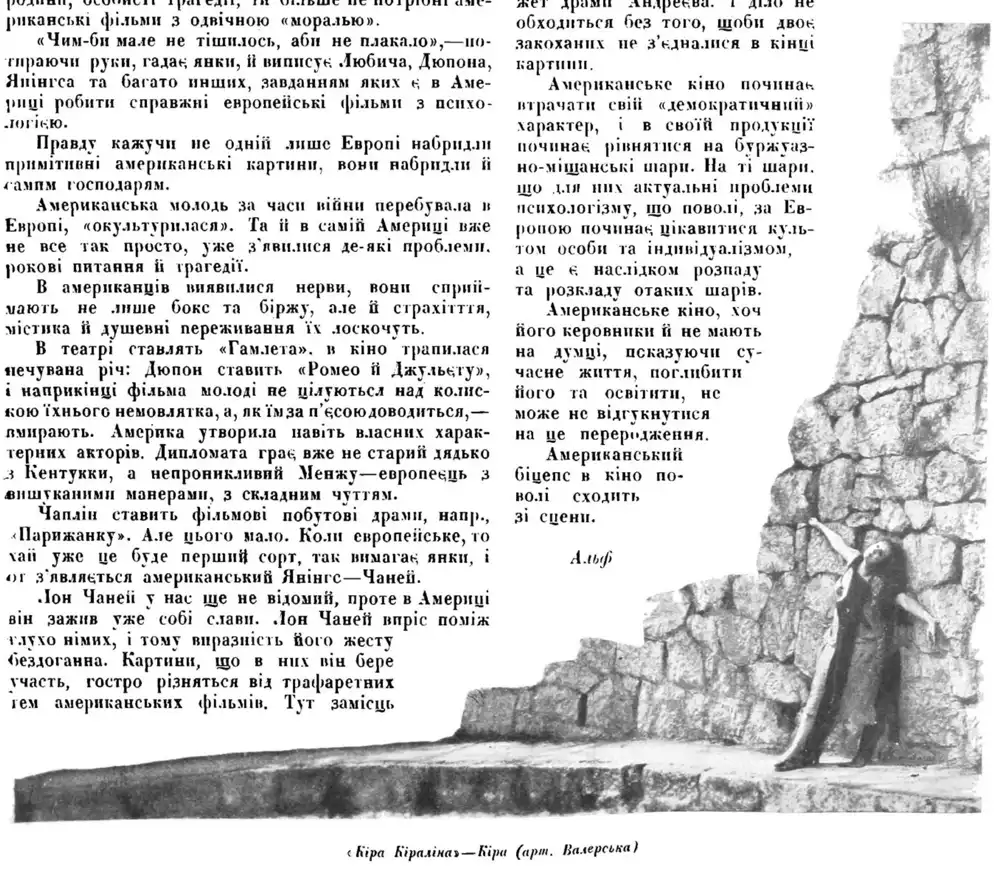
Then comes Nazid, a trader. He kills Stavro, which you think, okay, maybe a break? But no. This film doesn't give breaks. Instead, he decides Kiralina, the daughter, is valuable. He takes her. It’s gut-wrenching to watch.
The scene where Nazid snatches Kiralina… it’s a quick, brutal move. No grand speeches, just this awful, clinical efficiency to his villainy. You wonder how much more a person can take.
The director, or maybe it was the writer, N. Plesskiy and Panait Istrati, really understood how to make you feel trapped. There's no escape for Kira. It’s a world that keeps grinding her down, pushing her further into the dark.
I found myself noticing little things, like the way the shadows fell in Stavro’s house. So heavy, just like Kira’s fate. Or a particular close-up on a character’s hands, clenching.
The pacing, for a silent film, feels relentless. One bad thing happens, then another, then another. It doesn't let up. You’re just _waiting_ for the next blow.
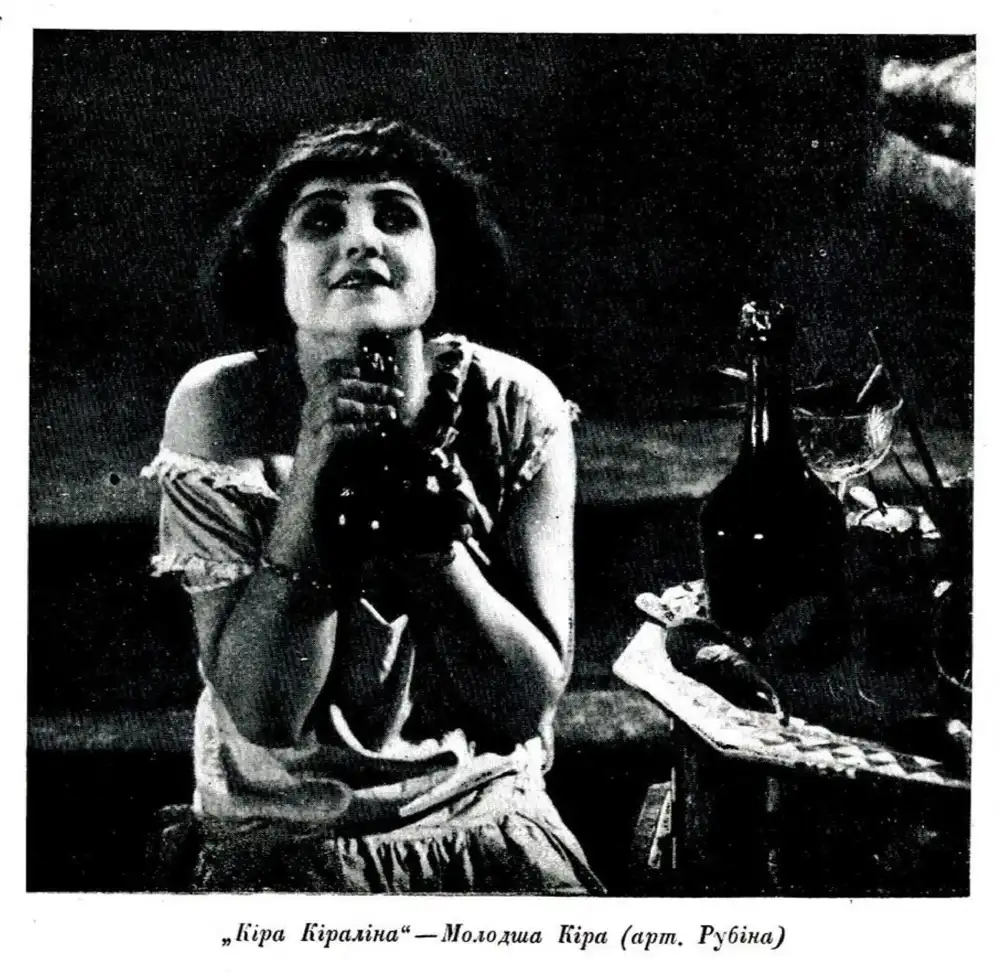
Elena Valerskaya also wrote for it, and plays a role too, though I couldn't quite place her performance specifically in the torrent of despair. Everyone feels like they're just *surviving*.
It’s not a technically flashy film. The camera work is often straightforward, but it serves the story. It puts you right there, in the grim reality. You almost feel the dust in the air.
The film *gets* the crushing weight of poverty and patriarchal control. It’s not just a plot point; it’s the air they breathe. The way characters look at each other, often without words, speaks volumes about their powerlessness.
One scene, where Kira is just staring out a window, a moment of stillness, but her face tells you everything. The quiet despair. It lingers. A moment that goes on just long enough to make you really _feel_ her hopelessness.
It's interesting how, even in black and white, the mood is so incredibly dark. No light at the end of the tunnel here. It’s quite _bold_ in that sense.
You probably won't leave this movie feeling happy. Not at all. But you'll feel something, strongly. It’s a raw, honest look at a life utterly without agency. A tough watch, but a *powerful* one for anyone willing to endure its harsh truth. 💔
IMDb 6
1925
Community
Log in to comment.