DbcultAccessing Vault...
Cult Review
Senior Film Conservator
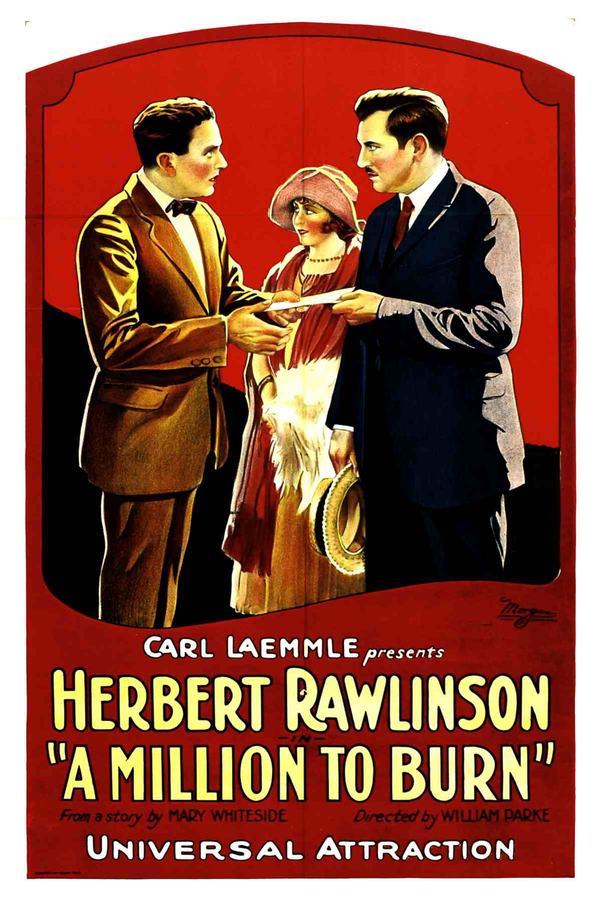
In the annals of silent cinema, where narratives often explored the burgeoning complexities of a rapidly modernizing world, few films capture the intoxicating allure and precipitous downfall of unbridled idealism quite like 1923's A Million to Burn. This cinematic offering, a fascinating relic from an era of burgeoning ambition and societal flux, plunges viewers into the whimsical yet ultimately cautionary tale of Tom Gwynne, a character whose journey from humble waiter to self-proclaimed impresario of a bohemian resort is as amusing as it is profoundly instructive. Penned by Raymond L. Schrock and Tom Whitside, the screenplay navigates the treacherous waters where artistic vision collides head-on with the immutable laws of commerce, crafting a narrative that feels surprisingly prescient even a century later.
The film opens with a rather audacious premise: a resort owner, perhaps swayed by youthful charm or a misguided sense of mentorship, elevates Tom Gwynne, portrayed with a certain naive earnestness by Herbert Rawlinson, from his station as a mere college boy earning his keep as a waiter, to the demanding role of hotel manager. This initial elevation, a testament to either profound trust or abysmal judgment, immediately sets the stage for the ensuing comedic and dramatic tension. Gwynne, clearly unburdened by the practicalities of fiscal responsibility or the intricacies of hospitality operations, quickly demonstrates a flair for mismanagement. The hotel, once a presumably stable enterprise, begins to bleed money, several thousand dollars vanishing under his nascent, inexperienced stewardship. It’s a classic setup, reminiscent of the early comedic misadventures often seen in films exploring social mobility or the clash of classes. One might even draw a parallel to the ill-fated entrepreneurial spirit sometimes hinted at in a film like The Thousand-Dollar Husband, where financial decisions, however well-intentioned, can lead to unforeseen complications, albeit in a different genre.
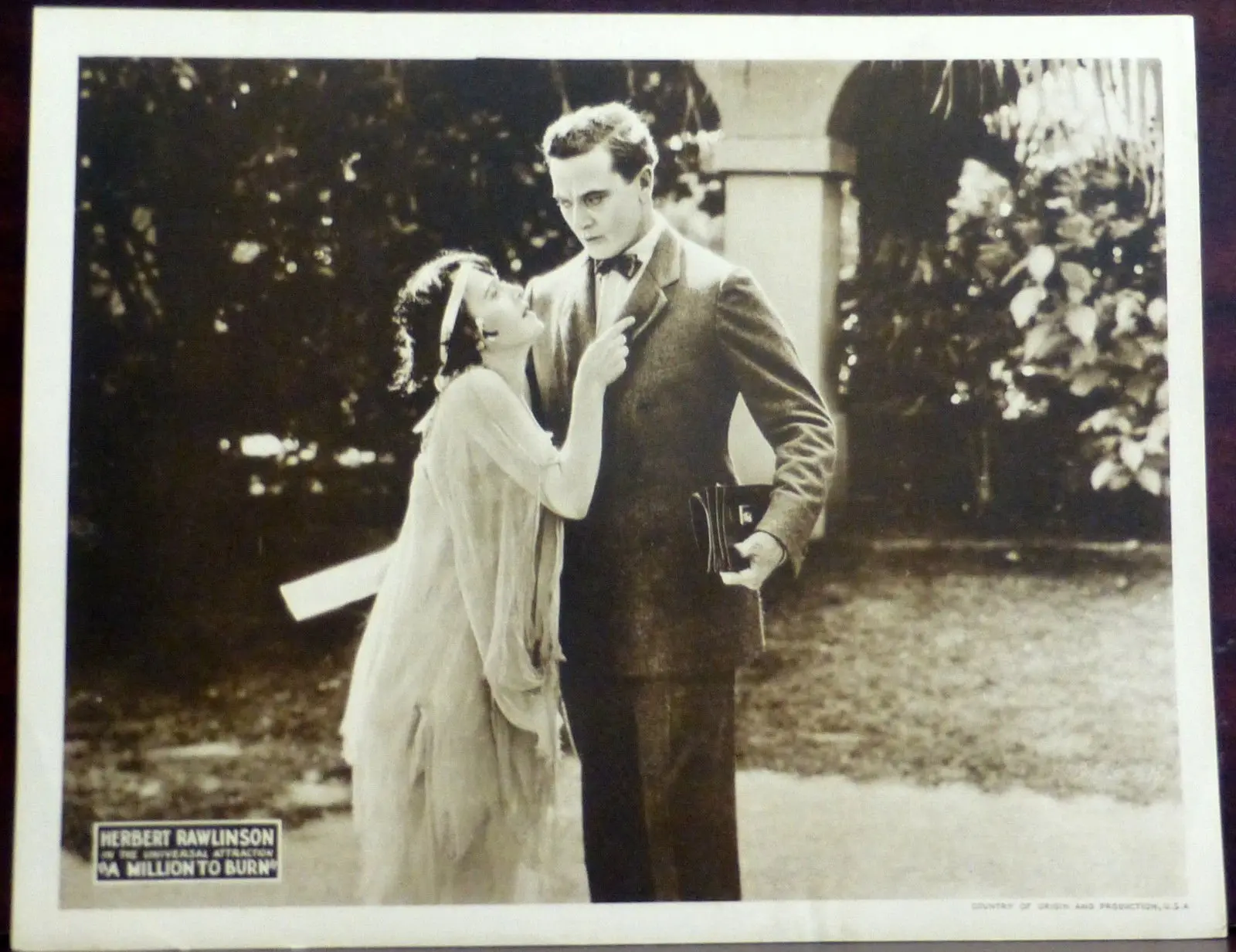
Rawlinson’s portrayal of Tom Gwynne in these early scenes is crucial. He conveys a youthful exuberance, a certain collegiate air of intellectual superiority that, when applied to the gritty reality of hotel management, becomes a source of both frustration and eventual humor. The film subtly critiques the notion that academic prowess automatically translates into practical leadership. The visual gags and intertitles would undoubtedly highlight the growing chaos, the increasingly exasperated staff, and the dwindling coffers, painting a vivid picture of a business teetering on the brink due to the misguided efforts of its inexperienced leader. The writers, Schrock and Whitside, deftly establish Gwynne's character not as malicious, but as dangerously naive, a quality that makes his journey both sympathetic and exasperating.
Just as Gwynne's managerial ineptitude becomes glaringly apparent, fate, in a dramatic narrative twist, intervenes with a substantial inheritance: a cool million dollars. This sudden infusion of wealth acts as a pivotal turning point, not merely rescuing Tom from his immediate predicament but also emboldening him to pursue an even grander, more audacious vision. Empowered by this newfound fortune, Gwynne acquires the very hotel he nearly ruined, transforming it from a symbol of his failure into a canvas for his experimental philosophy. This is where A Million to Burn truly distinguishes itself, moving beyond a simple comedy of errors into a more profound, albeit lighthearted, exploration of social and economic theory.
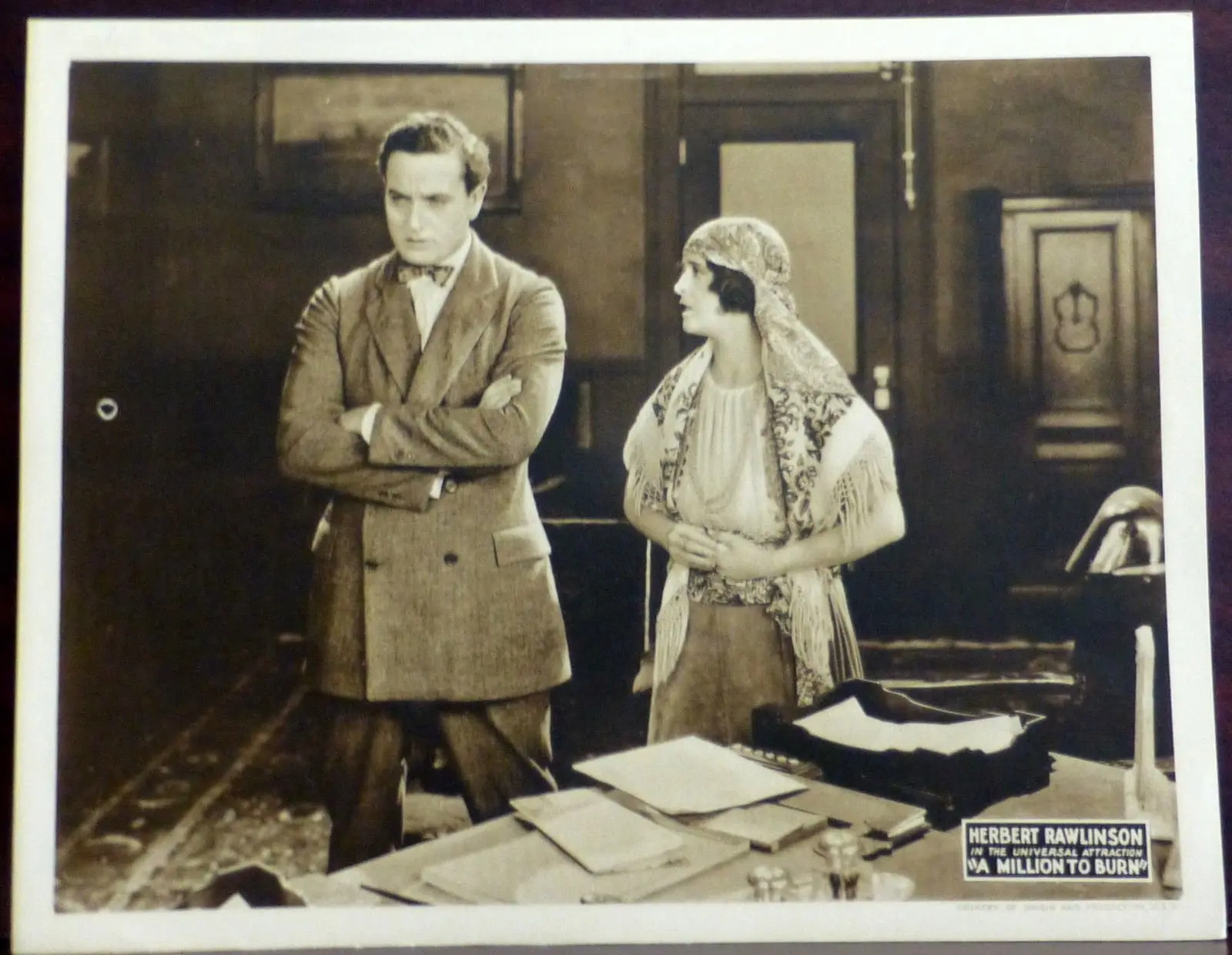
Gwynne's vision is nothing short of utopian: he aims to transform the resort into a haven for artistic self-expression, where employees are encouraged to pursue their creative passions – be it acrobatics, music, or dance – rather than adhere to the rigid demands of hospitality. It's a fascinating, if utterly impractical, ideal. One can imagine the visual spectacle of the grounds teeming with performers, a cacophony of musical instruments, and a flurry of acrobatic feats, all unfolding against the backdrop of what was once a conventional, profit-driven establishment. This concept of creating a 'paradise' through unconventional means might draw a thematic parallel to films like Paradise Garden, where the pursuit of an idealized existence often encounters harsh realities.
The supporting cast, including Beatrice Burnham, Margaret Landis, George F. Marion, Fred R. Stanton, and Kalla Pasha, would have played crucial roles in embodying the diverse array of employees and guests reacting to Gwynne's radical shift. Their exaggerated silent film expressions and gestures would have conveyed the spectrum of reactions, from bewildered amusement to outright indignation, adding layers to the unfolding chaos. This phase of the film provides ample opportunity for both physical comedy and subtle commentary on the clash between genuine artistic aspiration and the practicalities of earning a living.
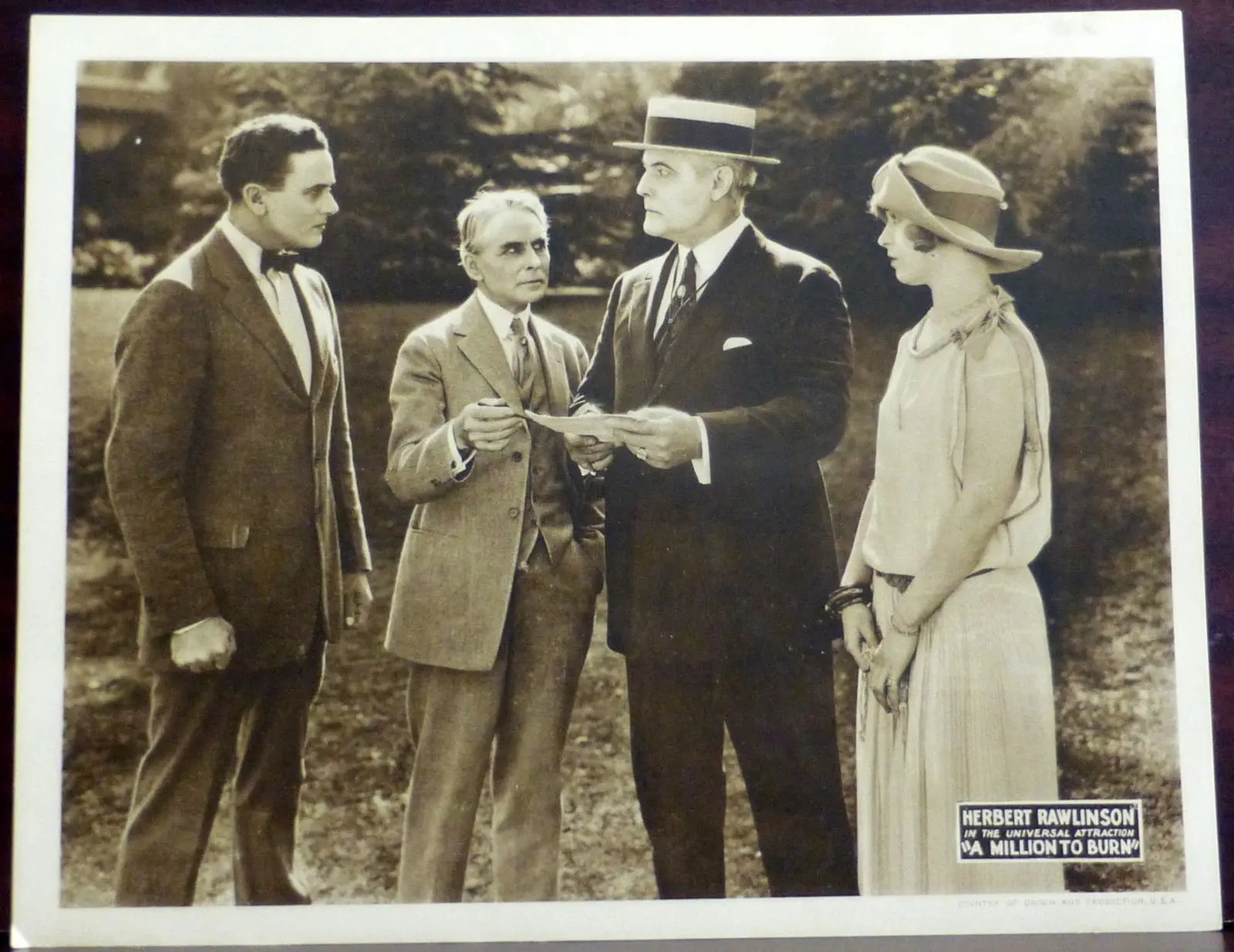
This utopian ideal, however, swiftly devolves into financial pandemonium. The resort, now a vibrant but utterly unsustainable artistic commune, careens towards inevitable bankruptcy. The film, through its narrative, poses a fundamental question: can art thrive when completely unmoored from commercial concerns, especially within a business framework? Gwynne’s experiment, while noble in its intent to foster self-expression, utterly fails to generate revenue or maintain order. The hotel, ironically, becomes a victim of its own 'freedom,' a spectacle of unbridled creativity that lacks any grounding in economic reality. This is a powerful, if somewhat humorous, critique of unchecked idealism, suggesting that even the most benevolent intentions require a pragmatic foundation to succeed. It's a lesson that resonates with the challenges faced by many creative ventures, then and now.
The visual depiction of this descent into chaos would have been a highlight of the film. Imagine the frenetic energy of dancers pirouetting through the lobby, musicians serenading confused guests, and acrobats performing feats where waiters once served. The contrast between the expected decorum of a resort hotel and the unbridled artistic expression would have provided rich comedic material, underscored by the tragic inevitability of financial collapse. The writers, Schrock and Whitside, manage to infuse this downfall with both pathos and a sense of comeuppance, ensuring that Gwynne’s journey, while misguided, is not without its lessons.
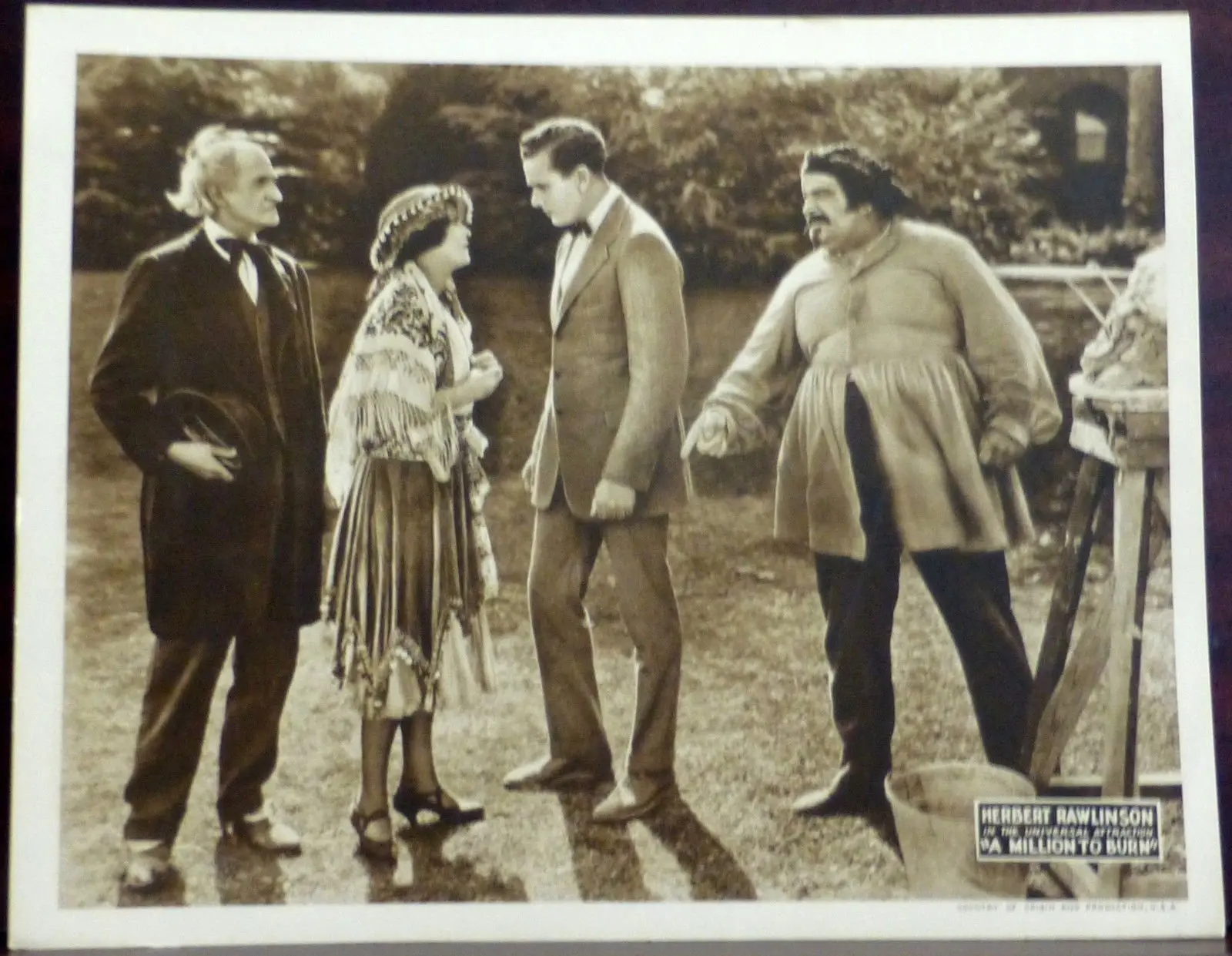
Inevitably, the dream crumbles. The old manager, a figure representing the very pragmatism Gwynne disdained, eventually steps in, repurchasing the derelict property. This act symbolizes the triumph of seasoned experience and conventional wisdom over naive, albeit well-meaning, idealism. The return to normalcy, however, is not a complete repudiation of Gwynne's journey. In a surprising and rather poignant turn, having witnessed the spectacular failure of his own avant-garde philosophy, a chastened Tom Gwynne is retained, now equipped with the invaluable, albeit costly, wisdom gleaned from his grand, ruinous endeavor. This final act suggests a more nuanced understanding of leadership: that while idealism is vital, it must be tempered by practical knowledge and an understanding of real-world constraints.
The film's ending, therefore, is not a simple condemnation of artistic pursuits or experimental thought, but a celebration of learning through experience. Gwynne, no longer the naive college boy, has undergone a profound transformation. His retention by the old manager signifies that his potential, now refined by hardship, is finally recognized. It's a powerful message about second chances and the transformative power of failure, a theme that resonates across many narratives, from the personal struggles in The Man Who Couldn't Beat God to the more solitary lessons learned in Robinson Crusoe, where self-reliance is forged in the crucible of adversity.
While specific directorial credits for A Million to Burn are not readily available in common databases, the narrative structure crafted by Raymond L. Schrock and Tom Whitside hints at a strong visual interpretation. The progression from ordered resort to artistic free-for-all, and then back to pragmatic management, would have relied heavily on the evocative power of silent film cinematography. Close-ups would have conveyed the emotional journey of Rawlinson's Tom Gwynne, from his initial hubris to his eventual humility. Wide shots would have captured the expansive chaos of the 'artistic' hotel, contrasting sharply with the more staid, traditional scenes.
The performances of the ensemble cast would have been crucial in bringing this story to life. Herbert Rawlinson, as Tom Gwynne, would have needed to navigate a wide emotional range, portraying both the charming naiveté and the eventual wisdom of his character. Beatrice Burnham and Margaret Landis, likely playing key female roles, would have provided emotional anchors or foils to Gwynne's escapades, their reactions often guiding the audience's understanding of the escalating absurdity. Figures like George F. Marion, Fred R. Stanton, and Kalla Pasha would have embodied the diverse spectrum of employees and guests, their exaggerated expressions and body language typical of the era, conveying everything from delight to despair as Gwynne's experiment unfolded. The physical comedy inherent in a hotel overrun by performers would have been a significant draw, a testament to the era's appreciation for visual storytelling.
Beyond its comedic elements, A Million to Burn offers a surprisingly robust commentary on several enduring themes. It scrutinizes the dangers of inherited wealth when unaccompanied by wisdom, a concept that remains relevant in discussions of privilege and responsibility. It explores the perennial tension between idealism and realism, demonstrating how even the loftiest visions can falter without a grounding in practicalities. The film implicitly asks: what is the true value of 'self-expression' if it leads to financial ruin? Is there a sustainable middle ground?
The narrative also serves as a subtle social critique of the 1920s, a decade often characterized by its exuberance, its experimentation, and its occasional recklessness. Gwynne's character, in many ways, embodies this spirit of daring to dream big, even if those dreams are ultimately unsustainable. The film’s ultimate resolution, with Tom retained by the pragmatic manager, suggests a mature understanding that true progress often comes from integrating lessons learned through failure, rather than simply discarding the failed idealist. It's a testament to the enduring power of experience and the often-painful process of gaining wisdom. The film, in its quiet way, champions the idea that while innovation and creativity are vital, they must be balanced with a clear understanding of the world's practical demands. This balance, as relevant today as it was a century ago, is what gives A Million to Burn its lasting thematic resonance and makes it a compelling watch for anyone interested in the social commentaries woven into the fabric of early cinema.
IMDb 7.3
1924
Community
Log in to comment.