DbcultAccessing Vault...
7.3/10
Senior Film Conservator
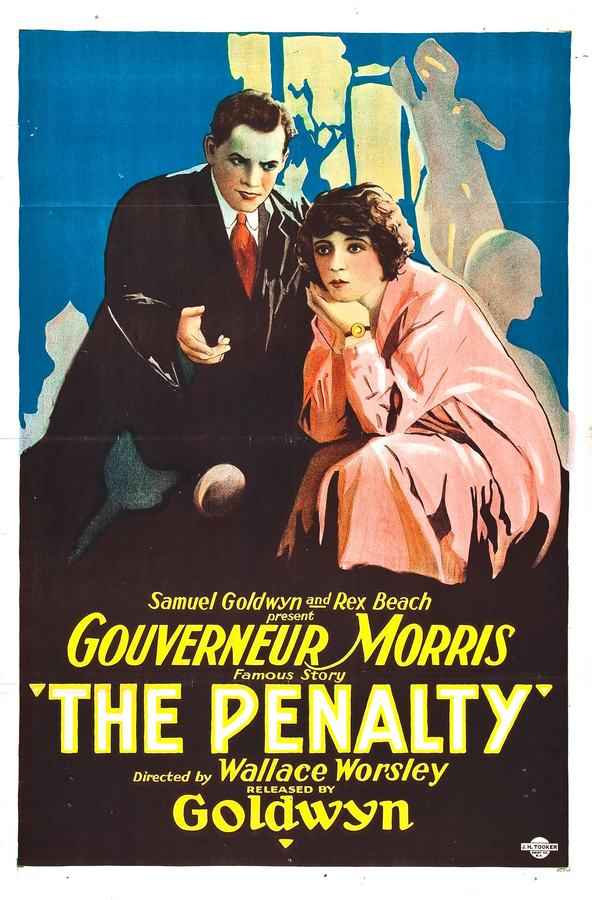
A definitive 7.3/10 rating for a film that redefined the boundaries of cult cinema. The Penalty remains a cornerstone of transgressive art.
Lon Chaney’s portrayal of the crippled mastermind in The Penalty transcends mere melodrama; it becomes a study in the grotesque poetry of physical loss. The film opens with a stark tableau of San Francisco’s bustling piers, a city humming with commerce yet oblivious to the lurking menace that will soon rip through its veins. Chaney, whose body is contorted into a nightmarish silhouette, moves with a deliberate, almost surgical grace, foreshadowing the calculated cruelty that defines his character’s arc.
The screenplay, crafted by Gouverneur Morris, Philip Lonergan, and Charles Kenyon, weaves a tapestry of revenge, greed, and identity. The protagonist’s vendetta against the doctor—played by Michael Dark—operates on two levels: a personal retribution for the loss of his limbs and a symbolic rebellion against the medical establishment’s cold rationality. This duality mirrors the era’s anxieties about scientific progress, a motif also explored in The Life Mask, where the pursuit of knowledge yields monstrous outcomes.
Although shot in black‑and‑white, the film’s chiaroscuro is punctuated by strategic use of colour in promotional materials, echoing the modernist palette of dark orange, yellow, and sea blue. Within the diegesis, the interplay of light and darkness becomes a visual metaphor for the protagonist’s fragmented soul. The nocturnal heist sequence, drenched in deep shadows, is intermittently illuminated by the harsh glare of streetlamps—each flash revealing a new facet of betrayal.
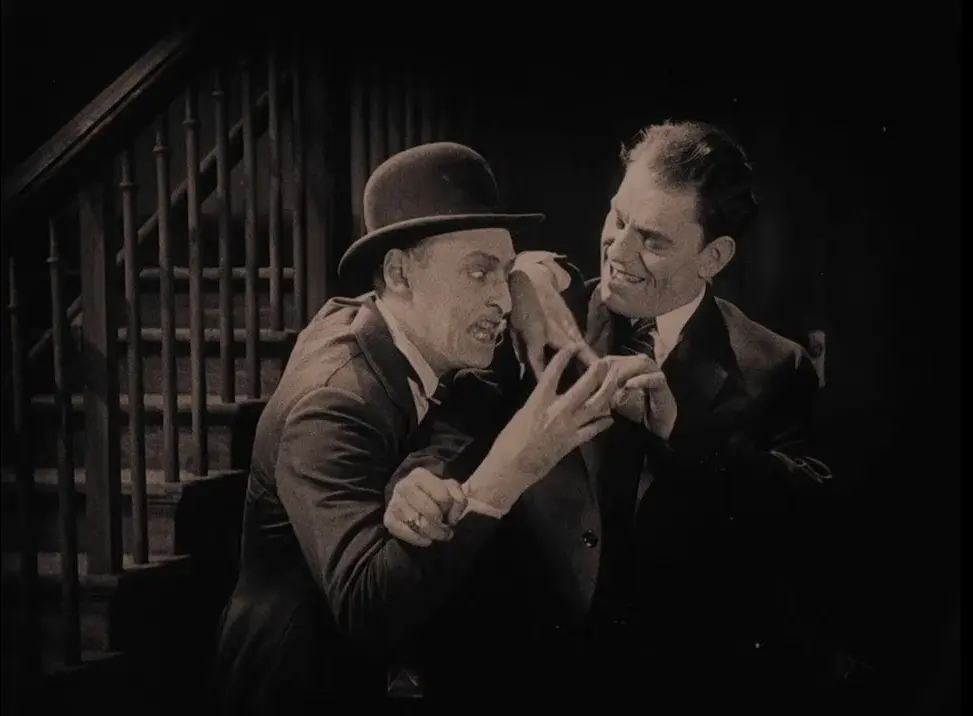
Chaney’s commitment to physical transformation is legendary; he employed a custom‑made apparatus to simulate amputated legs, a feat that demanded both endurance and artistry. His facial contortions, achieved through prosthetic makeup, convey a spectrum of emotions without uttering a word—an embodiment of the silent era’s reliance on visual storytelling. The subtle twitch of his jaw when confronting the doctor hints at a lingering humanity beneath the monstrous exterior.
Ethel Grey Terry, as the conflicted love interest, provides a counterpoint to the protagonist’s nihilism. Her performance oscillates between tender compassion and steely resolve, reflecting the era’s evolving depiction of women as both moral anchors and agents of change. Kenneth Harlan’s role as the earnest detective introduces a procedural element reminiscent of the investigative tension found in Flirting with Death.
The film’s rhythm is deliberately unhurried, allowing each scheming subplot to unfurl before converging in a crescendo of chaos. The meticulous planning of the heist—complete with blueprints drawn on crumpled newspaper—creates a palpable sense of anticipation. When the robbery erupts, the editing becomes frenetic, mirroring the protagonist’s internal disarray.
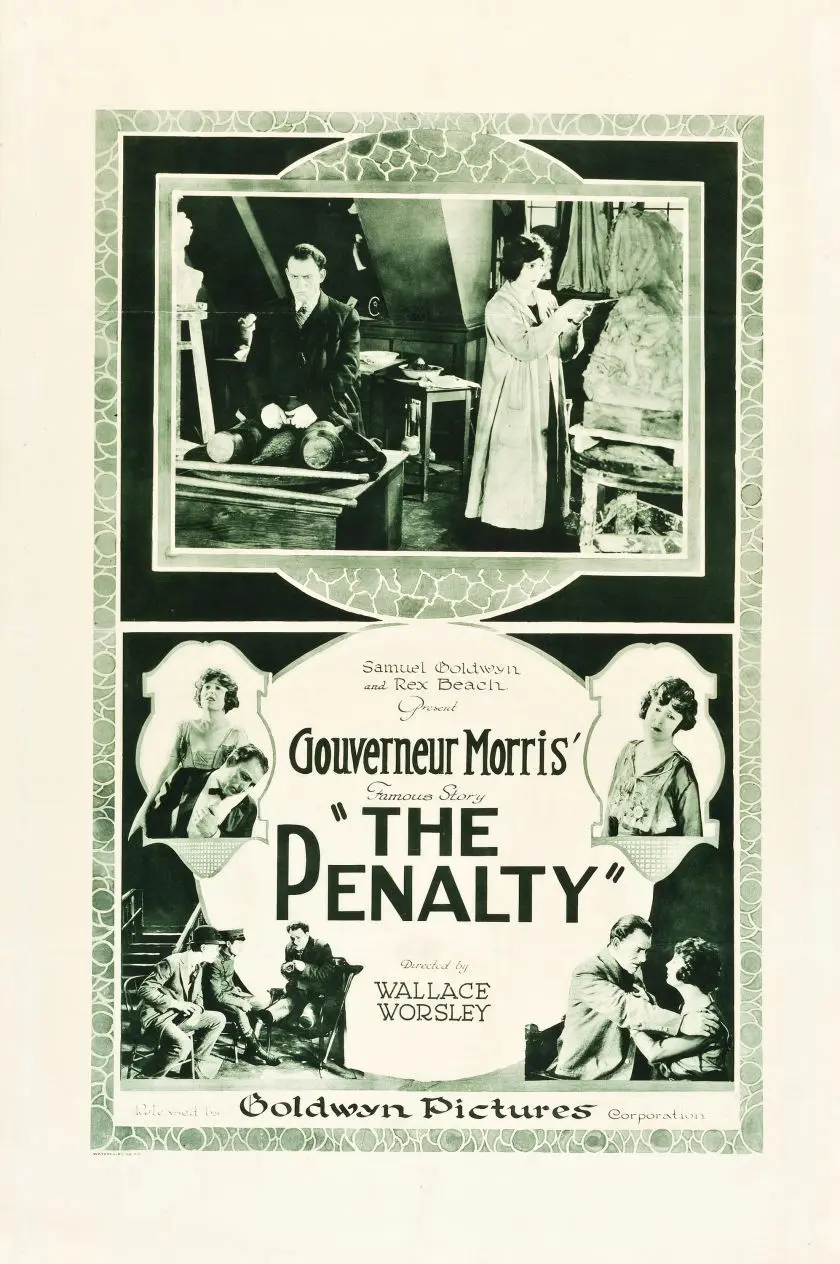
The camera lingers on San Francisco’s iconic fog, turning the city into a living, breathing antagonist. Wide shots of the Golden Gate Bridge, though not yet completed, are rendered as looming silhouettes that dwarf the human drama below. This treatment aligns with the visual storytelling of The Purple Mask, where the setting itself amplifies thematic tension.
The recurring imagery of locked doors and broken chains underscores the protagonist’s yearning for emancipation—from his physical constraints and from societal oppression. Each broken lock during the heist symbolizes a fragment of his shattered identity, while the final confrontation with the doctor serves as a macabre rite of passage.
In the silent era, intertitles function as narrative scaffolding, yet the film’s true auditory power lies in its use of ambient sound cues—footsteps echoing in empty warehouses, the metallic clang of a safe being forced open. These auditory motifs, though unseen, reverberate through the audience’s imagination, heightening the visceral impact.
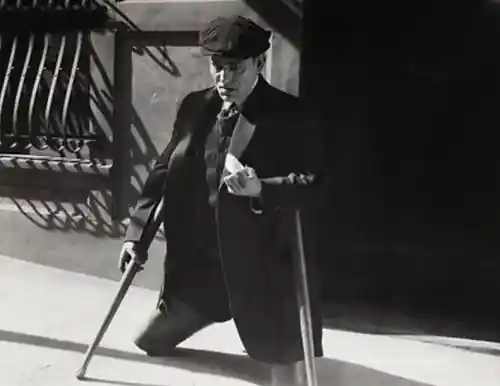
When juxtaposed with contemporaneous crime dramas such as The Forbidden Path, The Penalty distinguishes itself through its grotesque protagonist and the moral ambiguity that pervades every character. While many silent thrillers glorify the hero’s triumph, Chaney’s villain occupies a liminal space that forces viewers to interrogate the nature of justice.
The climax does not offer tidy redemption; instead, it leaves the audience suspended in a tableau of ruin and unresolved yearning. The doctor’s fate—whether he perishes or survives—remains deliberately ambiguous, a narrative choice that underscores the film’s preoccupation with the unknowable consequences of vengeance.
Emerging in the wake of World War I, the film captures a collective disillusionment with progress and authority. The protagonist’s physical mutilation can be read as a metaphor for a generation scarred by conflict, while his criminal ingenuity reflects a yearning to subvert the very structures that caused his suffering.

Lon Chaney’s performance set a precedent for the anti‑hero archetype in cinema, influencing later portrayals of complex villains in noir and modern thrillers. The film’s daring blend of horror and crime drama presaged the genre‑bending narratives that would dominate mid‑century Hollywood.
The production design employs authentic San Francisco storefronts, painstakingly reconstructed on studio lots. Practical effects—such as the safe’s tumblers being manually manipulated—lend a tactile realism that enhances the film’s immersive quality. These techniques echo the ingenuity seen in Brothers Divided, where resourceful set pieces compensate for budgetary constraints.
Although ostensibly linear, the story intersperses flashbacks of the protagonist’s surgical career, creating a temporal tapestry that gradually reveals his motivations. This narrative layering adds depth, inviting viewers to piece together the puzzle much like the heist’s intricate planning.
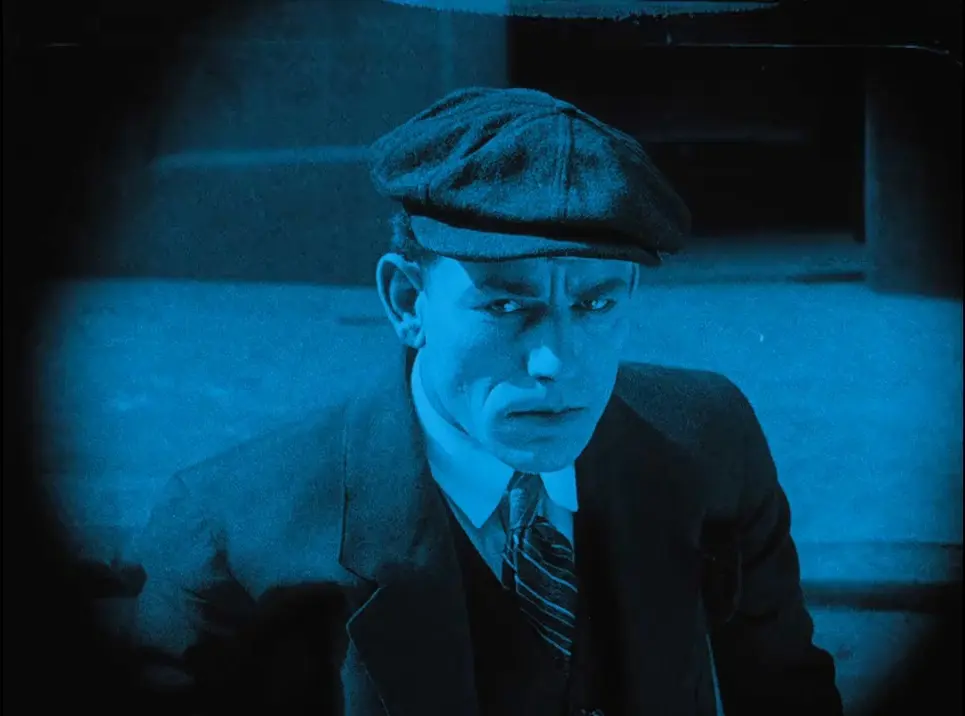
The interplay between the mastermind and his cohort of thieves is a study in hierarchical manipulation. Each subordinate—portrayed by Charles Clary, Lon Chaney, and others—exhibits a distinct blend of loyalty and self‑interest, reflecting the fragile alliances that underpin criminal enterprises.
The film confronts the stigmatization of disability head‑on, presenting a physically impaired character who wields agency through intellect rather than brute force. This nuanced portrayal challenges contemporary stereotypes, positioning the film as an early advocate for complex representations of disability.
Upon its 1920 release, critics praised Chaney’s transformative performance while some denounced the film’s bleak moral landscape. Modern scholars, however, celebrate its daring narrative choices, noting its prescience in exploring themes later popularized by film noir.
The Penalty endures as a masterclass in silent‑era storytelling, marrying visual ingenuity with profound thematic inquiry. Its legacy persists not merely as a relic of cinema’s infancy but as a vibrant testament to the power of film to interrogate the darkest corners of the human condition.
IMDb —
1926
Community
Log in to comment.