DbcultAccessing Vault...
6.6/10
Senior Film Conservator
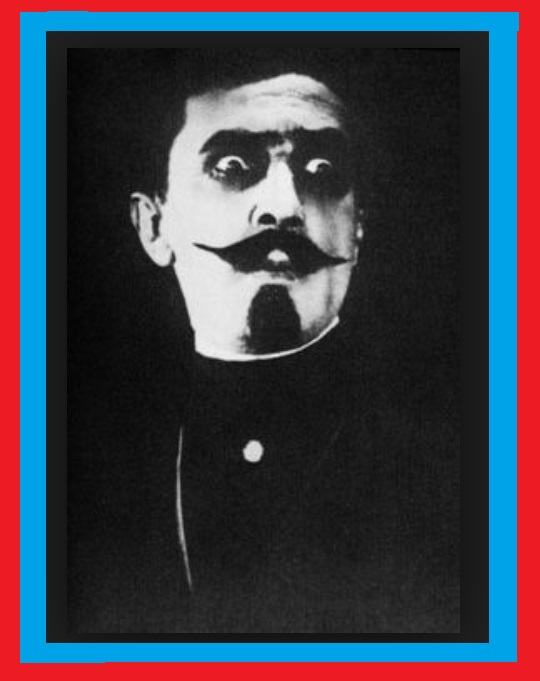
A definitive 6.6/10 rating for a film that redefined the boundaries of cult cinema. Hypnose remains a cornerstone of transgressive art.
Stepping back into the nascent days of cinema, particularly the rich tapestry of early German silent film, one often unearths treasures that speak volumes about human anxieties and fascinations. Among these, Karl Schneider's 1920 offering, Hypnose, stands as a fascinating, albeit often overlooked, artifact. It's a film that doesn't merely tell a story; it probes the very fabric of control and vulnerability, laying bare the unsettling power dynamics inherent in the human mind. In an era captivated by spiritualism, mesmerism, and the burgeoning fields of psychology, Hypnose arrived to tap into a collective fascination with the unseen forces that could govern our wills. It's a journey into the subconscious, a chilling exploration of what happens when the boundaries of personal autonomy are breached by a charismatic, yet potentially sinister, force. The film, in its stark black and white, paints a canvas of psychological tension that, even a century later, retains a surprising grip on the viewer's imagination, forcing us to ponder the fragility of our own mental fortresses.
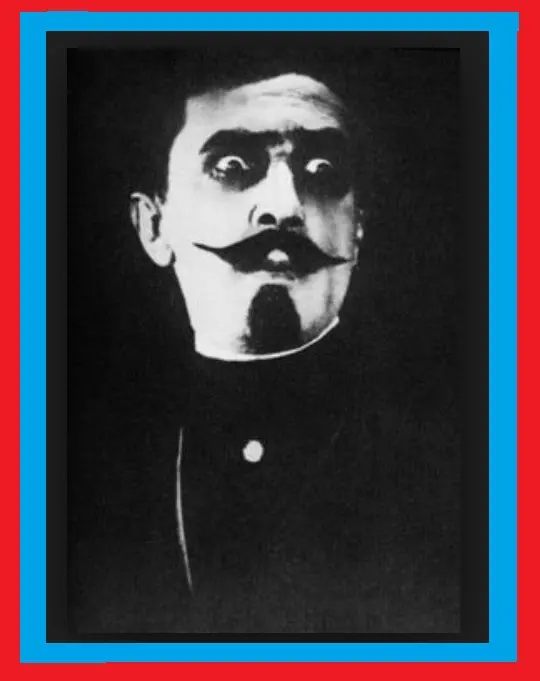
At the heart of Hypnose lies the titular figure, Professor Mors, portrayed with a compelling, if subtle, intensity by Rudolf Klein-Rhoden. Mors is not merely a stage performer; he is a master of the mind, a figure whose reputation precedes him, drawing both awe and trepidation from society. His command over the human psyche is presented as an almost supernatural gift, yet grounded in the scientific curiosities of the early 20th century. Klein-Rhoden imbues Mors with a quiet authority, a gaze that seems to penetrate beyond the superficial, suggesting a man who understands the hidden levers of human behavior. This portrayal is crucial, as the film relies heavily on the audience's belief in Mors's extraordinary capabilities. Without a convincing central performance, the entire premise would crumble. Mors's fascination with Claire Raven isn't merely academic; it feels personal, almost obsessive, hinting at a darker undercurrent beneath his professional veneer. He represents the ultimate power fantasy – the ability to bend others to one's will without physical coercion, a notion both terrifying and alluring. This theme of intellectual and psychological dominance can be seen echoed in later cinematic explorations of mad scientists and master manipulators, making Mors a quintessential early archetype.
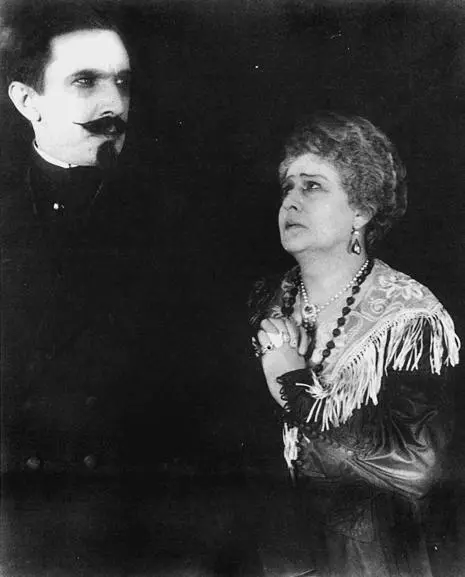
Marga Köhler, as the young Claire Raven, delivers a performance that is both delicate and tragically compelling. Claire is presented as a daughter of 'good family,' suggesting a certain innocence, perhaps even a sheltered existence, that makes her particularly susceptible to Mors's influence. Her initial interactions with the professor are tinged with curiosity, an understandable human reaction to the mysterious. However, as Mors's interest intensifies, Köhler subtly conveys Claire's gradual shift from intrigued observer to unwitting subject. The power imbalance is stark: an experienced, formidable hypnotist against a naive, impressionable young woman. The film carefully delineates her increasing vulnerability, not through elaborate dialogue – for it is a silent film, after all – but through subtle gestures, shifting gazes, and expressions that speak volumes. Her eyes, in particular, become windows to a soul slowly losing its grip on self-determination. This portrayal is key to the film's emotional resonance, as we witness a gradual erosion of agency, a chilling reminder of how easily one's inner world can be invaded. The societal expectations placed upon young women of the era, coupled with the allure of a powerful male figure, add another layer of complexity to Claire's predicament, making her a poignant figure caught in a web she barely comprehends.
Translating the intangible act of hypnosis to the visual medium of silent film presented a unique challenge, one that Hypnose tackles with remarkable ingenuity. The film employs a combination of close-ups, specific lighting, and the actors' intense physicality to convey the process. Mors's piercing stare, the slow, deliberate movements of his hands, and Claire's gradual succumbing – her eyelids fluttering, her body relaxing into a state of profound suggestibility – are all meticulously choreographed. This visual language is crucial in establishing the dramatic impact of the hypnosis. It’s not just a plot device; it’s a spectacle in itself, a mesmerizing dance between manipulator and manipulated. The tension builds not through spoken word, but through the palpable shift in atmosphere and the visible transformation in Claire’s demeanor. The film understands that the true horror lies not in overt violence, but in the subtle, unseen subjugation of the mind. This cinematic approach to psychological states was pioneering, influencing countless films that would later explore themes of mental control and altered realities. One can almost feel the heavy air of the séance room, the hushed anticipation, as Mors exerts his will. The film’s silent nature ironically enhances this, forcing the audience to project their own understanding and fear onto the visual cues, making the experience deeply personal and unsettling.
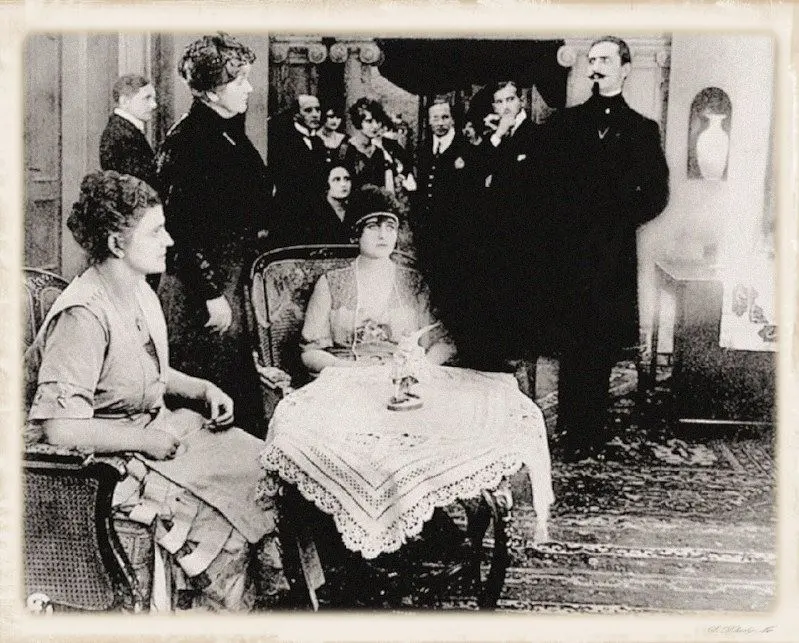
While Rudolf Klein-Rhoden and Marga Köhler carry the central narrative weight, Hypnose also offers a tantalizing glimpse of a future horror icon in his early career: Bela Lugosi. Though his role here is not the star-making turn that would define his legacy, his presence on screen, even in a supporting capacity, adds a certain gravitas and an intriguing historical footnote. It's fascinating to observe the nascent stages of an actor who would later become synonymous with chilling, otherworldly performances. The ensemble cast, including Karl Halden, Emil Rameau, Violetta Napierska, Lee Parry, Gustav Birkholz, Jenny Höhne, and Gertrud de Lalsky, collectively creates a believable world around the central figures. Their reactions, their subtle expressions of awe or concern, serve to anchor the more fantastical elements of Mors's powers in a relatable reality. In silent cinema, every actor's face and body language must convey layers of emotion and intention, and this cast largely succeeds in creating a vibrant, if silent, tapestry of human interaction. The performances are often theatrical, as was common for the era, but they are delivered with a conviction that allows the audience to suspend disbelief and become immersed in the unfolding drama. It’s a testament to the skill of these early performers that they could communicate such complex emotional states without uttering a single word, relying instead on the universal language of human expression.
Karl Schneider, the film's writer, crafts a narrative that, while seemingly straightforward, possesses significant thematic depth. The plot, centered on a powerful hypnotist and his young subject, serves as a canvas for exploring larger questions about free will, ethical boundaries, and the dangers of unchecked power. Schneider's screenplay, even in its minimalist silent film structure, manages to build suspense effectively, hinting at the potential malevolence of Mors's intentions without explicitly stating them. The beauty of such early psychological thrillers lies in their reliance on implication and suggestion, allowing the audience's own fears and interpretations to fill in the gaps. This approach creates a more visceral and personal sense of dread. The film doesn't need jump scares; the quiet, insidious creep of psychological control is far more unsettling. One might draw parallels to the subtle, creeping dread in other contemporary thrillers, or even the intricate deceptions found in a film like The Intrigue, where hidden motives drive the plot. Schneider's work here is a foundational piece in the emerging genre of psychological drama, demonstrating how internal conflicts and mental manipulation could be just as compelling, if not more so, than external action. The narrative, though sparse by modern standards, is efficient, each scene contributing to the escalating sense of Claire's entrapment and Mors's escalating control. The script cleverly uses the very nature of hypnosis—its invisible influence—to heighten the suspense, leaving the audience to wonder about the true extent of Mors's power and Claire's ultimate fate. It’s a testament to the power of a well-conceived premise, even when stripped down to its bare essentials.
Hypnose, while not overtly Expressionistic in the vein of a Caligari, certainly shares some of the movement's thematic concerns: the exploration of madness, psychological states, and societal anxieties. The film's atmosphere, its focus on distorted power dynamics, and the internal struggles of its characters resonate with the broader artistic currents of post-World War I Germany. The use of shadows and stark contrasts, typical of silent cinema, here takes on an added layer of psychological significance, mirroring the shadowy depths of the subconscious that Mors so deftly navigates. The enduring power of silent films like Hypnose lies in their ability to transcend the lack of spoken dialogue through visual storytelling of immense potency. The reliance on exaggerated gestures, facial expressions, and evocative mise-en-scène forces the audience to engage on a deeper, more interpretive level. This engagement often results in a more profound and lasting impression than many modern sound films. Comparisons to other silent-era mysteries or psychological dramas, such as the intricate plotting of The Grell Mystery or the character-driven tension of The Morals of Hilda, highlight Hypnose's place within a rich tradition of cinematic storytelling that valued visual nuance and thematic complexity. These films, often dismissed as relics, are in fact sophisticated works of art that laid the groundwork for much of what we consider modern cinema. Their technical innovations, from camera movement to editing, were revolutionary, and their thematic explorations were often far ahead of their time. Viewing Hypnose today is not just an act of historical appreciation; it is an immersive experience into a form of storytelling that speaks directly to the soul, unencumbered by linguistic barriers.
Ultimately, Hypnose leaves a lingering impression long after the final frame. It's a film that quietly asserts the terrifying potential of the human mind, both to control and to be controlled. Karl Schneider's vision, brought to life by a dedicated cast and the innovative techniques of early German cinema, creates a compelling argument for the psychological thriller as a genre capable of profound depth and unsettling tension. The film’s exploration of power, vulnerability, and the unseen forces that can sway human will remains remarkably pertinent. It reminds us that some of the most potent dramas unfold not on battlefields or in grand adventures, but within the confines of the human psyche. For enthusiasts of silent film, early horror, or psychological dramas, Hypnose is an essential viewing experience. It's a testament to the enduring power of cinema to explore the darkest corners of human experience, even without a single spoken word. This film serves as a powerful reminder that the true masters of suspense often operate not with overt violence, but with the insidious creep of psychological manipulation, leaving us to question the very nature of our own free will. It's a silent scream, echoing through the decades, about the dangers of surrendering one's mind to another's will, a theme that continues to resonate in contemporary narratives, proving that some stories are truly timeless.
IMDb —
1921
Community
Log in to comment.