DbcultAccessing Vault...
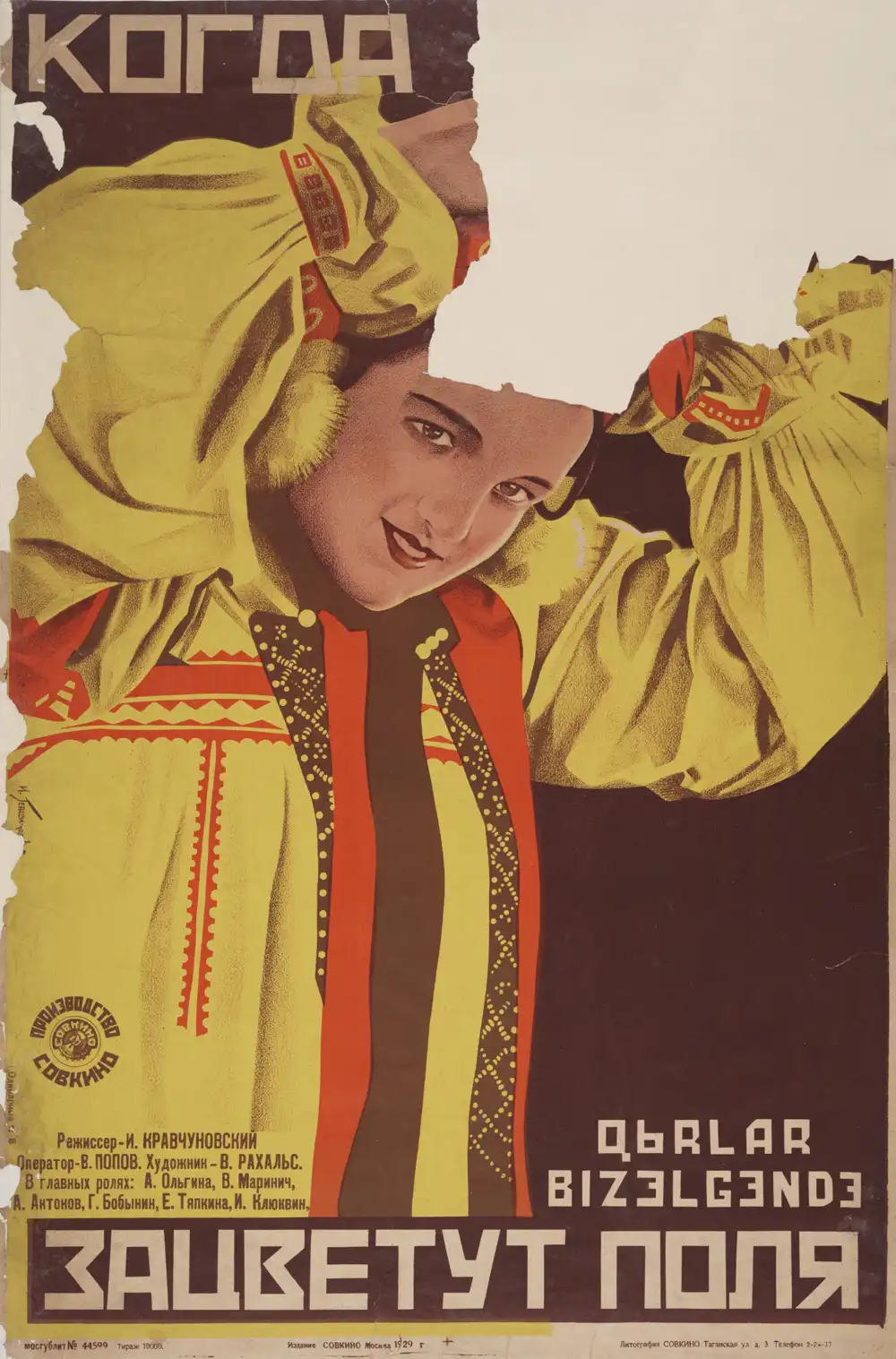
Alright, so you’re wondering about Kogda zatsvetut polya? Look, this isn’t for everyone, not by a long shot. If you’re into early Soviet cinema, or just want to see how silent films tackled big ideas, then yeah, give it a shot. But if you need fast pacing, crisp dialogue, or modern production values, you’re probably gonna want to skip this one. It’s a real niche watch, honestly.
The movie drops us right into a village where the youth, all wide-eyed and full of revolutionary zeal, decide to transform an old monastery garden. They want to turn it into a collective farm, which, you know, was a huge deal back then. It’s kinda neat how they show this almost immediate shift in attitude, like flipping a switch.
There are these stark contrasts, right? The old, quiet monastery walls against the energetic, bustling young people. You can practically feel the dust they’re kicking up. And the close-ups on faces, man, they really try to get the emotions across, sometimes a little too much for a modern audience.
Aleksandr Antonov, he’s in it, and you can see why he was a big deal. He’s got this presence, even in a silent film. But some of the other actors, bless ‘em, they’re just so earnest. It’s almost comical how hard they're trying to convey 'determination' or 'doubt' with just their expressions. 😄
The film doesn’t shy away from its message, not one bit. The whole 'new way' vs. 'old ways' is pretty on-the-nose. The intertitles pop up and sometimes feel a bit preachy, hammering home the collective farm ideal. 🔨
There’s this one scene where they’re all pulling a plow, and it’s shot from a low angle. It’s meant to look heroic, I guess, but it just made me think about how much sheer work that actually was. Like, real, back-breaking labor. Not exactly glamorous, even in a propaganda piece.
The title, 'When the Fields Bloom,' really sets up this hopeful image. And they do try to show the growth, the progress, the fruits of their labor. It’s not subtle, but for 1928, the visual storytelling is pretty direct in getting that point across.
It moves at its own pace, a silent film pace. There are moments that really pull you in, like the initial burst of energy from the youth. Then there are other parts that drag a bit, especially when the message gets a little heavy. You can almost feel the movie trying to convince you this moment matters, a whole lot.
So, yeah, Kogda zatsvetut polya isn’t a blockbuster, obviously. But it’s a snapshot. A very specific, very Soviet snapshot of a particular moment. If you’re into that, it’s a quiet little watch. It makes you think about what 'progress' meant back then. And it’s kinda fascinating to see how they tried to rally everyone with just images and a few words.
IMDb 7.1
1927
Community
Log in to comment.