DbcultAccessing Vault...
6.1/10
Senior Film Conservator
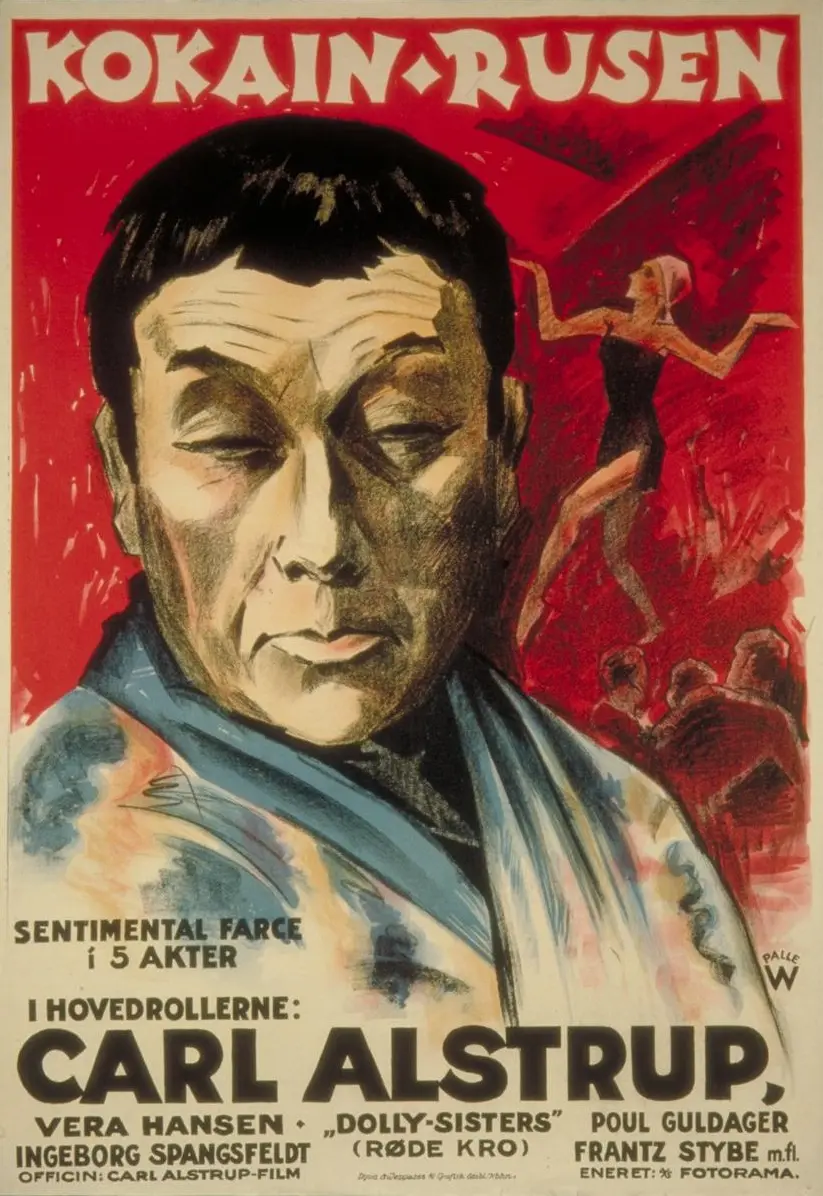
A definitive 6.1/10 rating for a film that redefined the boundaries of cult cinema. Kokain-Rusen remains a cornerstone of transgressive art.
Is Kokain-Rusen a masterpiece of silent subversion? Short answer: yes, but only for those who enjoy their cinema with a side of genuine discomfort and narrative anarchy. This film is for the historian of the weird and the lover of avant-garde risks, but it is certainly not for anyone seeking a cozy, predictable night of silent-era slapstick.
This film works because it refuses to anchor itself in reality, allowing the 'cocaine' metaphor to bleed into the very structure of the editing and the physical performances. This film fails because its second act meanders so aggressively that the 'mysterious woman' subplot feels like a repetitive gag rather than a mounting threat. You should watch it if you have an interest in the 'City Symphony' genre but wish it had more nightmare fuel and dental anomalies.
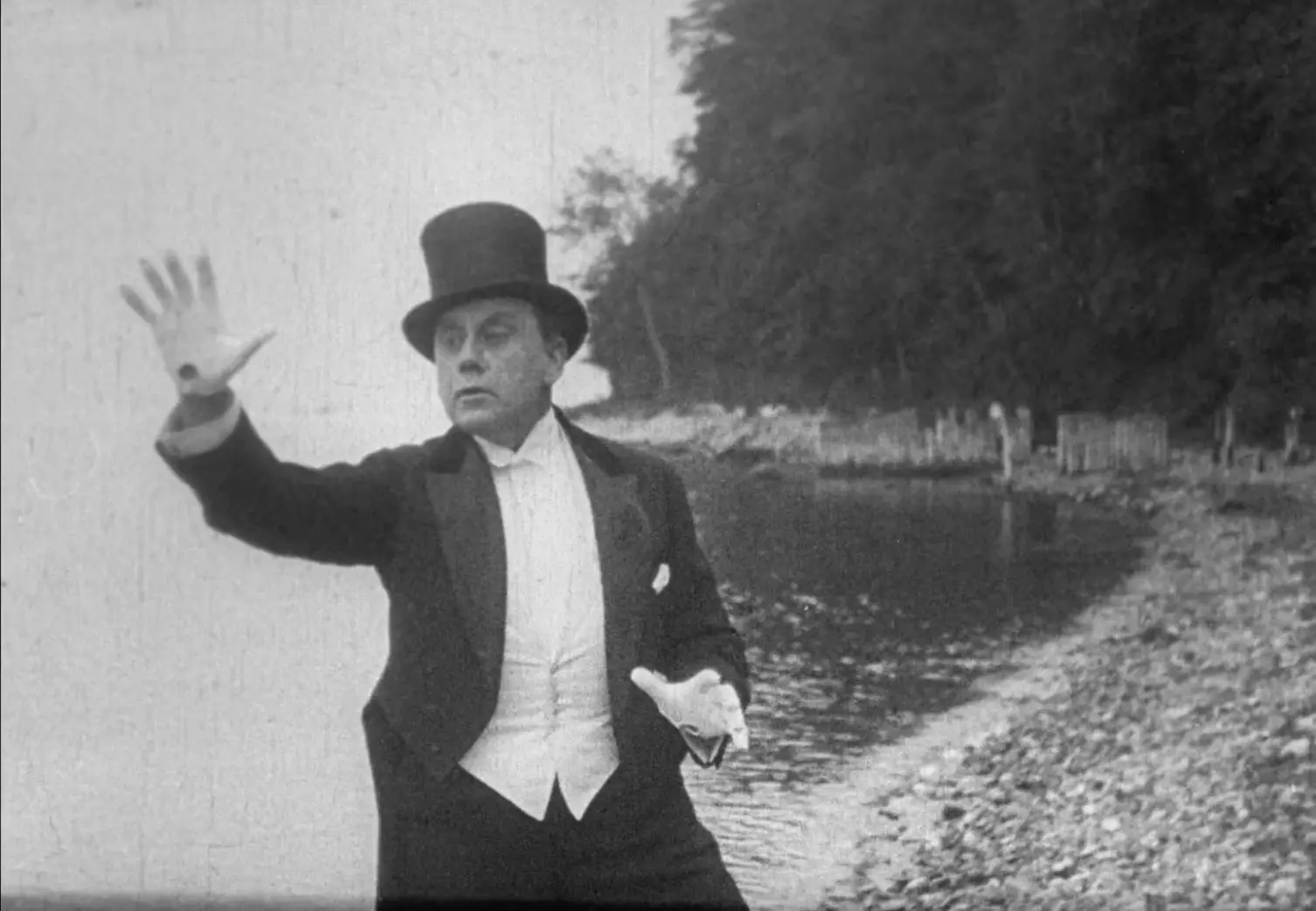
Yes, Kokain-Rusen is absolutely worth watching, provided you understand that you are not watching a traditional drama. It is a sensory experience that predates many of the surrealist tropes we associate with later decades. If you have previously enjoyed films like The Fugitive Futurist, you will find a similar disregard for the boundaries of 'normal' storytelling here. It is a jagged, uncomfortable, and occasionally hilarious look at a man losing his grip on a city that seems determined to swallow him whole.
Frantz Stybe plays Tom Nigel with a twitchy, nervous energy that feels remarkably modern. Unlike the broad, pantomime acting found in some contemporary works like Her Good Name, Stybe’s performance is grounded in a specific type of social anxiety. He isn't just a clown; he is a man who is being haunted by the mundane. The way he walks through Copenhagen suggests he is moving through a dream, or perhaps a nightmare he hasn't quite woken up from yet.
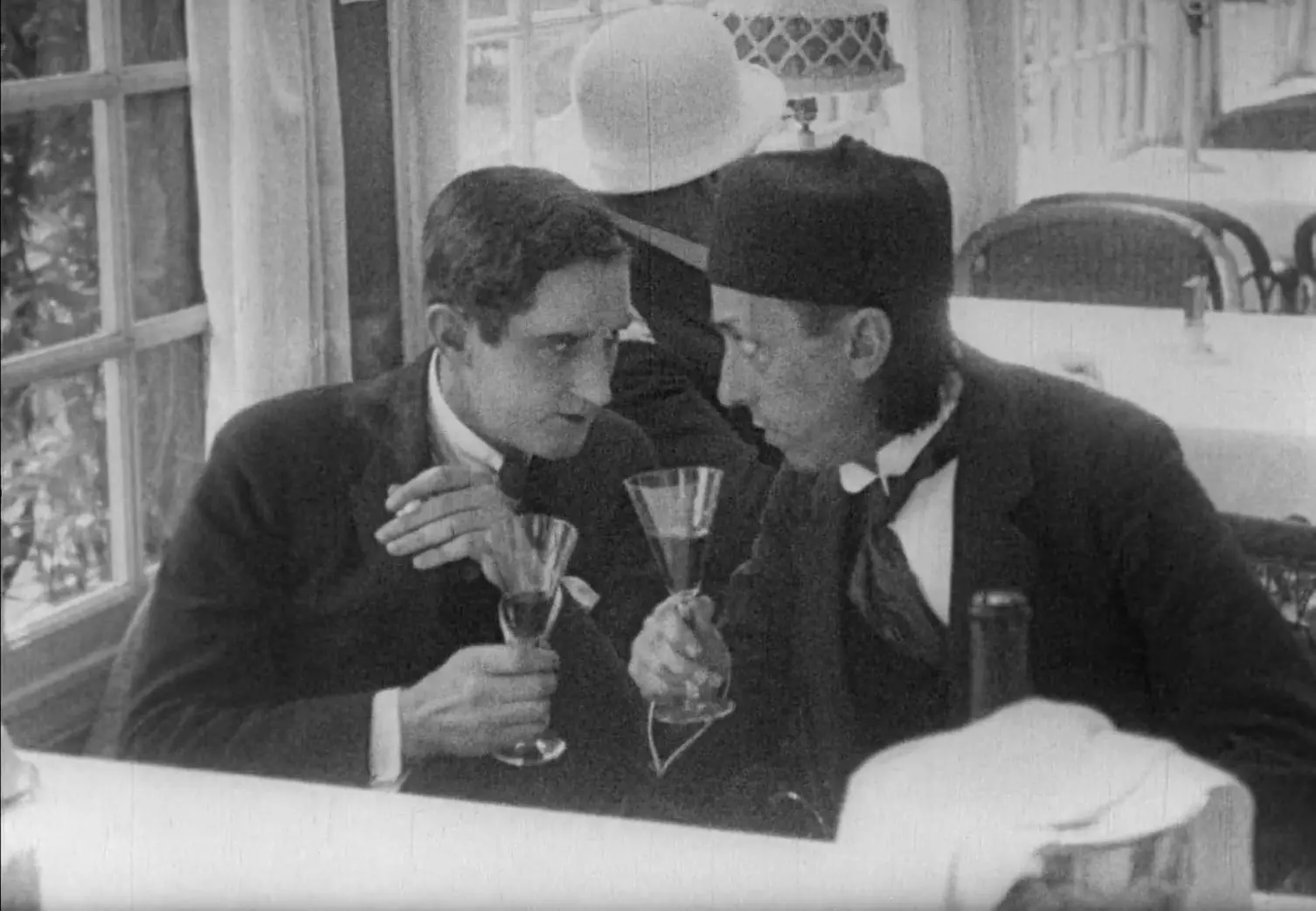
The pacing of the film is erratic, mirroring the 'rush' suggested by the title. At times, the camera lingers on Nigel’s face as he processes a grotesque coincidence, and at others, the film cuts with a frantic energy that feels decades ahead of its time. This isn't the polished, high-society drama of Forbidden Fruit; it is a gritty, street-level exploration of a mind under siege. The logic of the film is the logic of a panic attack.
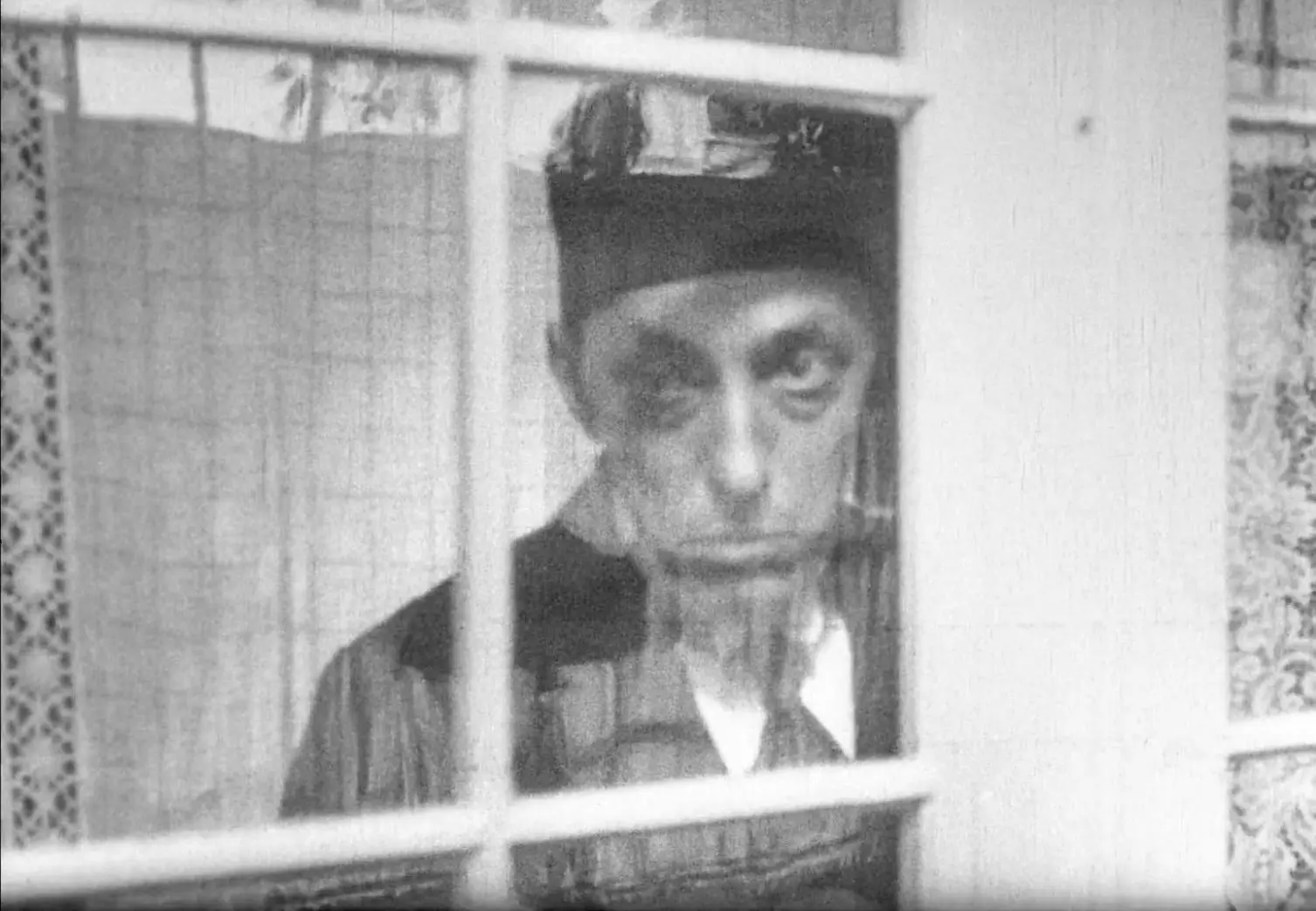
The most striking visual element of Kokain-Rusen is the 'mysterious woman' with the giant teeth. She is a terrifying creation. While many silent films used physical deformities for simple comedy, Aage Brandt uses this character as a manifestation of Nigel’s deepest fears. She isn't just a woman he can't get rid of; she is a recurring visual trauma. Every time she appears on screen, the tone of the film shifts from comedy to something approaching body horror.
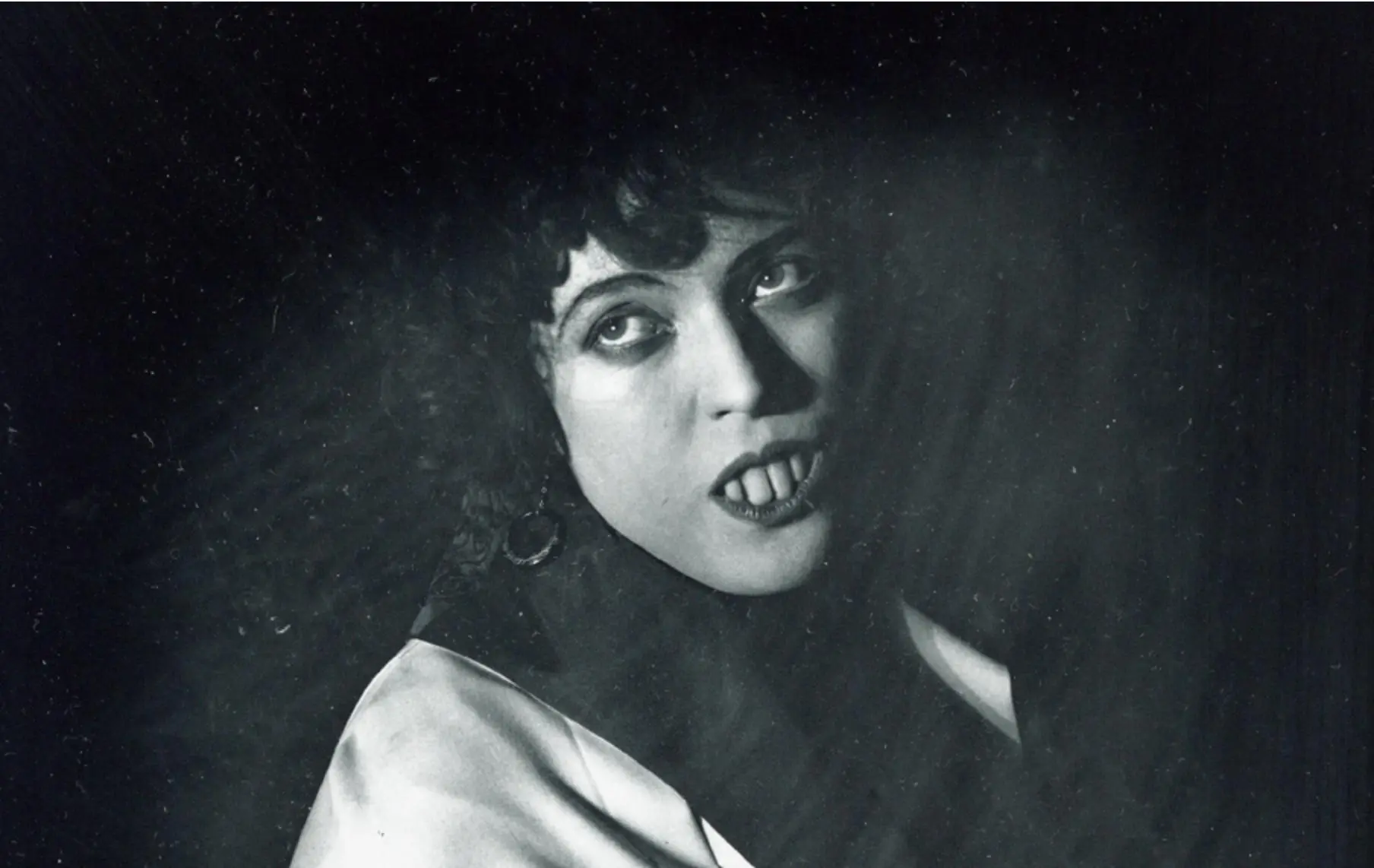
The cinematography in these sequences is intentionally disorienting. Brandt uses close-ups that feel invasive, forcing the audience to confront the 'grotesque' nature of the woman’s features. It is a bold choice that separates this film from the more balanced aesthetics of Northern Lights. Here, the camera is an active participant in Nigel’s descent into madness. The teeth are not just a prop; they are a psychological assault. It works. But it’s flawed.
The third act of the film revolves around Nigel’s search for the 'cocaine temple.' This sequence is where the film’s psychedelic ambitions truly take flight. The set design for the temple is a bizarre blend of orientalism and 1920s art deco, creating a space that feels entirely removed from the Copenhagen streets we’ve seen previously. The inclusion of the Dolly Sisters adds a layer of celebrity kitsch to the proceedings, further blurring the lines between reality and hallucination.
In the temple, the film’s critique of modern life becomes more explicit. While films like We Moderns looked at the changing social landscape with a sense of wonder or mild concern, Kokain-Rusen treats 'modernity' as a drug-induced delirium. The characters in the temple are not people; they are caricatures of excess. The 'rush' is not just about the substance; it’s about the speed of life in 1925. It is an unconventional observation, but the real drug in this film isn't cocaine—it's the city itself.
No, Kokain-Rusen is not a documentary or a realistic drama about substance abuse. It uses the concept of a 'cocaine rush' as a stylistic framework for a surrealist comedy. The film focuses more on social anxiety and bizarre coincidences than the actual mechanics of addiction. It is a metaphorical exploration of the dizziness of urban life, using the illicit nature of the 'temple' to heighten the stakes of Nigel’s aimless journey.
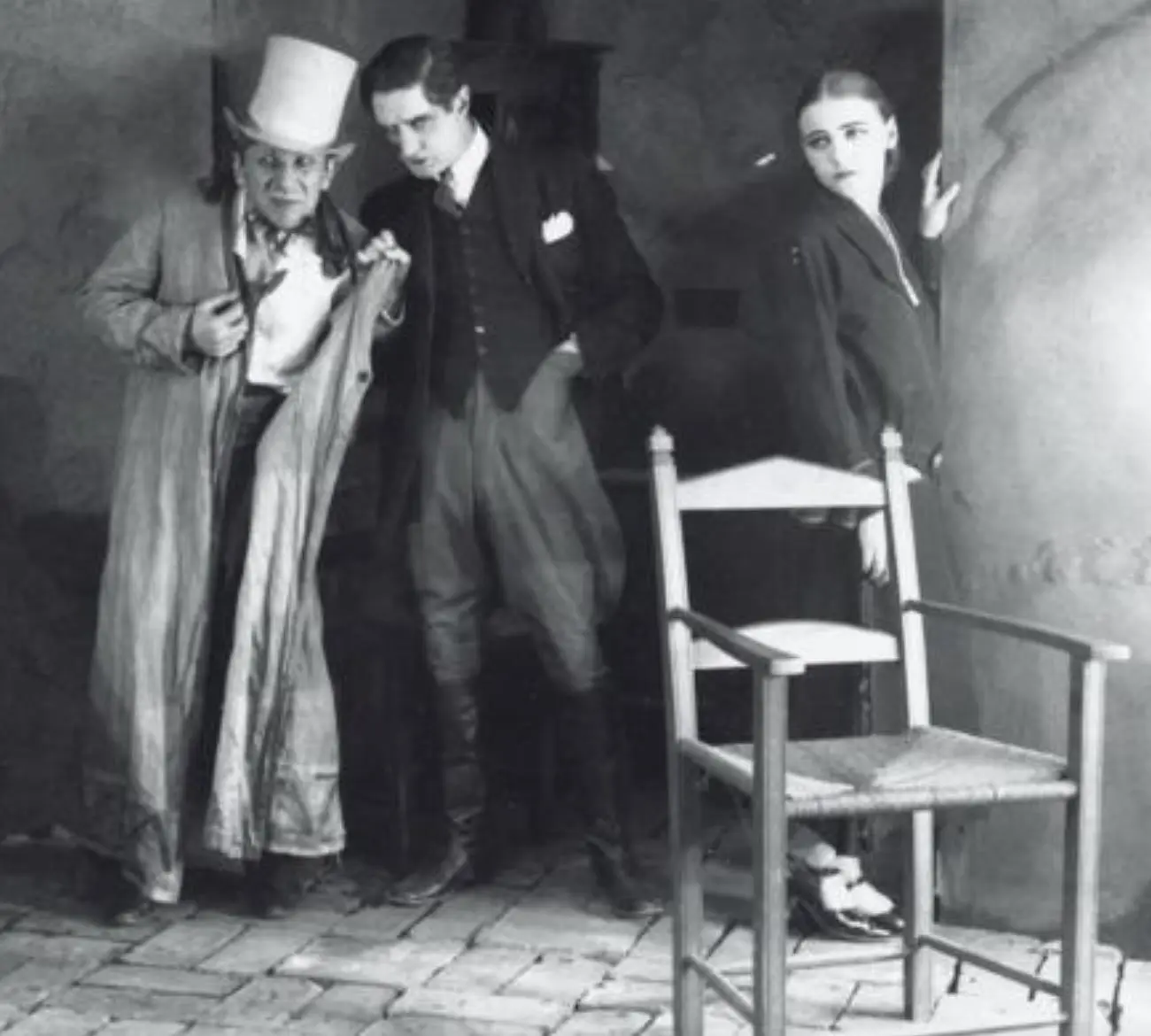
Pros: The film is visually daring and features a performance by Frantz Stybe that is genuinely captivating. Its portrayal of Copenhagen as a labyrinth of coincidences is uniquely atmospheric. It manages to feel ahead of its time, anticipating the surrealist movement that would soon sweep through Europe.
Cons: The narrative is thin, and the 'cocaine temple' payoff might feel underwhelming for those expecting a more traditional climax. Some of the slapstick elements clash with the darker, more psychedelic tone, creating a tonal inconsistency that can be jarring. It is a film that demands a lot of patience from its audience.
Kokain-Rusen is a chaotic, occasionally brilliant, and frequently baffling artifact of 1920s cinema. It lacks the narrative cohesion of Trix, der Roman einer Millionärin, but it makes up for it with sheer audacity. Aage Brandt wasn't interested in making a 'nice' film; he wanted to make a film that felt like a pulse. While it stumbles in its pacing, the visual impact of Nigel’s journey remains potent nearly a century later. It is a film that deserves to be seen, if only to witness the moment Danish cinema decided to stop playing by the rules. The teeth are terrifying. The city is a trap. The rush is real.
IMDb —
1923
Community
Log in to comment.