DbcultAccessing Vault...
Cult Review
Senior Film Conservator
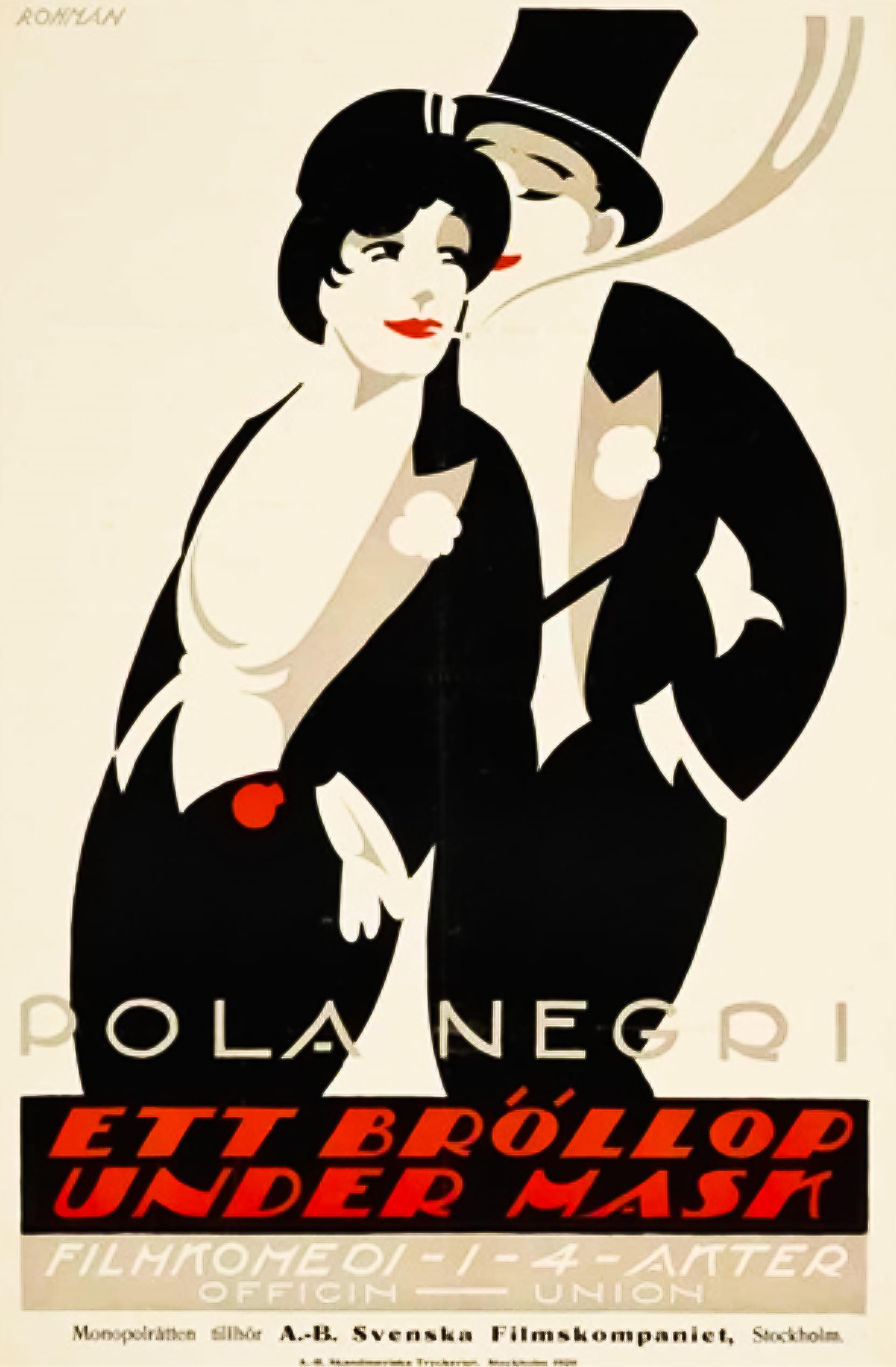
To speak of Komtesse Doddy is to invoke the very essence of silent cinema's dramatic power, a tapestry woven with the threads of yearning, defiance, and an incandescent romanticism that still resonates with profound clarity a century later. Georg Jacoby, a director whose prolific output often masked a keen eye for character and spectacle, orchestrates here a narrative that, while seemingly conventional on its surface, delves into the deeper psychological currents of its era. This isn't merely a tale of star-crossed lovers; it's a vibrant exploration of individual liberty clashing against the unyielding fortresses of class and expectation, a theme as pertinent now as it was in the tumultuous aftermath of the Great War.
At the heart of this cinematic endeavor lies Pola Negri's unforgettable portrayal of Countess Doddy. Negri, a force of nature whose screen presence could command an entire frame with a mere glance, imbues Doddy with a restless spirit, an almost palpable sense of entrapment that belies her privileged existence. Her initial scenes, confined within the opulent yet sterile confines of her ancestral home, are masterpieces of understated performance. One can almost feel the weight of the ancestral portraits, the suffocating grandeur of the chandeliers, pressing down upon her. It's a testament to Negri's genius that she communicates volumes without uttering a single word, her eyes conveying a universe of unspoken dreams and frustrations. The audience doesn't just witness Doddy's plight; they feel it, a testament to the profound empathy Negri elicits.
The film's visual language masterfully contrasts Doddy's two worlds. The aristocratic domain is rendered in sharp, almost architectural lines, often bathed in a cool, detached light, emphasizing its rigidity. In stark opposition, the bohemian quarter, where Doddy seeks refuge and finds love, is a whirlwind of softer focus, dynamic movement, and a warmer, more inviting illumination. Jacoby's direction, aided by the uncredited but undoubtedly crucial work of the cinematographers, creates a palpable sense of transition, allowing the audience to breathe a sigh of relief as Doddy sheds her restrictive gowns for simpler attire, her aristocratic facade for genuine emotion. This visual dichotomy is not merely aesthetic; it serves as a profound commentary on the societal divisions of the time.
Negri's performance in Komtesse Doddy stands as a cornerstone of her early career, a precursor to the international stardom that would soon follow. Unlike some of her contemporaries, whose acting styles occasionally veered into overt theatricality, Negri possessed an intrinsic magnetism, an ability to convey raw, unbridled emotion with an authenticity that transcended the limitations of the silent medium. Her Doddy is not merely a damsel in distress; she is a woman grappling with agency, a nascent feminist spirit struggling against the patriarchal dictates of her society. Her chemistry with Harry Liedtke, who plays the earnest painter Robert, is electrifying. Liedtke, with his boyish charm and sincere portrayal, provides the perfect foil to Negri's fiery intensity. Their scenes together are imbued with a tender vulnerability, a genuine connection that makes their burgeoning romance utterly believable and deeply affecting. One particular sequence, where they share a quiet moment in Robert's modest studio, Doddy observing him paint with a newfound sense of peace, is a masterclass in silent romantic subtlety. It's a far cry from the more overtly dramatic turns Negri would often take in films like The Death Dance or The Tigress, showcasing her versatility.
The supporting cast, under Jacoby's astute direction, provides a robust framework for Negri and Liedtke's central romance. Victor Janson, as the detestable Baron von Hohenstein, is deliciously villainous. He embodies the superficiality and cold calculation of the aristocracy, his every sneer and pompous gesture designed to elicit maximum audience antipathy. Janson's portrayal is not a caricature, however; there's a chilling believability to his entitlement, making him a truly formidable antagonist. Emmy Wyda and Heinz Salfner, likely portraying Doddy's stern, tradition-bound parents or guardians, add layers of societal pressure, their expressions of disapproval and dismay serving as constant reminders of the stakes involved in Doddy's rebellion. Hermann Thimig, always a reliable presence, likely offers a touch of comic relief or a sympathetic ear, a welcome respite from the escalating drama. The ensemble, in unison, paints a vivid picture of a society on the cusp of change, grappling with its own rigid codes and the burgeoning desires for individual freedom.
The screenplay, crafted by Georg Jacoby himself in collaboration with Hanns Kräly, is a marvel of narrative economy and emotional resonance. Kräly, known for his sophisticated storytelling, particularly in his collaborations with Ernst Lubitsch, brings a structural elegance to Komtesse Doddy. The plot unfolds with a measured pace, allowing for character development and the gradual escalation of tension. The exposition is deftly handled through visual cues and intertitles that are poetic rather than merely functional, guiding the audience through Doddy's internal and external conflicts. The inevitable exposure of Doddy's secret, orchestrated by the conniving Baron, is a masterstroke, plunging the narrative into a deeper crisis and forcing our protagonist to confront her choices head-on. The writers skillfully build towards the climactic ball scene, transforming it from a mere social gathering into a gladiatorial arena where Doddy's fate, and indeed her very identity, hangs in the balance. This kind of dramatic construction, where personal struggle mirrors larger societal shifts, is a hallmark of truly enduring cinema, a quality also evident in films like Saffo, which similarly explores the constraints placed upon women by societal expectations.
Beyond its captivating performances and meticulous direction, Komtesse Doddy resonates deeply due to its timeless thematic concerns. The film is a powerful commentary on the tyranny of class distinctions, exposing the hypocrisy and superficiality inherent in a society that values lineage and wealth over genuine character and affection. Doddy's journey from a cloistered noblewoman to a woman who dares to choose her own destiny is a proto-feminist statement, a quiet revolution played out on the grand stage of silent cinema. Her rejection of the arranged marriage is not merely a personal act; it's a symbolic dismantling of an antiquated system, a defiant assertion of individual will. The film champions the idea that true love transcends social barriers, a sentiment that, while perhaps idealized, offers a potent message of hope and liberation. This theme of challenging societal norms for personal fulfillment echoes in other films of the era, such as Champagne Caprice, which also explored the effervescence of youth clashing with established tradition.
The film also subtly critiques the societal pressures placed upon women to conform to predefined roles – the dutiful daughter, the advantageous wife. Doddy's yearning for artistic expression and genuine connection is a silent scream against these constraints. Her ventures into the bohemian quarter are not just romantic escapades; they are acts of self-discovery, moments where she sheds the burden of her title and finds a more authentic version of herself. The film's resolution, while dramatic, feels earned. It's not a facile happy ending but a hard-won victory, a testament to the courage required to forge one's own path in a world that often seeks to dictate it.
The production design, a crucial element in silent film, is exemplary. The sets for Doddy's family estate exude a lavish, almost oppressive grandeur, with intricate details in furniture, drapery, and artwork that speak to generations of wealth and tradition. In contrast, Robert's studio is depicted with a raw, artistic simplicity, filled with canvases, easels, and the detritus of creative endeavor. These visual contrasts are not just pretty backdrops; they are integral to the storytelling, underscoring the vast chasm between Doddy's two lives. The costumes, too, play a significant role. Doddy's elaborate gowns in aristocratic settings are beautiful but restrictive, symbols of her gilded cage. Her simpler, more practical attire in the bohemian quarter, on the other hand, signifies her newfound freedom and authenticity. The visual narrative is so strong that even without intertitles, one could largely follow the emotional arc of the story, a hallmark of truly masterful silent filmmaking. This meticulous attention to visual detail and its narrative function sets Komtesse Doddy apart, elevating it beyond mere melodrama to a work of considerable artistic merit.
In an era brimming with cinematic output, Komtesse Doddy emerges as a compelling example of German silent cinema's capacity for both grand spectacle and intimate character study. It's a film that showcases the nascent power of the moving image to explore complex social dynamics and individual desires. The collaboration between Jacoby and Kräly, coupled with the incandescent star power of Pola Negri, results in a work that transcends its historical context. While some might draw parallels to the escapist narratives of films like Vagabond Luck or Just Peggy, Komtesse Doddy possesses a deeper emotional heft, a more pronounced sense of social commentary that elevates it beyond simple entertainment. It’s a film that demands to be seen, not just as a historical artifact, but as a vibrant, living piece of storytelling that continues to speak to the enduring human quest for love, freedom, and authenticity. The raw power of its emotional landscape, conveyed through the expressive faces and bodies of its performers, particularly Negri, ensures its place as a significant contribution to the silent era's legacy.
The final scenes, where Doddy makes her fateful choice, are imbued with an almost operatic intensity. The hushed gasps of the onlookers, the furious indignation of the Baron, and Doddy's unwavering gaze as she commits to a future unknown but chosen by her own heart, constitute a powerful crescendo. It’s a moment of pure cinematic catharsis, leaving the audience with a profound sense of satisfaction, not just for the lovers, but for the defiant spirit of a woman who dared to challenge the established order. This is the enduring magic of Komtesse Doddy – its ability to transform a seemingly simple romance into a potent allegory for self-determination and the transformative power of love. The film, in its quiet grandeur, reminds us that true aristocracy lies not in birthright, but in the courage to live authentically.
IMDb —
1922
Community
Log in to comment.