DbcultAccessing Vault...
Cult Review
Senior Film Conservator
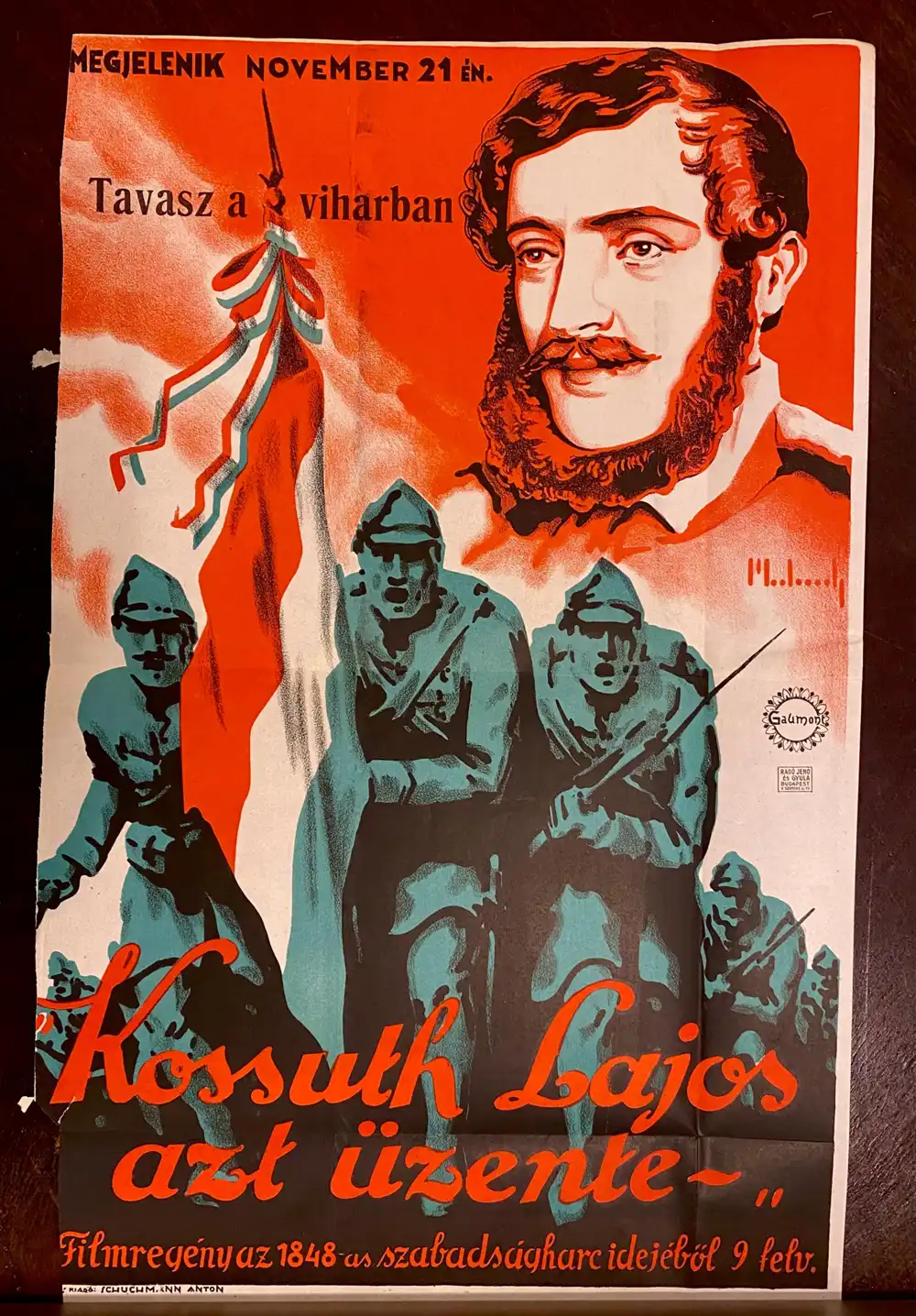
Alright, look, let's be real. Kossuth Lajos azt üzente isn't going to be your Friday night popcorn flick unless your Friday night involves a deep dive into film archaeology. If you’re a silent film enthusiast, or maybe someone really into Hungarian history, then yes, this is absolutely worth checking out. It’s a fascinating time capsule. But if you're just looking for a casual movie, honestly, you'll probably find it a bit of a slog. It asks for a certain kind of patience.
The whole thing feels like a dusty old postcard brought to life. There's this undeniable charm to seeing something this old moving, you know? It kicks off, and you're immediately dropped into a world of big gestures and even bigger hats. The story, from what I could piece together through the rather frequent intertitles, revolves around this crucial message, hinted at in the title. People are very earnest about it.
The acting, oh my. It’s very much of its time. Kálmán Zsabka, for instance, has a way of looking incredibly intense without actually *doing* much, which is pretty common for these early films. Every emotion is painted with a broad brush. Sometimes, a character will just stand there, hands clasped, for what feels like an eternity after delivering a line, waiting for the audience to digest it. It's almost comical.
There's this one scene, quite early on, where a character is rushing through what looks like a village street. The camera is fixed, and they just sort of *appear* from off-screen, run past, and disappear again. The whole thing lasts maybe ten seconds, but it feels like a marathon in slow motion. You can almost hear the director yelling 'Action!' and then 'Cut!' with a long pause in between. 😂
The print quality available, at least for me, was a bit rough. Lots of scratches and flickering. This actually added to the authenticity, I thought. It really makes you feel like you're watching history unfold, not just a movie. The graininess has its own kind of beauty, a very textural thing that modern films just don't have.
Pacing is the big one here. Things move at their own deliberate speed. A conversation that might take thirty seconds in a modern film stretches out with pauses, dramatic stares, and a full intertitle explaining every single beat. It's less about quick cuts and more about letting moments just *exist*.
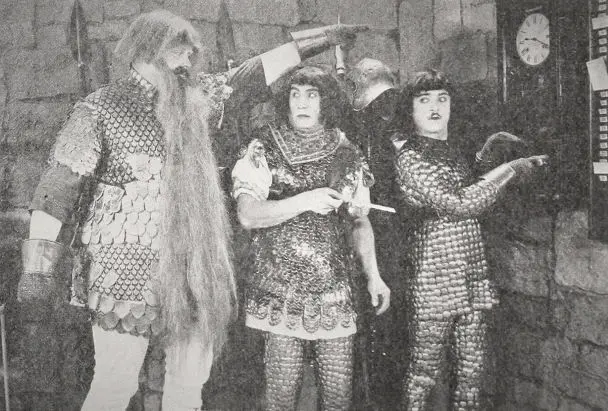
One shot of a group of soldiers, or maybe just men in uniforms, gathered around a table. It goes on for so long that you start to notice the small things. The way one guy keeps adjusting his collar. Another one just stares directly at the camera for a second too long. It's these tiny, almost accidental human moments that stick with you.
I found myself wondering about the logistics of making a film like this back then. No sound, obviously. How did they direct the emotion? It must have been all about blocking and those grand facial expressions. And the sheer effort of getting everyone into period costumes, even for a brief outdoor scene. It’s quite something to consider.
The film doesn't try to be flashy. There are no fancy camera tricks or complicated edits. It's mostly static shots, letting the action play out within the frame. This simplicity, though, gives it a certain stark power. It feels honest, in a way. Like they just wanted to tell a story without all the bells and whistles.
It’s not a movie you’ll be quoting or recommending to everyone you know. But it’s a quiet, important piece of film history. A window into a different time, a different way of storytelling. And for that, it absolutely has its place. Just bring a cup of tea and a patient mind. ☕
IMDb 3.8
1899
Community
Log in to comment.